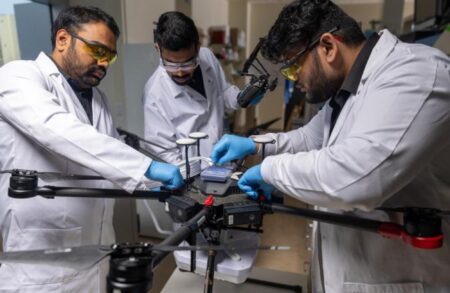




Yesterday, Moore Air Base, U.S. Secretary of Agriculture Brooke L. Rollins and Governor of Texas Greg Abbott announced the completion of a U.S.-based sterile fly dispersal facility in Edinburg, Texas. This facility will expands the U.S. Department of Agriculture’s ability to disperse sterile flies by the end of 2027 along the border and into the United States, if necessary.
“The Trump Administration continues to bring the full force of the federal government to fight New World Screwworm,” said Secretary Brooke Rollins. “This sterile fly dispersal facility was a high priority project, and our team delivered it in record time. This new facility is a monumental achievement for our domestic preparedness efforts, but we are also diligently working to stop the spread of screwworm in Mexico, conduct extensive trapping and surveillance along the border, increase U.S. response capacity, and encourage innovative solutions. We will never stop fighting to protect American agriculture. USDA, through a whole-of-government approach, will continue to hold Mexico accountable to mitigating the spread of this dangerous pest.”
“America is going to take care of ourselves, including dealing with the approach of screwworm as it gets closer to our border,” said Governor Abbott. “We put together the resources necessary for Texas to provide a Texas-size response to this. We thank Secretary Rollins and President Trump for stepping forward to provide the stop gap effort essential to protecting our ranchers and our wildlife.”
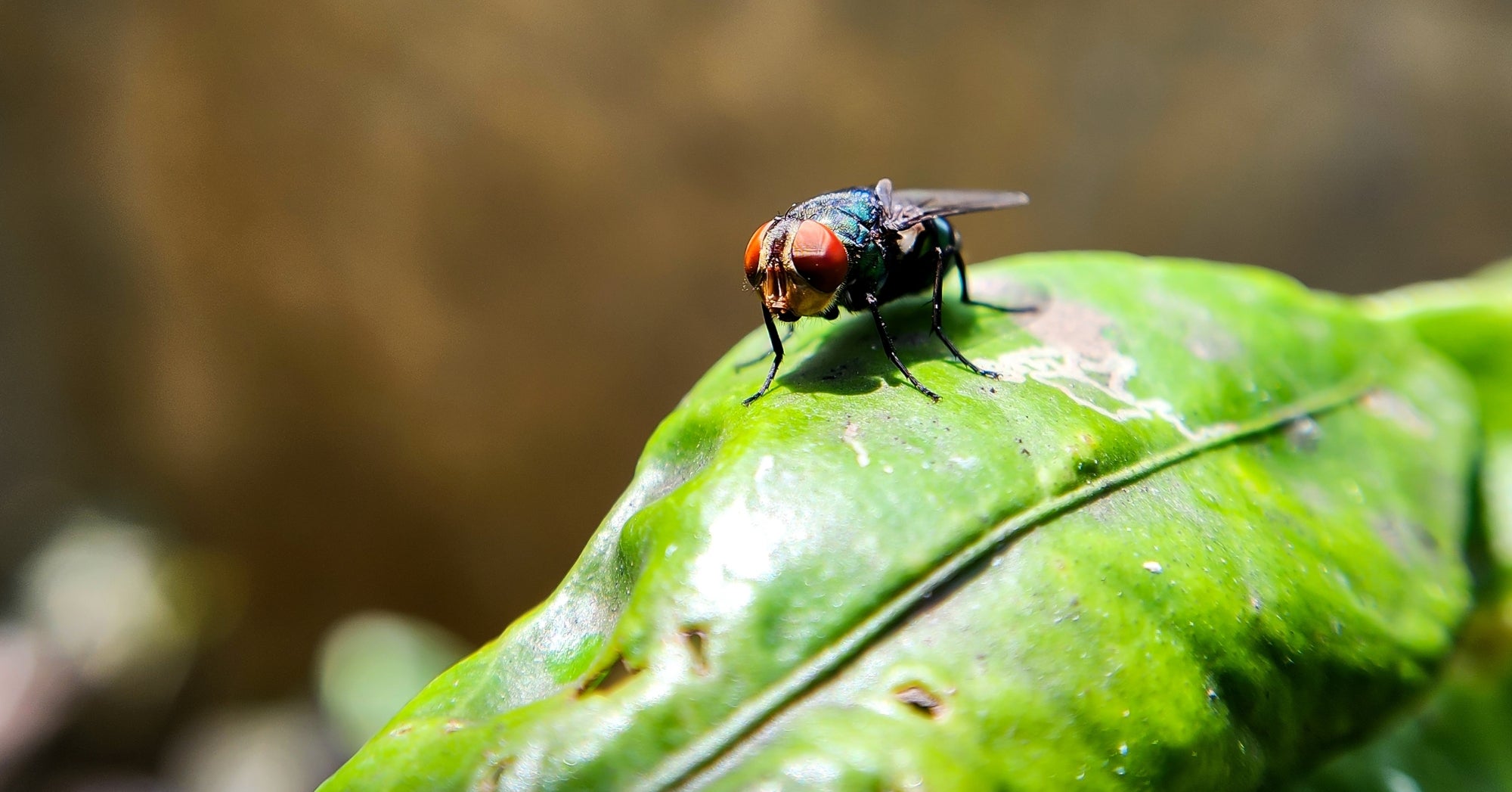
In June 2025, Secretary Rollins announced a five-pronged plan to enhance USDA’s already robust ability to detect, control, and eliminate NWS. As part of that announcement, she also shared plans to build this sterile NWS fly dispersal facility in South Texas. The completion of the facility further expands the network of dispersal facilities through Central America and Mexico and solidifies the increased preparedness offered by having a U.S.-based facility.
On January 30, USDA announced a shift in its 100 million per week sterile fly dispersal efforts to reinforce coverage along the U.S.-Mexico border. While the sterile flies for this effort will initially be dispersed from the Tampico, Mexico facility, USDA is prepared to shift operations to the new Texas facility should there be a change in the location or new concentration of NWS cases in northern Mexico.
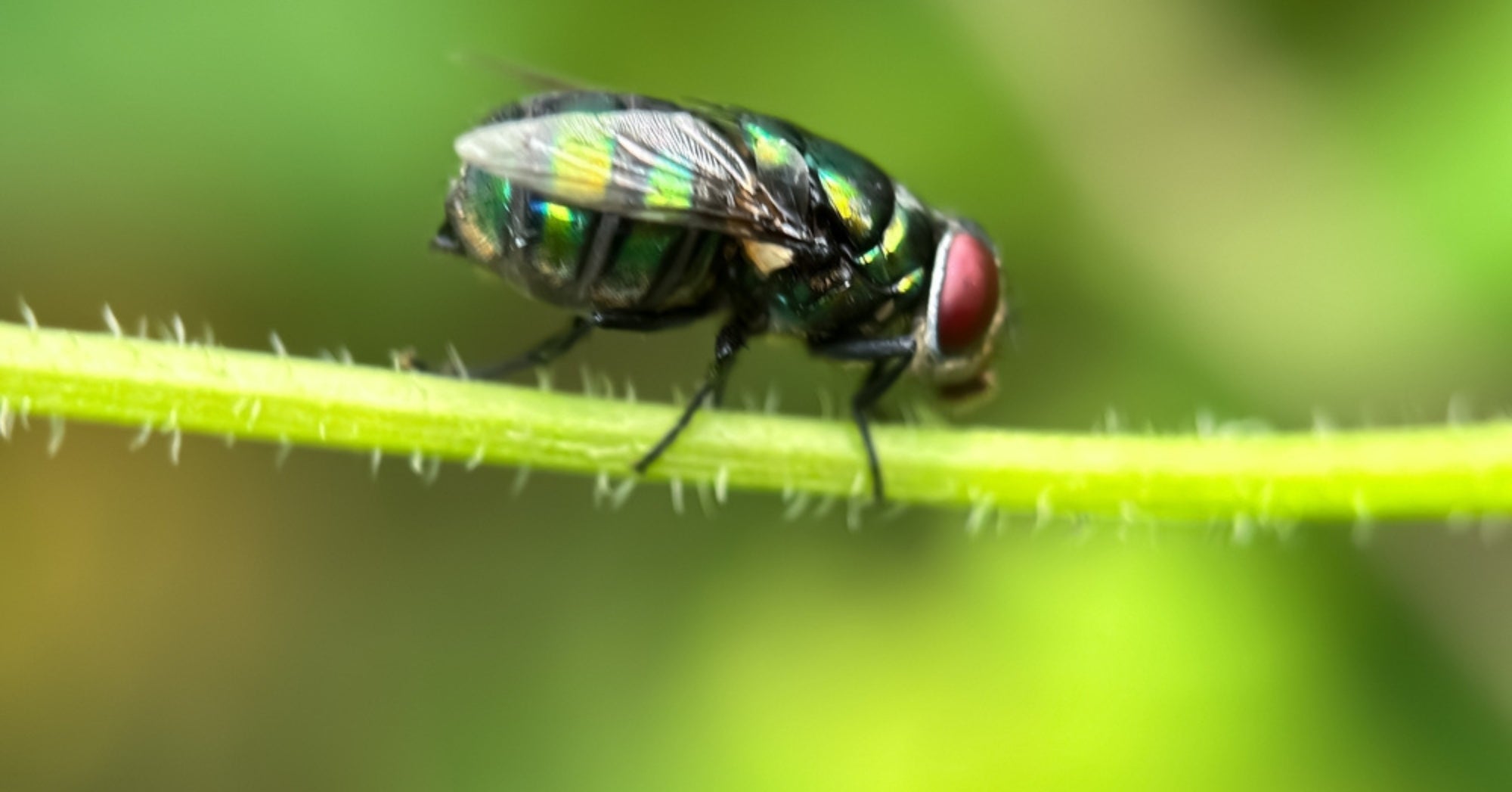
Sterile insect technique, when paired with surveillance, animal movement restrictions, and education and outreach, is a proven and effective tool for controlling and eradicating NWS. Female NWS flies only mate once in their lives, so if they mate with a sterile male, they lay unfertilized eggs that don’t hatch. Releasing sterile flies just outside of affected areas helps ensure flies traveling to new areas will only encounter sterile mates and will not be able to reproduce.
Sterile insects are dispersed through aerial dispersal or ground release. Aerial operations are preferred because they allow for dispersal at a steady rate through a large area and also because sterile insects may be dispersed in areas that are unreachable from the ground. Ground release is used when there is a need to quickly deploy sterile insects outside of the dispersal facility range. Mass production and targeted dispersal of sterile flies remain critical components of an effective response.
USDA currently produces sterile flies for dispersal at the COPEG facility in Panama. USDA is also investing $21 million to support Mexico’s renovation of an existing fruit fly facility in Metapa which will double NWS production capacity once complete. With ongoing support from technical experts in USDA’s Animal and Plant Health Inspection Service, Mexico anticipates this sterile fly production to begin as soon as summer 2026.
The sterile fly production facility at Moore Air Base in Edinburg, Texas, with a targeted maximum capacity of 300 million sterile flies per week. USDA expects to break ground on that facility later this spring. With existing and planned production facilities fully operational, USDA will have up to 500 million sterile files per week in its arsenal to fight this pest all the way back to the Darién Gap. The international network of facilities will produce 100 million sterile flies per week at COPEG in Panama, 100 million at Metapa in Mexico, and 300 million at Moore Air Base.
Even though there have been no detections of NWS inside the U.S. and the northernmost active case of NWS is still about 200 miles away from the border, USDA is asking Americans to continue to remain vigilant by checking their livestock and pets for signs of NWS. Look for draining or enlarging wounds and signs of discomfort. Also look for NWS larvae (maggots) and eggs in or around body openings, such as the nose, ears, and genitalia or the navel of newborn animals. If you suspect your animal is infested with NWS, immediately report it to your state animal health official or USDA area veterinarian in charge.
NWS maggots can infest livestock and other warm-blooded animals, including people. They most often enter an animal through an open wound and feed on the animal’s living flesh. While not common in people, if you notice a suspicious lesion on your body or suspect you may have contracted NWS, seek immediate medical attention.