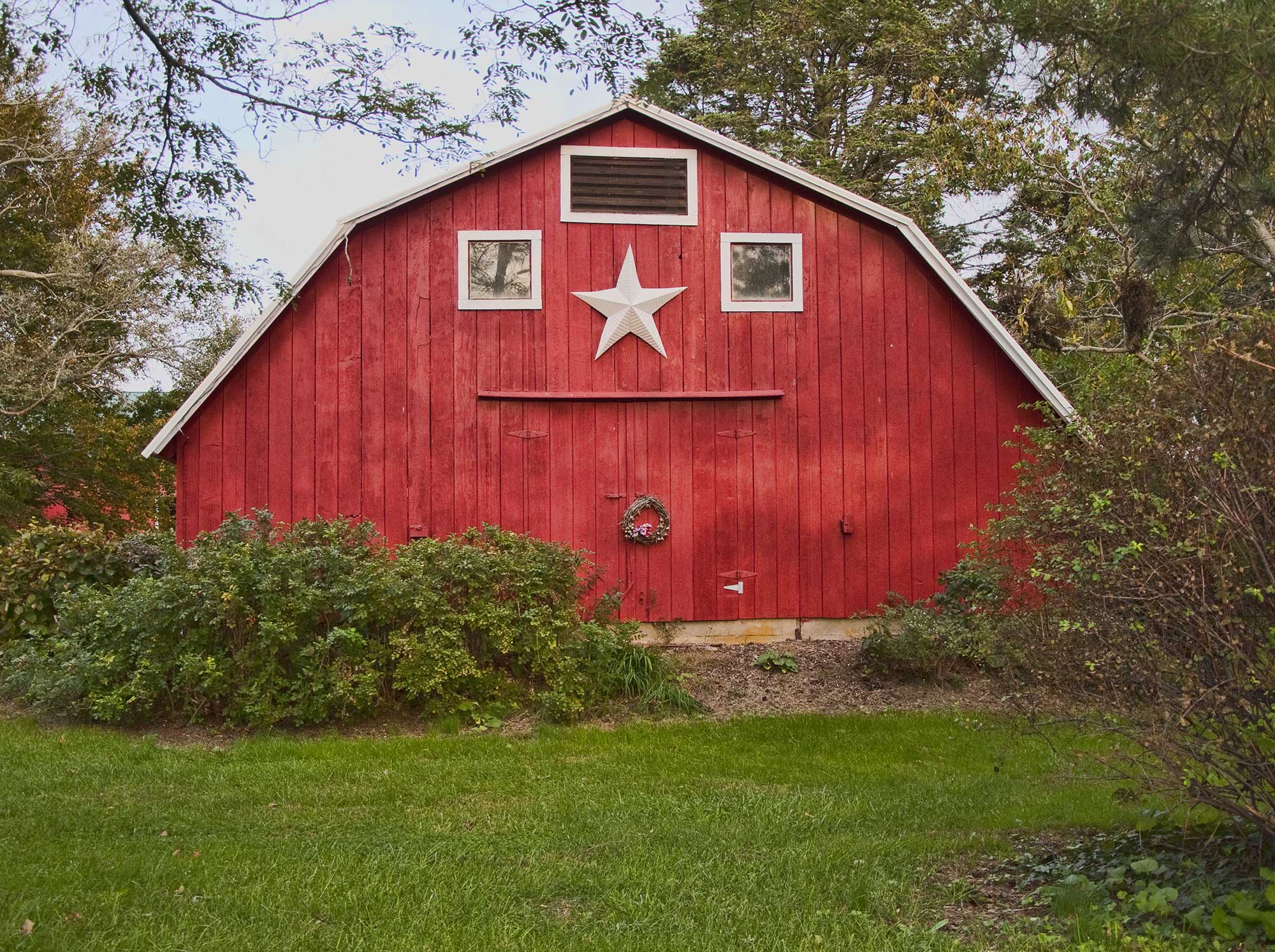


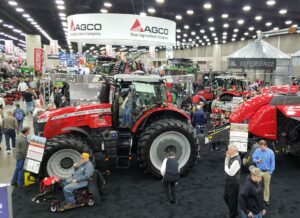


Sometimes when people picture a farm, a picturesque big, red barn, with a small open-cab tractor, a few chickens roaming around, and the white farm house comes to mind.
This isn’t just because of movies and books.
We’re still in the age where most people (maybe not all kids) have a grandparent, aunt or uncle, or some other relative or friend who had a farm. Many people picture farms like this because of their time visiting or growing up on a farm just like that image. But farms have changed drastically over the years.
There’s nostalgia on a farm and truth to the idyllic images that come to mind, but today’s farms look and act a lot different. Here’s how the older, nostalgic version of a farm compares to today’s modern farming operations.
Past: Small and local vs. Present: Large and efficient
In the past, there were farms everywhere. The number of farms in the United States peaked at 6.8 million in 1935 and has been on the decline ever since. In 2024, there were 1.88 million farms in the U.S.
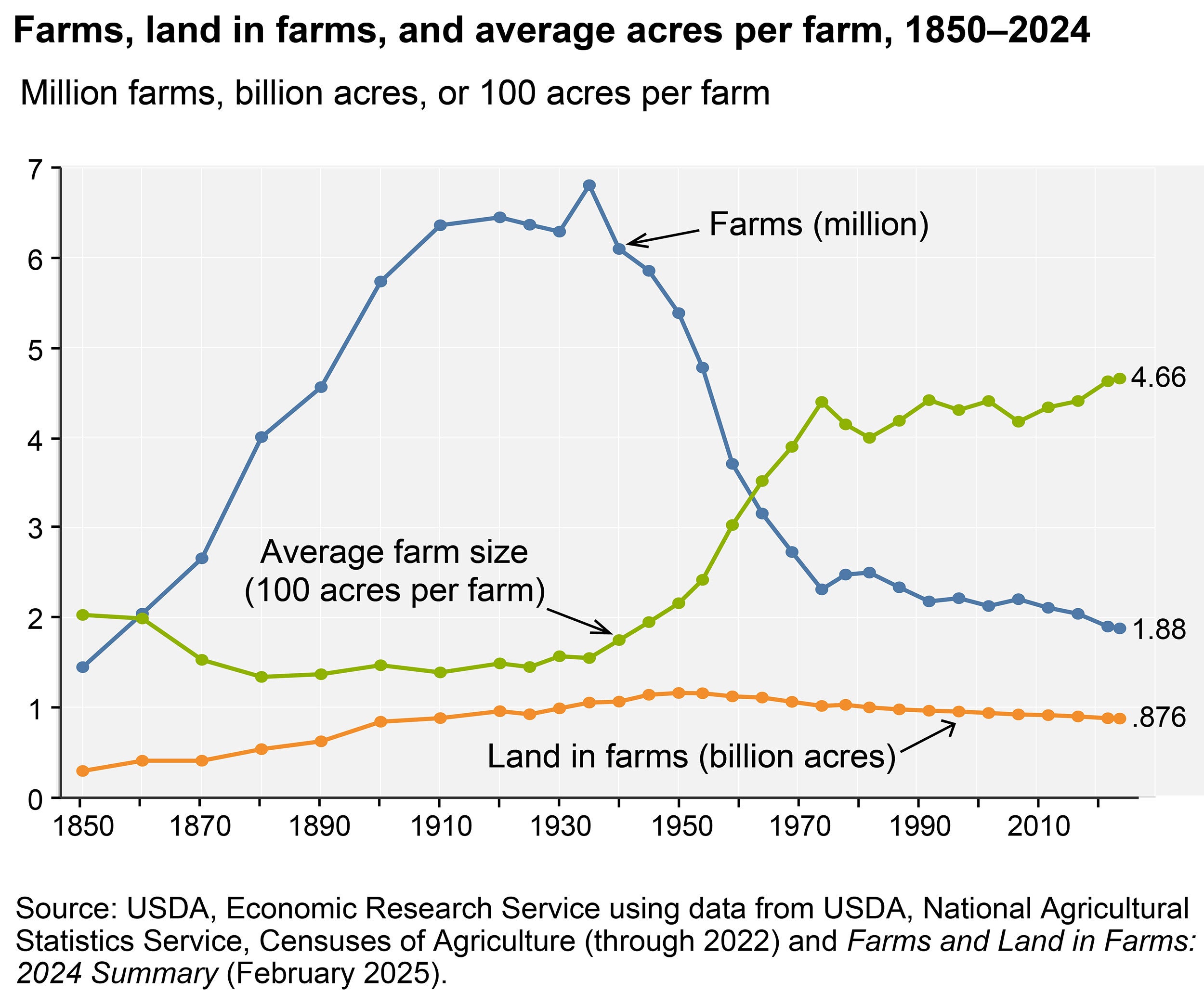
A farm is defined by the U.S. Department of Agriculture as a business that has sold a minimum of $1,000 of agricultural products in a year. About 88 percent of today’s farms are classified as small, with the rest being midsize and large. The larger-scale farms account for 52 percent of the total value of agricultural production and 25 percent of agricultural land.
While your neighbor’s small farm still exists, the majority of agricultural production comes from a smaller number of large farms.
Past: Feed your family vs. Present: Feed the world
In about 1940, one farm could feed less than 20 people. The point of farms in the past was often to feed your own family and sell what was left over to make a little money. Today, less than 2 percent of the U.S. population feeds everyone else. Today, one farm feeds 169 people annually in the U.S. and around the world.
Farms have adapted to feed a growing population and will continue to find ways to be more efficient in the future.
Past: More manual labor vs. Present: More technology
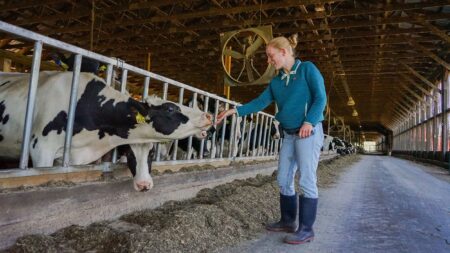
Farming has always been a labor intensive occupation. It still is, but technology has made things more efficient and sometimes easier. Tractors have become larger and are able to cover more ground with less time. GMOs help farmers produce more crops using less inputs. Things like artificial insemination and embryo transfer technology have allowed for faster genetic advancements in animal agriculture. Today, robots can milk cows, tractors can drive themselves, and farmers have access to important monitoring information right in the palm of their hand (on their phone, of course).
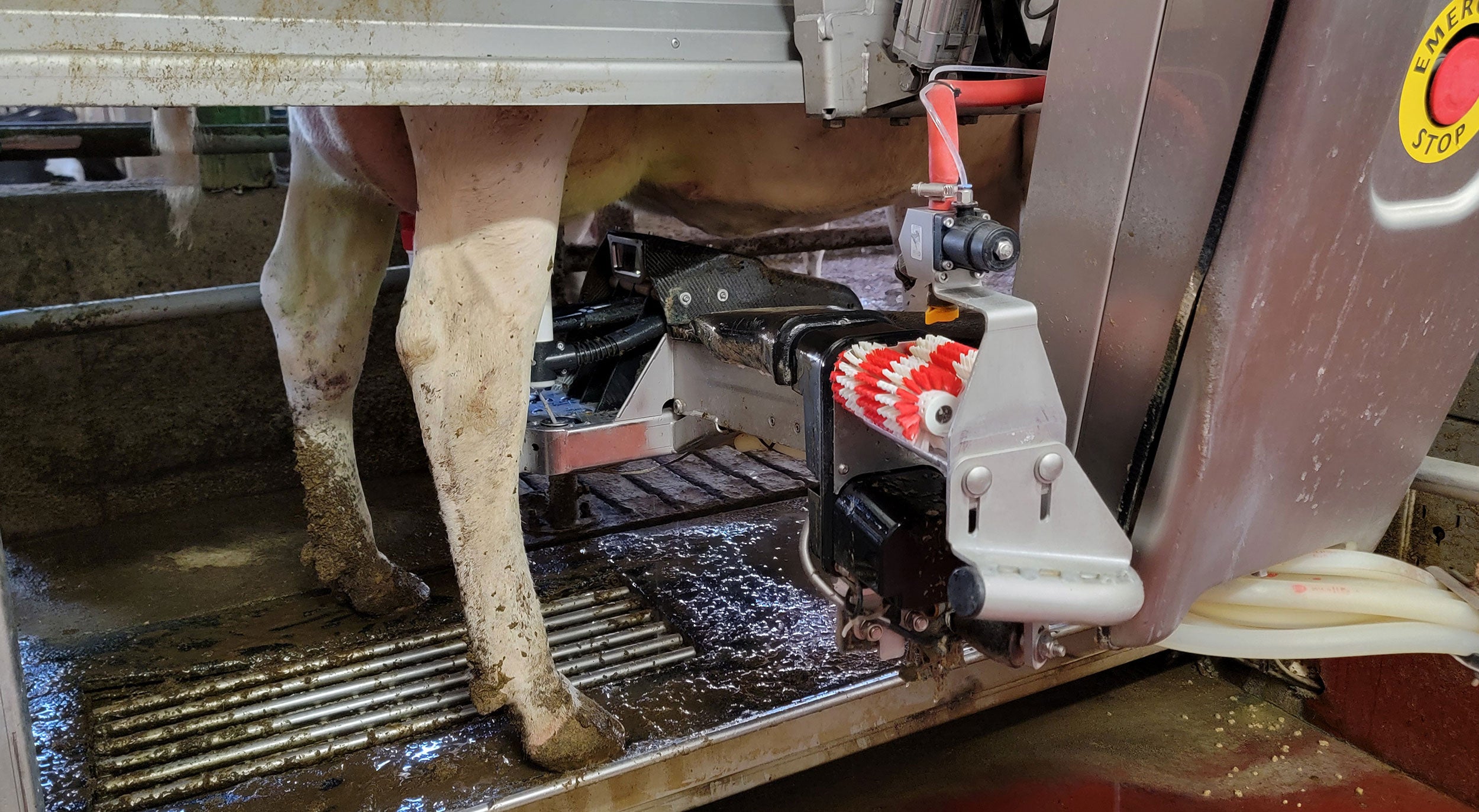
Technology in agriculture is always evolving to solve problems, help farms produce more using less, and make life just a little easier for those who work on farms and ranches.
Past: More diversity vs. Present: Specialization
Another common sight of the past was a farm that milked some cows, raised chickens, had some sheep, grew corn and soybeans, and had a garden filled with specialty vegetables.
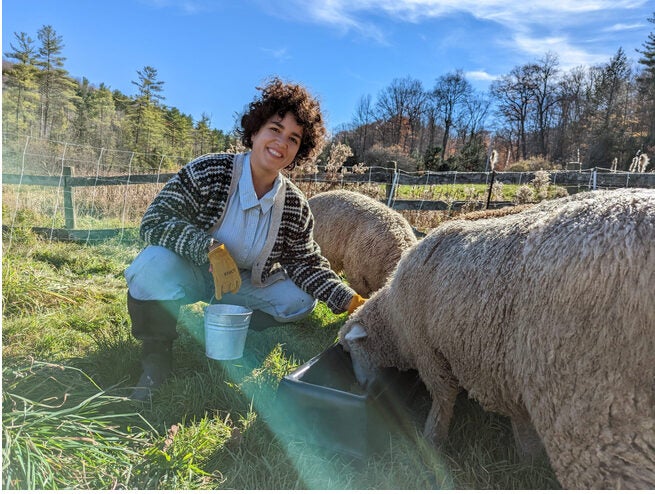
Small farms today still often have a wide variety like this, but today’s larger farms tend to be specialized, growing just row crops, beef cattle, dairy cattle, running an orchard, or choosing one other thing to specialize in. This allows the farm or ranch to efficiently produce one item and do it to the best of their ability.
Past: Family-owned vs. Present: Still family-owned
There never used to be a discussion about family vs non-family owned farms because it always seemed like every farm used to be owned and operated by a family. And guess what? That’s still true. One thing that hasn’t changed about farms is that they are overwhelmingly a family business.
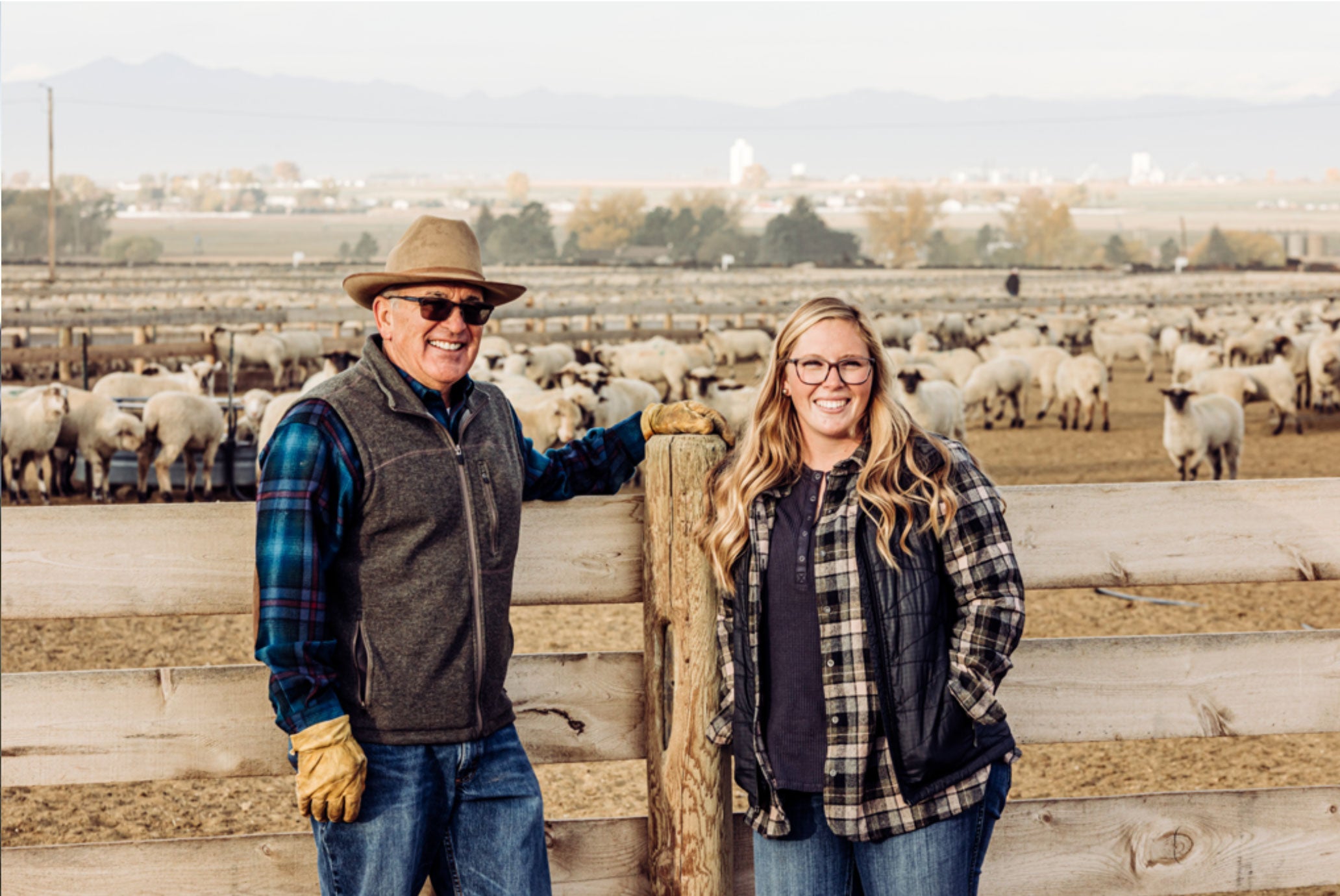
A family farm is defined as a farm where the majority of the business is owned by an operator and/or any individual related by blood, marriage, or adoption, including relatives who don’t live in the operator’s household. Non-family farms are farms where any operator and any individuals related to them don’t own a majority of the business. In 2022, non-family farms made up only 2.7 percent of all farms in the U.S. This means that over 97 percent of all farms in the U.S. are still family owned and operated.
Farms today certainly don’t look the same way they used to. Both in an overarching way and in the farm yard, things have changed over time.
Agriculture is an amazing industry, adapting over time not just to survive, but to thrive. Farming will continue to adopt new technology and feed more people using less inputs. It might not be your grandparent’s farm anymore, but it’s a farm that is efficient, sustainable, and continually improving. Tradition is still alive and well on farms, where you can still find a farm with a red barn and white house.
The nostalgia of an old farm is still there, just a little harder to find.
Michelle Miller, the Farm Babe, is a farmer, public speaker, and writer who has worked for years with row crops, beef cattle, and sheep. She believes education is key in bridging the gap between farmers and consumers. Find more about Michelle on her website.