
:max_bytes(150000):strip_icc()/54778662706_5ab262825b_o-68d3addad1aa4d36911c1d80274538a9.jpg "Farm Aid Package Nears for Farmers Hit by Export Losses and Low Prices")
:max_bytes(150000):strip_icc()/Lee-Lubbers-washing-equipment-in-the-farm-yard-IMG_2130-333a5a401e3048a8bcb1727d316d6ee0.jpg "Crop Machinery Costs")
:max_bytes(150000):strip_icc()/8293232288_8da55cc72e_o-b324a9331b0a48b487dd867154d53c50.jpg "China Soybean Buying Deadline Now February, Bessent Says")


Agriculture is one of the foundations of history. It’s almost always been here, and I believe that it will always be here in the future. One of the most iconic parts of that history is the big, red barn.
If think of an American farm, chances are you think of a red barn, complete with white trim, a huge hayloft window, and maybe even a rope swing for the kids to play on somewhere. This type of barn has been the face of agriculture in television shows, on cereal boxes, children’s toys, photo shoots, and so much more.
So, how did this barn become such an iconic part of agriculture? Let’s find out!
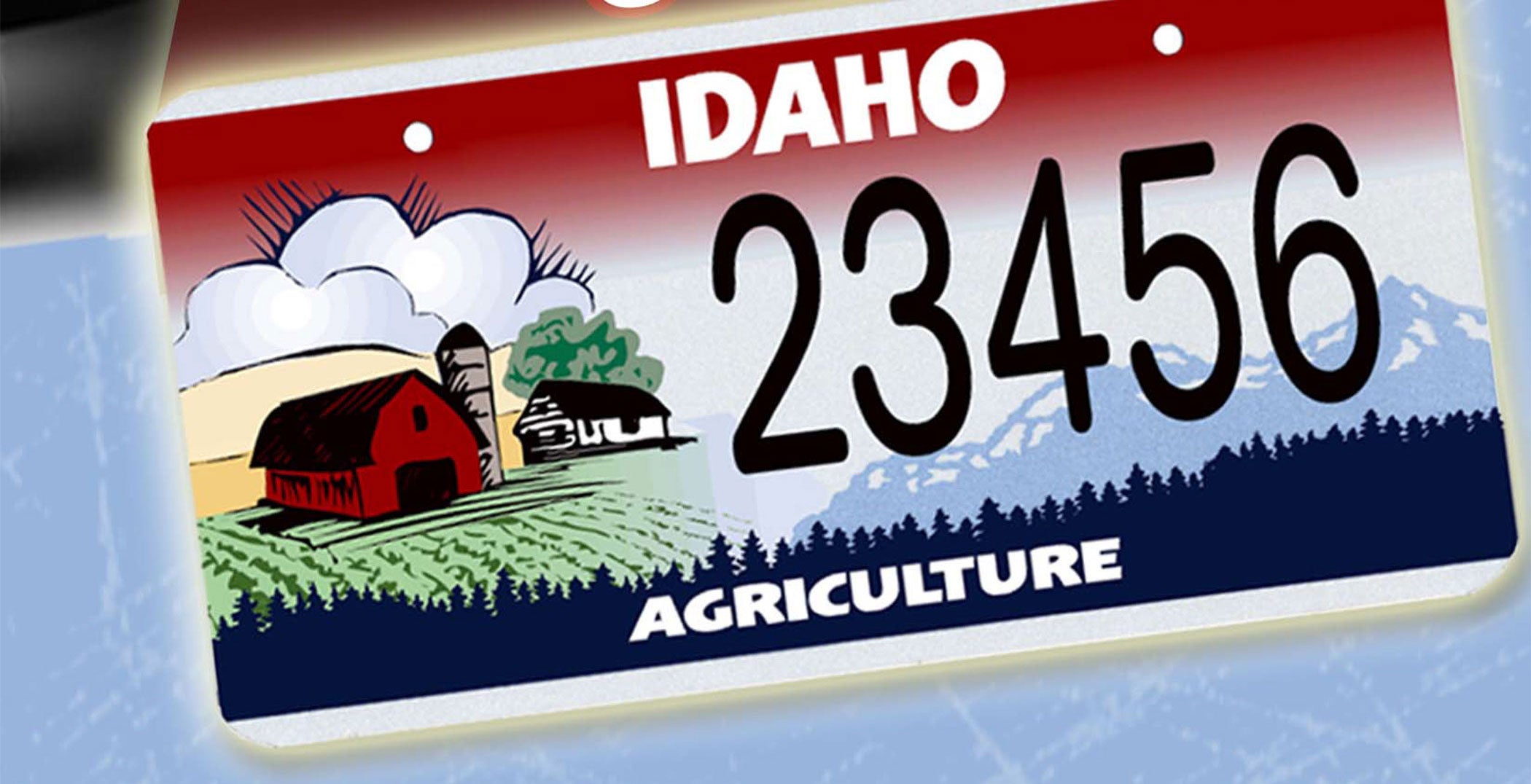
The earliest barns did not always follow that idyllic look and design. The first barns built in the 1600s and 1700s were European style. These huge barns included large open areas for threshing crops, spaces to store crops and stables and stalls for animals.
As time went on barn design changed. Barns started to be built into hills. This left an upper level for crops and storage that you could drive right into and a basement/lower level that was often the home for animals. This meant hay could be stored above the animals, which made caring for animals easier.
These early barns were often roughly made with whatever materials were nearby. They weren’t always beautiful and polished.
By the 1800s, barns were getting bigger and fancier. Agriculture was expanding, and barns needed to keep up. Farmers experimented with higher ceilings, longer hallways, and more room for livestock. Round barns were a trend for a while. There’s not many of these left today, but you can still find some. Round barns were supposed to be extremely efficient, with livestock facing inward and hay that could be dropped from above. But the higher cost of building these structures meant they trended out of style.
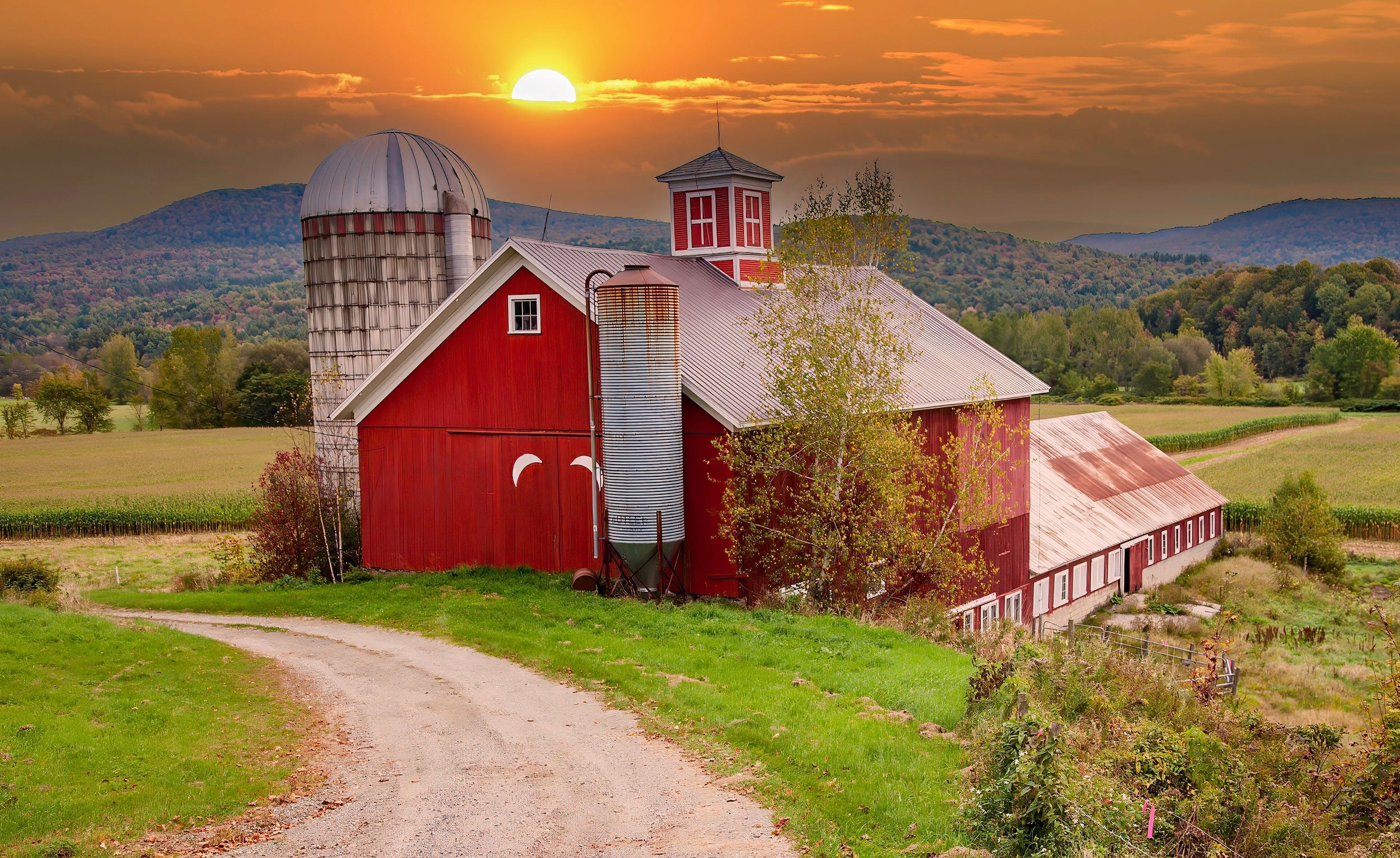
Now, about that iconic color. Why red? Was it just for the looks? Not exactly. A long time ago farmers didn’t have the opportunity to just run down to the store and grab some paint. Instead, they would create their own “paint” (which was truly more of a protective coating for the wood) from whatever they had on hand. Linseed oil was often the oil of choice to seal the wood. Farmers would add other things like milk, lime, and even rust. This mixture of the oil and especially the rust would turn a reddish-brown color.
This protective mixture would kill fungi and moss and protect the wood, producing a cheap, effective, and nice-to-look-at solution! After this, the traditions stuck. Even today, a red barn is a symbol closely associated with farms.
As time went on, sanitation and animal health became top of mind for many producers. It started with farmers adding bigger windows, doors, and cupolas for better ventilation. Eventually concrete floors became more common, as they were cheaper, easier to install, and easier to clean than the previous wood flooring.
As the times changed, farmers adapted. Tractors didn’t need to compete with animals for stall space, hay was no longer stored in an open loft and was instead baled and stored outdoors or in a designated building. By the mid-20thcentury, there was a split: the old picturesque barns still standing tall and the rise of pole barns, metal sheds, and concrete-block milking parlors. They weren’t quite as photogenic, but they sure were practical, each serving an important purpose.
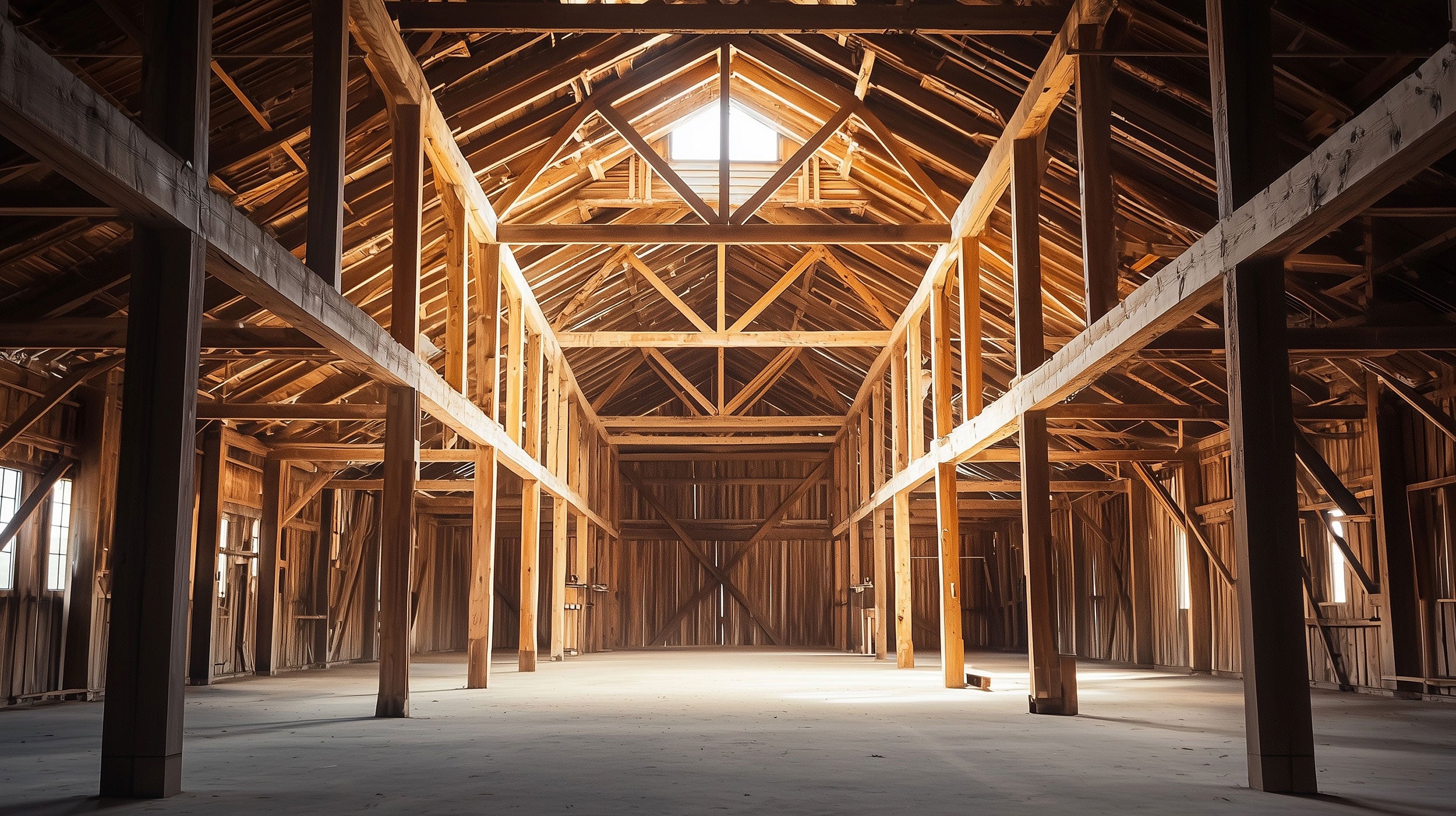
While the big, red barn is a staple in agriculture, it’s not all about the barn itself. For many farm families, barns carry deep meaning. What truly matters is the people who have walked the barn aisles, the countless hours spent caring for animals, the life lessons kids learn helping out, the fun moments and memories, and much more. Oftentimes, these barns are the oldest structure on a farm, weathering generations of storms and seasons.
While modern ag doesn’t always have a purpose for these red, wooden barns, they still have a place. Some have been restored into agritourism spots — wedding venues, event spaces, farm-to-table restaurants. Others are lovingly maintained as family heirlooms, even if they’re no longer central to day-to-day farm operations.
Meanwhile, working barns today are often steel or pole-built, designed for efficiency rather than aesthetics. Even some of these still serve as a nod to the past. You’ll still find farmers painting them red, keeping the tradition alive. Barns represent more than farming, for hundreds of years they’ve represented stability, heritage, and a connection to the land.
The history of American barns is a story of adaptation. As times change, barns change along with them, matching the needs of farmers and their families. Even though barns might not look the way they used to, the big red barns will forever have an impact on American agriculture.
Michelle Miller, the Farm Babe, is a farmer, public speaker, and writer who has worked for years with row crops, beef cattle, and sheep. She believes education is key in bridging the gap between farmers and consumers. Find more about Michelle on her website.