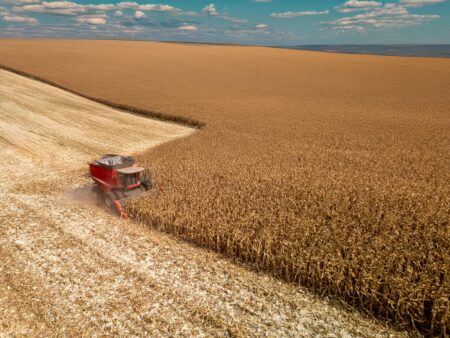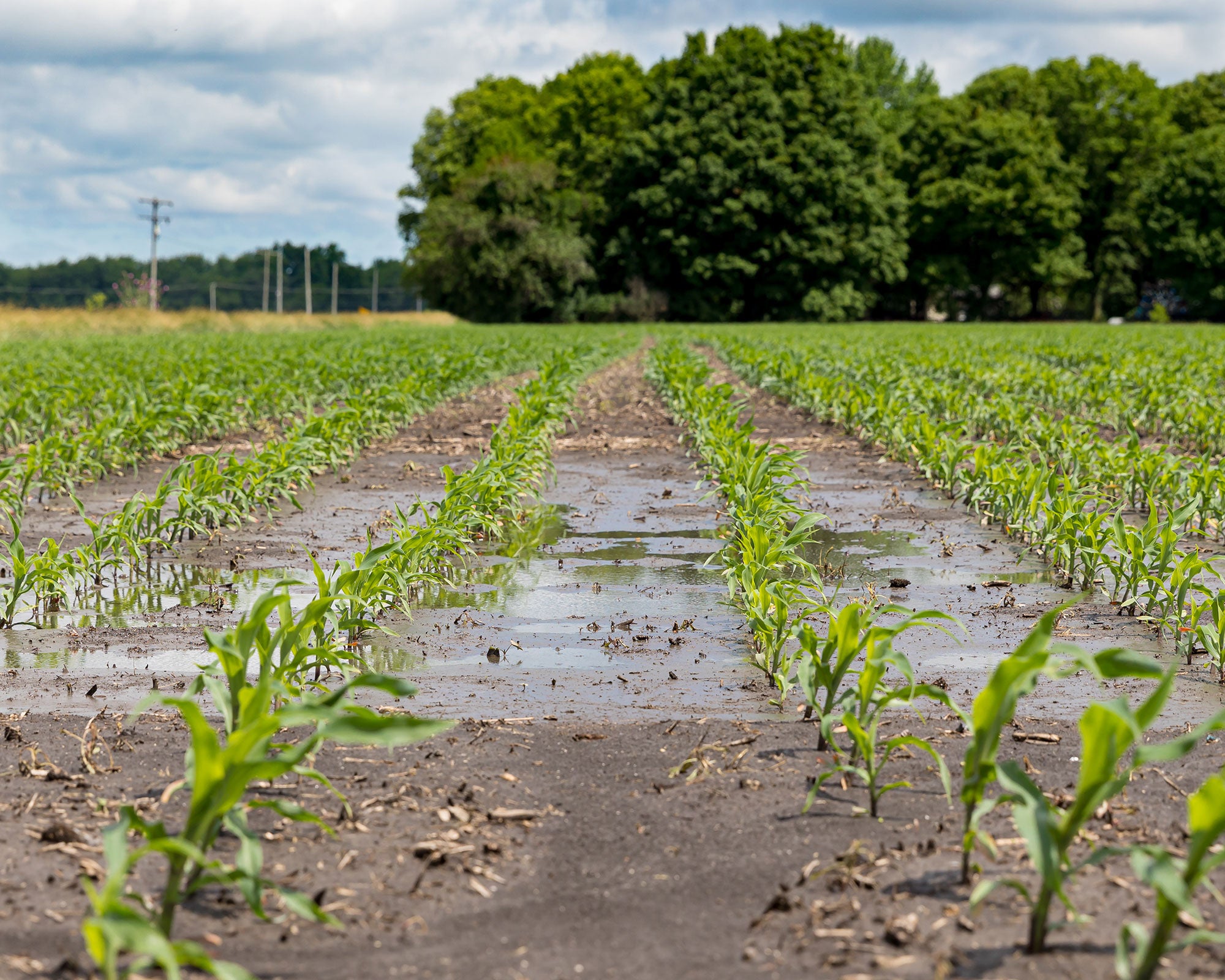





The United States was hit with numerous multi-billion dollar extreme weather events in 2025, and many of them took harsh tolls on the agricultural sector. In its year-end recap, AccuWeather says seven of the worst disasters this year — most notably floods in the central U.S. and Texas Hill Country — resulted in $378 billion to $424 billion in total damage and economic.
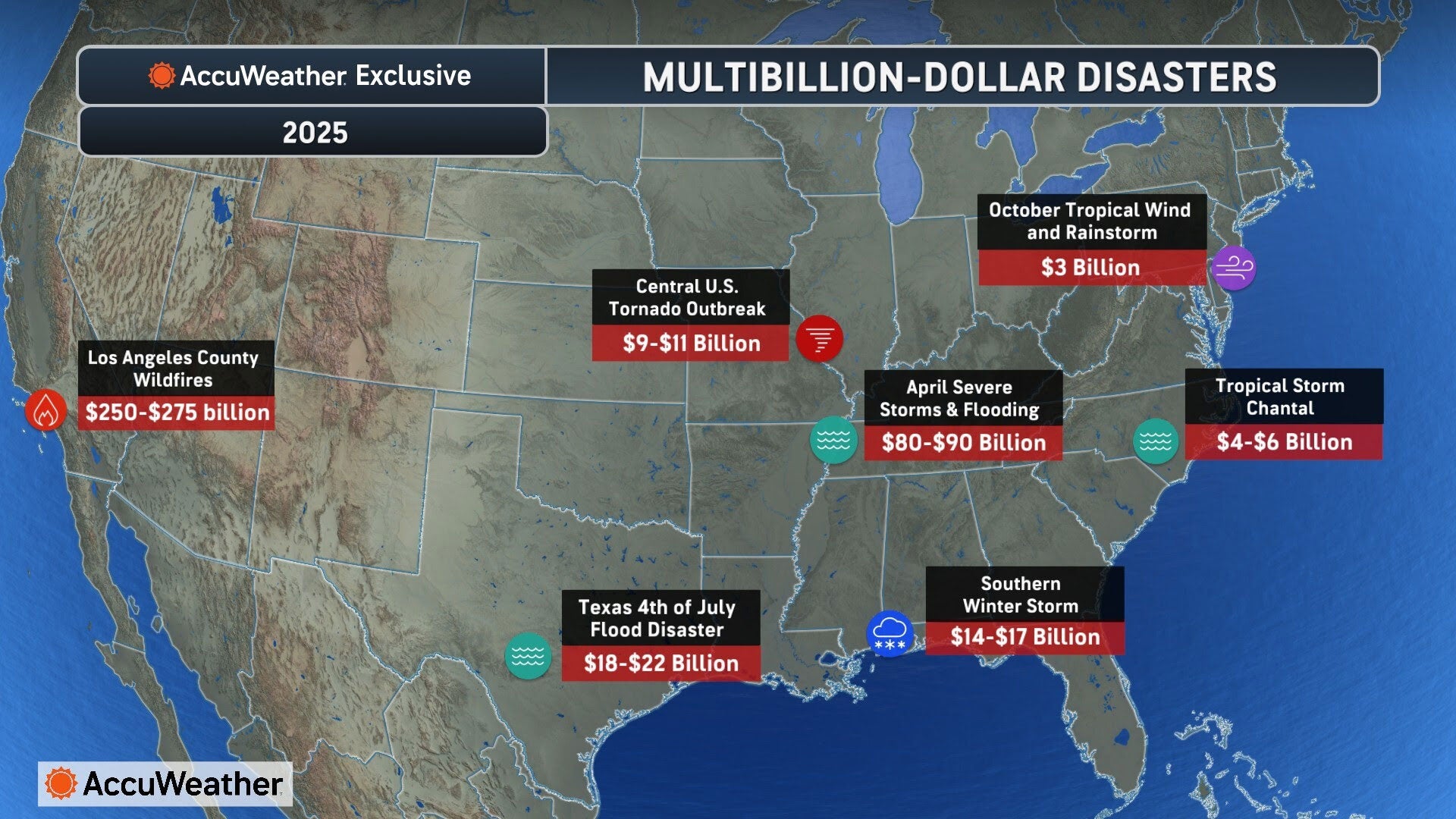
One of the big ones that impacted farmers and ranchers was a historic winter storm blast through the Gulf Coast in January. It ushered in snow and ice to parts of the southern U.S. that are traditionally unprepared for wintry weather.
We even met one farmer, Tracy Galloway from Mississippi, who lost more than $17,000 of equipment and crops because of that storm. The third-generation farmer and U.S. Army veteran grows seasonal vegetables, raises poultry, and provides youth education and garden therapy services. His said his irrigation system, greenhouse, and soil amendments needed attention due to damage.
“We had three consecutive days of 24-degree weather, which is unheard of down here. Pipes burst, our well was affected, our greenhouse, stuff like that,” Galloway explained. “It was heartbreaking, but ‘We’re farmers, so pull up your big boy coveralls and get back to work,’ ” he said.
Other growers’ specialty crops were hit hard. Strawberry producers in Alabama, Florida and Georgia felt the sting, while producers braced for the the impact to leafy greens (like kale, collards, turnips, and mustard), which were in the field and vulnerable to the multiple nights of sub-freezing temperatures.
New all-time total snowfall records were set in several areas, such as New Orleans; Mobile, Alabama; and Pensacola, Florida.
“This is a once-in-a-lifetime event for a lot of these folks down there,” AccuWeather Senior Meteorologist Tom Kines said.
The South was again hit hard in April, when more than a foot of rain fell on some regions, flooding about 31 percent of the nearly 840,000 acres reportedly planted as of April 7. The National Weather Service labeled it “generational” flooding, and the University of Arkansas System Division of Agriculture gave a “conservative” estimate of $78.9 million in damage.
Just a few months later, in June, the U.S. confirmed its first E5 tornado since 2013 — that designates a twister with over 200 mph winds. Three people were reportedly killed in the June 20 storm, which actually spawned about a dozen tornados. Multiple farmhouses, grain-handling systems, grain bins, equipment, buildings, fields, irrigation systems, and power lines were damaged, according to Dakota Farmer. Tens of thousands of homes also were without power.
“It is a significant part of North Dakota history, being one of three tornadoes now officially being rated as F5 or EF5,” said Tyler Thomas, a National Weather Service meteorologist in Grand Forks.
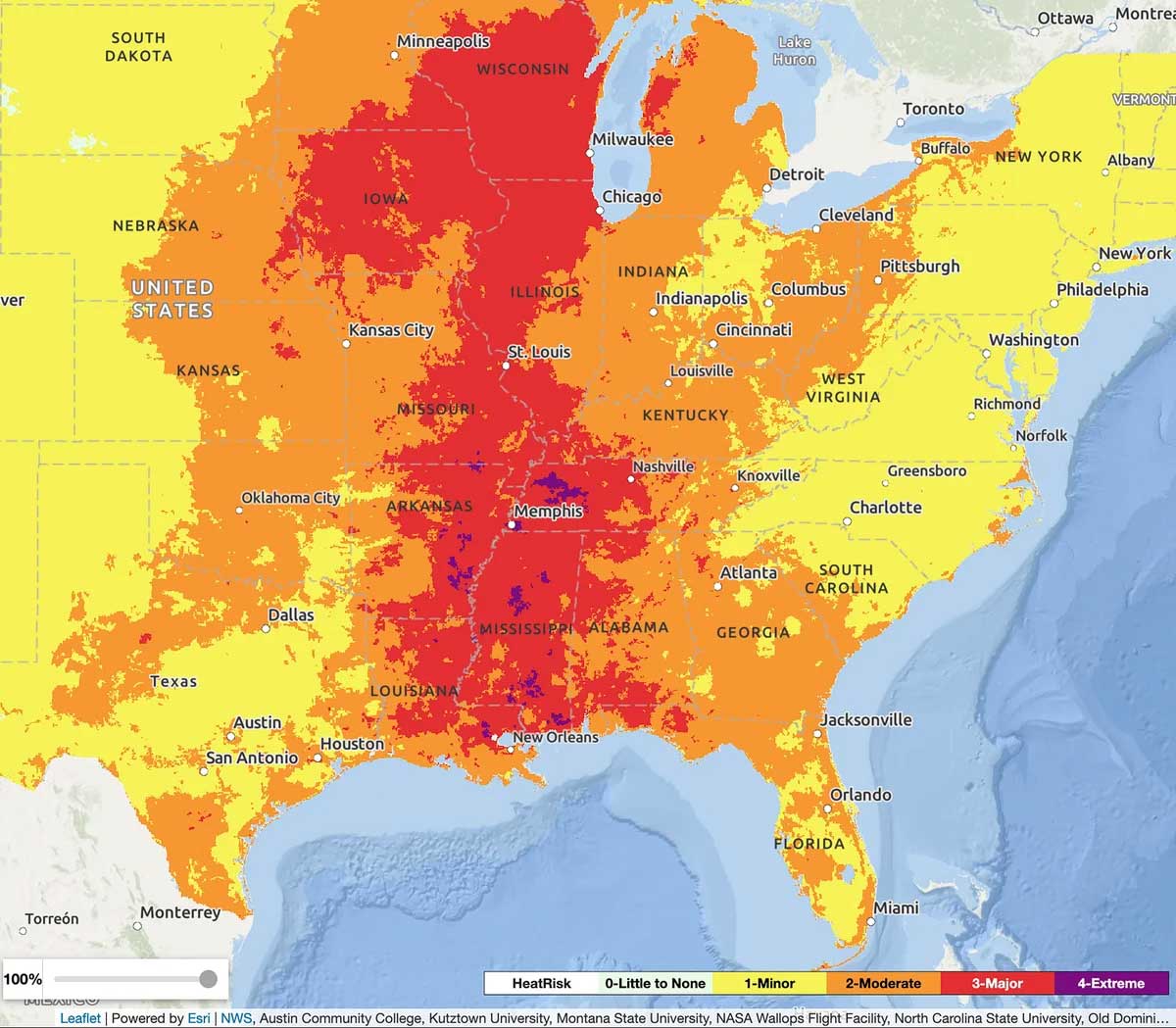
A month later, a powerful heat wave brought record high temperatures from the Rockies to New England, and from June 19 to 25, more than 3,000 daily record highs were set.
Amid all of this, probably the most memorable of the year’s major weather events was the torrential rainfall in Texas Hill Country over the Independence Day weekend, triggering deadly flash floods that swept through campsites along the Guadeloupe River. At least 135 people were killed, with 117 of them in Kerr County, where Camp Mystic saw 27 confirmed fatalities and six others. Most at the camp were children.
A river gauge on the Guadalupe near Hunt, Texas, rose nearly 30 feet in six hours, peaking at a record level of 37.52 feet. AccuWeather experts estimate the total damage and economic loss from the Texas Hill Country flash flood disaster at $18 billion to $22 billion.
Texas Ag Commissioner Sid Miller said the extreme weather resulted in the catastrophic losses to agriculture, noting livestock found in the tops of trees and the loss of hundreds of miles of fencing, as well as buildings and structures.
While major impacts from weather events is nothing new — and as recently as 2023, the United States experienced 28 distinct weather or climate events that each resulted in at least $1 billion worth of damage — the numbers from 2025 are staggering. The urgency for agriculture is less about who to blame and more about how to cope.