







The U.S. Environmental Protection Agency has reapproved dicamba herbicides for over-the-top use on dicamba-tolerant cotton and soybean crops, announcing a two-season registration accompanied by what the agency describes as its strongest restrictions to date.
The decision allows continued use of the herbicide despite years of contentiousness surrounding dicamba’s tendency to drift off target and damage neighboring crops, trees, and native plants. EPA officials said the new approval reflects updated science, farmer input, and additional safeguards designed to address concerns raised by courts, environmental groups, and growers.
Dicamba has been widely used by cotton and soybean producers to combat herbicide-resistant weeds, particularly Palmer amaranth, which can spread rapidly and significantly reduce yields. Farmer groups have argued that without access to dicamba during the growing season, many operations face limited weed-control options and increased economic risk.
Previous registrations were struck down by federal courts after judges found EPA failed to adequately consider environmental harm and off-target impacts. EPA acknowledged those concerns and said the updated label requirements directly target the conditions that historically led to drift and volatility issues.
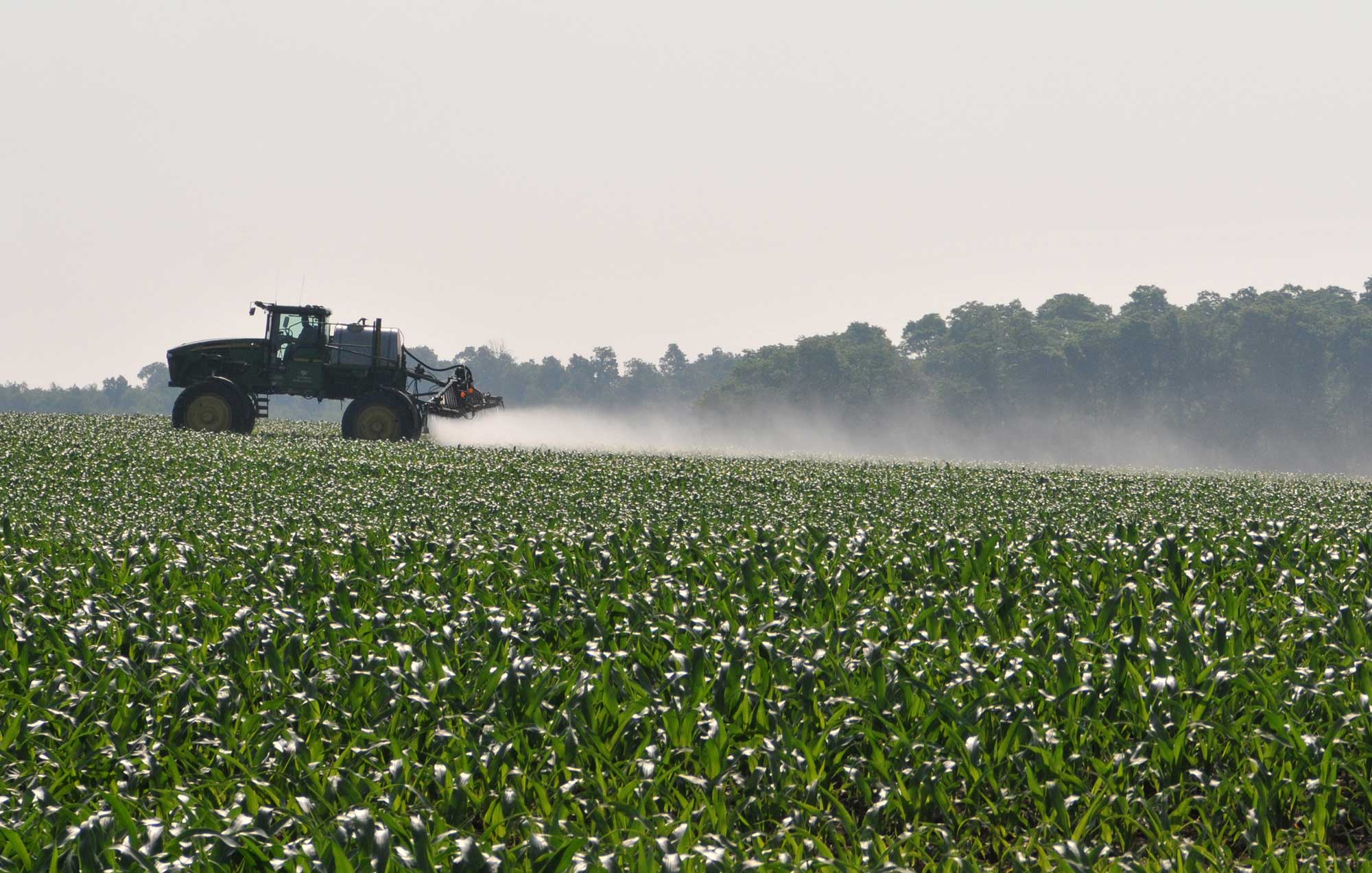
Under the new registration, annual application rates are cut in half, volatility reduction agent requirements are doubled, and applications are restricted or prohibited during high-temperature conditions that increase drift risk. Additional conservation practices are required to protect endangered species, and applicators must follow strict timing, wind speed, buffer, and equipment requirements.
The EPA is retaining dicamba’s Restricted Use Pesticide status, meaning only certified applicators who complete annual training may apply the product. Aerial application remains prohibited, and applicators are subject to enforcement and penalties if label requirements are not followed.
The approval is time-limited and applies only to the 2026 and 2027 growing seasons. The EPA said it will closely monitor real-world data, including drift complaints and environmental impacts, and will revisit the registration before any future approvals are considered.
EPA officials said the decision aims to balance environmental protection with farmers’ need for effective weed-management tools, emphasizing that compliance with the new restrictions is mandatory and enforceable under federal law.