






DAILY Bites
-
U.S. Solicitor General doesn’t think states should second-guess federal scientific findings
-
Bayer faces over 67,000 lawsuits that claim Roundup can increase cancer risk
-
The EPA says glyphosate is “not likely to be carcinogenic to humans.”
DAILY Discussion
With Bayer AG still facing billions of dollars in lawsuit damages related to the weedkiller Roundup, U.S. Solicitor General John Sauer affirmed late Monday that Bayer was correct that federal law preempts lawsuits that make claims about pesticide products under state law. This move bolsters Bayer’s legal position moving forward and makes it more likely that the U.S. Supreme Court will review one of the cornerstone cases related to Roundup.
Earlier this year in Missouri, a jury awarded $1.25 million to plaintiff John Durnell, who claimed that Roundup was responsible for his non-Hodgkin’s lymphoma. Roundup was created by Monsanto, which was acquired by Bayer in 2018. The active ingredient in Roundup is glyphosate, and plaintiffs believe that it has played a major role in increasing cancer risks.
Bayer is facing more than 67,000 such lawsuits in U.S. state and federal courts because of that. The cases are overwhelmingly based on claims grounded in failure-to-warn theories. The U.S. Environmental Protection Agency and every other regulator worldwide that has independently assessed the safety of glyphosate has concluded it can be used safely.
Sauer argued that upholding the lower court’s decision would allow juries to second guess the science-based judgments of the EPA, which has said that glyphosate is “not likely to be carcinogenic to humans.”
“The agency has repeatedly approved Roundup labels that did not contain cancer warnings,” Sauer said in his amicus brief to the Supreme Court. “Where, as here, EPA has specified the health warnings that should appear on a particular pesticide’s label, a manufacturer should not be left subject” to states each prescribing different labeling requirements.
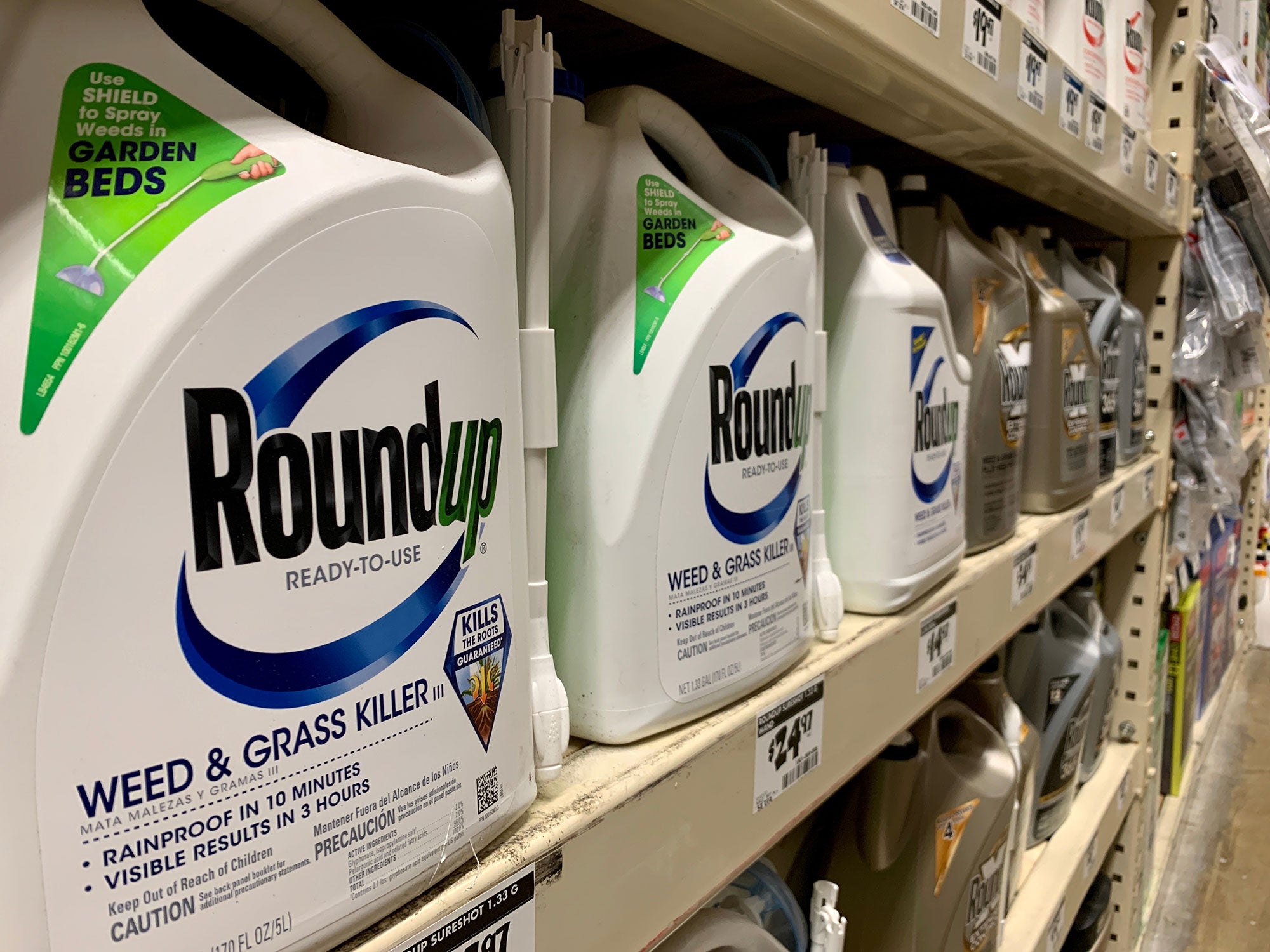
Bayer believes that the backing of the Trump administration will be important to the high court’s consideration of its petition. The split among federal circuit courts in the Roundup personal injury litigation, on the cross-cutting question of whether federal law preempts state claims based on failure-to-warn theories, warrants review and resolution by the country’s top court, the company said.
Similar preemption language to the Federal Insecticide, Fungicide, and Rodenticide Act (FIFRA) is included in other federal statutes such as those regulating medical devices, poultry products, meat, and motor vehicles.
The hope for Bayer is to contain the Roundup litigation by the end of 2026.
“The stakes could not be higher as the misapplication of federal law jeopardizes the availability of innovative tools for farmers and investments in the broader U.S. economy,” Bayer AG CEO Bill Anderson said in a statement.
Officially, Bayer is seeking a writ of certiorari, which orders a lower court (in this case, the Missouri Court of Appeals) to deliver its record in a case so that the higher court may review it.
“It is time for the U.S. legal system to establish that companies cannot be punished under state laws for complying with federal label requirements,” Bayer has argued.