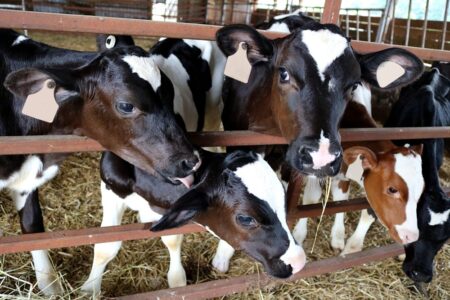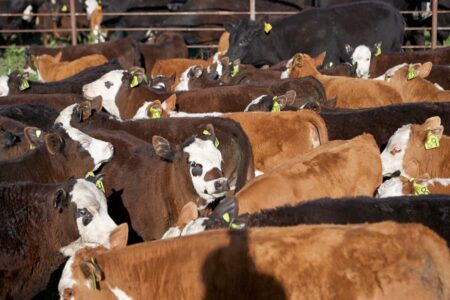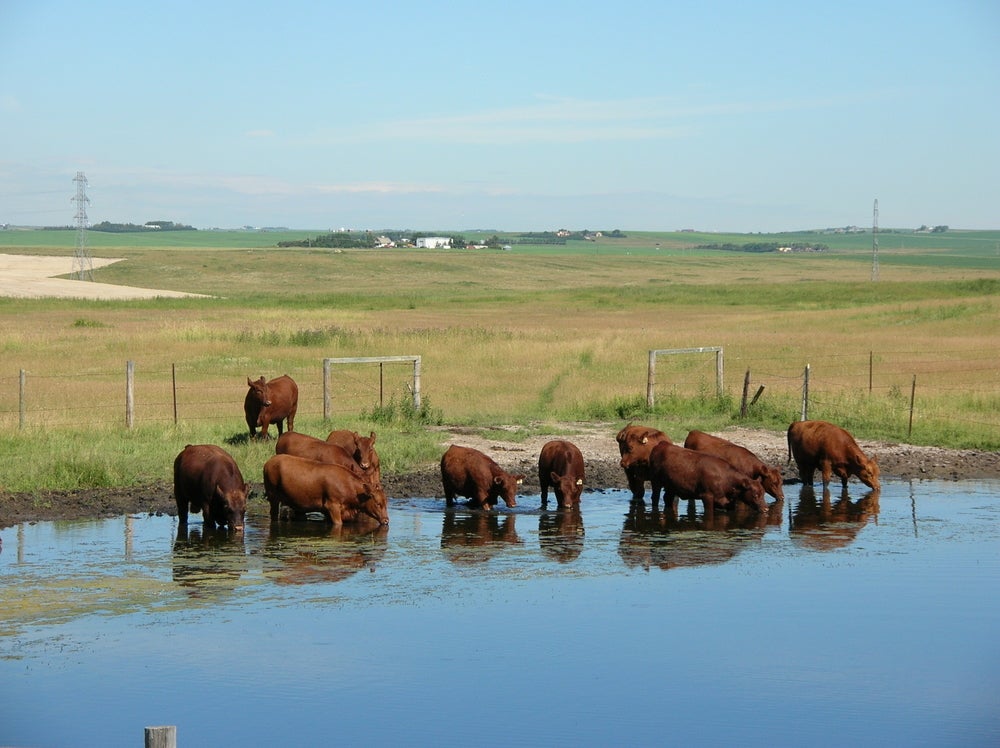





With the U.S. cattle herd at its smallest size since the early 1950s, Texas Agriculture Commissioner Sid Miller is calling for a federal tax credit aimed at encouraging producers to retain heifers and begin rebuilding the nation’s shrinking cattle supply.
Miller’s comments follow the U.S. Department of Agriculture’s latest Cattle report, which pegged the national herd at 86.2 million head as of Jan. 1, 2026 — a level widely described as the lowest in 75 years. The report showed continued declines in beef cows, calf crop totals, and cattle on feed, underscoring how slow and uneven any broad-based expansion remains.
“The way we lower beef prices and restore affordability is by putting American beef first, and that starts with rebuilding our cattle herd,” Miller said in a statement released Tuesday by the Texas Department of Agriculture. “I’m calling for a Heifer Retention Tax Credit, modeled after the Child Tax Credit, that would allow cow-calf operators to receive a tax credit for retaining heifers and expanding their herds.”
Under Miller’s proposal, cow-calf producers who choose to hold back replacement heifers rather than sell them into a strong market would receive a federal tax credit designed to offset the short-term financial tradeoff of expansion.
The idea comes as producers face historically tight supplies alongside elevated cattle prices, a combination that has made herd rebuilding a difficult decision despite long-term signals pointing toward the need for expansion. USDA data showed beef cows down 1 percent year-over-year and the 2025 calf crop smaller than the prior year, keeping feeder cattle supplies constrained.
“This policy would be the most direct way to help rebuild our national herd, increase beef production, and ultimately bring relief to American families at the grocery store,” Miller said.
While the USDA report did show a modest increase in beef replacement heifers, broader indicators suggest most producers remain cautious. Limited forage in some regions, rising input costs, and uncertainty around future market conditions have tempered expansion plans even as demand for beef remains strong.
Miller framed the issue as one requiring immediate action, urging Congress to consider a heifer retention credit as part of the next Farm Bill.
“This needs to be treated like the crisis it is,” he said. “Chief among the solutions should be creating a federal tax credit to rebuild the U.S. cattle herd. Congress has a key opportunity in the next Farm Bill to send a clear message that America has our producers’ backs.”
Economists have long noted that rebuilding the cattle herd is a multi-year process, meaning decisions made in 2026 may not translate into larger beef supplies until later in the decade. Even so, policy tools that reduce risk for cow-calf operators could influence whether more producers choose to retain heifers this year.
“We need to treat American beef like the precious, life-giving resource it is,” Miller added, “and do everything we can to promote a strong supply, fueled by our great beef producers.”