



For American agriculture, trade is not just policy; it’s an economic necessity.
U.S. farmers, ranchers, and workers in the agriculture supply chain depend on global markets to stay competitive, grow their operations, and support millions of jobs across America’s heartland. Approximately 20 percent of all U.S. agriculture production is exported each year, making access to international agriculture markets a cornerstone of economic health.
Despite these facts, for decades, U.S. agriculture has endured the consequences of unresolved trade disputes and market distortions. Today, thanks to the courage and conviction of President Donald Trump and others in the Trump Administration, those longstanding challenges are being confronted head-on. This administration has also created the leverage needed to deal with tariff and non-tariff barriers, which have chronically frustrated American industries.
These negotiations promise to reset trade relations and set the stage for new long-term wins. President Trump’s U.S.-Mexico-Canada Agreement (USMCA) is a model; it is America’s gold standard trade agreement that rightly received overwhelming bipartisan support from Congress. During a recent trip to Mexico, I heard strong statements of support for the agreement directly from government and industry leaders in the country. USMCA is more than a vital economic engine — it’s a tremendous policy success from President Trump’s first term in office.
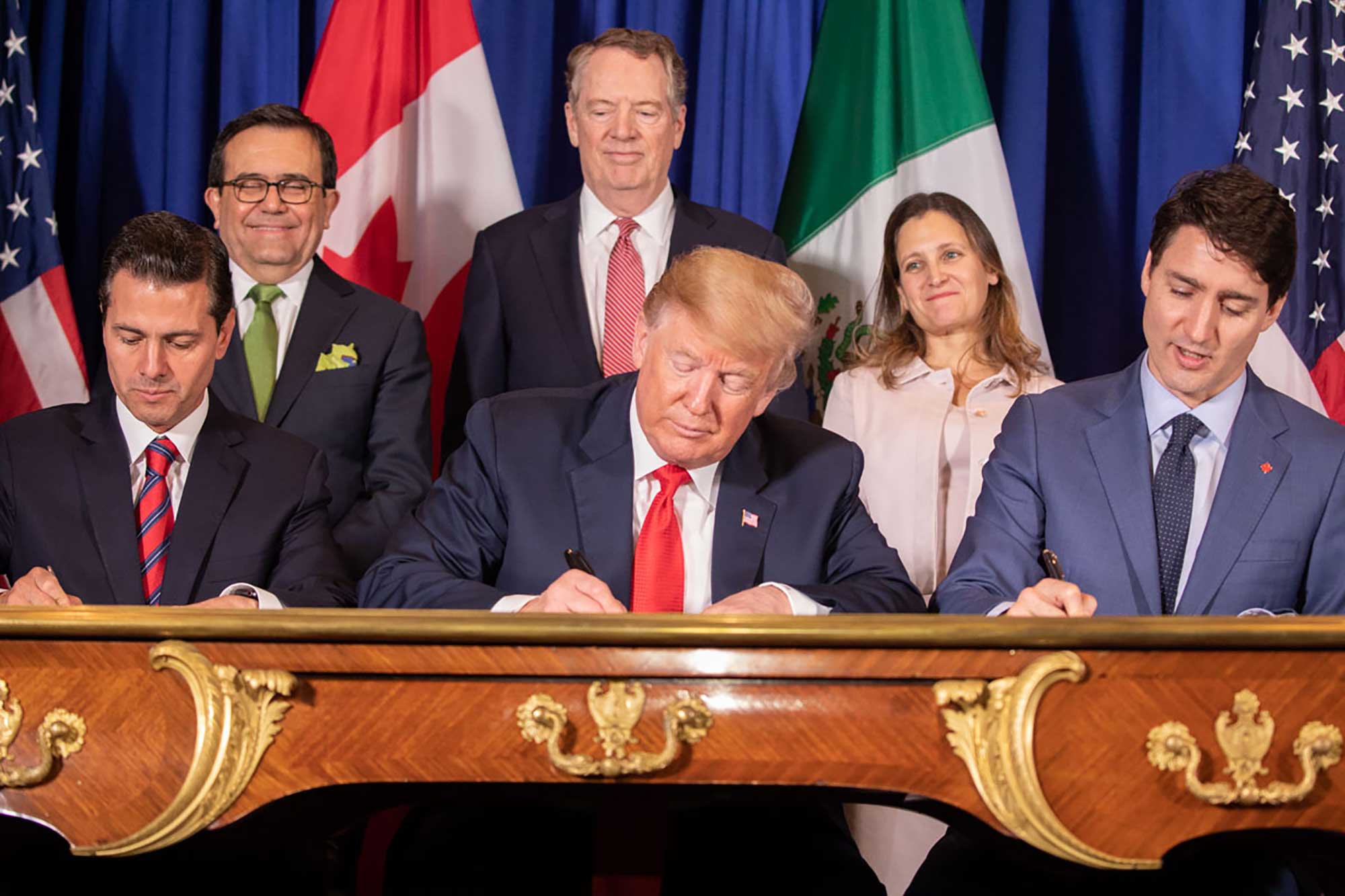
But that agreement is the only free trade agreement the U.S. has signed since 2007. While the United States has been on the sidelines, major trade competitors, particularly China (now the world’s largest trading partner), have raced ahead to out-maneuver the U.S. in trade relationships and economic influence.
Some realities will not change. America’s farmers and ranchers produce far more than our domestic market can absorb. That surplus is not a liability, it is an advantage, because it gives us an extremely robust food supply chain. But capitalizing on that advantage depends on open and predictable access to international markets. In recent years, competitors in other countries have been taking sales from U.S. farmers in markets where traditionally we had built a strong position over decades. We must push back.
Surging high-value imports and competition for our export markets have caused a worsening agriculture trade deficit, putting American farmers in an untenable position even as they continue to lead the world in productivity. President Trump, Agriculture Secretary Brooke Rollins, and others have made it clear they want to help American producers in this difficult time.
For America’s food and agriculture industries, three imperatives stand out.
- First, regional markets and close economic partnerships with our political and economic allies are essential. Strong regional ties secure food supplies and sustain our industry’s economic resilience. Thanks to USMCA, North America is the world’s most food secure region.
- Second, as the global economy shifts, the United States must deepen engagement with fast-growing markets in Asia and Africa, where demand for safe, affordable food is rising rapidly. We must push for transparent, science-based standards in every negotiation, and confront non-tariff barriers that distort markets or disadvantage U.S. exporters.
- Third, America must exercise global leadership. We must ensure export opportunities remain open and that international trade rules are predictable and fair. Strong economic relationships should go beyond one-time signatures; they must also include robust enforcement of the deals reached after thorough negotiations. Disputes will arise. The United States should lead the way in requiring compliance and enforcing every deal on the books. That is the only way to guarantee U.S. farmers and ranchers can compete on a level playing field.
Trade is not a partisan issue — it’s a national imperative. This administration deserves praise for courageously moving to correct mistakes in past trade policy and confront new challenges presented by unfair practices of non-market economies. Now, we must use that leverage wisely to build a stronger, more secure, and more prosperous trade policy.
John Bode is president and CEO of the Corn Refiners Association, the trade association representing the American corn milling industry, and chair of the Agricultural Policy Advisory Committee, which advises the Department of Agriculture and U.S. Trade Representative on trade policy.