




You can pry cookie dough out of my cold, dead hands. I ignore every warning label regarding consuming raw, undercooked eggs like I ignore the various indicator lights on my car’s dashboard.
I’ll admit, this isn’t because I don’t believe there’s a risk — it’s really as simple as, “I’ve eaten it all my life and never had an issue.”
Yet this stubborn, probably witless ideology isn’t something that should be encouraged; there are gobs of memes that reinforce the belief that enjoying a chunk of cookie dough should be guilt-free.
So, why is it that when someone consuming raw milk discusses their opinions on this controversial food item, we immediately go for the attack?
I am not a raw milk advocate, and I tend to lean more toward conventional agricultural practices. I’m ironically very picky about food (you won’t like how I prefer my steak), and despite my strong convictions regarding cookie dough, I won’t be jumping on the raw milk trend anytime soon.
However, as with so many food choices, my belief is that the agricultural and food industries aren’t battling fact versus misinformation — the war is with people’s psychology.
Cookie dough may not be as comparable to raw milk in this exact conversation, but when you separate the fact that I fully believe the benefits of consuming cookie dough (temporary joy and satisfying a cookie monster-like craving) far outweigh the risks of undercooked eggs, you might be a little closer to seeing the perspective of a raw-milk consumer.
I think it all comes down to personal choice, a freedom to make that choice, a whole lot of fear (on either side), and a little bit of ego.
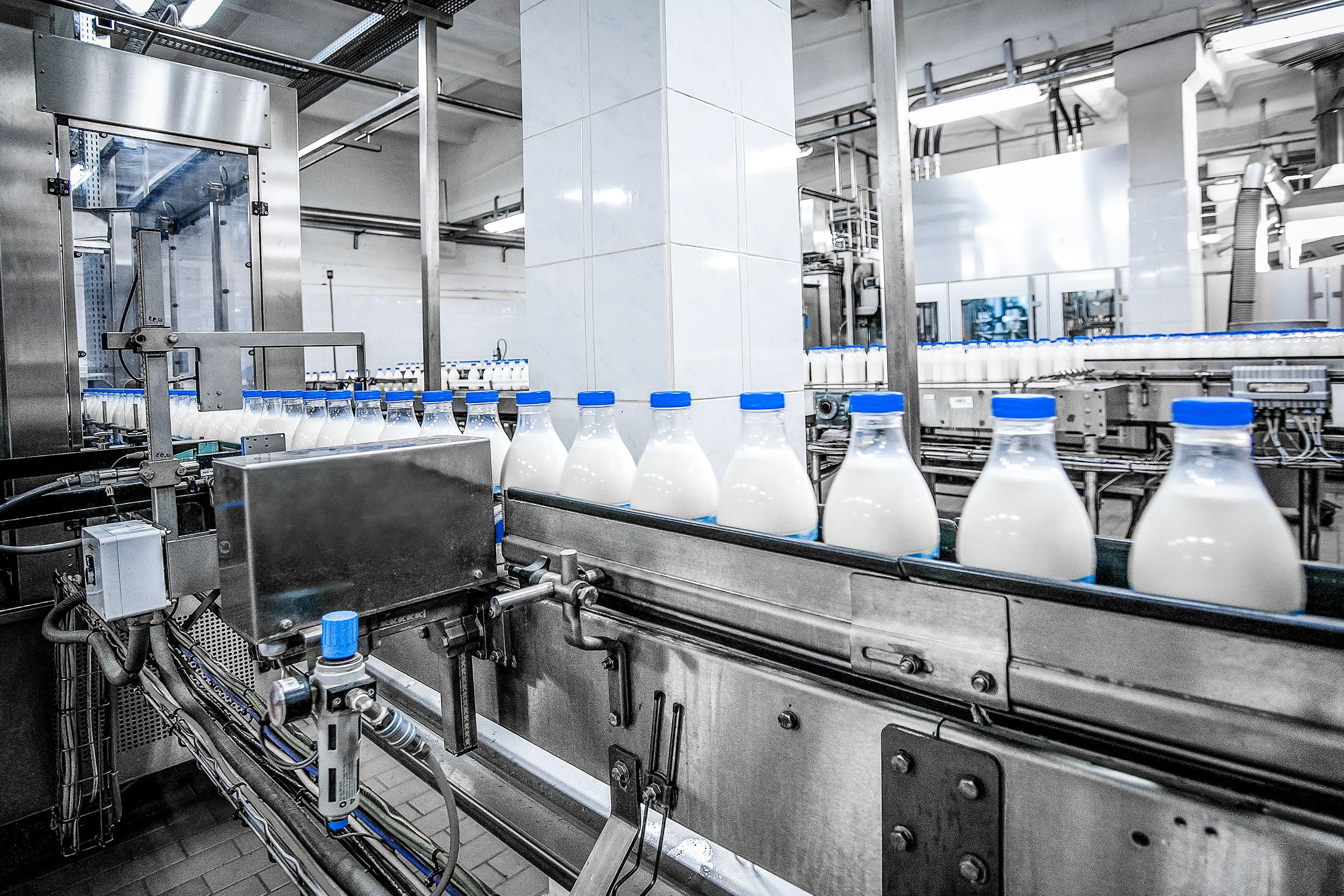
I recently learned of The Raw Milk Institute. So, I explored the page and found some notable viewpoints, one of which I didn’t previously consider as a reason people consume raw milk. The site posited that milk intended for pasteurization means the dairy isn’t employing good animal welfare practices.
The blog post states: “Such milk is being produced in conditions where animal health is often compromised and mastitis (udder infection) is common. Antibiotics are often utilized in these herds, and hormones are used to stimulate higher levels of milk production. The animals are housed in an abundance of manure, and there is a corresponding high rate of pathogens.”
Immediately, this is a red flag, as many dairy producers (TDF Honest Farming and Iowa Dairy Farmer are a couple of social media voices to follow) and industry members can speak directly to the nuance of this misinformation.
This is where psychology plays into the decision to consume raw milk; an increasingly growing amount of consumers want to know their food choices are humane. So, when a seemingly trustworthy organization promotes raw milk by claiming that conventional milk is bad for cows, no amount of facts or figures about health risks may change that person’s mind.
Which brings me to the fear aspect of choosing to consume or not consume raw milk. Some food scientists and other social media personalities share that consuming raw milk is dangerous, increasing hospitalizations by 13 times higher than that of those who drink pasteurized milk. Tuberculosis, brucellosis, scarlet fever, and diphtheria are only some of the bacteria raw milk can carry, which isn’t something I prefer to mess with. But the pro-raw-milk argument against these concerns is that pasteurization is only necessary when animal welfare isn’t practiced and there is poor handling of milk. The argument continues by claiming that anything from small, local farms is healthier and safer.
I want to stop here and reiterate that I don’t agree with this belief, I’m just trying to get my mind into a perspective I don’t share, in order to understand the hype and trend.
A lot of “influencing” also seems targeted towards mothers, and as one myself, this is marketing I dislike. It feeds on the fear of being a bad parent, and harming our children.
The Raw Milk Institute, for example, has a chart comparing the similarities of breast milk to raw cow’s milk and how “both are completely natural, fresh, and unprocessed milks. They both contain a wide variety of essential nutrients, fats, proteins, anti-inflammatory and digestive enzymes, bioavailable vitamins, and minerals, all in a natural form which is most easily utilized by the body.”
But, there isn’t much scientific data that agrees fully with this statement; specifically about it being most easily utilized by the body. To me, it’s a sneaky way of getting into the minds of vulnerable consumers and pushing an agenda by taking a subject almost sacred to moms (breastmilk) and comparing it to a totally different kind of food product just to try and relate to a target audience.
This can play into the ego aspect, too. We all tend to want to treat our bodies like temples, and we want to consume the best products in order to achieve this. When we see influencers who look like woodland fairies with luscious hair and perfect skin and a bunch of well-behaved kids post about how healthy their whole family is because of this easy dietary change, we want to emulate this too, and we don’t want our aspirations crushed because of risks we aren’t fully concerned with — especially if it’s a perspective turned into a politically partisan take, i.e., aligning with Health and Human Services Secretary RFK Jr.
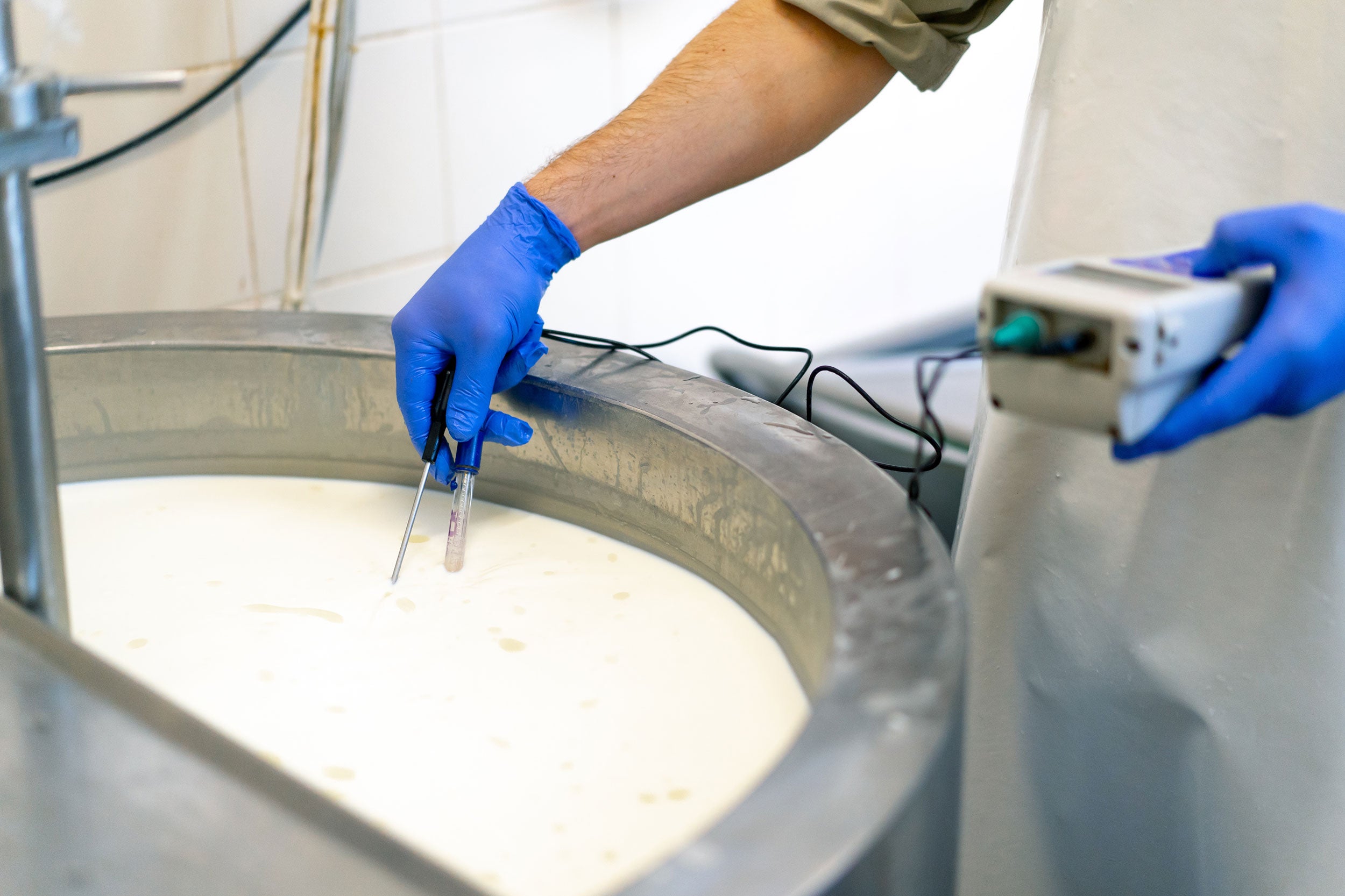
What my thought process boils down to is the fact that having the freedom to choose, and a wide selection of choices to be able to choose from, is what is so great about this whole debate. If I want to consume raw milk, I can. The Texas Ag Commissioner stated it well: “Just because it’s risky doesn’t mean the option should be removed from the people either. I believe in personal choice and the freedom to decide what’s best for you and your family.”
However, there are a lot — and I do mean a lot — of hot takes online about the benefits of raw milk. Just do a quick social media search for raw milk and you’ll find random natural wellness influencers stating things such as “raw milk will help rebuild the immune system” (spoiler alert, there is no scientific evidence of this), and then she’ll go on to describe how her husband is currently going through a stem cell transplant and will literally have to rebuild his immunity from scratch. Research out of places such as Stanford Medical hasn’t once suggested raw milk to be a fix-all.
But, I get it, a lot of people who prefer raw milk don’t always align with what major medical and public health organizations suggest, so again, I can’t use my own reasoning with anyone who strongly feels that getting back to “more natural” forms of foods is what’s best for allergies, gut health, and our immunities. So many people whole-heartedly believe it has been “magical” (a term I saw an influencer use about consuming raw milk) and safe.
Raw milk feels like the most hot-button topic since the height of the anti-GMO movement. These kinds of food trends get intensely debated when people begin to hyper-focus on the extremes of an argument and don’t acknowledge the nuances that come with choosing what we put into our bodies.
The reality is that raw milk is not a fix-all, it shouldn’t really be relied upon as anything medicinal, and it should be consumed because you prefer it or maybe because it even just simply works for you. It shouldn’t, however, be something any random “influencer” can just type up a post about, throw in a lot of out-of-context information to their audience, and therefore be part of the ever-increasing issue of spreading misinformation.
Alternatively, telling people something is risky and they shouldn’t do that risky thing doesn’t resonate with a lot of humans. We shouldn’t smoke, we shouldn’t call in sick when we just went to the beach, we shouldn’t eat cookie dough … but a lot of people do. Our lives are full of taking risks, and unfortunately, sometimes that also means with our own health. It’s up to each individual to calculate the risks for themselves, and I encourage everyone to continue to question any data that is published, to read both sides of the argument, to branch out from their usual social media circles, and to try to recognize when something seems a little too good to be true or not nuanced enough.
For now, I’ll be enjoying my cookie dough with a tall glass of whole, pasteurized milk, and I cheers to those who choose differently.
Markie Hageman Jones majored in agribusiness at Fort Hays State University. She is actively involved in her state Cattlemen’s Association, Young Farmers chapter, and National Cattlemen’s Beef Association. Her AGDAILY.com articles can be found here.