

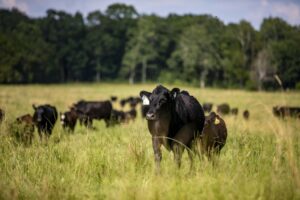



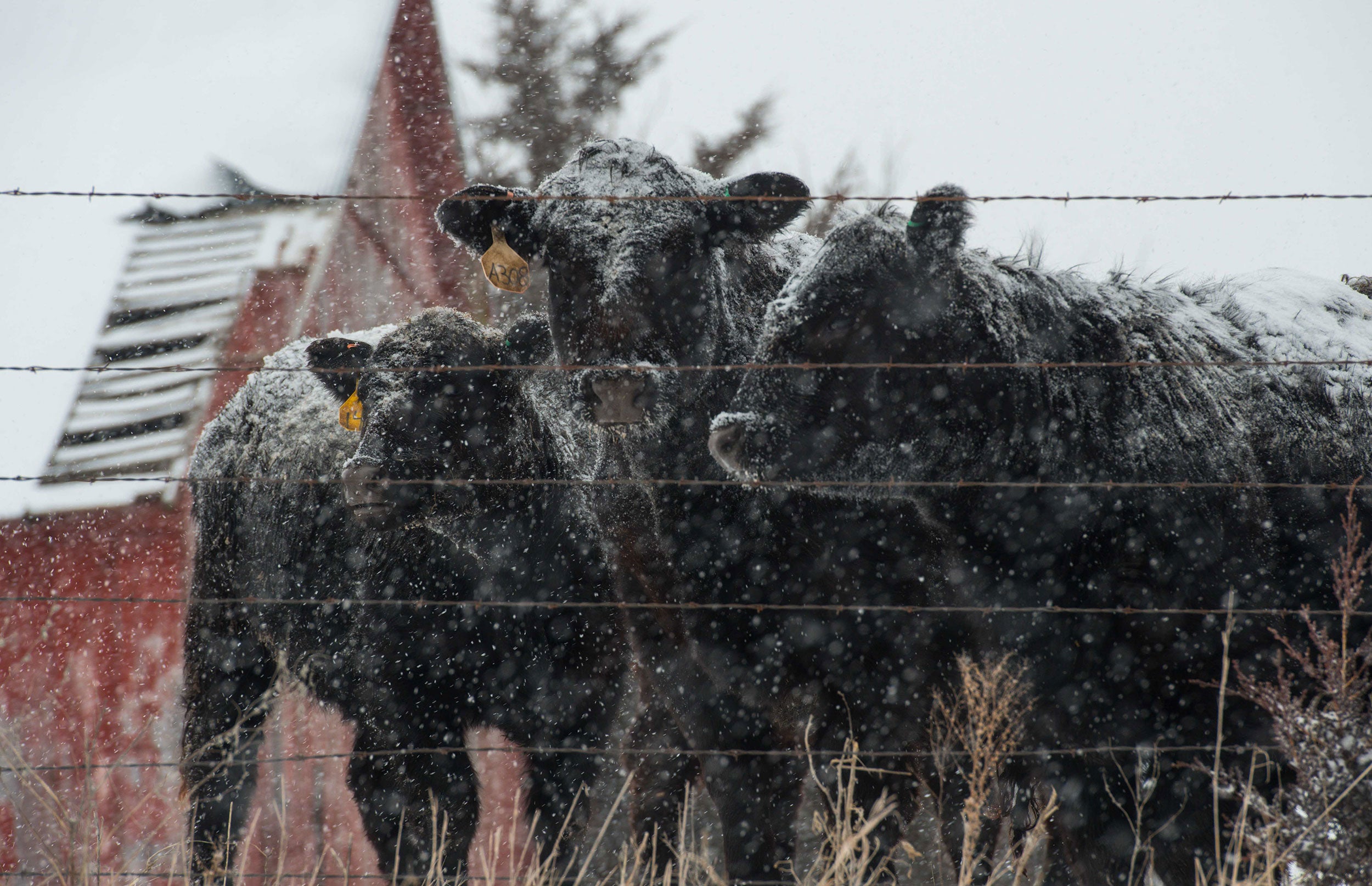
Early this week, Kevin Thompson, director of the Middle Tennessee AgResearch and Education Center, was readying the facility’s livestock for the potential of an extended cold spell with several inches of snow.
“The two big things we have to always think about is with the nutrition: the feed and the water,” Thompson said shortly after sorting his heifers that are close to calving into the comfort of a barn.
The buzz about a weekend snow storm has been unavoidable through social media, national news outlets, and even talk at the corner store. Wednesday afternoon at one gas station in rural Virginia, several customers were lined up filling 5-gallon cans with fuel … and then filling another, and another. Experts have been recommending to prepare for the worst: widespread power outages, ice-covered tree limbs snapping, difficulty providing for livestock, and almost impossible travel, especially in rural areas.
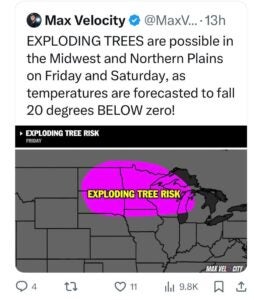
You also haven’t been imaging things if you’ve seen warnings about the potential for “exploding trees” in the Upper Midwest, where extreme cold (think negative digits) is hitting.
For the Plains and south-central U.S., this is shaping up to be the biggest snow storm of the 2025-26 season, with forecasting service boldly proclaiming Thursday afternoon that, “This Winter Storm Will Shut It All Down.”
Farms for hundreds of miles through the belly of the nation are sure to encounter difficulties.
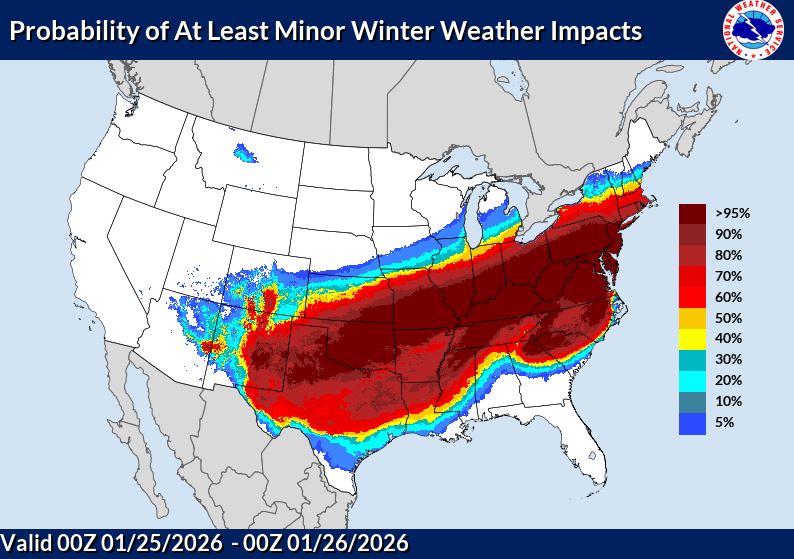
Over the past week, the National Weather Service and local meteorologists have been teasing the severity of this storm swinging through the middle of the United States, while also reaching into the the Mid-Atlantic and Northeast. A foot of snow, they had said, wasn’t just possible, but likely — a cause for concern through some of the more southern regions that don’t have the infrastructure or manpower to handle this kind of weather event.
As some of the more recent forecasts pull back on the snow totals and add sleet and freezing rain to the mix, numerous hazards to animals and equipment remain top of mind for farmers and ranchers.
“This storm is a rare, high-impact storm for the South,” said Jonathan Porter, chief meteorologist with AccuWeather. “Heavy ice accumulations followed by a deep freeze can lock in dangerous conditions long after the storm passes.”
A half-inch accumulation of ice, for example, can add 500 pounds of weight to a single span of power lines, and it can add 30 times the normal weight to a tree branch.
In Spring Hill, Tennessee, where Thompson is based, the forecast at the time of publishing this article shows two days next week having highs slightly above freezing, but other days only topping out in the 20s, while the lows hit 10 degrees or even single digits. It’s far from common in a place like Tennessee.
“Even if you have extended cold periods, we really start thinking about this long before the bad forecast, to make sure we have a source of water for our livestock, regardless of what scenario occurs,” Thompson said. “With cold weather, ponds freeze over, even creeks freeze over. It can be very hazardous on our livestock if they actually venture out onto it, breaking through the ice. So coming up with game plans ahead of that kind of thing is important. That includes making sure our water tanks are in good working order.”
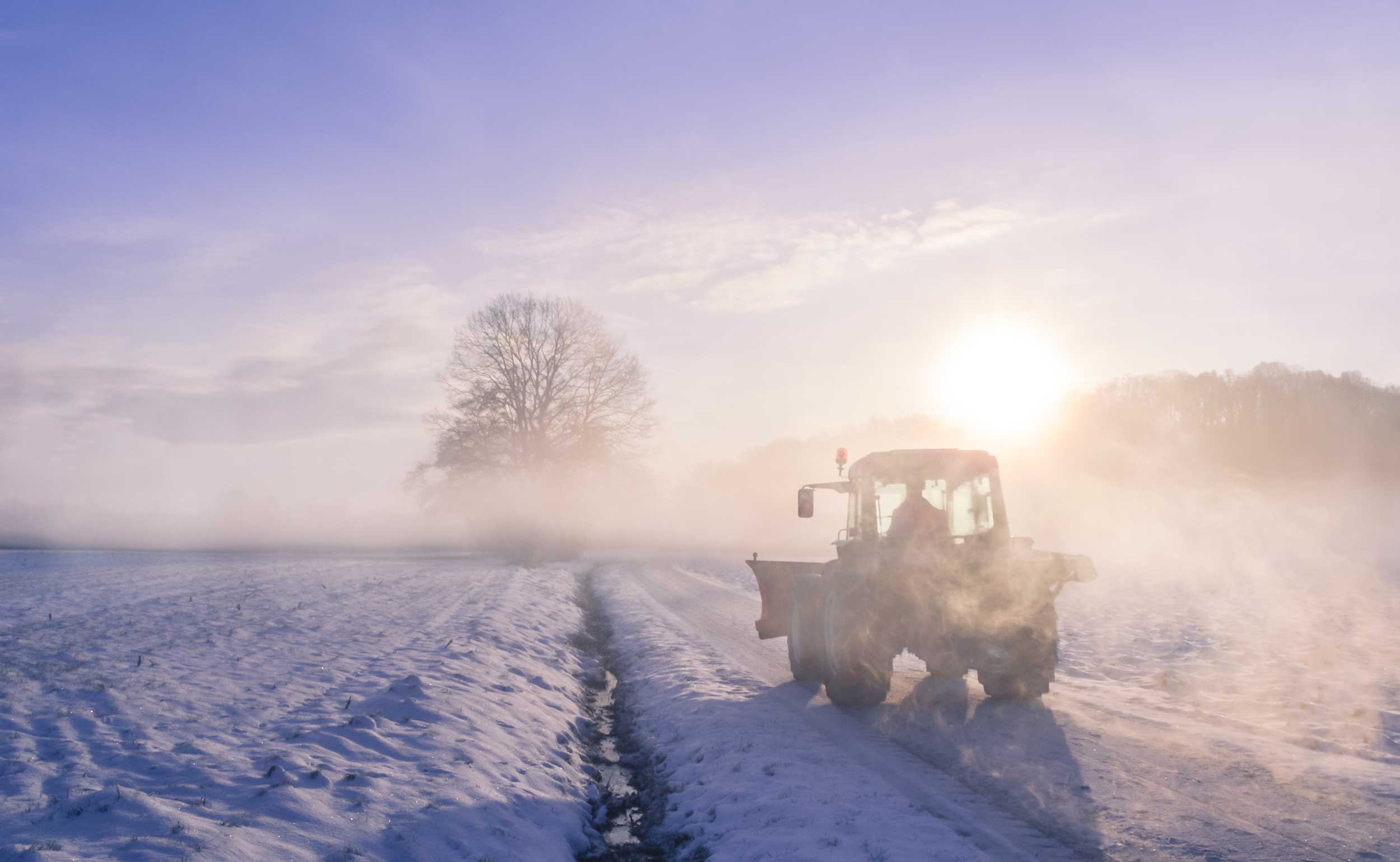
Supporting livestock in severe weather means having working equipment to best handle the situation. Thompson adds that his maintenance plan includes block heaters to help the engines warm up and diesel treatment so his fuel doesn’t gel. He also stages a week’s worth of hay near pasture fields to avoiding having to drive the tractors long distances on icy roads.
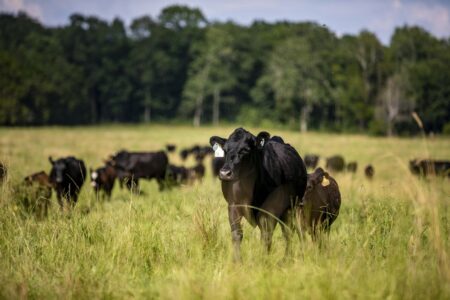
”Cattle can handle the cold well if they’re cared for properly and go into winter at an adequate body condition score,” Thompson said. But he added, “ With a forecast coming in Friday night of possible freezing rain and snow, and then below freezing temperatures for the next three days, our heifers — the first-time mothers — are actually at their most vulnerable stage this time of year. It’s stressful on them even in good weather. …
“ We want to give them every opportunity to be successful in attaching to their calf and letting that calf get up and nurse for the first time,” he said.
Erin Larimore, a livestock field specialist with Missouri Extension, offers these few recommendations for cattle in cold:
- Nutrient needs increase in cold weather because animals are trying to maintain body temperature, so have plenty of feed resources.
- If calving during this weather, consider unrolling hay or straw to provide some warmth for newborns or move cows close to calving to shelter.
- Check water tanks for freezing.
- Block airflow in trailers if having to haul livestock.
“The digestion process actually is heat fermentation. It provides a lot of heat for their body,” Thompson noted. “That’s why when you see cows out, they’re not as stressed as we always think they are, as long as we’ve got the water and the feed. And when we think about feed, the most important thing is a good quality hay that they can digest, that rumen is working and functioning. That’s going to provide them plenty of body heat.”
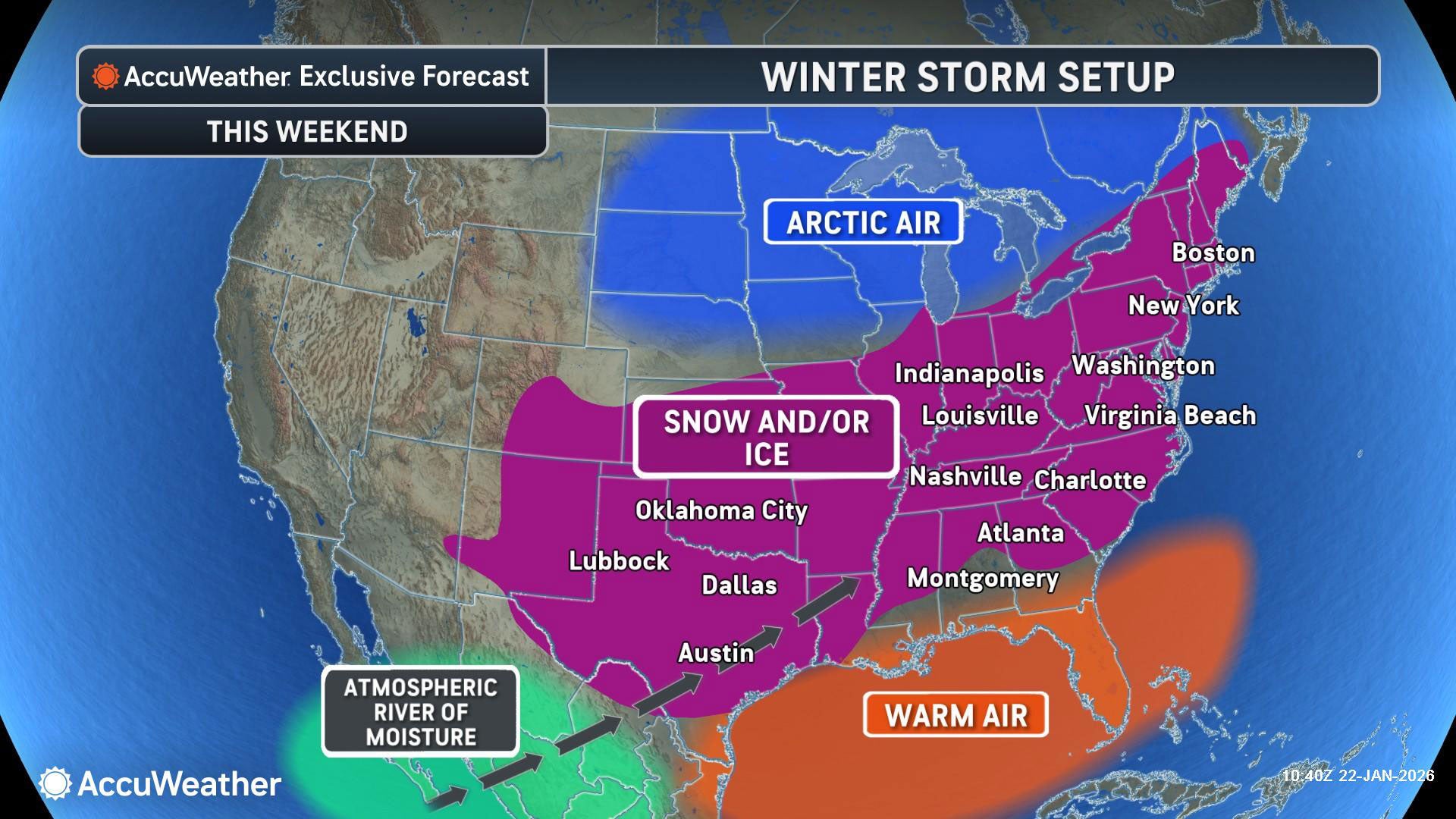
It is rare for a storm to combine this much snow, ice, and bitter cold over such a large area, AccuWeather notes. It anticipates that more than 200 million people will be affected.
One of the biggest threats will be from power outages, which could extend more than 1,100 miles across a span from Texas to the East Coast — with Arkansas, Oklahoma, Louisiana, Mississippi, Alabama, Georgia, Tennessee, South Carolina, and North Carolina especially vulnerable.
Although much of the focus has been on snow and ice across the Plains, Midwest, and Southeast, producers in the Southwest, including Texas, are also preparing for the ongoing cold snap.
Texas Gov. Greg Abbott activated state emergency response resources Thursday. And while livestock are hardy animals, those that come from this region — namely Texas, Oklahoma, and parts of Arkansas — are not accustomed to these kinds of temps, causing some officials to be worried. Plus, the possibility of hard freeze events can be especially impactful to this area’s livestock operations due to open-range management styles.
As elsewhere, extension specialists and farmers in the Southwest continue to emphasize the importance of preparation.
New Jersey’s Department of Agriculture has a list of key things to think about:
- Some cold and wet weather fronts may result in a 100 percent increase in energy requirements to help animals maintain normal body temperature and function. The nutritional needs of gestating livestock increase during cold temperatures.
- Increased time spent indoors will increase the amount of soiled bedding material needing removal. Keep bedding as dry and clean as possible in order to avoid increased ammonia fumes which can irritate the respiratory lining of livestock thereby increasing susceptibility to pneumonia causing bacteria and viruses.
- Extremities that become wet or are normally damp are particularly subject to frostbite and freezing during sub-zero weather. Livestock may lose or have damaged ears and/or tails. Male livestock may suffer cold damage to reproductive organs, which can impair fertility or the animal’s ability to breed.
- Small animals such as rabbits and poultry as well as very young and old livestock may need supplemental heat and/or protection. Monitor their status often.
Agriculture is one of the occupations at greatest risk of being affected by cold-related hazards despite being an outdoor occupation that functions irrespective of prevailing weather. Safety experts observe that different people cope with cold at different limits. Other factors such as wet clothing and exhaustion will contribute to increased risks.
Producers can support each other by checking in on neighbors, sharing resources when possible, and of course, taking extra precautions while working alone. Staying connected and cautious may be just as important as any piece of equipment on the farm.
According to Ohio State University Extension, the Centers for Disease Control and Prevention indicate that more deaths are attributed to cold exposure than to heat exposure, with an average of 1,300 fatalities per year caused by hypothermia or excessive cold.
“Producers need to take care of themselves too. Be careful, you don’t want to get hurt,” Thompson said. “You know, how many people wanna get out in a 10-degree day, in three feet of snow, or even in two and a half inches of ice? We do it because we love it. Watch you footing and salt down areas that are outside our barn so that you don’t slip and compromise your health. We want to be able to take care of our livestock.”
Extension specialists recommend that people working in cold weather be dressed in layered clothing, staying dry, covering extremities, having warming stops, and communicating where you will be working. Adequate hydration also needs consideration, despite the lack of desire for fluids due to cold weather.
Cold-related illnesses such as hypothermia, frostbite, and trench foot are all preventable, according to Ohio State experts, but can escalate quickly if early warning signs are ignored. Monitoring yourself and others for symptoms such as excessive shivering, confusion, numbness, or swelling can make a critical difference during prolonged cold exposure.
Oh, and about those exploding trees we mentioned earlier? Those words make for great headlines, but it’s not as sensational as it may seem. Sudden drops in temperature cause sap and moisture in trees to expand, which can lead to a sudden split, crack, or sheer of wood and bark, accompanied by a loud “boom!”