




Across Tribal Nations, education has long been a foundation for community strength, cultural continuity, and self-determination. Today, as Native students pursue careers connected to agriculture, natural resources, public service, and community development, the U.S. Department of Agriculture’s Tribal College Program offers essential support. The program opens pathways that help students grow academically, professionally, and personally while honoring the sovereignty and priorities of their communities. It represents a commitment to partnership that is grounded in respect for Tribal Nations and their role in shaping the future of agriculture.
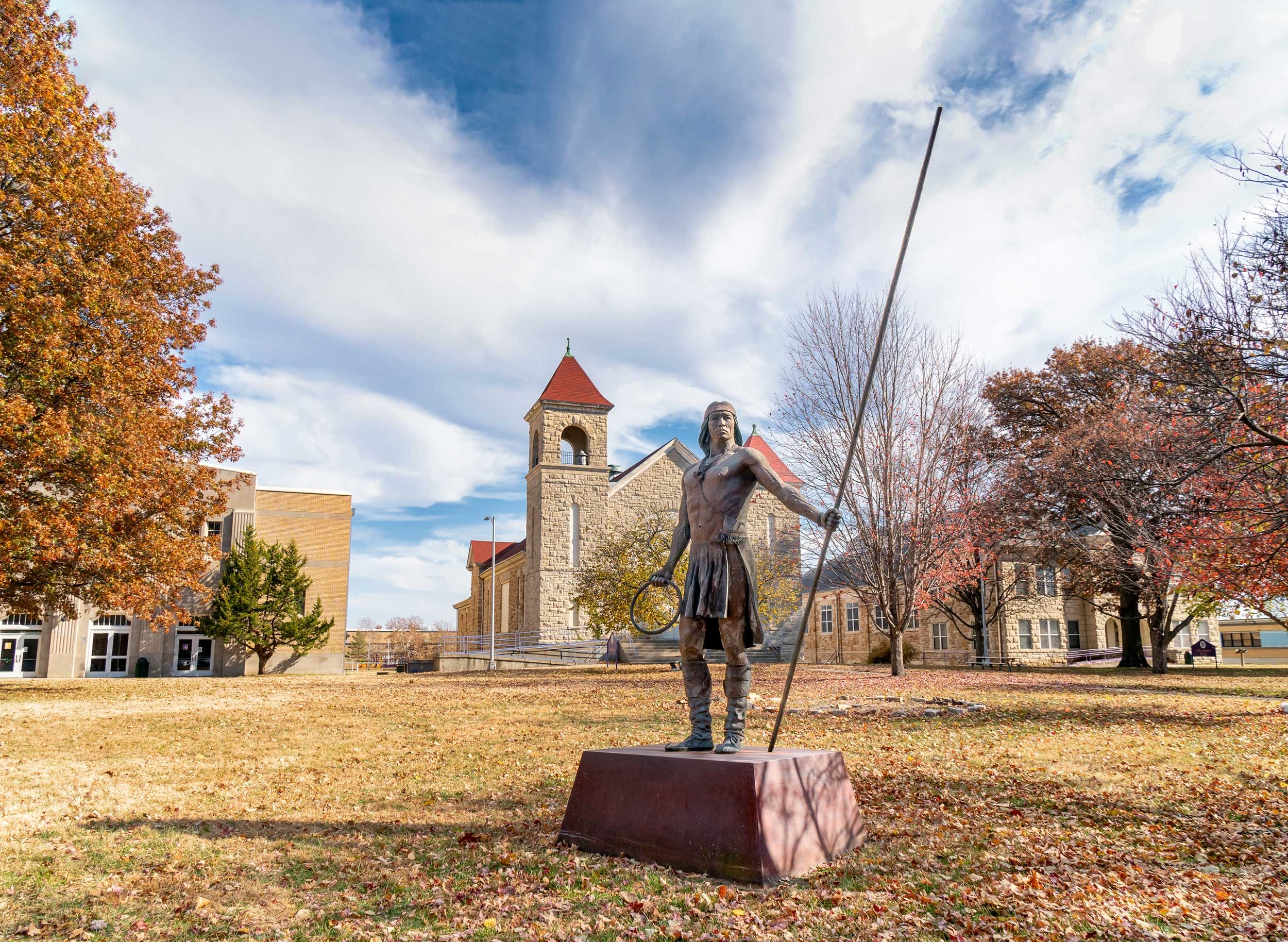
The USDA Tribal College Program exists to strengthen the educational capacity of Tribal Colleges and Universities, often referred to as 1994 Land-Grant Institutions. These colleges were granted land-grant status through the Equity in Educational Land-Grant Status Act of 1994, which directed the USDA to support their growth in agricultural and natural resource education. Today, the Tribal College Program helps fulfill that federal responsibility by investing in opportunities that serve students and the institutions that support them.
One of the most significant offerings connected to the Tribal College Program is the 1994 Tribal Scholars Program. This program provides financial assistance, paid work experience, mentoring, and the possibility of transition into a permanent USDA position after graduation.
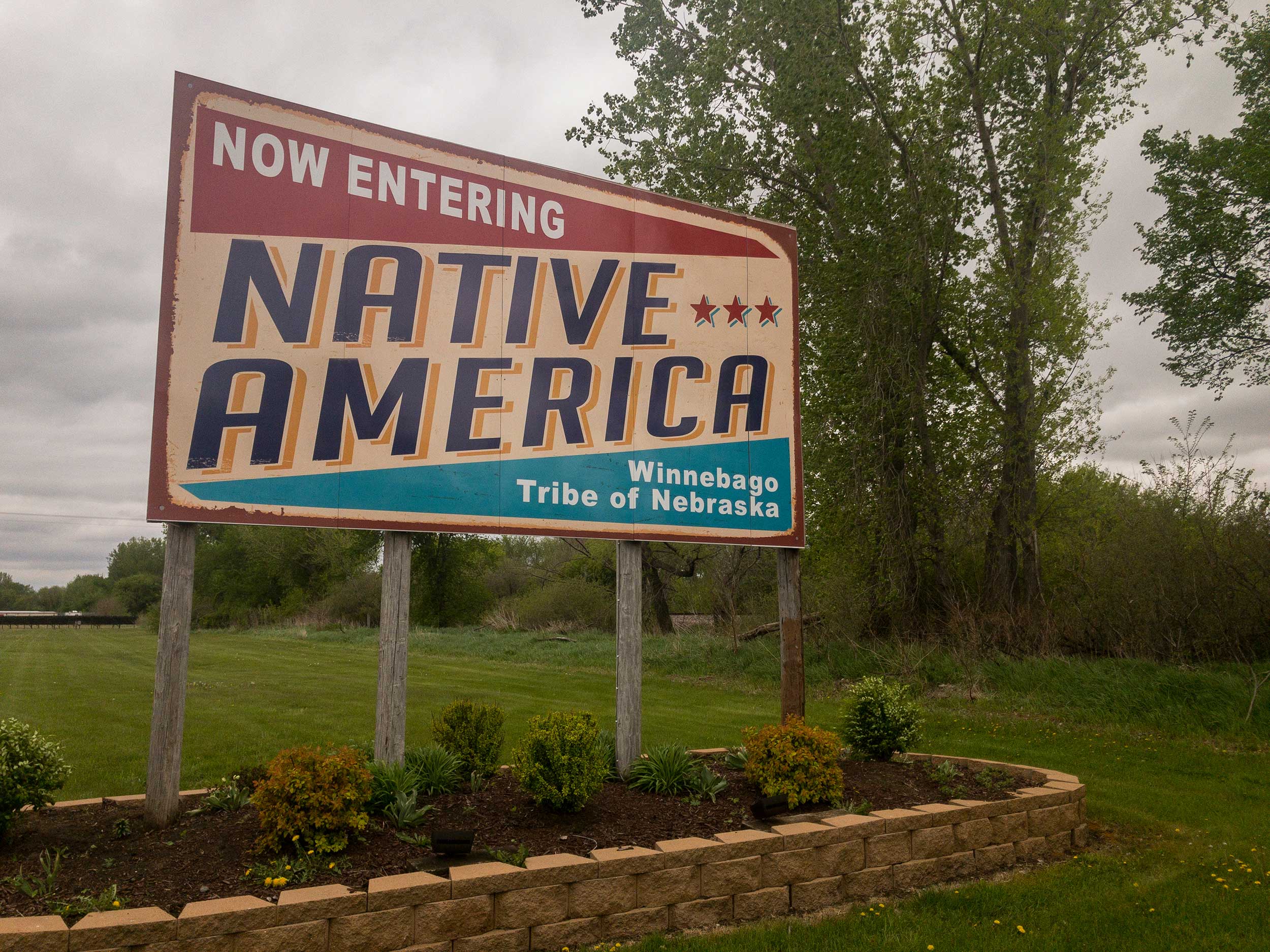
“I want to be a leader in agriculture. My goal is to help people, I have always been taught to help in any way I can,” said freshman Trey Blackhawk, an enrolled member of the Winnebago Tribe of Nebraska and a 1994 Tribal Scholar at the USDA.
Scholars receive support that allows them to focus on their education while gaining professional experience that aligns with the USDA’s mission and the needs of their communities. The program helps students see a place for themselves in public service and in shaping policies and programs that affect Tribal agriculture and Tribal lands.
Another important opportunity is the Tribal College Summer Intern Program, which connects students to internships within the USDA. These internships allow students to explore career paths, gain exposure to federal programs, and understand how USDA works with Tribal Nations. For many students, these experiences build confidence and strengthen their sense of purpose. They also help students bring valuable experience back to their communities, whether they pursue public service, continue their education, or develop their own agricultural projects.
“It’s been great to have a team that’s not afraid to let me share my opinion, share my identity. I feel like in this space, I’ve been proud of who I am,” said Celeste Lucero, a USDA Tribal Policy Intern, member of Pueblo of Isleta in New Mexico and a member of the Turtle Mountain Band of Chippewa Indians in North Dakota, reflecting on her internship experience and her ability to contribute meaningfully while learning about USDA resources she hopes to bring back to her community.
The USDA has also introduced a growing network of Tribal College Liaisons, who serve as bridges between Tribal Colleges and the USDA. These liaisons share information about USDA resources, workforce development opportunities, and programs that support Tribal food, agriculture, and community initiatives. Their role is a direct reflection of the USDA’s commitment to Tribal self-determination. By ensuring that Tribal Colleges have direct, culturally responsive points of contact, the USDA strengthens its government-to-government relationships and empowers students and educators with clearer access to federal resources.
Another important component connected to USDA’s support for Tribal higher education is the partnership between the USDA and the American Indian Higher Education Consortium (AIHEC). This collaboration is guided by the USDA and American Indian Higher Education Leadership Group, which includes an equal number of USDA Mission Area leaders and presidents of the 1994 Land-Grant Institutions that make up AIHEC. The leadership group meets in person each year to strengthen communication, identify barriers, and ensure that USDA programs and services are fully accessible to Tribal Colleges and Universities. These meetings also provide USDA representatives with essential insight into the unique strengths, challenges, and priorities of Tribal Colleges. Through this intentional collaboration, the USDA deepens its understanding of Tribal higher education and supports institutions that play an essential role in preparing Native students for careers in agriculture, public service, and community leadership.
“The American Indian Higher Education Consortium (AIHEC)’s vision is a unified group of Tribal Colleges and Universities that cultivates student success and perpetuates the lifeways and sovereignty of Tribal Nations,” the USDA says.
While each of these programs is grounded in policy and federal responsibility, their impact is reflected in the opportunities students receive to integrate academic study with professional experience. For example, the USDA 1994 Tribal Scholars Program combines classroom study with paid work experience, including workforce training and summer internships, that help students apply their learning in real federal contexts. The program is designed to increase the number of Native students studying and graduating in fields such as agriculture, food, and natural resource sciences, and to build a pipeline of future agricultural scientists and professionals. Many Tribal Scholars describe the program as transformational because it provides tuition support, paid work experience, leadership development, and internship opportunities that help them pursue careers in public service and agriculture while strengthening their connection to community goals.
Through this combination of education and paid experience, students gain exposure to federal work environments and strengthen their readiness for future career paths, while reinforcing the partnership between the USDA and Tribal Colleges and Universities.
While each of these programs is grounded in policy and federal responsibility, their impact is reflected in the opportunities students receive to integrate academic study with professional experience. For example, the USDA 1994 Tribal Scholars Program combines classroom study with paid work experience, including workforce training and summer internships, that help students apply their learning in real federal contexts. The program is designed to increase the number of Native students studying and graduating in fields such as agriculture, food, and natural resource sciences, and to build a pipeline of future agricultural scientists and professionals. Through this combination of education and paid experience, students gain exposure to federal work environments and strengthen their readiness for future career paths, while reinforcing the partnership between USDA and Tribal Colleges and Universities.
These opportunities matter because Tribal Colleges and Universities are mission-driven institutions created by Tribal Nations to strengthen cultural identity, support academic success, and build long-term community capacity. Their programs are locally grounded and responsive to the needs of Tribal communities, which means that when students engage in internships and workforce pathways, they return with skills that directly support Tribal sovereignty, economic development, and land stewardship priorities. As a result, the USDA’s investment in student pathways does more than support individual learners. It strengthens entire communities by expanding the number of Native professionals prepared to lead in agriculture, natural resources, public service, and community development.
As the USDA continues working to fulfill its obligations under the 1994 Land-Grant Act, the Tribal College Program stands as a model for how federal partnerships with Tribal Nations should function. It centers Tribal priorities, supports student success, and promotes long-term capacity building. It also helps ensure that Native students see themselves not only in educational spaces, but in federal leadership, in science and research roles, and across agriculture and community development fields. This is significant because Native representation in agriculture-related federal positions remains comparatively low, and programs like these help widen those pathways in ways that are culturally grounded and community aligned.
As former Secretary of Agriculture Tom Vilsack noted, “Tribal Colleges and Universities are valued and essential partners for USDA as we grow the next generation of agricultural professionals and work to strengthen our Nation’s food and agriculture system.”
For students, these programs serve as invitations. They encourage young people to step into opportunities that honor both their cultural identities and their professional ambitions. They help students imagine themselves as future policymakers, researchers, natural resource managers, Tribal agricultural directors, and leaders within the USDA and their home communities. Every application submitted, every internship completed, and every degree earned becomes part of a larger story of resilience, visibility, and empowerment.
When students engage in internships and workforce pathways, they return with skills that directly support Tribal sovereignty, economic development, and land stewardship priorities.
As of today, 37 TCUs operate more than 75 campuses across the United States, serving about 160,000 American Indian, Alaska Native, and rural students every year through academic and community programs. By partnering with the USDA, these institutions gain access to federal support that strengthens their capacity to educate future leaders and contribute to long-term community stability and economic development.
And for all of us working toward equity in agriculture, the Tribal College Program demonstrates how federal programs can uplift communities by recognizing their strengths and investing in their visions for the future. The responsibility now is to continue expanding awareness of these opportunities, strengthening collaborations between USDA and Tribal Nations, and ensuring that Native students have sustained access to resources that promote success in agriculture, natural resource stewardship, food sovereignty, and public service. As AIHEC President Ahniwake Rose explains, “Tribal Colleges and Universities are powerful engines for opportunity, growth, and stability. Not just for Native people, but for everyone.”
This truth underscores why ongoing investment in Tribal higher education matters so deeply.
Students who are passionate about contributing to the future of Tribal agriculture should explore internship, scholarship, and career programs available through USDA and Tribal Colleges. Educators and Tribal leaders can help amplify these pathways by sharing information widely and supporting students as they prepare competitive applications. USDA staff, partners, and advocates can work to ensure that programs remain accessible, culturally relevant, and aligned with the goals of Tribal Nations.
By choosing to step forward, whether as students, mentors, administrators, or program champions, we help strengthen a movement that grows Native leadership, uplifts rural and Tribal communities, and advances equity across our agricultural systems. The next generation of Native professionals is ready. It is up to all of us to make sure the opportunities continue to grow with them.
Now is the time to uplift these opportunities, encourage students to participate, and champion continued investment in Tribal higher education. The next generation of Native leaders is already rising. With the right support, they will help shape a more equitable, more sustainable, and more culturally grounded agricultural landscape for generations to come.
Bre Holbert is a past National FFA President and studied agriculture science and education at California State-Chico. “Two ears to listen is better than one mouth to speak. Two ears allow us to affirm more people, rather than letting our mouth loose to damage people’s story by speaking on behalf of others.”