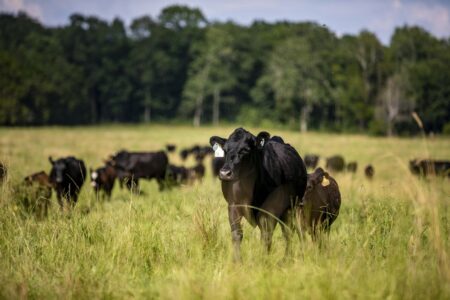





A new detection of New World screwworm in northern Mexico is raising alarms among animal health officials and border-state producers, even as Texas remains free of confirmed cases.
Texas Agriculture Commissioner Sid Miller said the Texas Department of Agriculture was notified by the U.S. Department of Agriculture of a detection in Montemorelos, Nuevo León, Mexico, approximately 120 miles south of the Texas border. The USDA’s Animal and Plant Health Inspection Service confirmed the case in a 22-month-old bovine transported from Veracruz to a feedlot in Nuevo León, according to Miller’s statement.
“The New World screwworm is one of the most devastating livestock pests ever encountered in North America,” Miller said. “We have beaten it before with resolve and science, and we’ll do it again, but Texas must stay vigilant.”
Repeat detection at the same feedlot
Miller’s office called this the northernmost active case currently found in Mexico. It was also described as the second detection at the same Nuevo León feedlot since October. No additional cases were linked to the October detection, and both events appear tied to livestock movements from southern Mexico.
While noting that Texas remains free of detection, Miller warned that proximity alone demands action.
“Texas ranchers are the backbone of American agriculture. Our cattle herds help feed the nation and the world and are just too important to risk,” Miller said. “We will keep working shoulder to shoulder with USDA, Mexican animal health authorities, and our own state agency partners to defend our border and Texans from this dangerous threat. We will protect our livestock, safeguard our economy, and do everything possible to keep the New World screwworm at bay.”
What producers should watch for
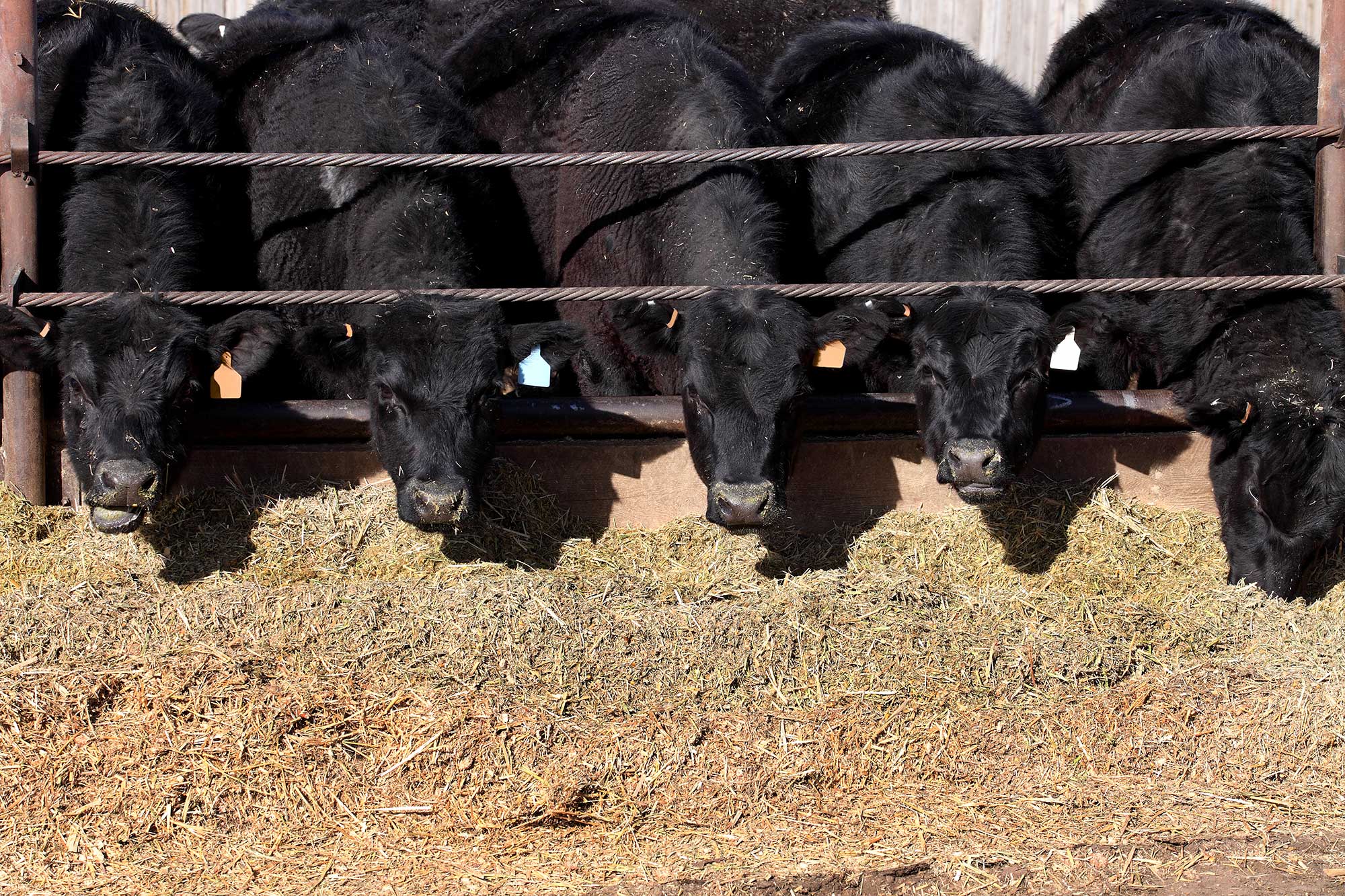
In his statement, Miller urged Texas producers (especially near the border) to stay alert for suspicious wounds, unhealed tissue, or maggot activity in livestock, wildlife, and pets. Producers who suspect NWS should immediately contact their local veterinarian and state authorities.
In recent weeks, the USDA has moved to broaden preparedness and public awareness around NWS.
On Oct. 17, 2025, APHIS announced a New World Screwworm Response Playbook, outlining how federal, state, and local partners would coordinate if the pest is detected in the U.S. In the APHIS release, Agriculture Secretary Brooke Rollins said, “USDA continues to execute our five-pronged plan to keep NWS out of the United States,” and stressed readiness “to activate if needed.”
The USDA also launched Screwworm.gov on Nov. 21 as a centralized hub for verified information and updates. And on Nov. 13, the USDA announced the opening of a sterile fly dispersal facility in Tampico, Mexico, supporting aerial distribution across northeastern Mexico, including Nuevo León.
How the U.S. beat screwworm before
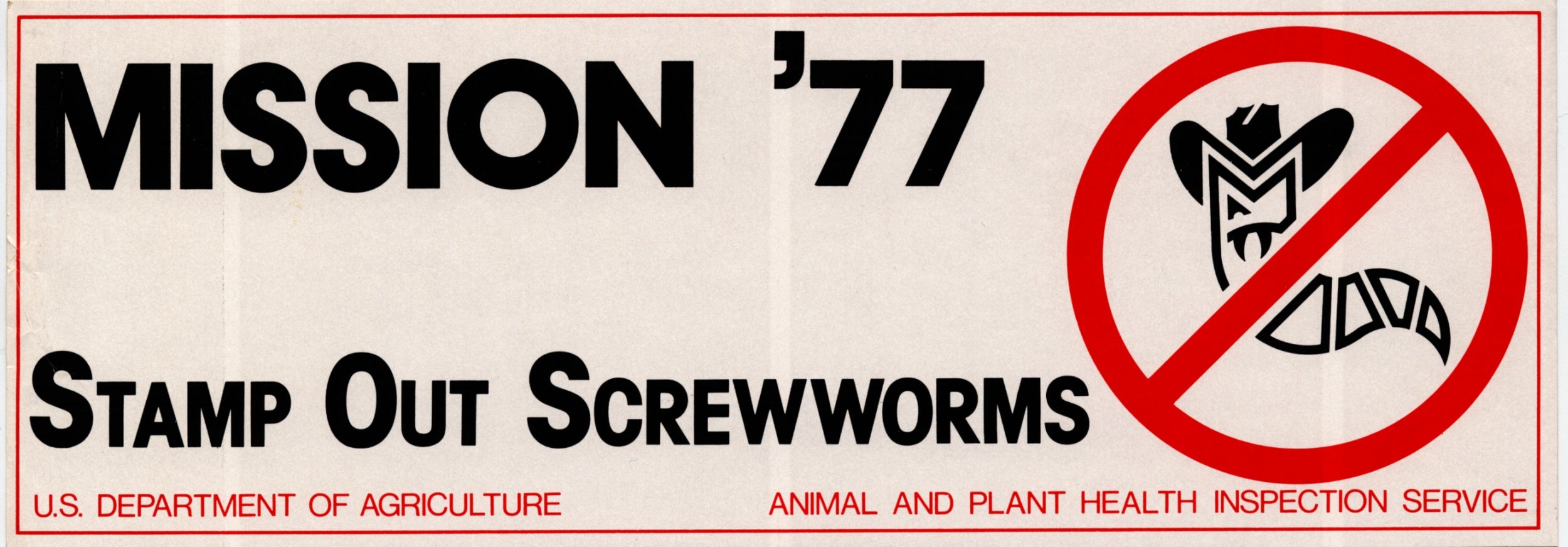
New World screwworm was once a major livestock threat in North America, and eradication relied on extensive surveillance, strict animal movement controls, and the sterile insect technique, releasing sterilized male flies to collapse reproduction.
Miller echoed that history in his call for vigilance, saying Texas has faced the pest before and can do so again, if producers and agencies stay ahead of it.