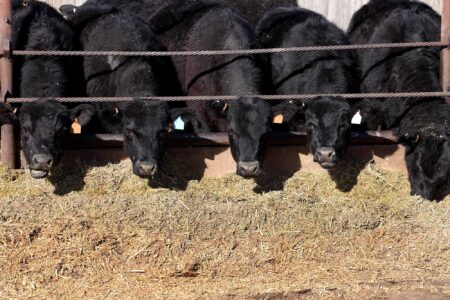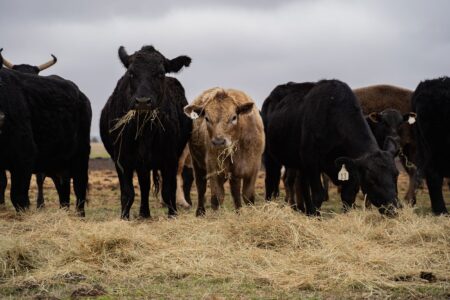






Mexico is already the top agricultural export market for the United States, but a new Terrain report suggests its importance to U.S. grain producers is only growing. According to the analysis, Mexico is positioned to remain a long-term demand driver for U.S. corn, soybeans and feed ingredients as rising meat consumption, population growth and limited domestic crop production widen the country’s reliance on imports.
The report notes that the U.S. and Mexico have maintained a “complementary relationship” for decades, with U.S. producers efficiently supplying feed ingredients and Mexico focusing more heavily on fruit and vegetable production. That trade integration has deepened over time. In 2024, Mexico accounted for more than $30 billion in U.S. agricultural exports, up nearly 7 percent from the previous year, and U.S. products now make up 75 percent of Mexico’s agricultural imports.
For grain and oilseed producers, Mexico’s share of total U.S. exports has steadily increased over the past 20 years. Recurrent drought and weather challenges have constrained Mexico’s domestic production of row crops, particularly corn and soybeans, increasing its dependence on imports. Terrain analysts say that trend is unlikely to reverse anytime soon.
“Mexico’s strong economic and demographic position translates to long-term demand for U.S. feed ingredients,” the report states, projecting that soybeans and soymeal will see the largest growth in U.S. exports to Mexico through 2030, followed closely by corn.
This is fueled by growth in the consumption of meat products. According to figures cited in the report from the U.S. Department of Agriculture, the total consumption of meat in Mexico has almost doubled in the past 25 years, rising from an estimate of 5.6 million metric tons in the year 2000 to over 10 million metric tons in the year 2025, with an average growth in per capita GDP of 3 percent for Mexico.
As far as the forecast goes, Terrain identifies projections from the IMF that point to GDP growth of only 4 percent per annum through to 2030 and a growth rate in population of approximately one million per annum. It appears these will give a further boost to the acceleration of meat demand by 12 percent by the end of the decade.
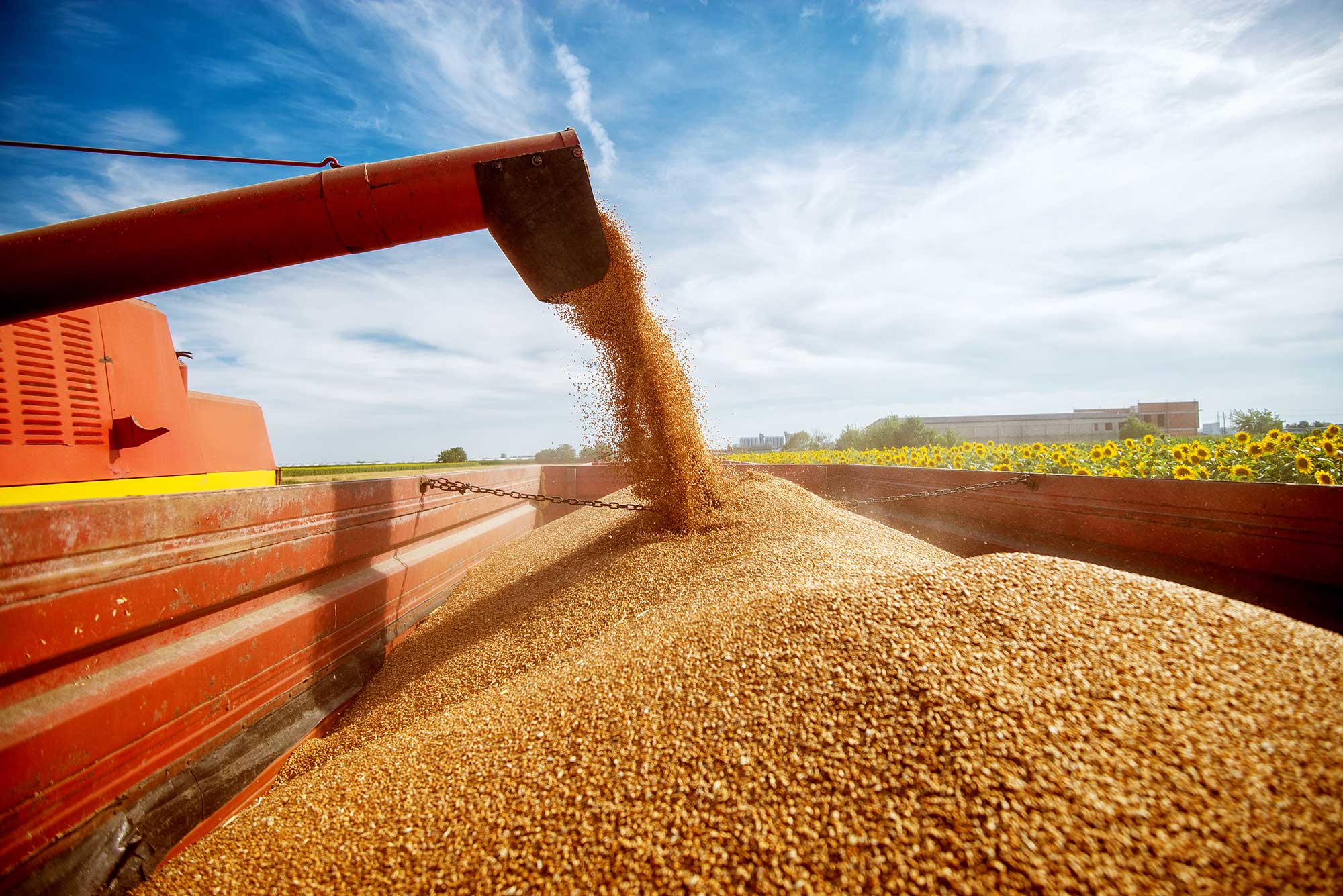
The Mexican domestic supply gap is most visible in corn. While white corn, which is non-GMO corn, leads in planted areas in human food, yellow corn used in feed is increasingly being imported. Yellow corn import growth is a phenomenal 78 percent over the past decade. It is projected to reach a record high of 25.8 million metric tons in marketing year 2025-26. Over this period, corn production is projected to decrease by 6 percent.
“Mexico is still heavily reliant on U.S. imports to satisfy its growing domestic protein production,” the report states, noting that over the past five years the U.S. has supplied 90 percent of Mexico’s corn imports and nearly all of its DDGS and soymeal imports.
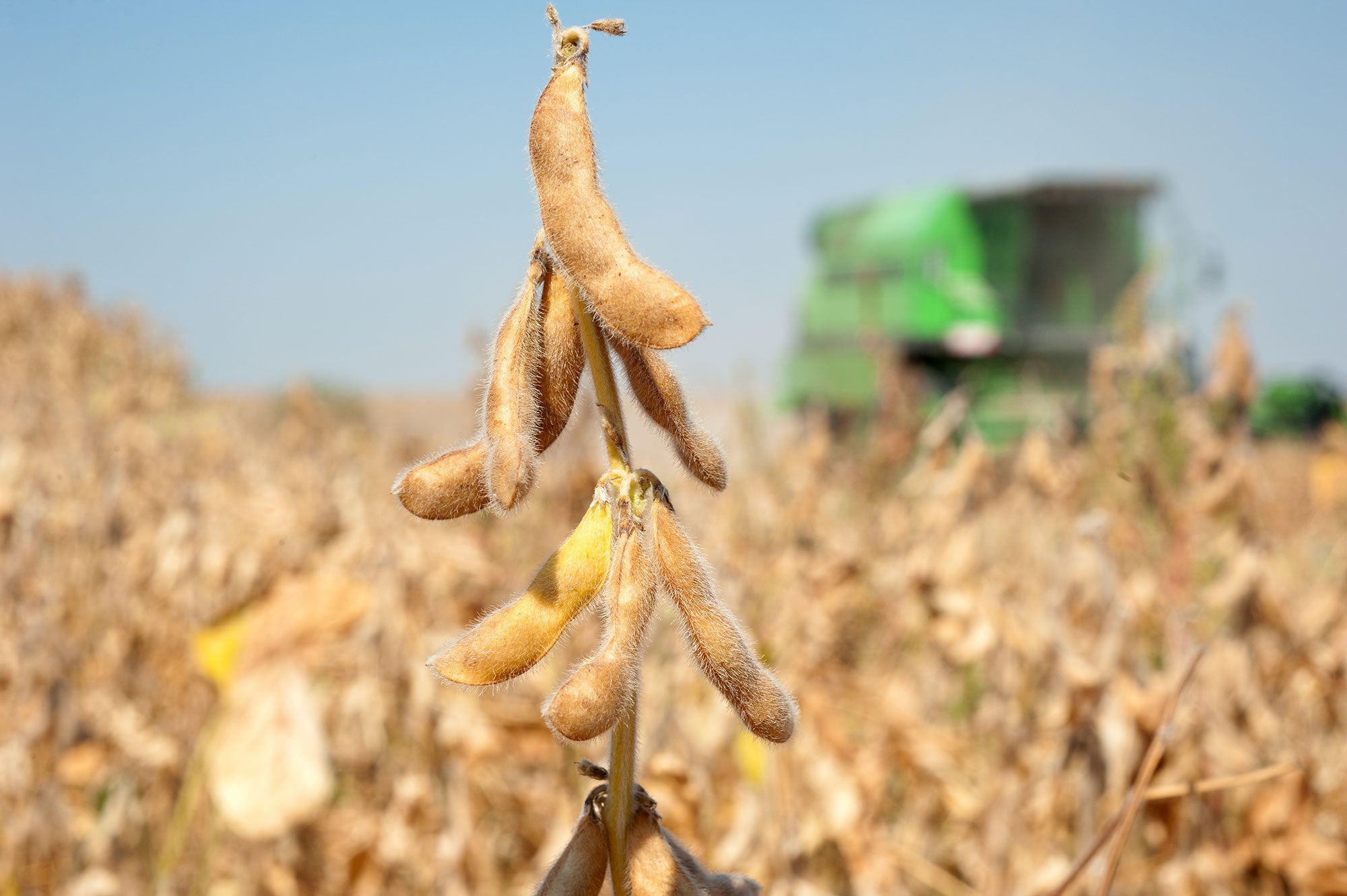
A similar case is presented by soybeans. Currently, 96 percent of total soybean imports are coming from Mexico because total soybean production in the country has contracted by almost 50 percent in a decade. Also, crush capacity in the country has risen by 40 percent since 2016; hence, soybean imports are expected to rise by 50 percent and are estimated at 6.7 million tons in 2025-26.
Though a tough rival, especially now that Mexico is diversifying its port capacity, Terrain argues that the U.S. has an essential edge in the realm of logistics. In 2024, 65 percent went by rail, while 33 percent went by sea. This rail access gives the U.S. supplier access to the interior while serving the competition.
“Rail connectivity and proximity are a competitive edge for U.S. farmers against other global suppliers,” the report notes, adding that continued investment in rail and port infrastructure on both sides of the border will be essential to maintaining that advantage.
Mexico’s recent announcement of a $16 billion investment in nine ports could open the door to more competition if U.S. infrastructure falters. “Should our infrastructure deteriorate, Brazil and other competitors may take market share as Mexico boosts its port capacity,” the report warns.
Ultimately, Terrain frames Mexico as more than just a reliable buyer. “Mexico is more than just our top agricultural customer; it will be a growth engine for the next several decades,” the report concludes.