




A beef processing plant in Riverside, California, will be shut down by JBS in February, eliminating 374 employment positions as the U.S. cattle market lingers amid record high beef prices and low cattle inventories.
Reuters reported that Swift Beef Company plant will close for good on Feb. 2, as informed by a notice that was filed with the California Employment Development Department.
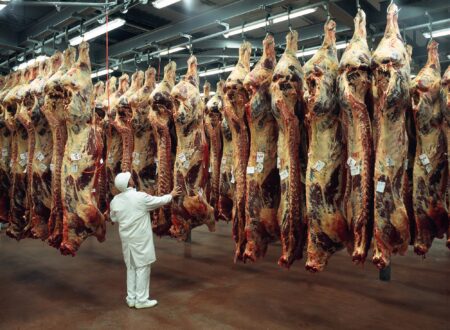
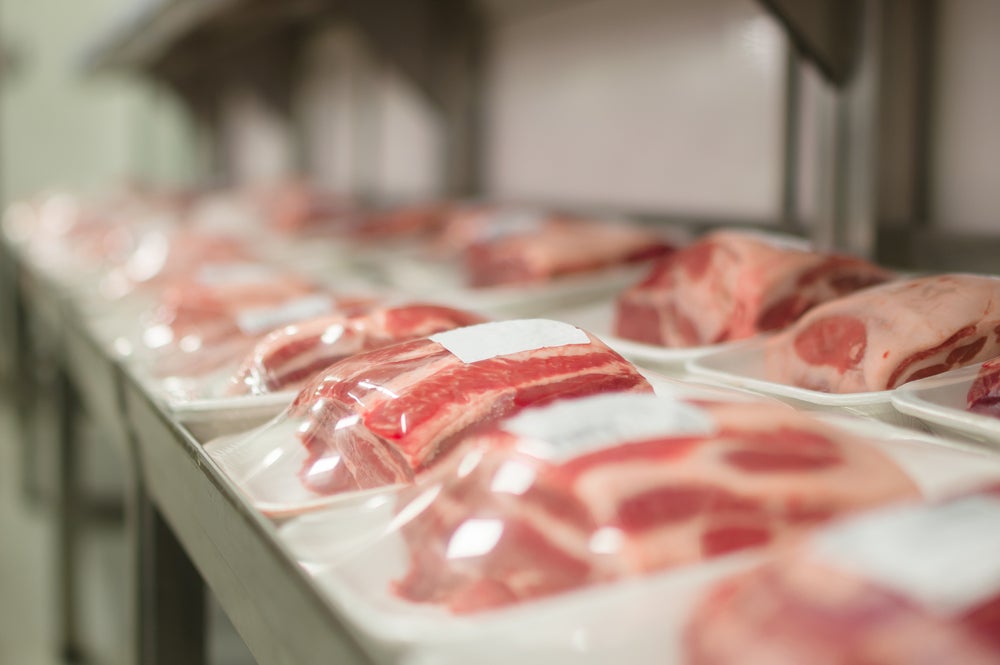
The facility is situated in the eastern part of Los Angeles and is involved in processing beef for retail in supermarket meat cases but is not a slaughtering facility for cattle. According to JBS, the shutdown of its operation is part of the company’s rationalization of its operations amid pressure in the U.S. beef industry due to reduced cattle and higher costs.
“The company remains focused on delivering high-quality products and dependable service while strengthening its operational footprint to meet evolving market demands,” JBS said in a statement, describing the move as a “strategic initiative to optimize its value-added and case-ready business and simplify operations across its network.”
According to the Los Angeles Times, JBS says that the closure was not necessarily due to the cattle supply that the Riverside facility receives. A spokesman for the firm confirmed that the production will simply be moved to other JBS facilities and that the employees will have the option to relocate to other facilities. Those that choose not to relocate will be given a 60-day notice before their closure.
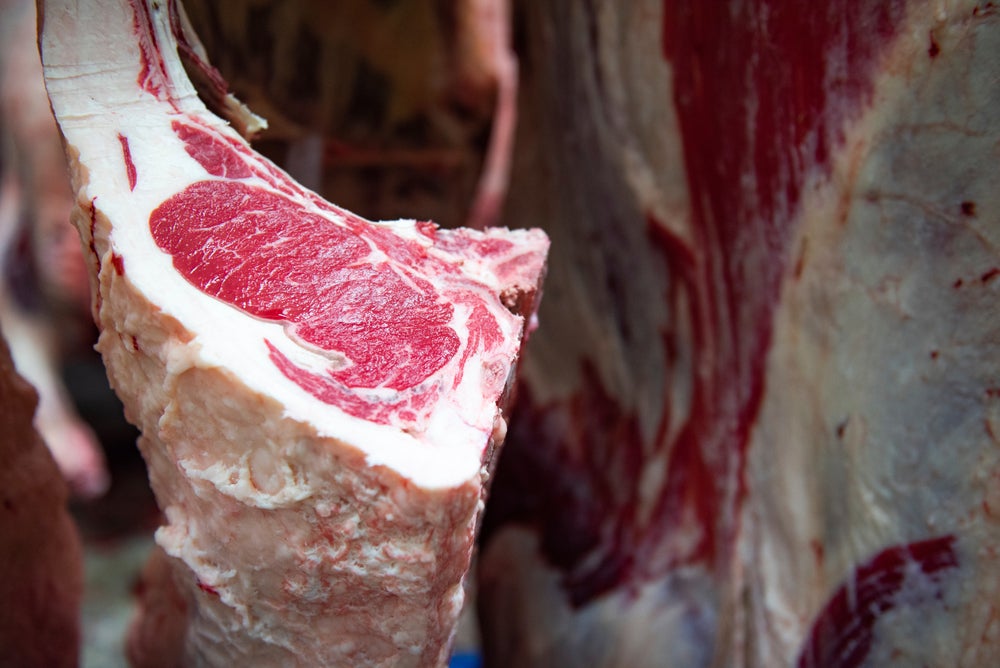
The number of cattle in the U.S. has been reduced to historic lows as ranchers have struggled due to years of drought conditions that resulted in a lack of grazing land. Beef prices hit record highs in 2025.
The supplies were limited subsequent to the ban on importation of cattle from Mexico by the U.S. to prevent the spread of New World screwworm, which is a meat-eating fly threatening cattle. The shortage of cattle supplies has added to existing complications faced by packers to reconcile costs of cattle purchases with demand.
Low cattle numbers have forced meatpackers to pay significantly more for animals destined for beef products ranging from ground beef to high-end cuts. JBS executives said last month that U.S. beef margins were expected to tighten in the fourth quarter due to ongoing cattle shortages.
The closure also follows similar moves by competitors. Tyson Foods announced last month that it will shut down a major cattle slaughtering facility in Nebraska, impacting approximately 3,200 employees, citing the same supply challenges facing the industry.
The situation has drawn attention from Washington as beef prices remain elevated at the retail level. President Donald Trump has said he is working to bring down food costs for consumers and has accused meatpacking companies of manipulating prices, claims the industry disputes, pointing instead to fundamental supply constraints.
For California, the Riverside shutdown adds to a growing list of high-profile industrial exits and job losses in recent years. While JBS maintains operations elsewhere in the U.S. and globally, the loss of the Riverside facility represents another contraction in the state’s food processing footprint.
Despite the closure, JBS said customers should not experience supply disruptions as production is redistributed across its network. “JBS is committed to supporting impacted team members through this transition,” the company said.