





Recent legislative action is putting farmers’ access to ag markets at risk, not to mention drinking water supplies and energy production.
Appropriations bill HR 6939, recently passed by Congress, includes a measure that provides $50 million dollars to the state of North Dakota to complete a project that will move water out of the Missouri River basin. The bill is now sitting on President Donald Trump’s desk waiting for his signature. We can’t control rain, but we can control how we manage what has been given to us. As the drought-stricken Missouri River Reservoir System places increasing strain on its users, it is clear that the consequences extend far beyond the region.
Currently, low winter flows threaten the utility and drinking water supplies from the Omaha region all the way to the mouth of the river in St. Louis. Access to water is crucial for maintaining our electric grid and ensuring the continuous flow of drinking water, particularly during periods of peak demand, such as the coldest weeks of the year.
Although spring forecasts indicate that basin runoff is returning closer to normal, years of cumulative deficits have left the reservoir system significantly depleted and slow to recover. Current projections for spring indicate the navigation flow support season will begin 5,000 cubic feet per second below full service, the lowest starting level since the 2023 navigation season. This poses a serious challenge for shippers attempting to move affordable agricultural inputs into the region and transport grain and other commodities to market.
With the agricultural economy already reeling from economic pressure, every available route to market is essential.
Unfortunately, HR 6939 will make the situation worse. North Dakota justifies the move to address its need to access a reliable, drought-proof water supply for its growing population. However, taking water from one drought-stricken basin to solve the needs of another is hardly a sustainable solution. This is water that will never return to a system that desperately needs it.
And this is just the start.
This is not a new issue, but it represents the latest and most troubling development in a fight the state of Missouri and its stakeholders have waged for years. It sets a dangerous precedent that Missouri, Iowa, Nebraska, and Kansas must take seriously, and one that the upper basin states should not ignore.
Imagine a frigid winter night in your home with your family. Your electricity flickers, and your phone buzzes with a notification that your area is experiencing brownouts or blackouts due to low Missouri River flows and associated ice jams impacting a utility’s ability to properly cool its generators.
You are experiencing an emergency that impacts your family’s safety and farm livelihood, all while knowing that critical water is being exported for use in another basin. This is a game of inches, and every inch matters.
It is short-sighted to transfer water out of the Missouri River basin to solve water challenges in another basin. You’ve heard the old saying “robbing Peter to pay Paul” — and that is exactly what this is. What happens when our neighbors to the west decide to make big moves, attempting to solve their water challenges with Missouri River water? Then it isn’t only the lower basin states that would have concern. It would lead to major allocations of water leaving our system before any state the Missouri River flows through can access it.
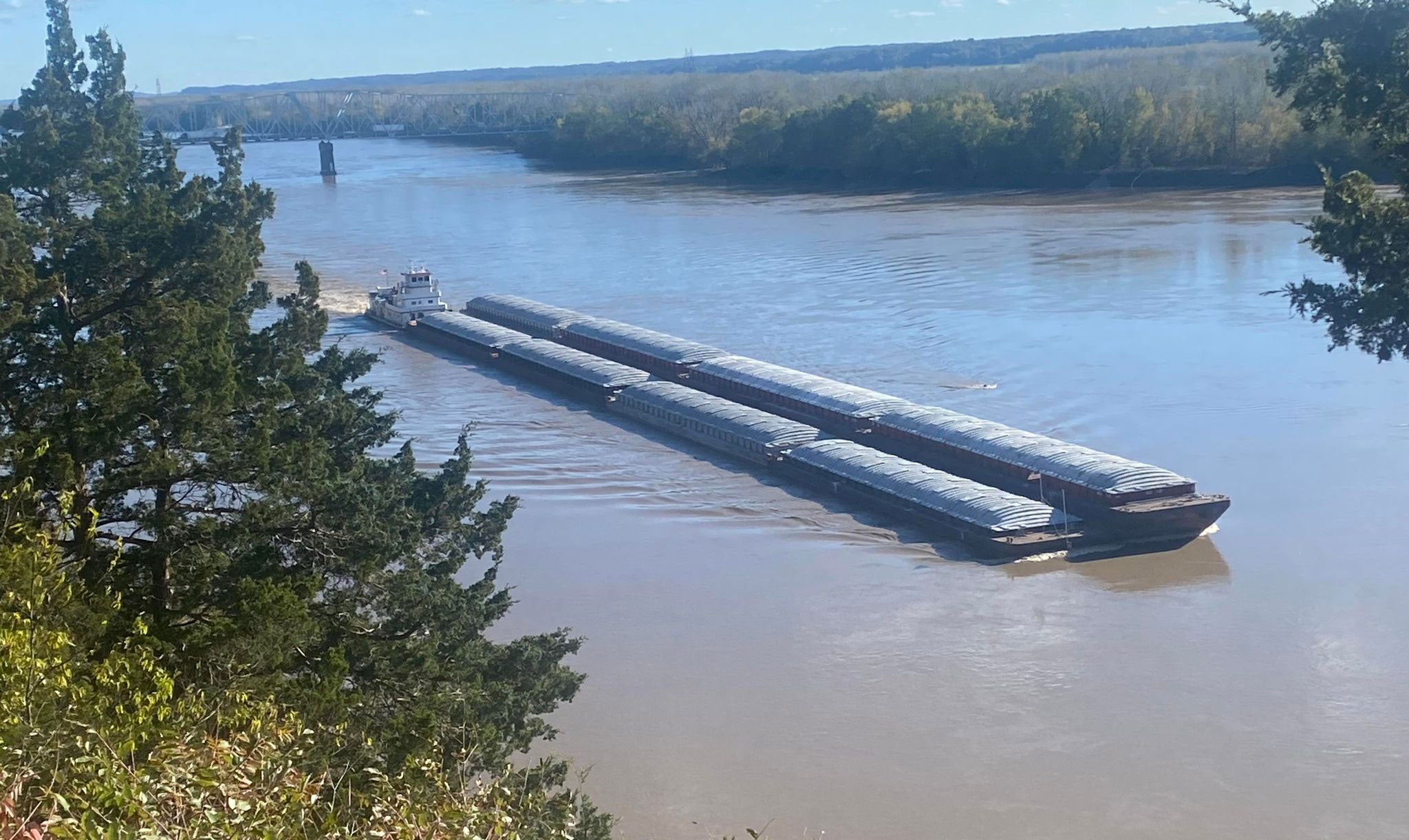
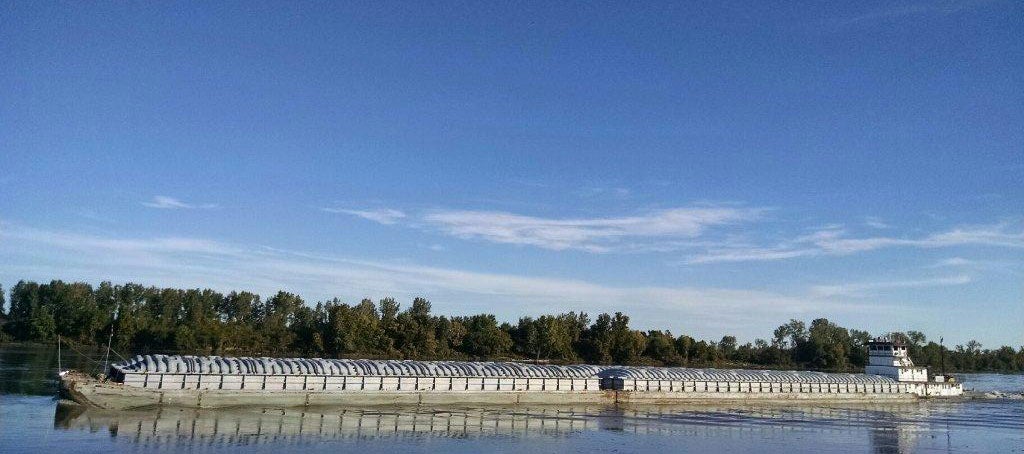
This is not merely a regional concern. During periods of low water, the Missouri River can supply 70 percent or more of the flow to the Middle Mississippi River, one of the nation’s most critical shipping corridors. On average, 65 million metric tons of bulk agricultural commodities move by barge through this system to New Orleans-area terminals, yet it has faced repeated low-water challenges in recent years.
With every inch of water being critical, it is nonsensical to allow water to leave a system that is a vital part of the U.S. supply chain.
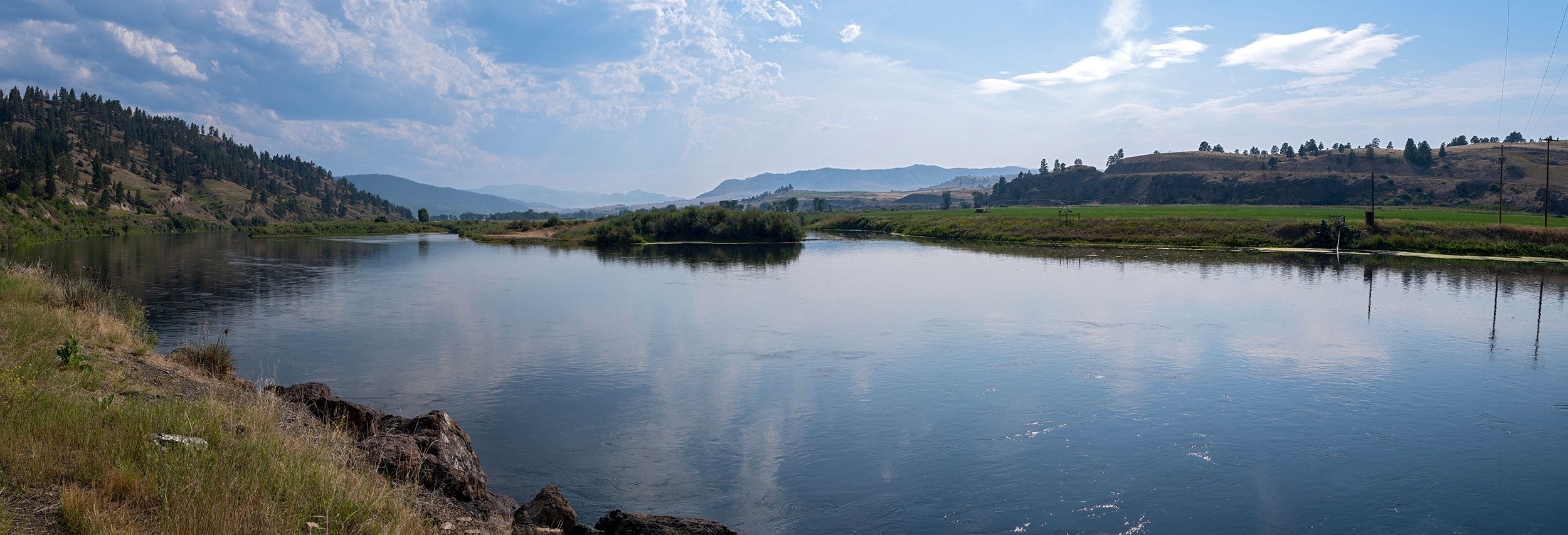
Congress has recently invested significantly in repairing the Missouri River navigation channel. This has led to increased reliability and increased shipping on the river, even in low-water years. All users benefit from this resiliency.
It would be a shame to throw away that momentum and opportunity by ignoring the threat of water being transferred out of the Missouri River basin. It is a threat to the economy, to drinking water, and to anyone who relies on electricity for their daily life.
It is time for the leaders of the lower Missouri River basin states to take this issue head-on before it is too late. We stand ready to work with the governors of the states of Missouri, Iowa, Nebraska, and Kansas and their Congressional delegations as they protect those who live, work, and rely on the Missouri River for life and sustenance.
Shane Kinne is Executive Director of the Coalition to Protect the Missouri River. CPMR is a diverse organization that represents those that live and work on and adjacent to the Missouri River. Its membership includes Missouri River ports, navigation interests, energy production, water supply, and agriculture groups.