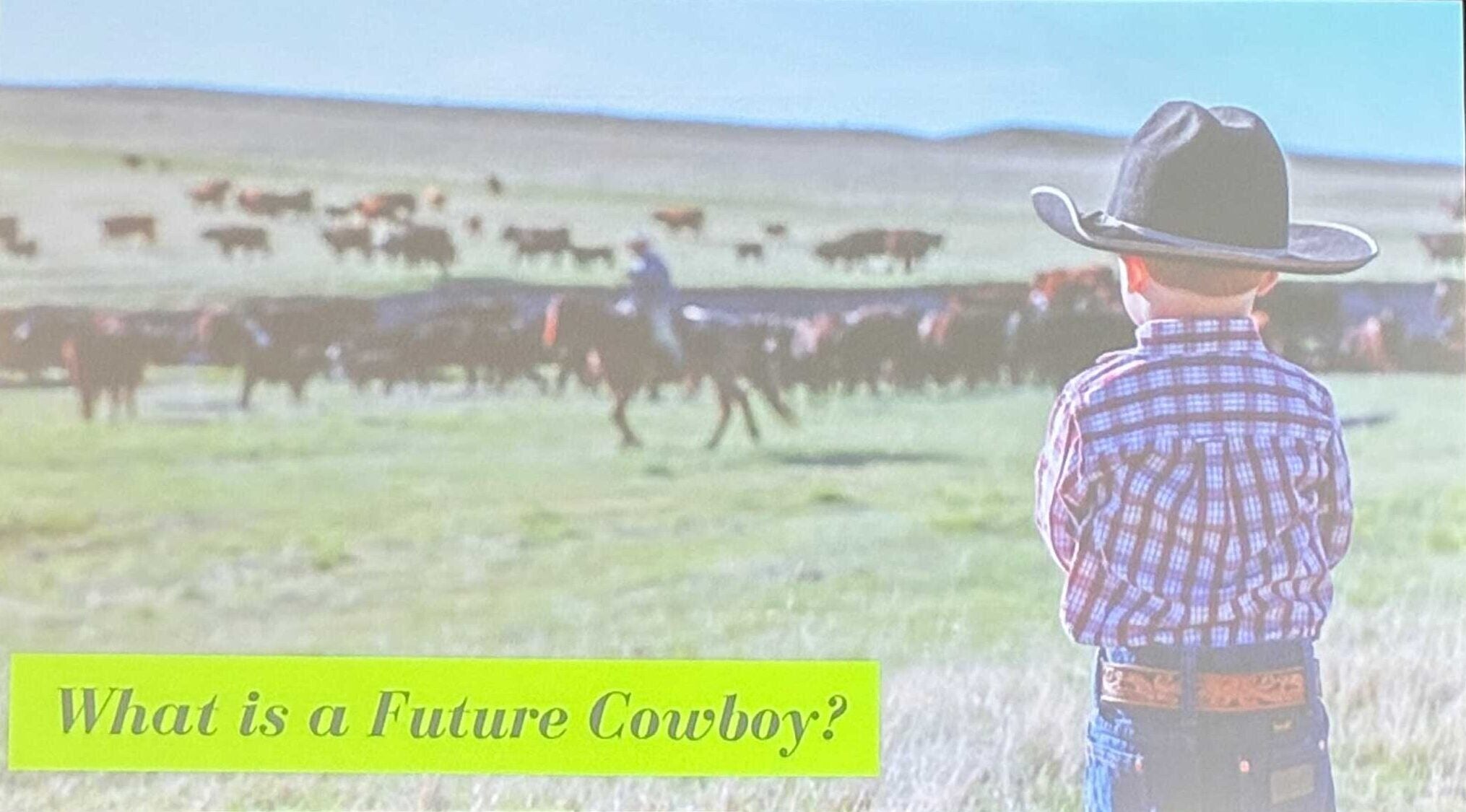



DENVER — On a cold, wintry day, over a hundred attendees gathered at the Colorado State University’s SPUR campus to ask, “What is a Future Cowboy?”
Ranchers, cattle companies, university students, and staff, as well as those from the general public, all congregated to learn more about the cattle industry and what its future might look like.
The Future Cowboy event, hosted by the university’s Ag Innovation Center, was held on the last day of the 2026 National Western Stock Show. With a kickoff speech by Jordan Kraft Lambert, the Director of the Ag Innovation Center at CSU, the event featured lightning talks from professionals involved in the cattle supply chain, a fashion show highlighting leather, and a culinary experience featuring non-traditional cuts of beef — such as heart, tongue, and cheek.
At its core, the event was an educational venture demonstrating how the cattle industry can be better managed as part of a circular economy, in which materials and products are kept in circulation and diverted from waste for as long as possible. “It’s rare to have the entire cattle supply chain in the same room,” Lambert said in her opening speech.
To introduce the concept of a circular economy for the cattle industry, Lambert highlighted how most consumers typically think of the cattle supply chain: as a straight line, from grass, to cow, to steak, to humans. However, there are a lot of other byproducts that could be further used and not wasted: cowpies as a source of fertilizer, leather as a product for clothing, and unconventional cuts like organ meat in new dishes.
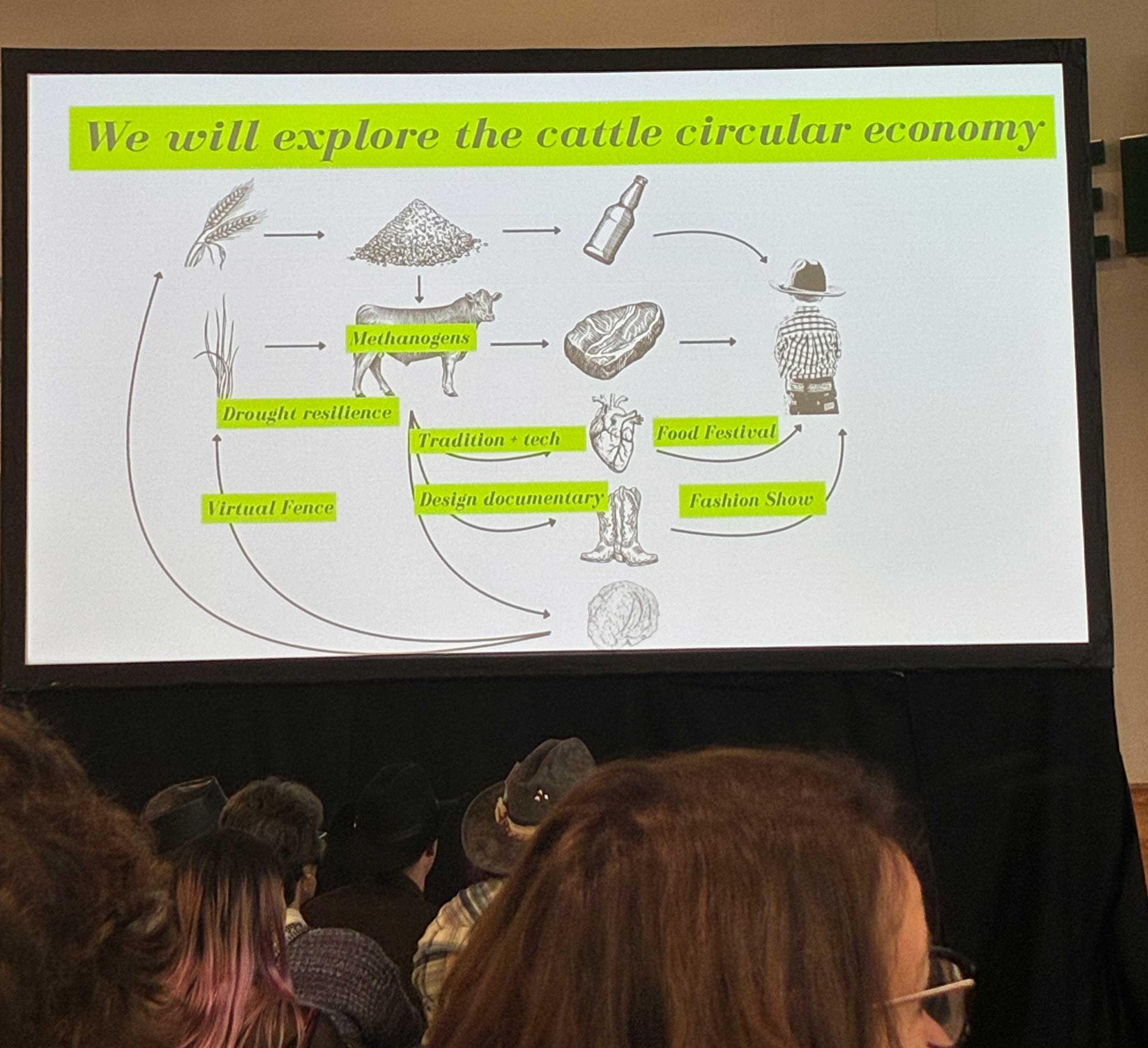
With five lightning talks, each presenter spoke from their respective position in the cattle supply chain and how they envisioned their role in contributing toward a circular economy for cattle.
From learning about the science behind “cow burps” and how we might reduce methane emissions from cows, to how ranchers are using innovative technology to improve their operation, each speaker spoke with enthusiasm and heart to advocate for how the future of cowboys could be more resilient and sustainable.
Rancher RC Patterson, inventor of the EZ Ration processor, talked about how he knew conventional ranching practices wouldn’t make him enough money to sustain his operation.
“As the saying goes, ‘Necessity is the mother of invention,’ ” Patterson said, citing that as the reason for him to build his processor, which can chop, mix, and feed custom blends for his cows when he needs to bale feed his herd. “If I have grass, I feed with the grass. If I don’t, I feed with the machine. … [This way] we don’t have to overgraze if there’s not enough grass.”
“You need to give ranchers another option other than selling your cows in a dry year,” he said.
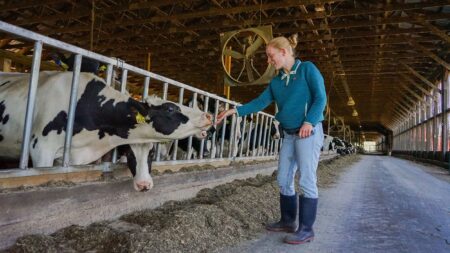
Rancher Debbie Fitch spoke about using virtual fence collars for her herd. By partnering with a company called Halter, she was able to communicate with her cows and improve her management plan. Calling Halter’s collars “a new tool in the saddlebag,” Fitch said she is able to ranch in a way that protects her riparian areas, prevents overgrazing, and offers a lot more flexibility.
“Our cows learned that when they got these cues [from the collars], they got more food. … Instead of us freaking out over no fencing, now there’s a possible solution,” she said.
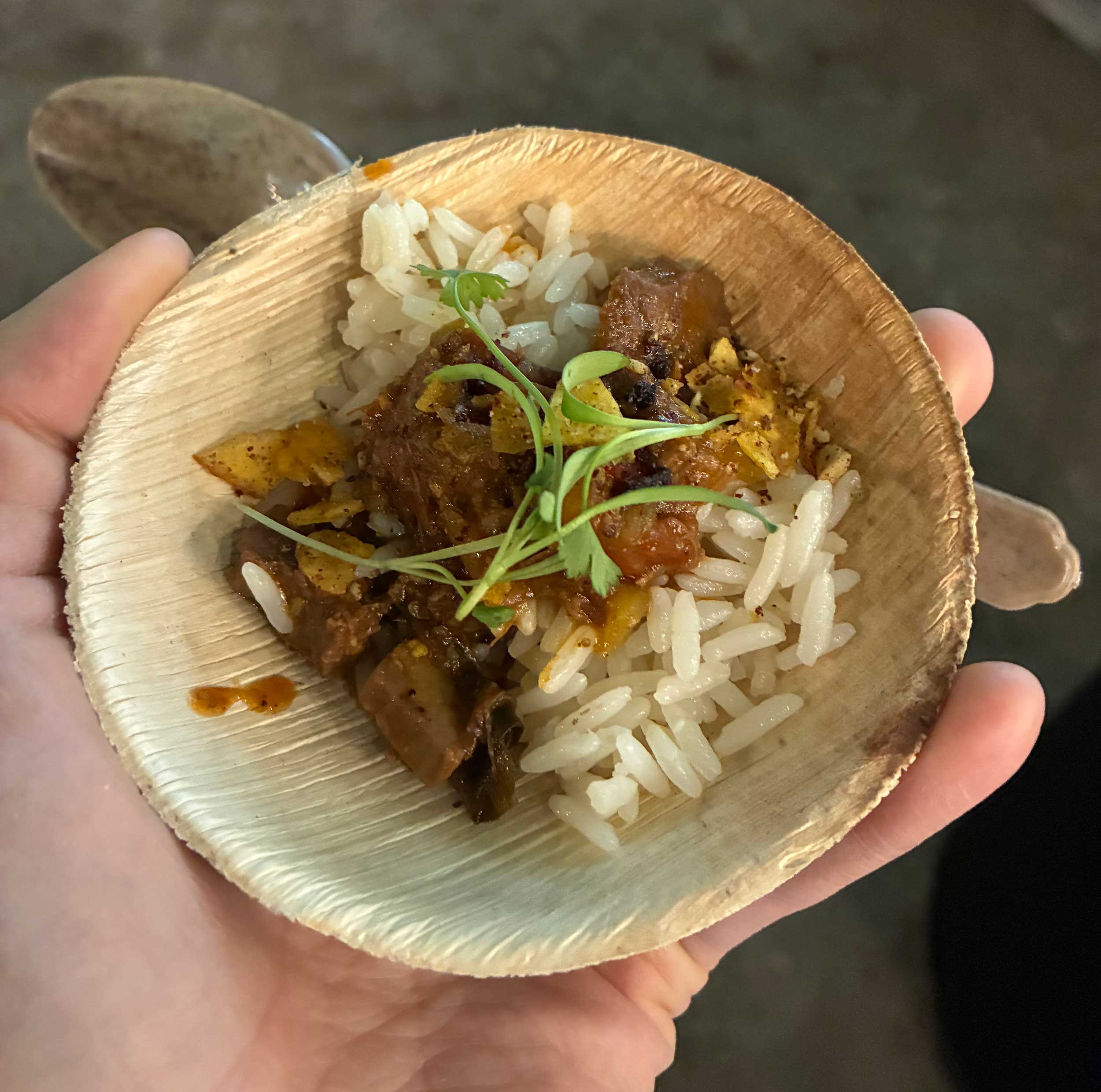
The last lightning talk featured chef Edwin Sandoval, who shared his heartfelt story about how his Honduran grandmother inspired his love for food, and cultivated an appreciation for a cow’s organ meats with his favorite childhood dish, Honduran chanfaina. A tasting was set up for the attendees, and Sandoval encouraged an open mind, reminding folks that the consumption of organ meats is a cultural norm in many other countries.
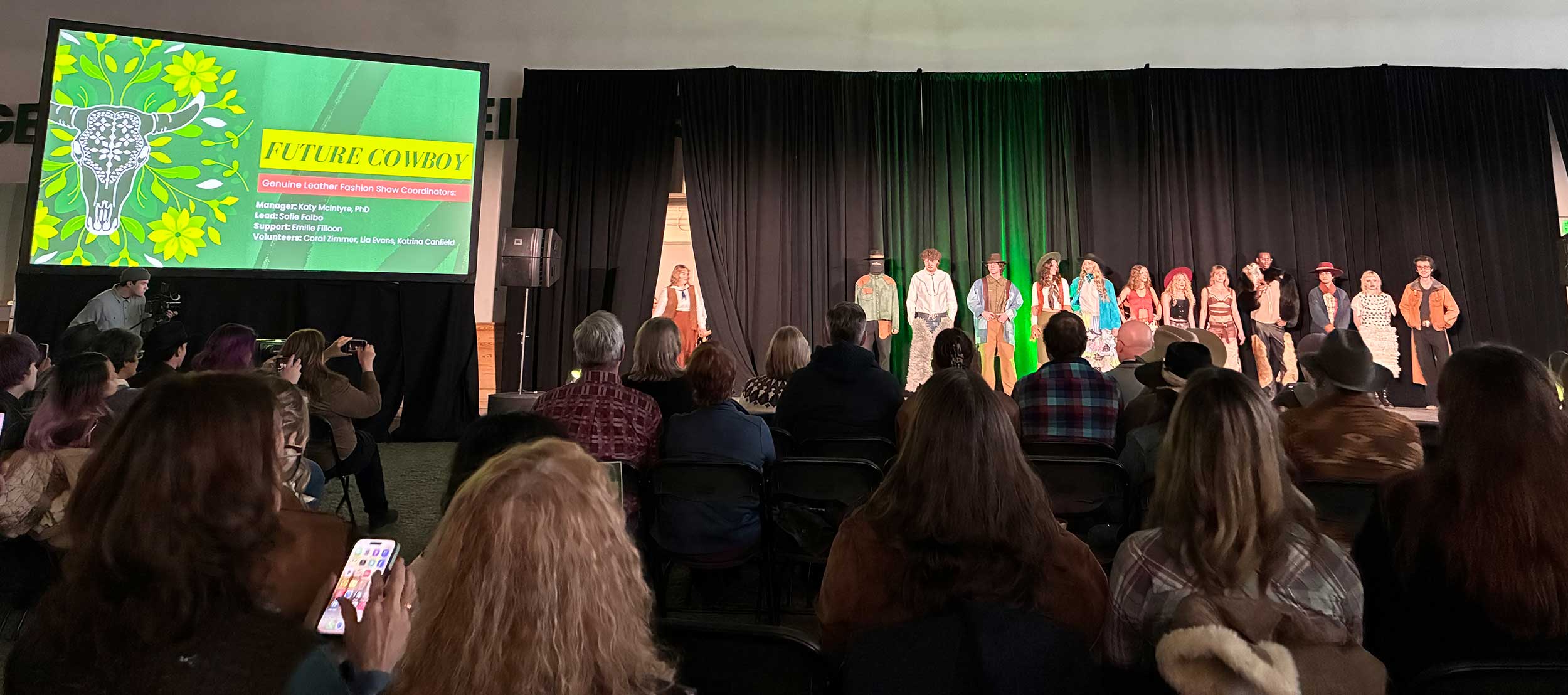
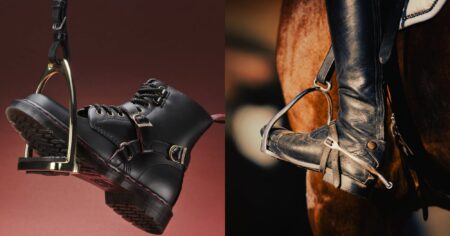
Before transitioning to the tasting, however, the audience was treated to a fashion show from Colorado State University students majoring in fashion design. For many of these students, this fashion show was the first time they worked with genuine cowhide leather.
Learning how to use this material was a means of environmental awareness, as millions of cowhides go to landfills each year in the country, as well as being another way to contribute to a circular economy for cattle.
“It was lots of muscle work, lots of precision [to work with leather],” one student cited regarding their work. With dozens of designs showcased, the fashion show garnered hoots and hollers from the audience — and whetted appetites in preparation for the tasting experience.
With several options available by Xatrucho, chef Sandoval’s culinary concept, the tastings demonstrated how flavorful organ meats were. His Honduran chanfaina was especially scrumptious, with lots of flavor and heart (literally!) apparent throughout the dish.
Paired with Xatrucho’s feastings was an evening of swing dancing and networking, so that all those involved in the cattle supply chain could mingle and bring together a night of fashion, food science, and agriculture.
Liza Thuy Nguyen served as the 2023 American Farmland Trust Agriculture Communications Intern at AGDAILY. Liza is originally from Anaheim, California, and attended the University of California, Davis, as a first-generation college student. She received a bachelor’s degree in genetics and genomics and went on to earn a master’s in horticulture from Penn State.