




Agriculture FertilizerAgriculture Fertilizer
  • Home
  • News
  • Management
  • Business
  • Insights
  • Crops & Livestock
  • Machinery
  • Technology
  • Weather
  • Trending
  • More
    • Web Stories
    • Press Release

Subscribe to Updates

Get the latest agriculture news and updates directly to your inbox.

What's On
Farmer Sentiment Slides as Export Concerns Extend into 2026

Farmer Sentiment Slides as Export Concerns Extend into 2026

February 3, 2026

How a Fridge Could Transform Dairy Breeding Worldwide

February 3, 2026
America’s Farmers are Cornerstones of Super Bowl Parties

America’s Farmers are Cornerstones of Super Bowl Parties

February 3, 2026
Facebook X (Twitter) Instagram
Agriculture FertilizerAgriculture Fertilizer
  • Privacy Policy
  • Terms of use
  • Advertise
  • Contact Us
Facebook X (Twitter) Instagram
SUBSCRIBE
  • Home
  • News
  • Management
  • Business
  • Insights
  • Crops & Livestock
  • Machinery
  • Technology
  • Weather
  • Trending
  • More
    • Web Stories
    • Press Release
Agriculture FertilizerAgriculture Fertilizer
Home » How a Fridge Could Transform Dairy Breeding Worldwide

How a Fridge Could Transform Dairy Breeding Worldwide

February 3, 20263 Mins Read News
Share
Facebook Twitter LinkedIn Pinterest WhatsApp Email

A Hiroshima University-led project has secured a $1.8 million grant from the Gates Foundation to develop a way to store bull semen using simple refrigeration instead of costly liquid nitrogen, a shift that could remove a major barrier to modern dairy cattle breeding that has long excluded farmers in low-resource regions. If successful, the technology is expected to deliver far-reaching benefits to food security and livelihoods in local communities.

The project, headed by Professor Masayuki Shimada of Hiroshima University’s Graduate School of Integrated Sciences for Life, received the grant in October 2025, marking the second time his laboratory has secured funding from the foundation.

Building on their 2019 discovery that identified functional differences between X-bearing (female-producing) and Y-bearing (male-producing) sperm, the team developed a simplified and low-cost sex selection technique that would help farmers reliably produce more female calves. The deployment of this technique has already begun at dairy farming sites in India, where it has attracted attention for its ease of use, even by small-scale farmers.

However, expanding the technology’s use globally requires a safe method of transporting and storing the processed sperm. In many countries, liquid nitrogen is used for cryopreservation. But in the developing world, a stable supply of liquid nitrogen cannot be guaranteed, creating a major barrier to adoption.
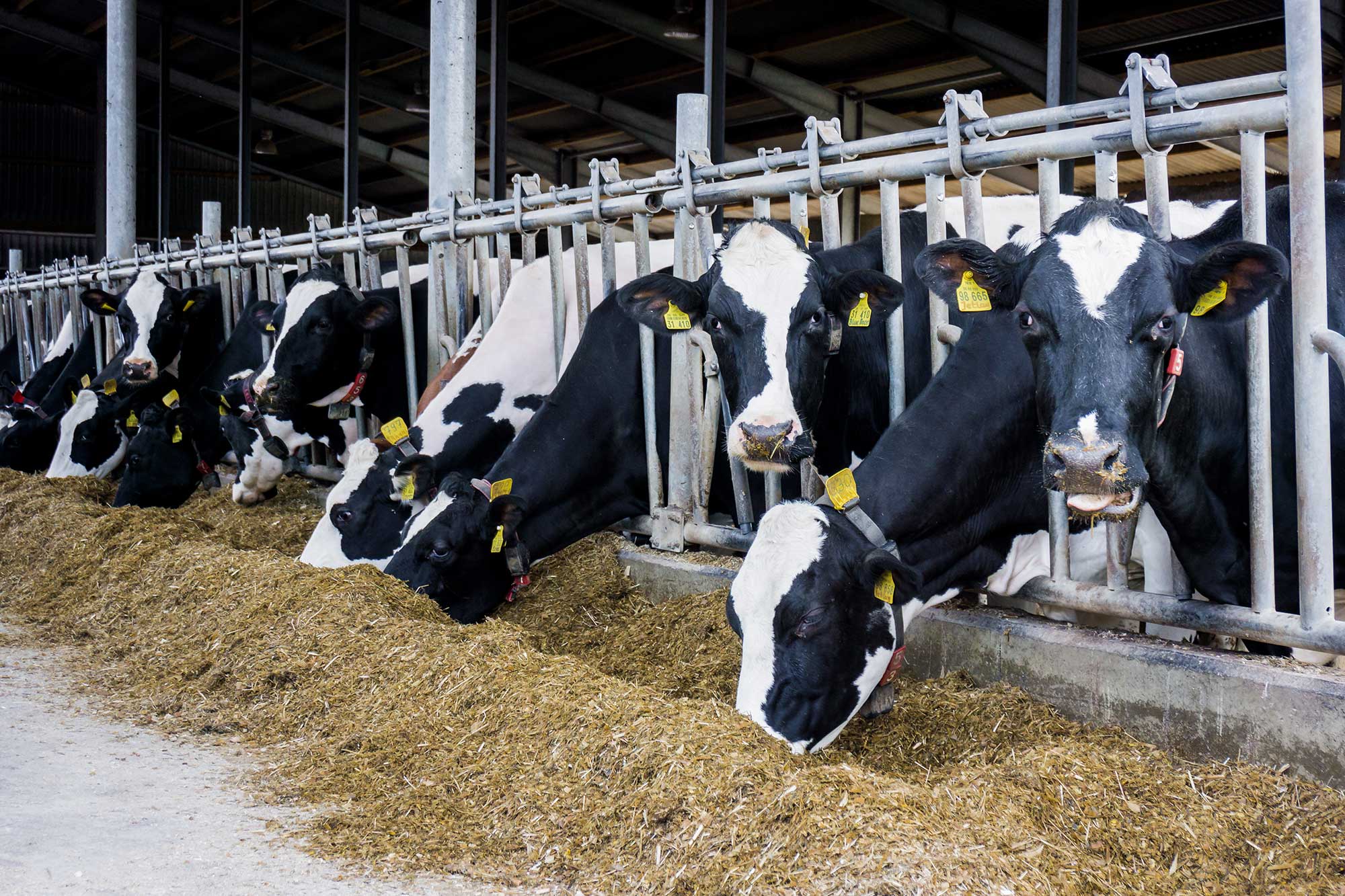
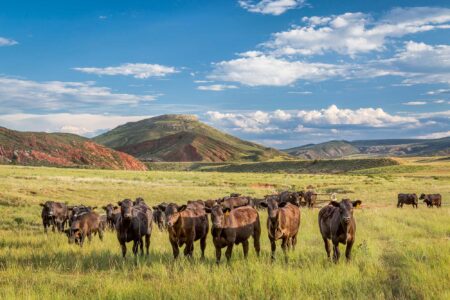
dairy
Image by Ewa Studio, Shutterstock

Under the new grant, the team will develop a storage method that allows bovine sperm to be stored at about 5 degrees Celsius, roughly the temperature of a household refrigerator, eliminating the need for liquid nitrogen. The work builds directly on the group’s previous research clarifying how sperm move, how they generate energy, and how low temperatures cause cellular damage. If preservation and transport become possible at refrigerator temperatures, artificial insemination could become far easier to use.

Supporting food security and livelihoods in India and Africa
The project is being carried out in collaboration with agricultural organizations and government-affiliated research institutes in India, along with research groups within Hiroshima University.

Milk is both a vital source of nutrition and a major source of income in many regions of India and Africa. However, small-scale farmers often struggle to obtain highly productive cattle, and this has become one of the contributing factors to food insecurity and poverty. If this technology becomes widespread, it is expected to increase milk production, stabilize incomes for small-scale dairy farmers, and improve children’s nutritional status.

Shimada’s laboratory already hosts doctoral students from government agencies in countries where the technology is expected to roll out, including Nigeria, Mozambique, and Bangladesh. A framework is also in place to train local experts and roll out the technology on the ground.

By developing artificial insemination technology that can work even in regions where liquid nitrogen is hard to obtain, the project aims to expand the possibilities of global dairy farming and the future of food.

Share. Facebook Twitter Pinterest LinkedIn Tumblr Email

Related Posts

Farmer Sentiment Slides as Export Concerns Extend into 2026

Farmer Sentiment Slides as Export Concerns Extend into 2026

February 3, 2026 News
PLC, BLM Strengthen Grazing Monitoring on Public Lands

PLC, BLM Strengthen Grazing Monitoring on Public Lands

February 3, 2026 News
EPA Clarifies Farmers’ Right to Repair Non-road Diesel Equipment

EPA Clarifies Farmers’ Right to Repair Non-road Diesel Equipment

February 2, 2026 News
U.S. Cattle Inventory Dips Again as Herd Rebuild Remains Slow

U.S. Cattle Inventory Dips Again as Herd Rebuild Remains Slow

February 2, 2026 News
Mark Gold’s Weekly Grain Comments for Feb. 2, 2026

Mark Gold’s Weekly Grain Comments for Feb. 2, 2026

February 2, 2026 News
Arizona FFA Foundation blue & gold gala raises record 6,677

Arizona FFA Foundation blue & gold gala raises record $646,677

February 2, 2026 News

Leave A Reply Cancel Reply

Don't Miss
News

How a Fridge Could Transform Dairy Breeding Worldwide

By staffFebruary 3, 20260

A Hiroshima University-led project has secured a $1.8 million grant from the Gates Foundation to…

America’s Farmers are Cornerstones of Super Bowl Parties

America’s Farmers are Cornerstones of Super Bowl Parties

February 3, 2026
PLC, BLM Strengthen Grazing Monitoring on Public Lands

PLC, BLM Strengthen Grazing Monitoring on Public Lands

February 3, 2026
EPA Clarifies Farmers’ Right to Repair Non-road Diesel Equipment

EPA Clarifies Farmers’ Right to Repair Non-road Diesel Equipment

February 2, 2026

Subscribe to Updates

Get the latest agriculture news and updates directly to your inbox.

Our Picks
U.S. Cattle Inventory Dips Again as Herd Rebuild Remains Slow

U.S. Cattle Inventory Dips Again as Herd Rebuild Remains Slow

February 2, 2026
Mark Gold’s Weekly Grain Comments for Feb. 2, 2026

Mark Gold’s Weekly Grain Comments for Feb. 2, 2026

February 2, 2026
Farmers’ Almanac to Continue After Last-Minute Acquisition

Farmers’ Almanac to Continue After Last-Minute Acquisition

February 2, 2026
Arizona FFA Foundation blue & gold gala raises record 6,677

Arizona FFA Foundation blue & gold gala raises record $646,677

February 2, 2026
Agriculture Fertilizer
Facebook X (Twitter) Instagram Pinterest
  • Privacy Policy
  • Terms of use
  • Advertise
  • Contact Us
© 2026 All rights reserved. Agriculture Fertilizer.

Type above and press Enter to search. Press Esc to cancel.