





Gratitude improves your cardiac function, reduces inflammation, improves sleep, decelerates neurodegeneration, and becomes more resilient. Why not take two minutes in your car, on a walk to the barn, or before you open your eyes in the morning to list a few things you’re grateful for? It will literally change your brain chemistry.
Practicing intentional gratitude also calms your nervous system and helps pull you out of the negativity loop that can plague those involved in agriculture.
Why does gratitude help?
Science shows it makes meaningful difference in cortisol levels, can lead to long-term positive changes in the brain, and put you in a better mood. Gratitude activates brain regions associated with reward, enhancing your feelings of contentment and emotion.
You can start small — as one farmer pointed out, you don’t have to make a grand, sweeping gesture. Make small choices to practice gratitude by bringing someone coffee, giving thanks for one thing you’re grateful for before you open your eyes in the morning, or giving a sincere compliment to one person daily.

Growing a habit of gratitude goes beyond what some might consider “fluff.” The medical community calls gratitude a biological intervention because it lowers cortisol, boosts serotonin, and rewires your nervous system.
Research shows regularly practicing gratitude can lead to long-term positive changes in the brain, supporting mental health and resilience — it helps us see the good in life, and the people who make it better. It doesn’t just feel good in the moment; it actually has measurable effects on our brain and body; two gratitude activities (counting blessings and gratitude letter-writing) reduced the risk of depression in at-risk patients by 41 percent over a six month period.
“I have started telling people thank you for being a part of my path in life when I talk to them,” shares farmer Brian Corkill. He said sometimes people have a second of surprise but thinks people truly appreciate hearing that. “It’s important to consider the simple things to not only help you with your well-being, but others as well. We are largely lacking those touch points currently, or it certainly feels like that.”
Gratitude connects us, but how we express it might matter more than we think.
Baylor professor of psychology and neuroscience Sarah Schnitker explores how practicing gratitude can lead to stronger relationships and greater well-being. Her lab found that gratitude expressed through prayer may offer even more benefits than journaling or speaking it, and that feeling connected to something larger may help combat today’s growing loneliness.
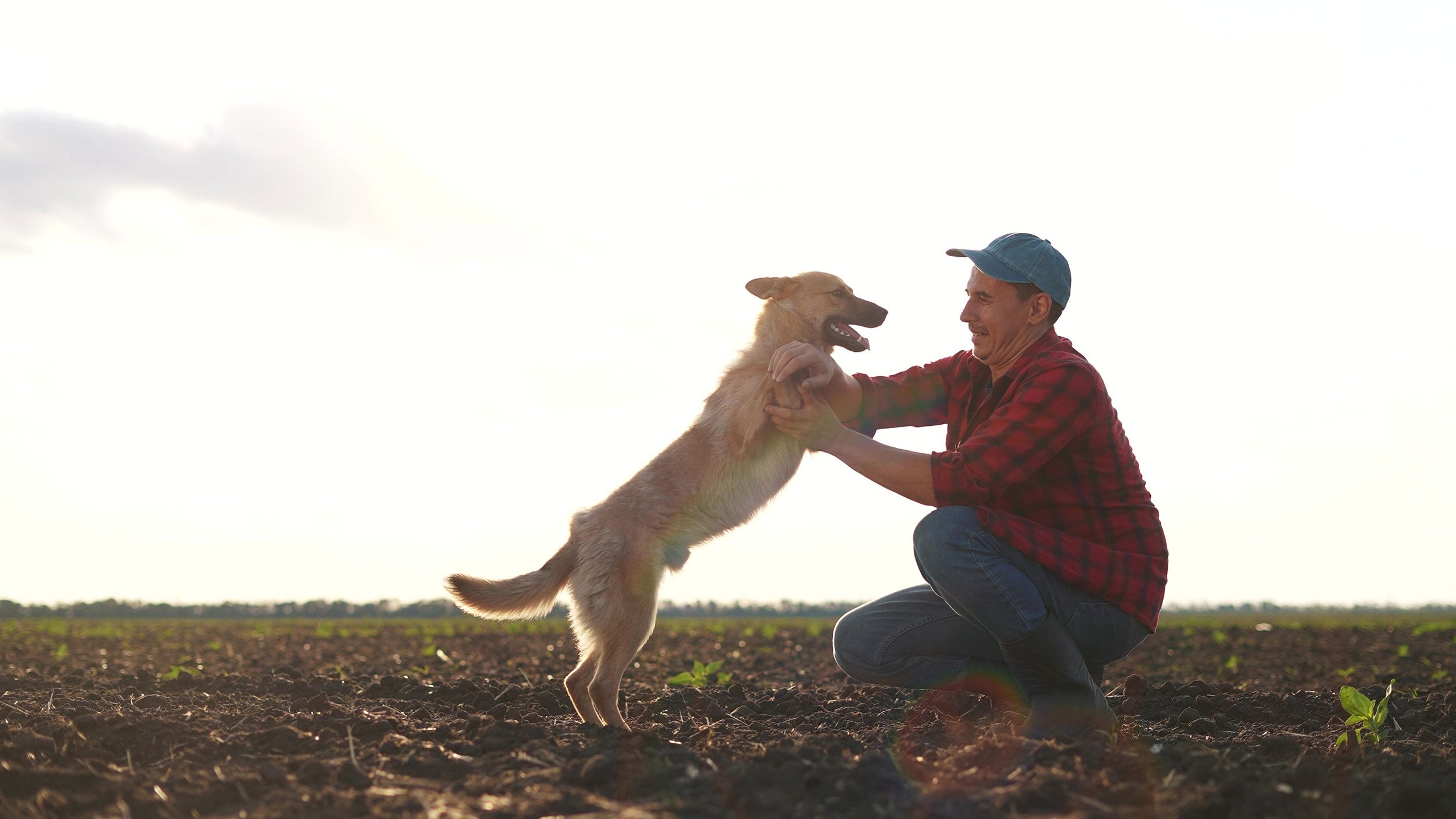
Former New York dairy farmer Tom Cassidy has experienced this. “Years ago I read that Benjamin Franklin started his day asking, ‘What good shall I do this day?’ and ending it by asking, ‘What good have I done today?’ I added those thoughts to my morning and evening prayers. Soon I realized that purposely thinking about my own acts of goodness had me noticing acts of goodness from others.”
10 ideas go grow your gratitude
1. Keep a gratitude journal
Write down three things you are grateful for each day — this trains your mind to notice positives, increases happiness, and lowers depressive symptoms over time. Keeping a gratitude diary for two weeks led to 28 percent drop in perceived stress and 15 percent less depression in one study on healthcare practitioners.
Life coach Sarah Zastrow says, “Every morning while my coffee is brewing, I write three good things that happened yesterday. I keep a little notebook by my coffee pot to make it easy to remember. I call this the 3D effect because it gives you a double dose of dopamine.”
2. Practice gratitude prayer or meditation
Spend a few minutes daily focusing on things, people, or experiences you appreciate. Gratitude meditation enhances your emotional regulation, and prayer connects you to something bigger. Cassidy points out, “When I lead people in classes on prayer they are often intimidated because the prayers they hear and read are usually by people who are professionals, or at the very least, highly experienced. I think the practice of gratitude is often the same. They have no idea of the messy, quick and dirty prayers of my head and heart. You have to allow yourself the grace to be (or at least feel) weird and imperfect.”
3. Express appreciation to others
Regularly thank friends, family, or coworkers in person, by note, or digitally. Acknowledging others’ kindness strengthens relationships and boosts positivity for all involved. Michigander Allison Purtrell offers an example of this. “I text a friend/family member in the moment to share a blessing of positive news along the philosophy of lucky person syndrome. The sense of community is a reinforcement for myself and friends/family to lift each other up and give thanks no matter what else might be going on.”

4. Create a gratitude jar
Write something you’re thankful for on a slip of paper and deposit it in a jar. Review your collection whenever you need encouragement or perspective.
5. Reframe challenges as lessons
When facing setbacks, consciously reflect on what you can learn or how difficulties have contributed to your personal growth and resilience.
6. Set gratitude reminders
Schedule regular reminders (phone alarms or calendar events) to pause, notice, and mentally list things you appreciate. Incorporate gratitude into your morning or bedtime routine.
7. Take gratitude walks
Go outside and intentionally appreciate your surroundings, such as the warmth of the sun, the sound of harvest, or a sunrise. Gratitude for simple joys can improve your mood.
8. Be specific about your gratitude
When journaling or sharing appreciation, be detailed. Instead of “I’m grateful for my family,” specify who and why — this deepens the sense of gratitude. Minnesota farmer Carolyn Olson posts 100 days of gratitude. “I post it on all my socials hoping to inspire others to think about things they are grateful for.” It’s been a good reminder, and a fun way to see inside her life through simple posts appreciating specific food, farming equipment, family members, or friends.
9. Volunteer or help others
Give time or support to others in need. Acts of kindness foster a sense of connection and amplify gratitude for your own circumstances.
10. Visualize grateful moments
Regularly imagine and relive the details of moments, people, or events you are thankful for. Visualization enhances positive feelings and helps you remain present. Small business owner Kathy Adkins keeps rotating photos of favorite people and animals at her desk. When stress hits, she stops, looks at a picture and remembers a happy memory, and tells herself, “This too shall pass,” takes a breath, ad gets back to work. She now uses this strategy anywhere — like during a flat tire on the road.
Gratitude looks different for everyone. The key is to find what works for you.
Here are more resources to help:
1. Wisconsin Extension article emphasizes practicing gratitude with clear purpose daily on farms to handle stress, such as focusing on what you are grateful for before starting chores and writing down personal and farm goals to maintain clarity and positivity.
2. The Do More Agriculture Foundation highlights gratitude as a powerful tool for resilience, improving positivity, health, and relationships on and off the farm, reinforcing a connection to something larger than oneself.
3. Mental Health First Aid outlines workplace gratitude strategies that reduce stress and depressive symptoms by fostering recognition and kindness, which can translate to agriculture business environments.
4. National Farm Mental Health Alliance stresses the mental health benefits of regular gratitude practice in agriculture settings where stressors are high, suggesting active attention to daily positives and mindful appreciation.
Make this your year of cultivating gratitude! Paying attention to the things and people around you that you are grateful for can help you to learn to be more grateful.
Michele Payn helps the people of agriculture have tough conversations about managing stress, connecting with consumers, and making sense of science. Learn more about her speaking and writing at causematters.com or follow @mpaynspeaker on social media.