




DAILY Bites
-
New guidance issued February 2, 2026, says farmers and equipment owners have the legal right to repair nonroad diesel equipment, helping cut costs and downtime.
-
Federal clean air law allows temporary disabling of certain emissions controls for repair, as long as equipment is returned to proper working condition afterward.
-
Manufacturers can no longer cite clean air law to block access to repair tools, software, or information needed by farmers and independent repair shops.
DAILY Discussion
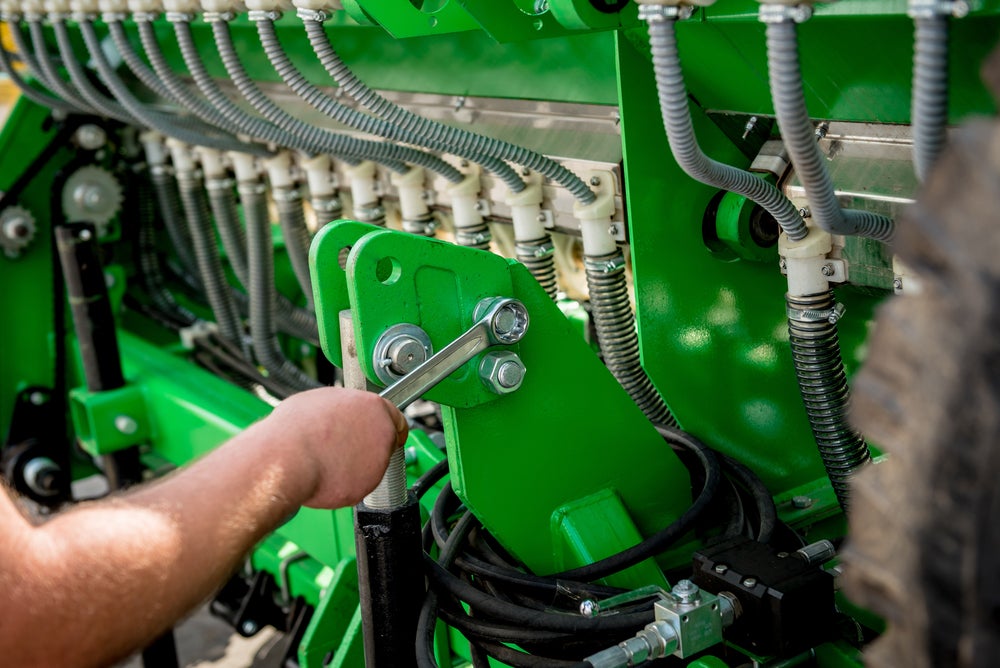
The U.S. Environmental Protection Agency on Monday announced new guidance that clarifies farmers and equipment owners have the legal right to make their own repairs to their non-road diesel equipment, which the agency says can help farmers save money on repairs, minimize downtime, and increase productivity during critical planting and harvest seasons.
The new guidance, announced February 2, 2026, says that the Clean Air Act actually supports the right to repair, rather than limiting the ability of farmers and repair businesses to temporarily disable certain emissions controls during legitimate repair activities. According to the EPA, manufacturers can no longer point to the Clean Air Act as a way to deny farmers and repair businesses access to tools, software, and repair information needed to make repairs to their diesel engines.
For several years, many manufacturers have used the Clean Air Act’s anti-tampering provisions to prevent farmers from making repairs to their own equipment, claiming the Clean Air Act prohibited them from providing repair tools to farmers outside of the dealership network. This has required farmers to take their equipment to distant repair shops, increasing the cost and downtime of the farmer’s operation.
“EPA is proud to set the record straight and protect farmers. For far too long, manufacturers have wrongly used the Clean Air Act to monopolize the repair markets, hurting our farmers,” said EPA Administrator Lee Zeldin. “Common sense is following the law as it is written, and that is what the Trump EPA is committed to doing. By protecting every American’s right to repair, we’re not just fixing devices, we’re securing a stronger, more independent future for our country.”
The guidance applies to nonroad diesel engines equipped with advanced emissions technologies, including selective catalytic reduction systems and Diesel Exhaust Fluid systems. EPA emphasized that the clarification does not weaken emissions standards or change the law, but instead reaffirms existing statutory language that allows temporary overrides of emissions systems when done “for the purpose of repair” and followed by a return to proper functionality.
Agriculture Secretary Brooke Rollins said the clarification is expected to deliver meaningful cost savings for producers who have faced rising equipment expenses in recent years.
“This is another win for American farmers and ranchers by the Trump Administration. By clarifying manufacturers can no longer use the Clean Air Act to justify limiting access to repair tools or software, we are reaffirming the lawful right of American farmers and equipment owners to repair their farm equipment,” Rollins said. “Thank you, Administrator Zeldin, for continuing to put farmers first. This is expected to save our farmers thousands in unnecessary repairs, saving much needed funds after Bidenflation drove up equipment costs on average 45 percent.”
Small Business Administrator Kelly Loeffler echoed that sentiment, noting the impact on family farms and rural repair businesses.
“EPA’s guidance affirming the Right to Repair will save our agricultural communities thousands of dollars by eliminating corporate middlemen and empowering farmers to fix their own equipment,” Loeffler said. “The Clean Air Act has long crushed family farmers across America – but under the Trump Administration, they are finally getting the regulatory relief to break free from burdensome Green New Scam rules and focus on the vital job of feeding, clothing, and fueling America and the world.”
According to EPA, the lack of repair access has also influenced equipment purchasing decisions. Some farmers have opted to keep older machines without modern emissions controls because they can service those units themselves, rather than risk downtime with newer equipment that requires dealer-only repairs.
The agency’s guidance reiterates that temporary removal or disabling of emissions components during maintenance is allowed under the Clean Air Act, provided the equipment is returned to its certified configuration before resuming operation. EPA also clarified that the law places no restrictions on who may access repair tools or what type of tools may be used, as long as repairs are legitimate and emissions systems are restored.
The guidance follows a June 3, 2025, request from John Deere asking EPA to confirm that temporary emissions overrides are permissible for repair purposes. It also builds on prior EPA action announced in August 2025 encouraging manufacturers to revise DEF system software to prevent sudden equipment shutdowns while repairs are underway.
EPA officials say the clarification will expand repair options, increase consumer choice, and encourage continued use of newer, cleaner farm equipment — while maintaining the agency’s core mission of protecting human health and the environment.