





For the past few weeks, social media has been full of posts marking the transition from the Year of the Snake to the Chinese zodiac Year of the Horse, or, more specifically, the Fire Horse. The theme is everywhere: transformation is out, momentum is in. And it makes sense that brands would rush to match their marketing to the Lunar New Year buzz.
At first glance, that kind of seasonal storytelling can feel like a natural, positive kickoff. It’s symbolic, celebratory, and an easy way for companies to connect their products to something culturally meaningful. But sometimes, trying to “embrace the theme” doesn’t just miss the mark, it risks alienating the very communities a brand is trying to appeal to.
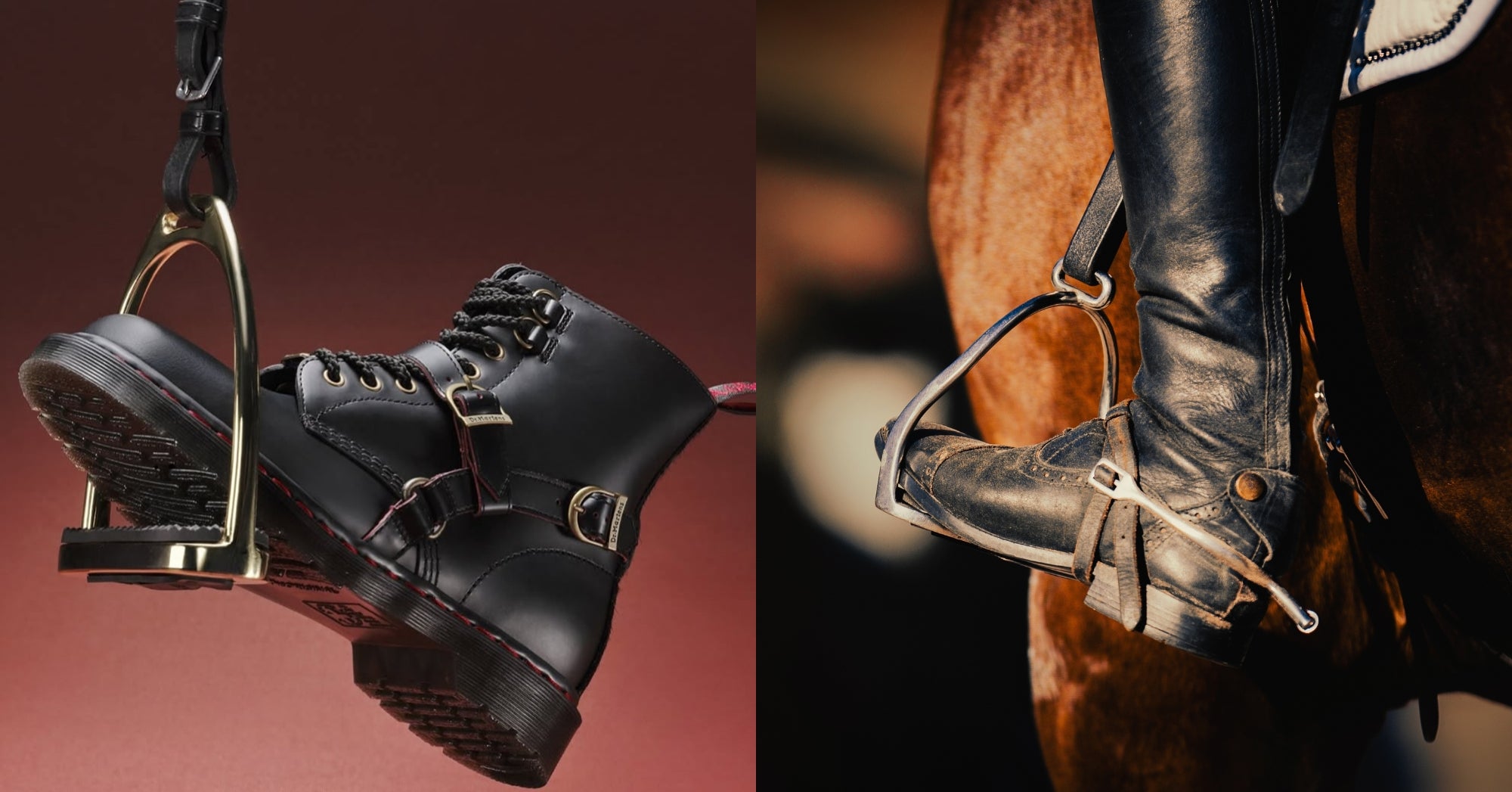
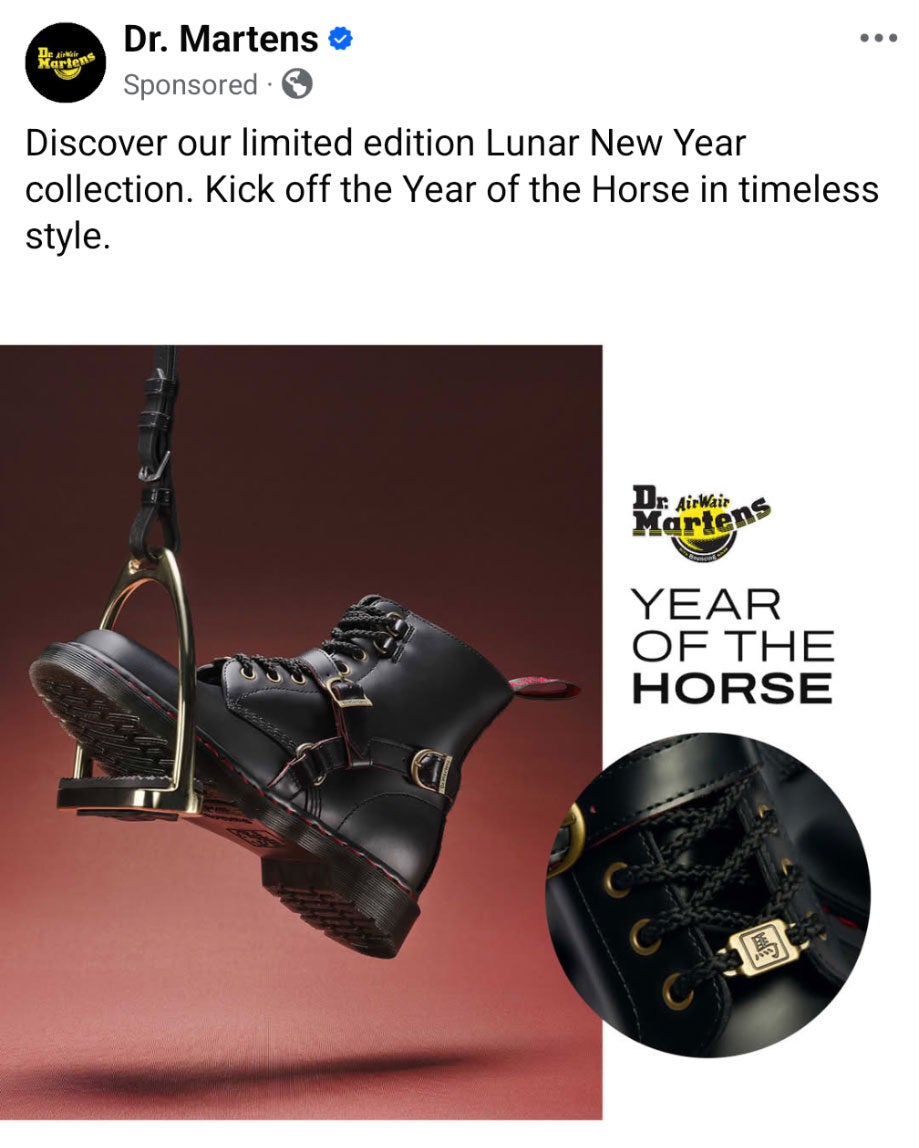
That’s exactly what happened when I saw Dr. (Doc) Martens’ new sponsored ad for its Lunar New Year collection, featuring the 1460 Year of the Horse Leather Boots (along with the 1461 Year of the Horse Leather Shoes, which swap the brand’s signature yellow stitching for red).
The product itself? Fine.
The concept? Fine.
The advertising execution? Not so much.
First off, please don’t try to ride in Doc Martens!
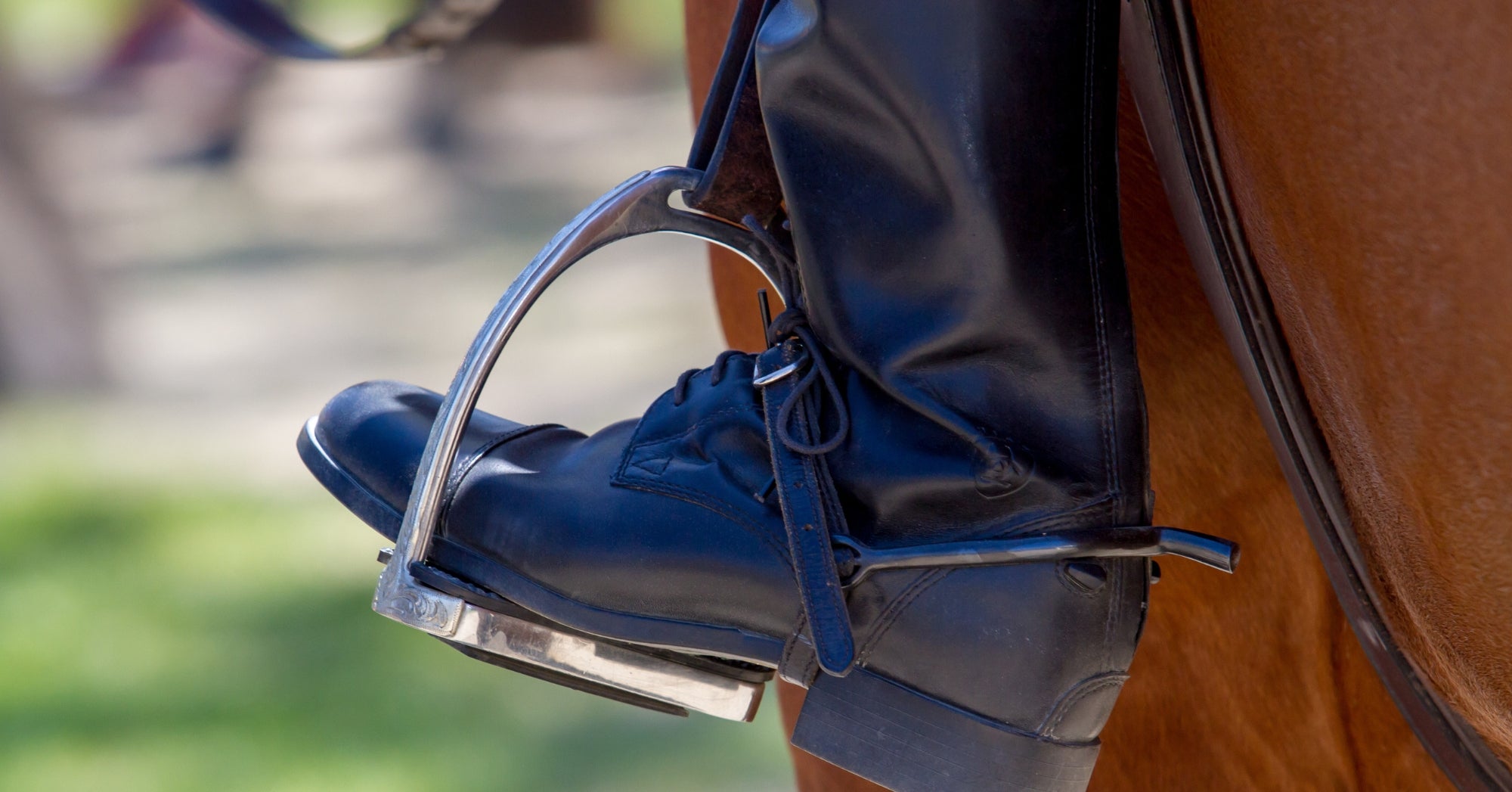
Before we even get into the tack details, we need to start with the obvious: Riding in high-tread Doc Martens is a disaster waiting to happen. Any equestrian will tell you that footwear isn’t just about comfort or style, it’s about safety. A proper riding boot has a heel and a smooth sole designed to prevent your foot from slipping through the stirrup and getting caught.
Doc Martens are the opposite of that: thick, heavy soles with deep tread designed for traction. In a stirrup, that’s a recipe for getting stuck and dragged, which is one of the most dangerous accidents in riding.
So, while the ad is clearly intended to be symbolic (and good work on keeping your heels down, Doc Martens!) the first message the horse community is going to hear is: Please don’t do this!
Beyond the riding-boot issue, the photo itself features a second major problem, and this one is where the campaign really begins to unravel. In the ad image, the boot appears positioned in a stirrup iron … except the stirrup isn’t attached to a proper stirrup leather, which is the thick leather strap designed to hold the stirrup securely in place.
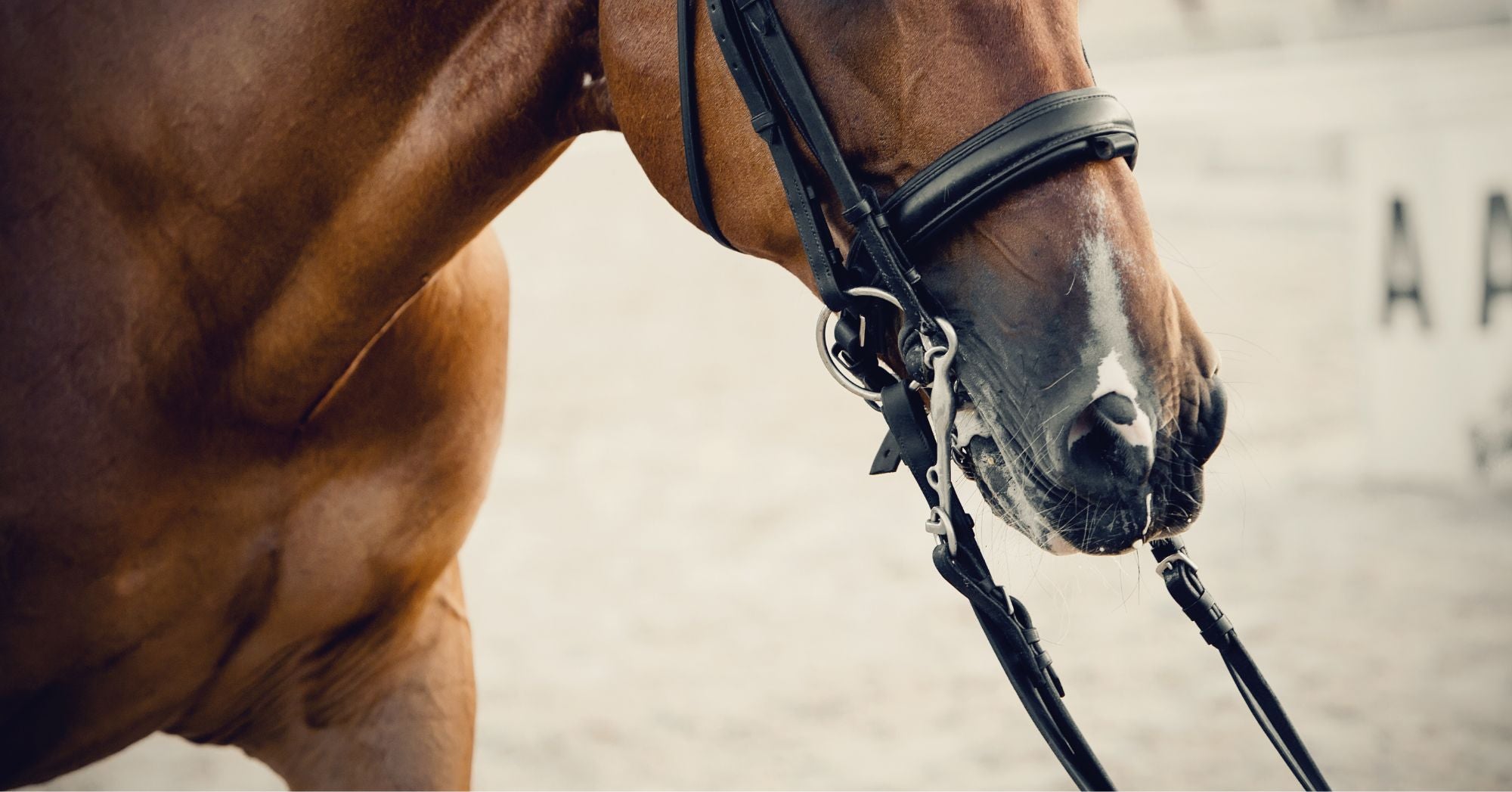
Instead, the stirrup is connected through what looks like a rein or cheekpiece from the bridle, tack that is absolutely not intended to hold a rider’s weight. To people outside the horse world, that might seem like a small, harmless detail.
To equestrians, it’s not just inaccurate — it’s unsafe. And beyond that, it signals that the company didn’t bother to consult someone who understands what they’re portraying. It’s like putting a firefighter in a photoshoot and attaching their air tank with a bungie cord. Or marketing hunting gear with a rifle scope mounted backward.
Horse people might be known for being passionate (and let’s be real, sometimes difficultly so), but it isn’t just nitpicking, bad equipment representation can encourage dangerous behavior.
The equestrian community is used to brands borrowing “horse aesthetic” without understanding it. We’ve seen it in fashion campaigns, influencer content, and lifestyle ads for years: incorrectly fitted bridles, backward saddles, stirrups attached to decorative straps, models sitting on horses like they’re chairs.
Sometimes it’s cringe, and sometimes it’s funny. But when a company is as established and brand-savvy as Dr. Martens, a brand with decades of loyal consumer identity and a strong marketing track record, campaigns like this feel especially out of place.
A good example of rural communities being fiercely honest about a campaign is seen in the 2021 response to Queen Bey’s Ivy Park Rodeo collection, which sparked debate within the cowboy community, not just about style, but about authenticity, representation, and whether the brand’s messaging aligned with the lifestyle it was referencing.
Whether you loved that collection or hated it, the broader takeaway was the same: When you market to a culture, the culture will respond.
If you want to build horse-branded products, or even just use horse imagery to tell a story, you don’t need to become an equestrian overnight, you just need to hire one. Brands love equestrian themes because they signal heritage, strength, tradition, luxury, and grit. But when the details are wrong, horse people don’t just feel like the brand “didn’t get it.”
If you’re going to build a campaign around the Year of the Horse, do it right. Celebrate it. Style it. Make it bold. But please, don’t attach a stirrup to a bridle and call it good.
Heidi Crnkovic, is the Associate Editor for AGDAILY. She is a New Mexico native with deep-seated roots in the Southwest and a passion for all things agriculture.