




What if we took a moment to revisit the historical record and teachings of Jesus and posited that he was most likely not the son of a carpenter, as he is popularly depicted, but rather the son of a farmer?
It is perhaps a controversial perspective, centered on an individual from a remote ancient region from which few first-hand accounts survive. The interpretation of Jesus’ family primarily being involved in agriculture requires an analysis of biblical and early historical texts of the common era, an interpretation of how people were most likely depicted in oral traditions, and a recognition of the geography around Galilee, the northern section of modern-day Israel where Jesus was raised.
We need to “realize that this is a society and economy that’s driven by agriculture; so most people in one way or another are involved in agriculture,” religion professor Jonathan Reed from the University of La Verne explained in an article for Bible Odyssey.
How hard would it be to make the leap that Joseph and his son, Jesus, spent much of the year growing crops?
Even the parables recounted in the Gospels strongly suggest that Jesus had a far greater foundation in agriculture than he would have had in woodworking. Most sources tally that three quarters of Jesus’ illustrations and parables are about farming, farms, or farmers.
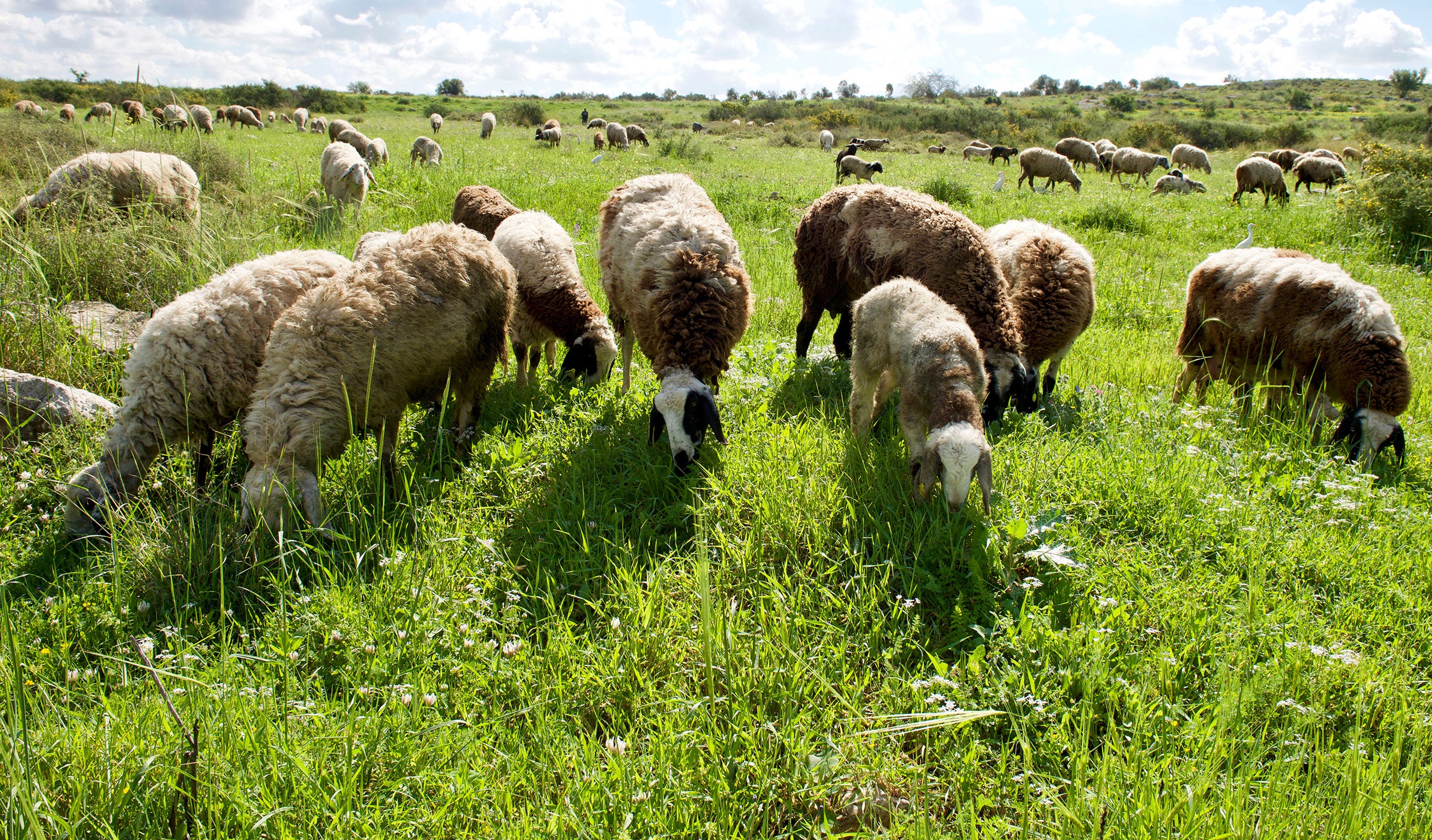
For example, three of the most famous Gospel parables are the Parable of the Sower, in which seeds are spread on a variety of terrain; the Parable of the Mustard Seed, which describes the kingdom of God; and the Parable of the Lost Sheep, celebrating the return of each stray from the flock.
None of these, nor countless others, reference carpentry themes such as wood chips or splinters or wood cuttings not being perfectly fit for the purpose.
“If Jesus truly had been raised by a carpenter, you would expect him to use those metaphors in his parables, the stories by which he explained his vision for the kingdom to his illiterate disciples,” historian and author Jean-Pierre Isbouts told AGDAILY. A carpenter’s workshop is a wellspring of creative and allegorical inspiration, filled with scents and textures from which to easily draw. “But no, almost every parable has an agricultural component to it.”
Isbouts says that these indications should point toward modern Christians talking about Joseph the farmer, not Joseph the carpenter. Yet if that were the case, how did our account deviate so drastically?
In essence, Isbouts says much of the blame lay with the biblical translation from the original Greek into the King James Version.
During the 17th century, those working on the text translated the Greek word tekton, which we understand to mean builder or craftsman, into “carpenter” when describing Joseph.
“So ever since, Christians have had this romantic idea of Joseph living in a house and that he had a workshop attached to his house. And there he was sawing away and hammering away,” Isbouts said, also referencing artwork throughout history depicting the holy family. “And it’s completely false.”
Joseph was most likely someone in the community who was good with his hands, explained Isbouts, who explores these and other topics of the era in his book, The Fractured Kingdom: Uniting Modern Christianity Through the Historical Jesus. He states that Joseph would have been called upon if a neighbor wanted to build a wall around his property or if somebody wanted to build a house and needed to create a roof, which would have been done with lattice work and palm fronds. These are things, according to Isbouts, that would fit the role of a tekton from Galilee.
“He probably was a skilled worker in that sense, but that was mainly his side occupation, according to the first century historian [Flavius] Josephus, who only talks about Jesus a little bit but does tell us an enormous amount of very valuable data about first century Galilee,” Isbouts said.
An abbreviated history of agriculture in Galilee
Aquifers — nourished every year by winter rainfall — below the salt tables in Galilee helped make this the most fertile region in the Middle East during Jesus’ time. For that reason, virtually everyone who resided there was involved in farming in a significant way.
“This would have been a fairly hard life, a difficult life, lots of menial labor, fairly intensive labor, but also very seasonal labor,” Reed wrote. “So that there would be times in the agricultural cycle where there wouldn’t be that much work, where you would try to eke out a living, maybe by producing things or fishing just a little bit more.”
To describe someone in a manner that would make them stand out, a historian would have to use a term besides “farmer” — which could explain how Mark came to describe Jesus as the son of a tekton (a craftsman) instead of as the son of a farmer.
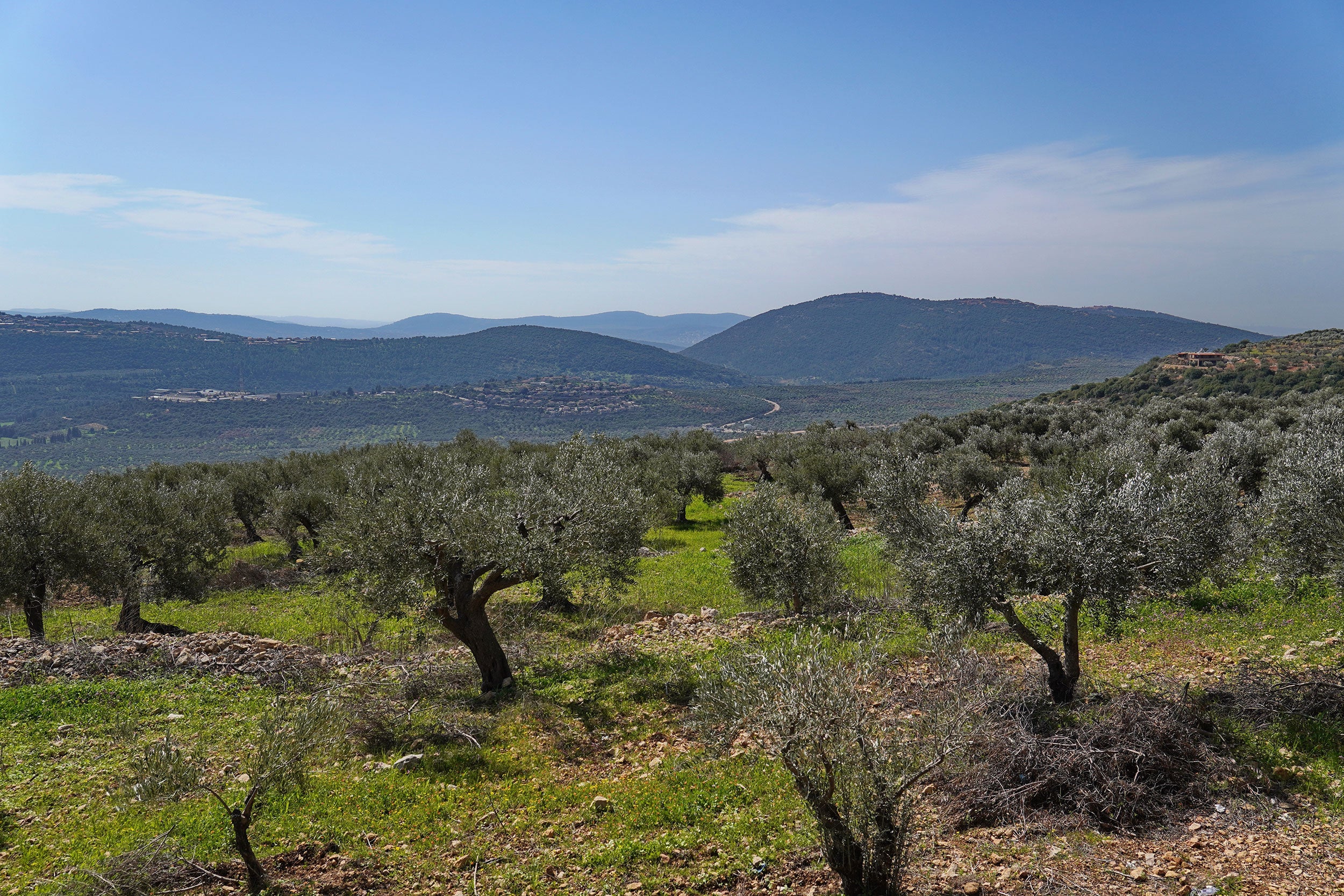
Isbouts has a theory that further undercuts the version of Jesus’ family centered around carpentry — he said there was almost no native wood — aside from low-quality olive tree lumber — in Galilee.
“Every carpenter knows that you can’t work with olive wood,” Isbouts added. “It’s just simply too gnarly and too difficult to work with.”
During that era, Isbouts said most of the best wood came from Lebanon (Solomon, for example built the first temple with cedar wood from Lebanon), and he suggests that Joseph and his family wouldn’t have had a true carpentry shop in a region where wood wasn’t a prime commodity.
Agriculture, on the other hand, was prominent.
Olives, orchards, produce, and cereals were long among the top cultivated crops from Galilean farmers. Archaeological evidence from ancient toilets shows a diverse and healthy diet among the population prior to the reign of King Herod.
But that appears to have changed as Jesus grew up. According to Isbouts, residents of Galilee were no longer eating whole grains but rather consuming more barley, which had generally been cultivated as feed for animals and was now being used for poor-quality bread. The people no longer had access to fruits and vegetables. Under the thumb of Rome, governmental leaders began putting a massive (an unsustainable 35 or 40 percent) tax yoke on farmers, who had largely been doing subsistence farming until then. Ancestral plots began to get confiscated as residents defaulted on payments, Roman-appointed stewards took over land operations, and hatred began to boil over at tax collectors.
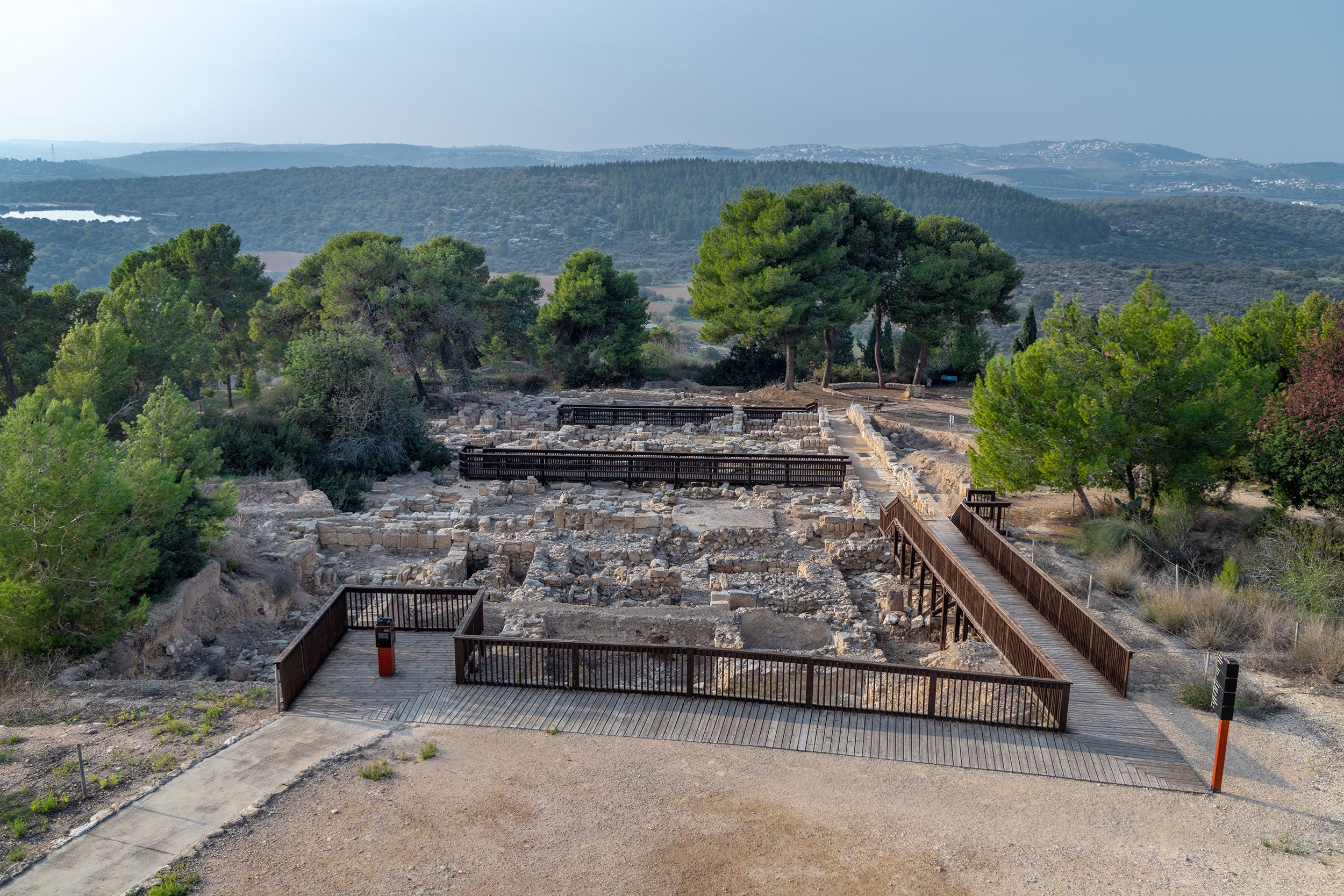
All of this was done to harness the fertility of Galilee for export crops, which ultimately created vast, industrial agricultural operations.
“So, the agricultural story of Galilee is a tremendously tragic one,” Isbouts explains. “And that’s why when Jesus talks during the Sermon of the Mount, all of a sudden he is talking to hundreds or thousands of people who are all sick, lame, hungry. These are terms that the gospels talk about very, very clearly.”
Jesus’ profound connection with farmers
The gospels indicate that Jesus had a deep connection with the agricultural community of his time. It’s likely Joseph assumed that his oldest son would follow in his footsteps, as people often did in ancient times. There would be training specific to a father’s profession that would be passed on.
While Jesus’ background helped him connect with people, the bureaucracy and oppression from Rome and its regional leaders helped set the tone for Jesus’ audiences.
“His vision of the kingdom was shaped by the incredible tragedy of the agricultural economy,” Isbouts observed.
Isbouts says that Jesus, by all accounts, would have been skilled at talking to the populations. Long before becoming a rabbi around the age of 30, Jesus would have been shown to be unusually intelligent and articulate, despite a notable lack of educational possibilities for someone of his status.

But Isbouts says there are no signs that Jesus ever used his knowledge to practice as a carpenter or even as a handyman, even if, as a young man, he may have joined his father on some construction projects.
“I want to dispel this idea that somehow Jesus grew up in a middle class, well-to-do home where Joseph had lots of stacks of wood against the wall and was busy making doors and furniture and so on,” Isbouts said.
What does make more sense, he says, is that Jesus’ early life with his father and mother was more closely tied to agriculture than to any other profession.
Ryan Tipps is the founder and managing editor of AGDAILY. He has covered farming since 2011, and his writing has been honored by state- and national-level agricultural organizations.