





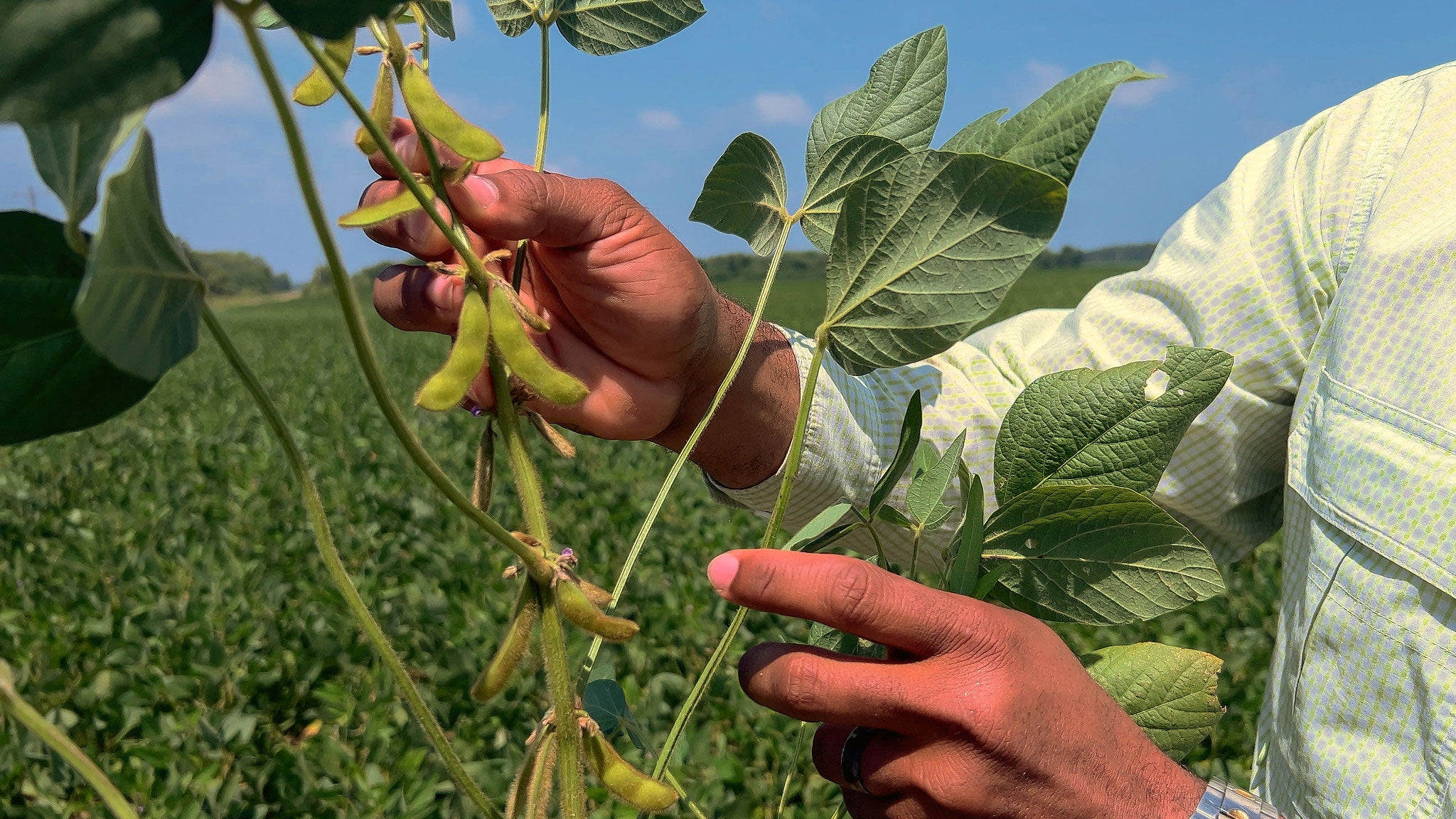
New tools. New markets. New ways forward. Agriculture as an innovation engine. A place where practices evolve to meet the needs of billions of people.
Yet rarely do we ask a harder question: Who has been innovating without access all along?
When land, capital, and formal pathways were restricted or denied, innovation did not stop for Black agriculturalists. It simply moved outside the systems that now claim to champion progress.
Black History Month, in February, gives us an opportunity to rewrite the story we tell about innovation in agriculture. Not as something that only happens in boardrooms, laboratories, or grant-funded programs, but as something that has always existed in backyards, cooperatives, kitchens, churches, and community networks. Long before inclusion became a buzzword, Black agricultural ingenuity was already solving problems without permission.
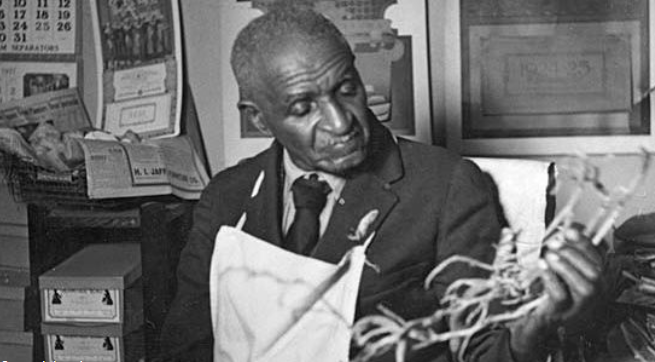
Much of Black agricultural innovation has lived beyond formal institutions because it had to. Extension work for Black farmers, for example, was shaped by segregation and unequal resource allocation, which limited access to services and information available to white farmers.
Knowledge was shared informally when access to extension services was limited. Seeds were saved, traded, and protected when ownership of land was unstable. Cooperative economics emerged not as a trend, but as a necessity. These were not side projects. They were systems built under constraint, designed to endure.
Jessica Gordon Nembhard, political economist and author of Collective Courage: A History of African American Cooperative Economic Thought and Practice, explains that cooperative strategies and informal networks were essential tools for Black farmers navigating inequitable access to land, capital, and technical assistance. According to Gordon Nembhard, Black cooperatives were not created as alternatives to the mainstream agricultural economy, but as necessary responses to systematic exclusion from markets, credit systems, and institutional support.
That history matters because it mirrors what we still see today. While agriculture invests heavily in technology and entrepreneurship, recognition often follows familiar paths. Innovation is validated when it comes from well-funded operations, research institutions, or established networks. Meanwhile, community-based food systems, urban growers, small-scale agripreneurs, and informal leadership pipelines continue to operate at the margins, even as they address some of the industry’s most pressing challenges.
This pattern reveals a deeper issue. Agriculture does not lack innovation. It lacks recognition of where innovation comes from and who is allowed to be seen as an innovator.
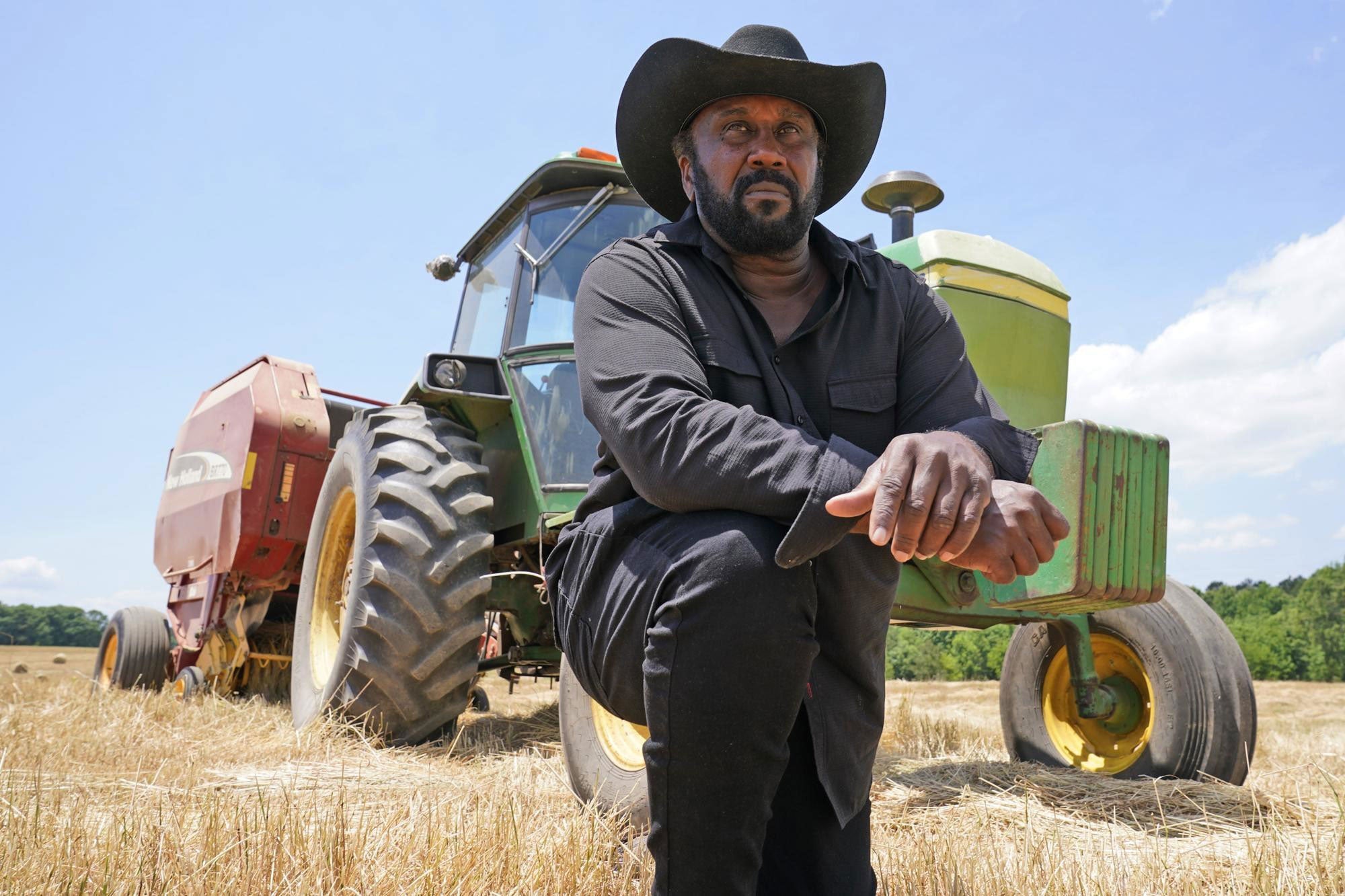
Consider how often resilience is celebrated in agriculture without acknowledging who has been practicing it for generations. Black farmers and food system leaders have long adapted to unpredictable markets, climate pressures, and policy barriers. They have diversified crops, shortened supply chains, and built community-centered models that prioritize sustainability and access.
These approaches are now being studied, funded, and branded as solutions for the future, even though they were born from exclusion.
That context matters. As the U.S. Department of Agriculture’s Economic Research Service notes, “Farm diversity reflects differences in farm size, production practices, and market access, shaped in part by historical and institutional factors.” In practice, those factors have produced a landscape in which “of the approximately 2 million U.S. farms in 2022, 91 percent were non-Hispanic White, 4 percent were Hispanic, 2 percent were non-Hispanic American Indian or Alaska Native, 1 percent were non-Hispanic Black or African American, and 1 percent were non-Hispanic Asian farms.”
The cost of ignoring this history is not just cultural. It is strategic. When innovation is only recognized through formal channels, agriculture narrows its own imagination. It overlooks talent. It misses scalable ideas. It underinvests in solutions that have already proven their durability under pressure.
Nowhere is this more visible than in conversations about entrepreneurship and workforce development. As the U.S. Department of Labor has emphasized, “expanding access to workforce development and apprenticeship programs is essential to meeting industry demand and strengthening the talent pipeline.”
As the industry grapples with labor shortages and leadership gaps, Black creativity continues to flourish outside traditional pipelines. Young people are building food businesses through social media, community markets, and informal mentorship. Agripreneurs are blending technology with grassroots models, finding ways to operate without waiting for institutional approval. These efforts are often framed as exceptions rather than evidence of a broader pattern.
Innovation without permission is not accidental. It is what happens when people are forced to create pathways where none were provided. And Black History Month challenges agriculture to sit with that reality. That reality exists alongside a broader moment of historical retrenchment.
In recent months, we have seen renewed efforts to narrow how history is told in public spaces and federal institutions. Monuments tied to enslavement and colonial expansion have been restored or defended, while commemorations that acknowledge Indigenous history have been challenged or erased. At the same time, public-facing government resources that once documented civil-rights struggles, racial discrimination, and the legacy of slavery, including materials housed on federal agriculture websites, have quietly disappeared.
These shifts matter, not because history can be undone, but because what we choose to preserve signals whose contributions we value. As the National Park Service has noted, “Public memory is not neutral; it reflects decisions about whose stories are preserved and whose are marginalized.”
When narratives about race, labor, and exclusion are softened or removed, the systems built on those histories remain untouched, while the people most affected are rendered invisible once again.
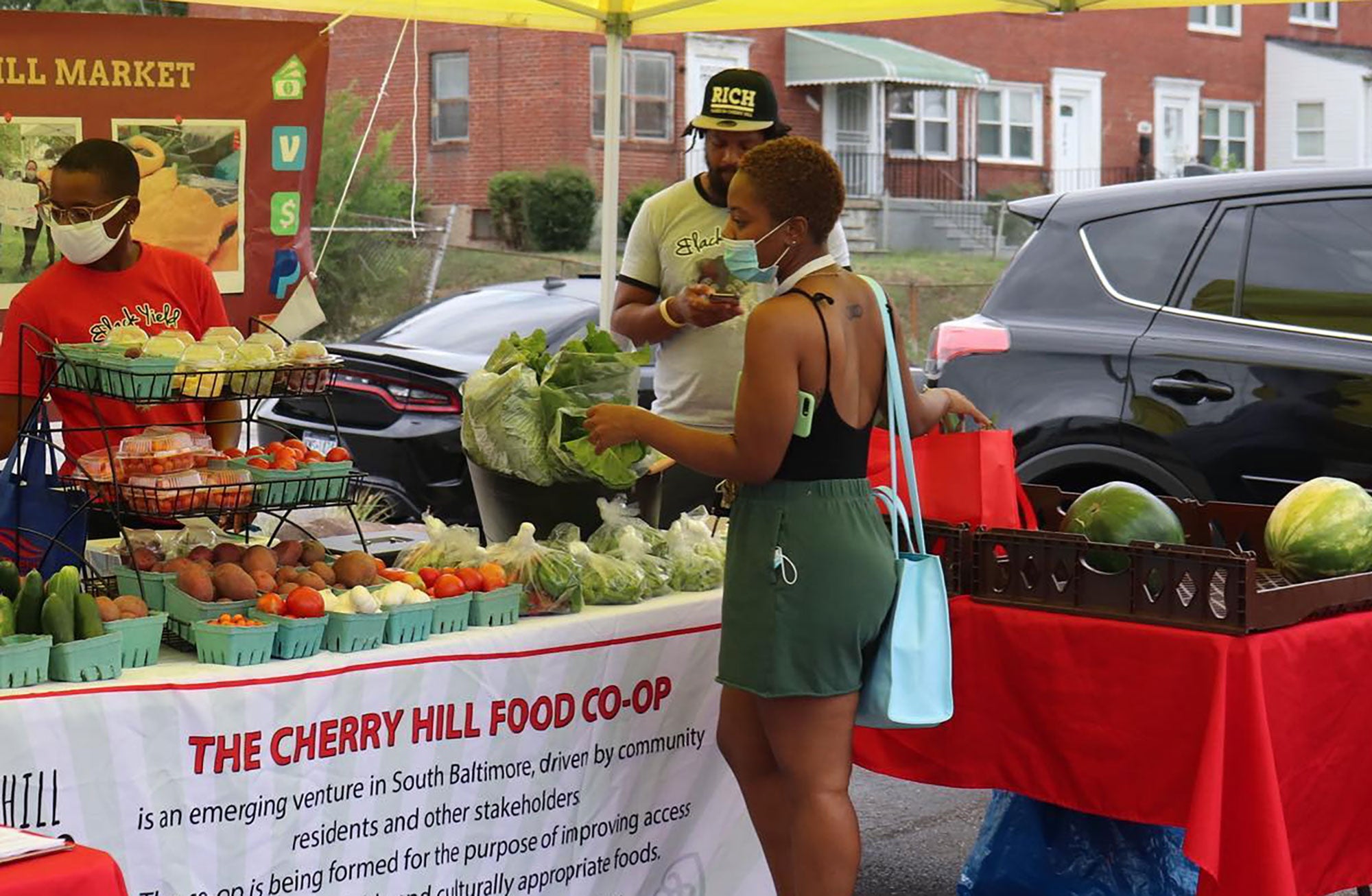
Rewriting this narrative does not mean abandoning institutions. It means expanding them. It means recognizing that innovation does not require permission to exist, but it does require investment to scale. It means listening to the people who have been building solutions all along and asking how agriculture can support, rather than absorb or overlook, their work.
This moment matters because agriculture is at a crossroads. Climate uncertainty, workforce shortages, civil-rights challenges, and rapid technological change demand creativity from every corner of the industry. The future will not be built by a single model or voice. It will be shaped by those who understand how to adapt, collaborate, and persist.
Black agricultural innovation offers exactly that perspective. It is rooted in resilience, sharpened by constraint, and driven by community. It is not new, and it is not marginal. It is foundational.
Bre Holbert is a past National FFA President and studied agriculture science and education at California State-Chico. “Two ears to listen is better than one mouth to speak. Two ears allow us to affirm more people, rather than letting our mouth loose to damage people’s story by speaking on behalf of others.”