



Author: staff


U.S. farm groups are urging Congress to deliver urgent economic relief, warning that mounting losses and tight credit conditions are pushing large parts of agriculture toward a breaking point. In a Jan. 15, 2026, letter to Senate and House leadership, 56 agricultural organizations describes an existential threat looming over many farms, stating, “America’s farmers, ranchers, and growers are facing extreme economic pressures that threaten the long-term viability of the U.S. agriculture sector. An alarming number of farmers are financially underwater, farm bankruptcies continue to climb, and many farmers may have difficulty securing financing to grow their next crop.” The groups…

Image by Nokwan007, Shutterstock Top Third Ag Marketing, a division of StoneX Financial Services Inc., helps farmers become better agricultural marketers with the goal of marketing crops in the top third of prices. Mark Gold and his team provide AGDAILY.com with the latest information and a look ahead in their audio commentary. Listen to Mark Gold’s Weekly Grain Comments here! https://www.agdaily.com/wp-content/uploads/2026/01/Top-Third-agdaily-2026-01-20.mp3
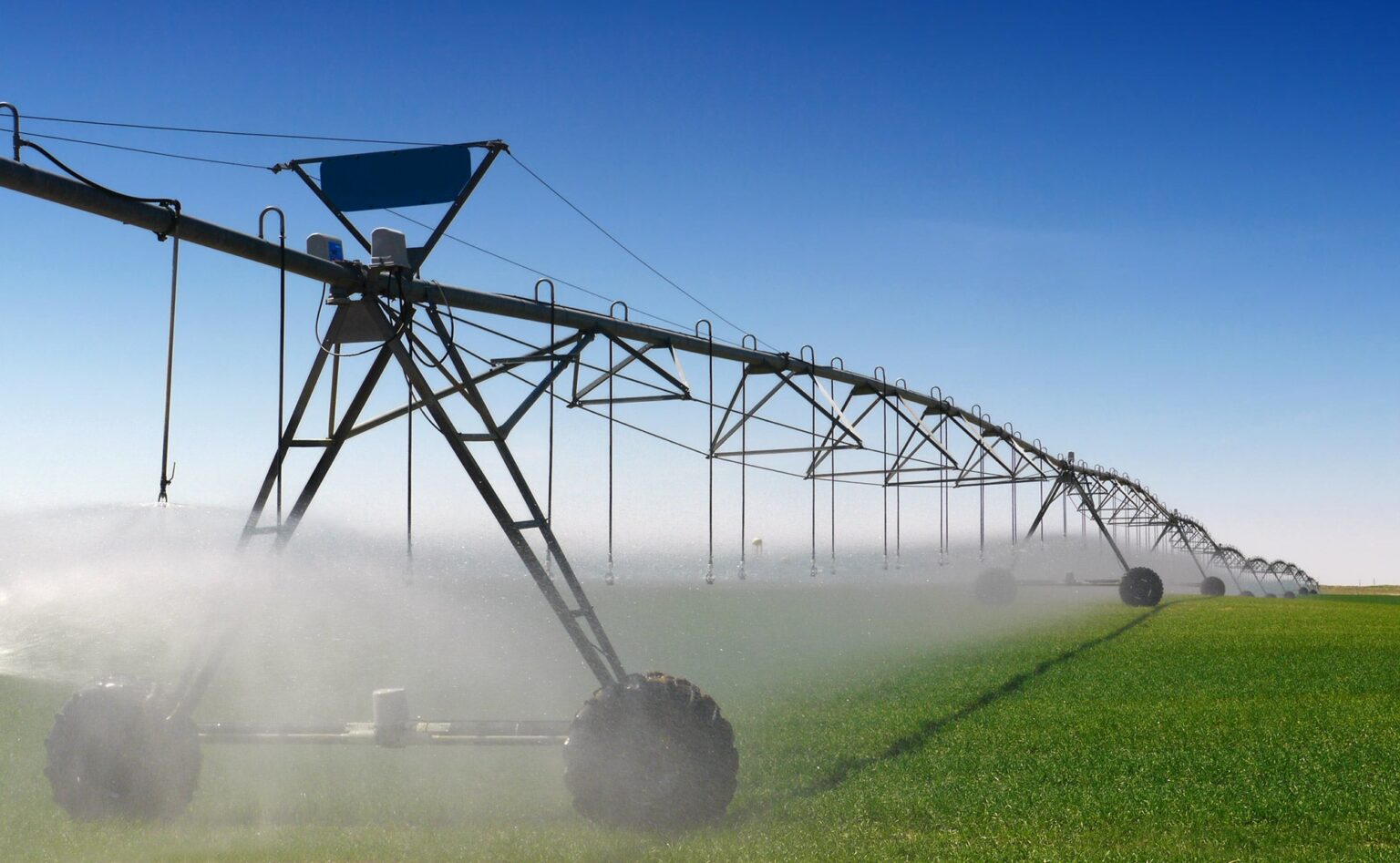
A California-based energy technology company is rolling out a new system designed to help farms earn revenue by adjusting when they use electricity, particularly during peak demand periods when the grid is under strain. Yield Energy, formerly known as Polaris Energy Services, launched its agriculture-focused distributed energy resource management system, or DERMS, which connects on-farm equipment such as irrigation pumps to utility demand response and load-shifting programs. The platform is already managing more than 200 megawatts of agricultural electricity use, according to the company, including over 100 megawatts enrolled in the Pacific Gas and Electric Company’s agriculture-specific Hourly Flex Pricing…
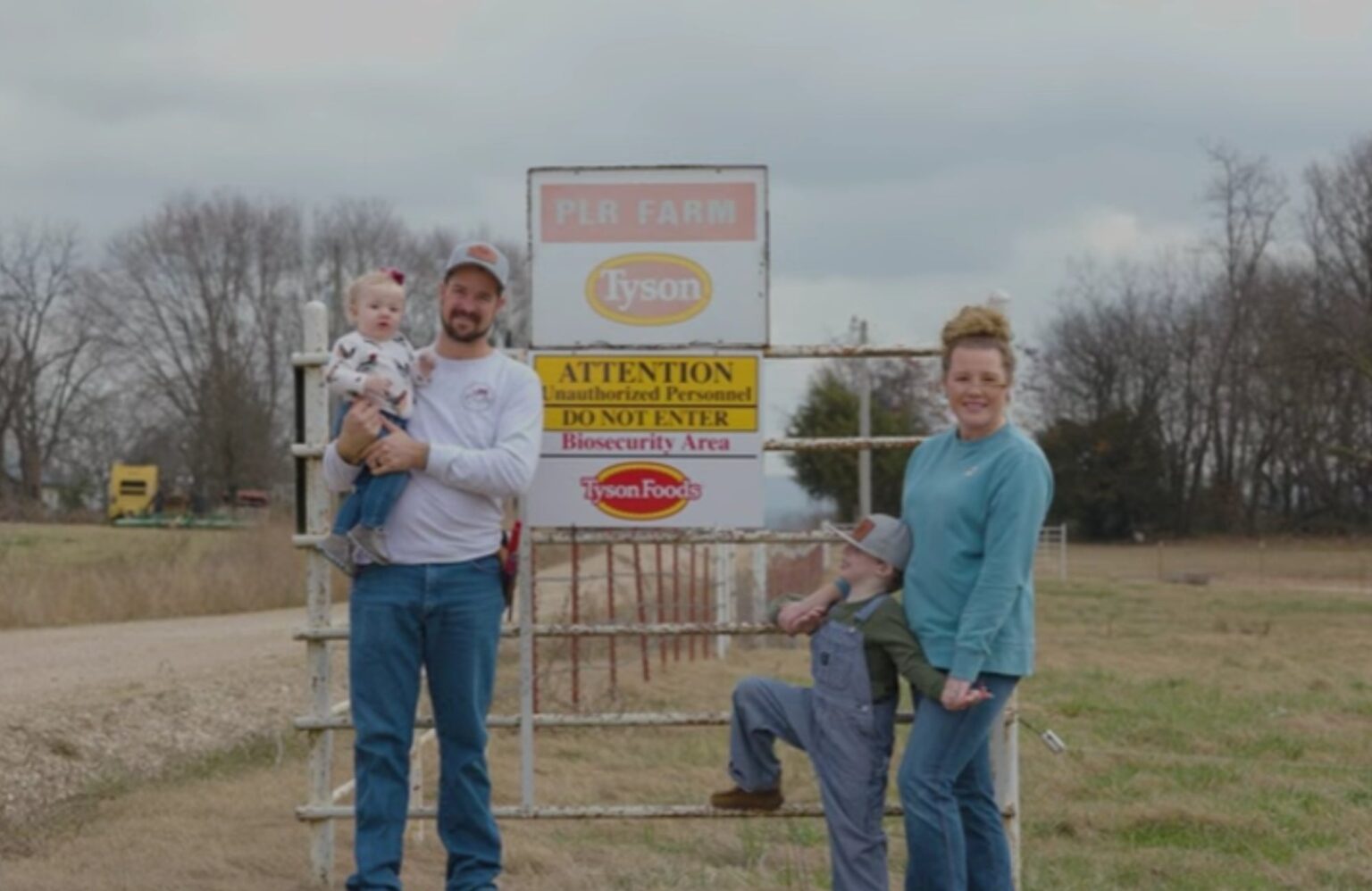
Poultry growers in northwest Arkansas and eastern Oklahoma say a long-running environmental lawsuit is now threatening their farms, their contracts, and the rural communities built around the poultry industry. The concerns stem from Oklahoma’s decades-long lawsuit against Tyson Foods and other poultry companies over phosphorus pollution in the Illinois River Watershed. A recent federal court ruling places poultry integrators operating in the watershed under court oversight for at least 30 years and requires companies to fund cleanup and monitoring efforts. In the ruling, U.S. District Judge Gregory Frizzell said the court was not persuaded by arguments that water quality in…
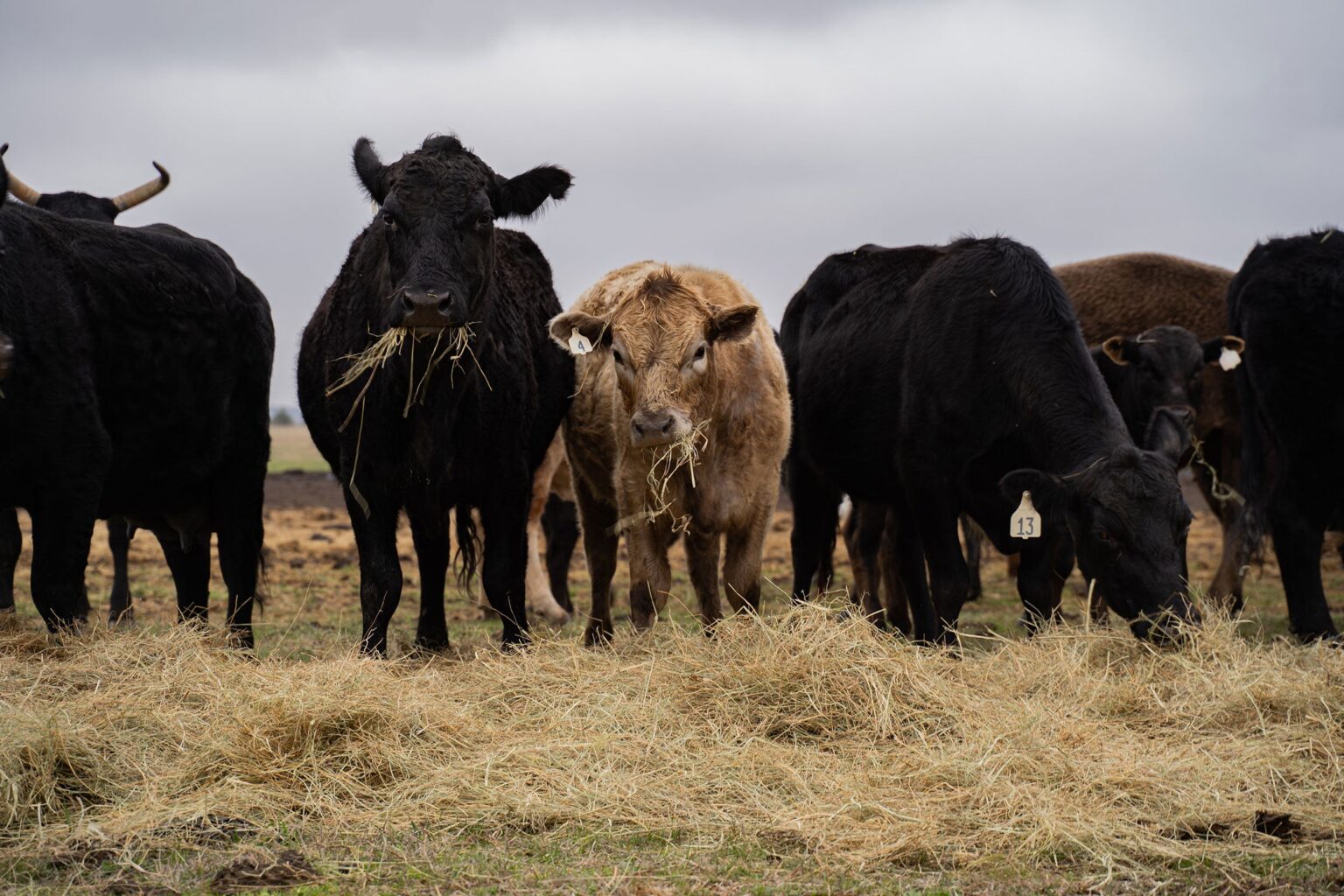
South Dakota could become the eighth state to restrict lab-grown meat under legislation introduced this week by a farmer-lawmaker who says the technology needs more scrutiny before reaching consumers. House Bill 1057, introduced Wednesday by state Rep. John Sjaarda, a Republican and South Dakota farmer, would prohibit the manufacture, sale, and distribution of lab-grown, cell-cultured meat products in the state for the next 10 years. The bill would also allow the state to remove any prohibited products from store shelves. Supporters frame the proposal as a pause rather than a permanent ban, giving regulators and researchers time to better understand…

The U.S. Department of Agriculture is now accepting applications for the USDA 1890 National Scholars Program, which aims to encourage students at the Congressionally created 1890 land-grant universities to pursue careers in food, agriculture, and natural resource sciences. The application deadline is March 8, 2026. Students around the country can submit their applications online through an online application. The USDA 1890 National Scholars Program is available to eligible high school seniors entering their freshman year of college who will attend one of the 1890 land-grant universities and pursue degrees in agriculture, food, natural resource sciences, or related academic disciplines. The…
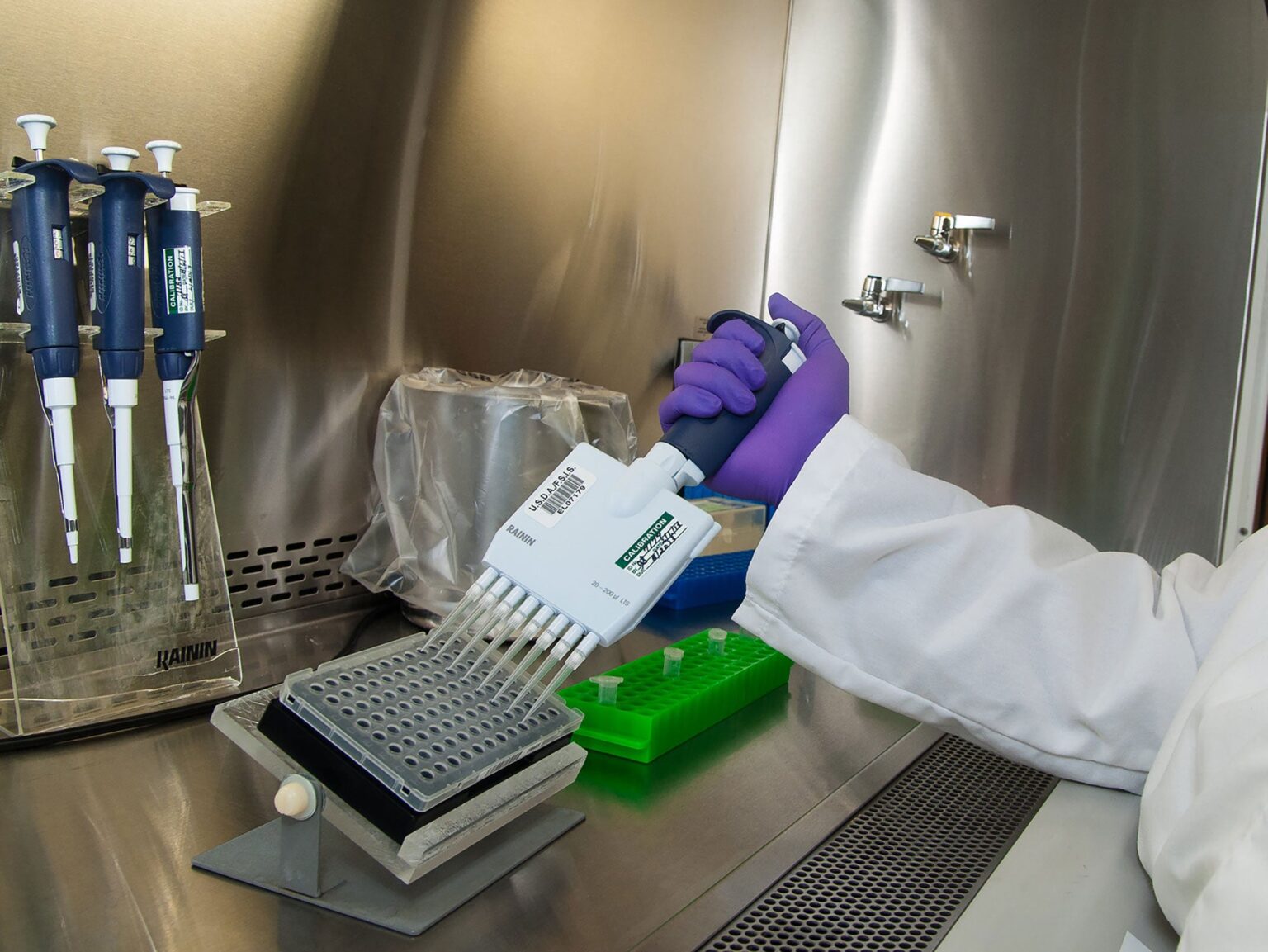
The Trump administration is directing employees at the U.S. Department of Agriculture to investigate foreign scientists who collaborate with the agency on research papers for evidence of “subversive or criminal activity.” The new directive, part of a broader effort to increase scrutiny of research done with foreign partners, asks workers in the agency’s research arm to use Google to check the backgrounds of all foreign nationals collaborating with its scientists. The names of flagged scientists are being sent to national security experts at the agency, according to records reviewed by ProPublica. At a meeting last month, USDA supervisors pushed back…
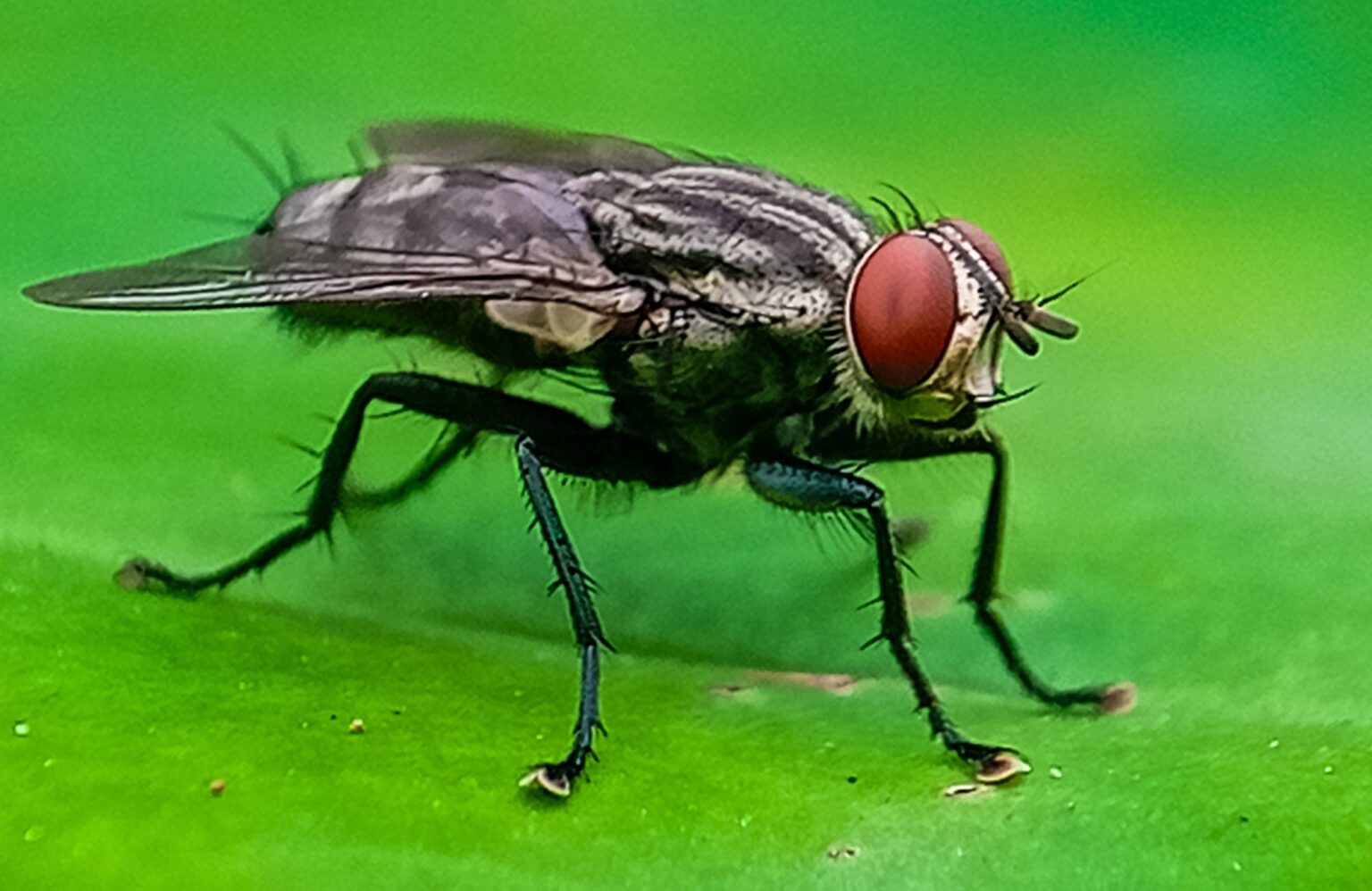
Texas Agriculture Commissioner Sid Miller is urging heightened vigilance from livestock producers along the Texas-Mexico border after Mexico confirmed eight additional cases of New World screwworm in the state of Tamaulipas. Mexico’s National Service of Agro-Alimentary Public Health, Safety, and Quality confirmed the new cases, bringing the total number of confirmed New World screwworm cases in Tamaulipas since December 30, 2025, to 11. Tamaulipas borders Texas from about Laredo down to the Gulf, raising concerns about the pest’s potential spread northward. “It’s just plain cowboy logic — when you’re seeing this many cases, this fast, it tells you there may…

Aarush Muthukrishnan, a 4-H member from Allegheny County, earned first place in the 13 to 15 age category of the national 4-H AI in Agriculture Challenge. This competition invites youth to explore how artificial intelligence can address real-world challenges in agriculture. Participants identify an industry problem and design an AI-based solution, applying STEM skills while envisioning a more sustainable agricultural future. Muthukrishnan’s project, TerraScan, is a low-cost, open-source AI robot that maps soil conditions to help small farmers in Pennsylvania reduce fertilizer use and limit pollution. In Pennsylvania, more than 28,000 miles of streams are polluted, according to the Pennsylvania…
I keenly remember learning the about the U.S. Department of Agriculture’s Food Pyramid — which was released here in the early ’90s — during my elementary and middle school years. Even as a child, it was easy to comprehend the widest part of the food pyramid contained the foods I should eat the most of, followed by smaller amounts of the upper levels. As you can see from the 1992 diagram below, fats and oils were the smallest level and therefore, meant to be consumed the least. This was in the days of ostracizing all fat, including the cholesterol in…