




Author: staff


Earlier this week, Purdue University announced that due to persistently low enrollment, the Department of Agricultural Sciences Education and Communication will shutter programs in June 2026. The undergraduate Agricultural Education major will continue within the College of Agriculture. According to the school’s news release, this action aligns with Indiana Code 21-18-9-10.5, amended in the 2025-27 state budget, which requires Indiana public institutions to review programs with low enrollment and graduation numbers and either eliminate or restructure them. Agricultural Education will remain an undergraduate major in the College of Agriculture and the only agricultural education program at a public university in…

Agricultural waste that is usually burned or left to rot could play a far bigger role in tackling climate change if it were instead used in long-lasting building materials, according to new research from the University of East London. The study shows that fibrous residues from crops such as wheat, rice and maize — produced in billions of tonnes every year worldwide — could act as a powerful carbon sink when diverted into construction products like insulation, boards and panels. Rather than releasing carbon back into the atmosphere within months, these materials can store it for decades. Led by Dr.…
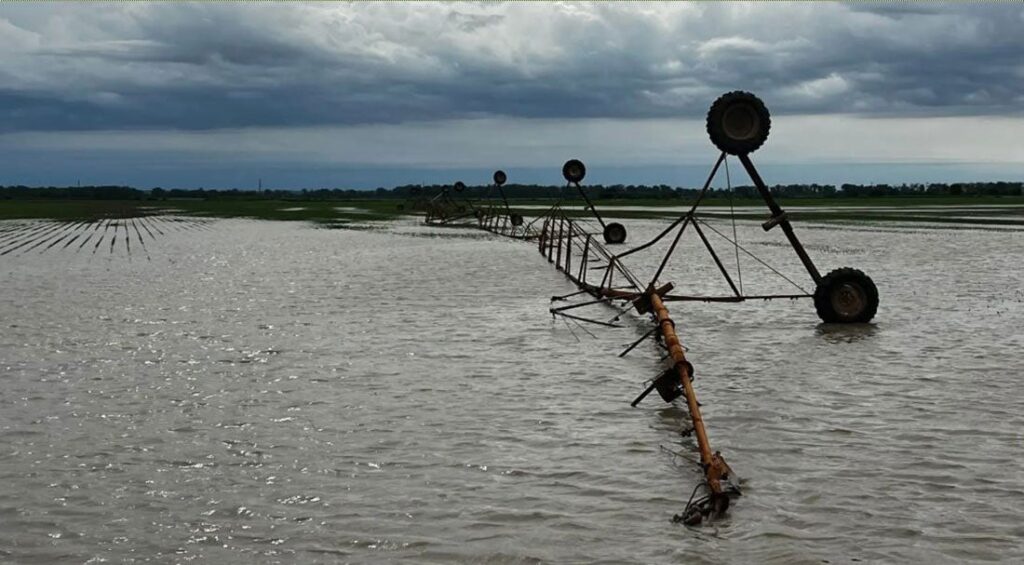
“This story was originally published by Grist. Sign up for Grist’s weekly newsletter here.” In his 15 years of farming full time, Quentin Connealy has weathered his share of storms — literally. The first major flood hit in 2011. Three more came in 2019. The waters rose again in 2024 and ruined about 20 percent of his crops. This past summer, he dealt with at least three hail and wind events that damaged his corn and soybeans. To Connealy, whose family has been farming in Nebraska for 131 years, the weather has grown more extreme, posing a greater threat to…

Five-time Entertainer of the Year Luke Bryan will headline his 17th Farm Tour in 2026 and will return for a second consecutive year to play spring dates in California on May 14, 15, and 16, 2026. Special guests for the event will be announced at a later date. “We had such a great response to the shows out West last year that we decided to come back,” Luke Bryan’s media company said in a statement. “It was so impactful to learn from the farmers about what affects their operations and families, and our hope is to shine a little spotlight…
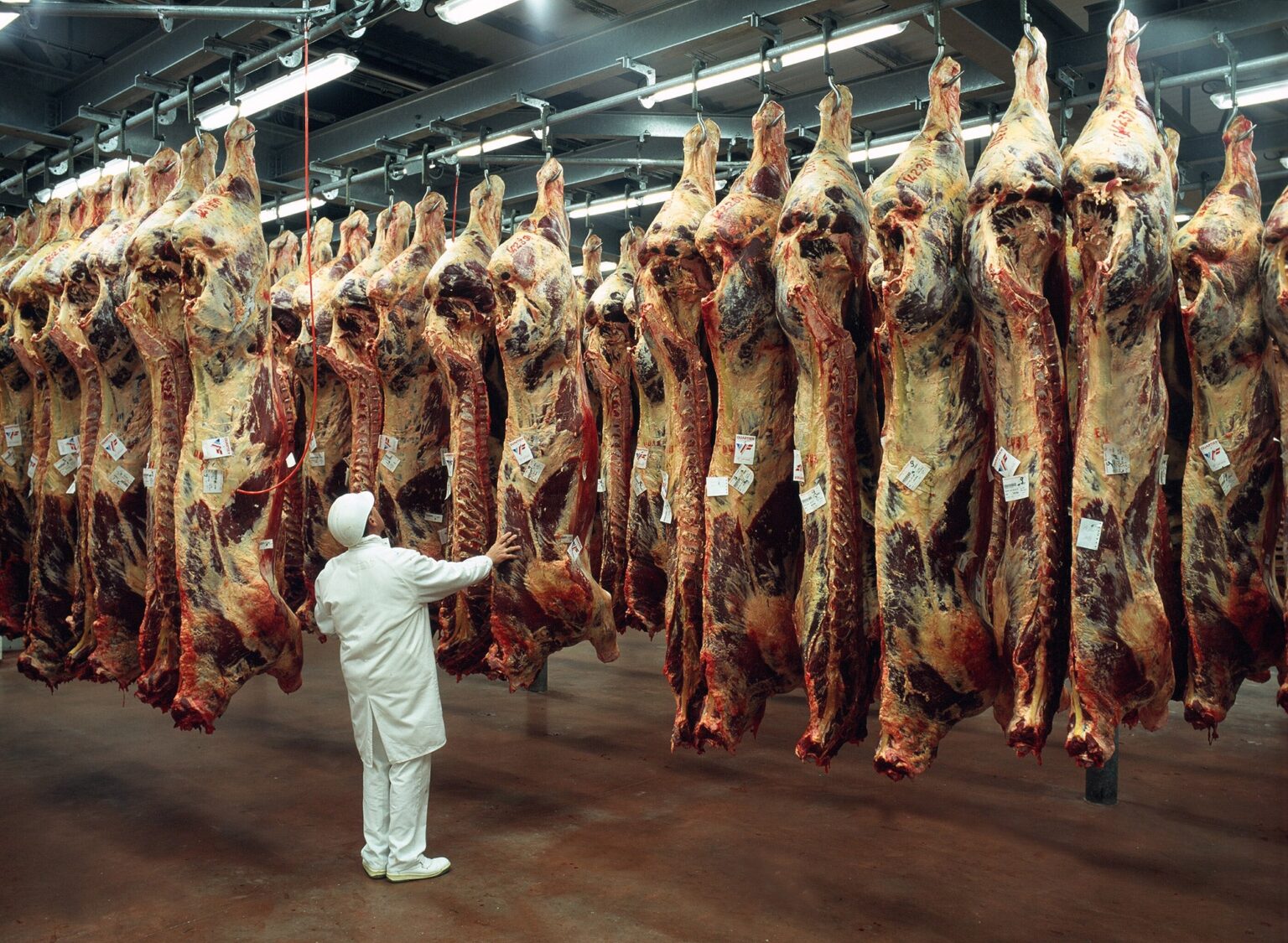
The owner of a butcher shop in Tooele County, Utah, is facing aggravated animal cruelty charges after being accused of cutting the hoof off a conscious steer without first sedating it, according to charging documents and federal inspection records. The alleged incident took place on November 5, 2025, at Tooele Valley Meat in Grantsville, where a steer escaped the slaughter process and got stuck in a gate. Court documents revealed that the shop owner is 78-year-old Ed Roberts. When the steer got stuck in the gate, documents stated that Roberts instructed an employee to retrieve a knife. An inspector with…
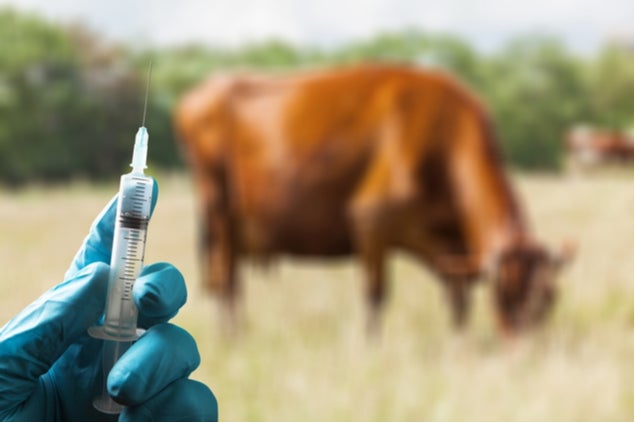
Current news headlines have highlighted a 16 percent rise in U.S. sales of medically important antibiotics that are used in food-producing animals in 2024. The news stories are based on information from the U.S. Food and Drug Administration’s data officially released last month. However, the FDA’s report has a broader context than the news stories imply. One of those articles published this week, by The Guardian, was quick to point to rising fears of “superbugs,” drug-related cancer risks, and other concerns tied to antibiotic use in livestock (this is the same outlet that targets any agriculture that’s not “organic”). So…
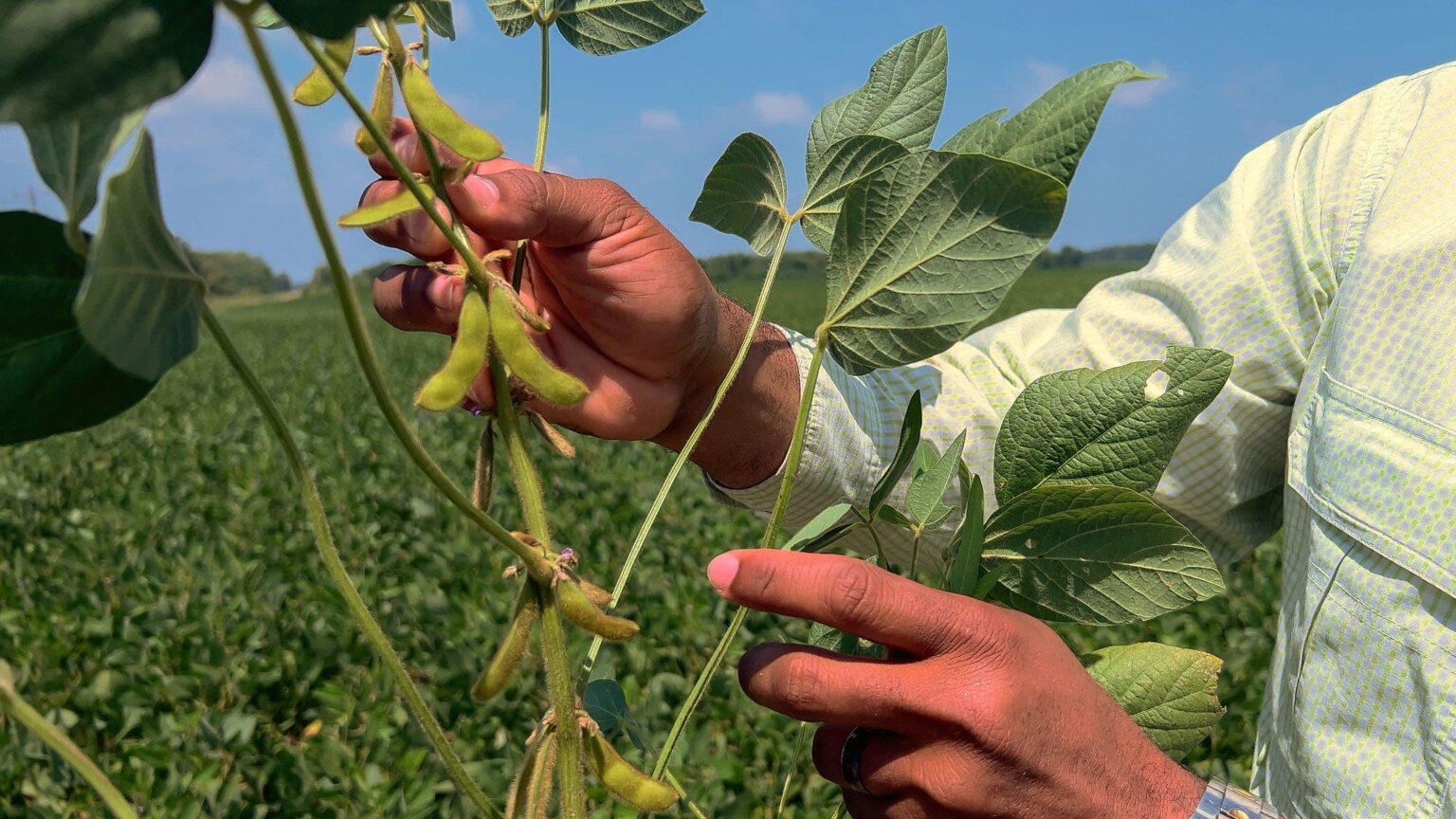
New tools. New markets. New ways forward. Agriculture as an innovation engine. A place where practices evolve to meet the needs of billions of people. Yet rarely do we ask a harder question: Who has been innovating without access all along? When land, capital, and formal pathways were restricted or denied, innovation did not stop for Black agriculturalists. It simply moved outside the systems that now claim to champion progress. Black History Month, in February, gives us an opportunity to rewrite the story we tell about innovation in agriculture. Not as something that only happens in boardrooms, laboratories, or grant-funded…

John Deere announced plans to open two new U.S.-based facilities — in Indiana and North Carolina — an expansion the company says will create more than 300 jobs and increase its domestic manufacturing and distribution capacity. The announcement comes as the equipment maker has faced scrutiny over workforce reductions in the Midwest and questions from farmers and lawmakers about its long-term commitment to U.S. manufacturing amid expanded operations in Mexico. The expansion includes a new parts distribution center near Hebron, Indiana, and a new excavator manufacturing facility in Kernersville, North Carolina. Both facilities are expected to open within the next…

This Colorado State expert details how flexibility in food consumption can be healthier than dieting. Eat this, not that. This one food will cure everything. That food is poison. Cut this food out. Try this diet. Don’t eat at these times. Eat this food and you’ll lose weight. With society’s obsession with food, health and weight, statements like these are all over social media, gyms and even health care offices. But do you need to follow rules like these to be healthy? Most often the answer is no, because health and nutrition is much more complex and nuanced than a…
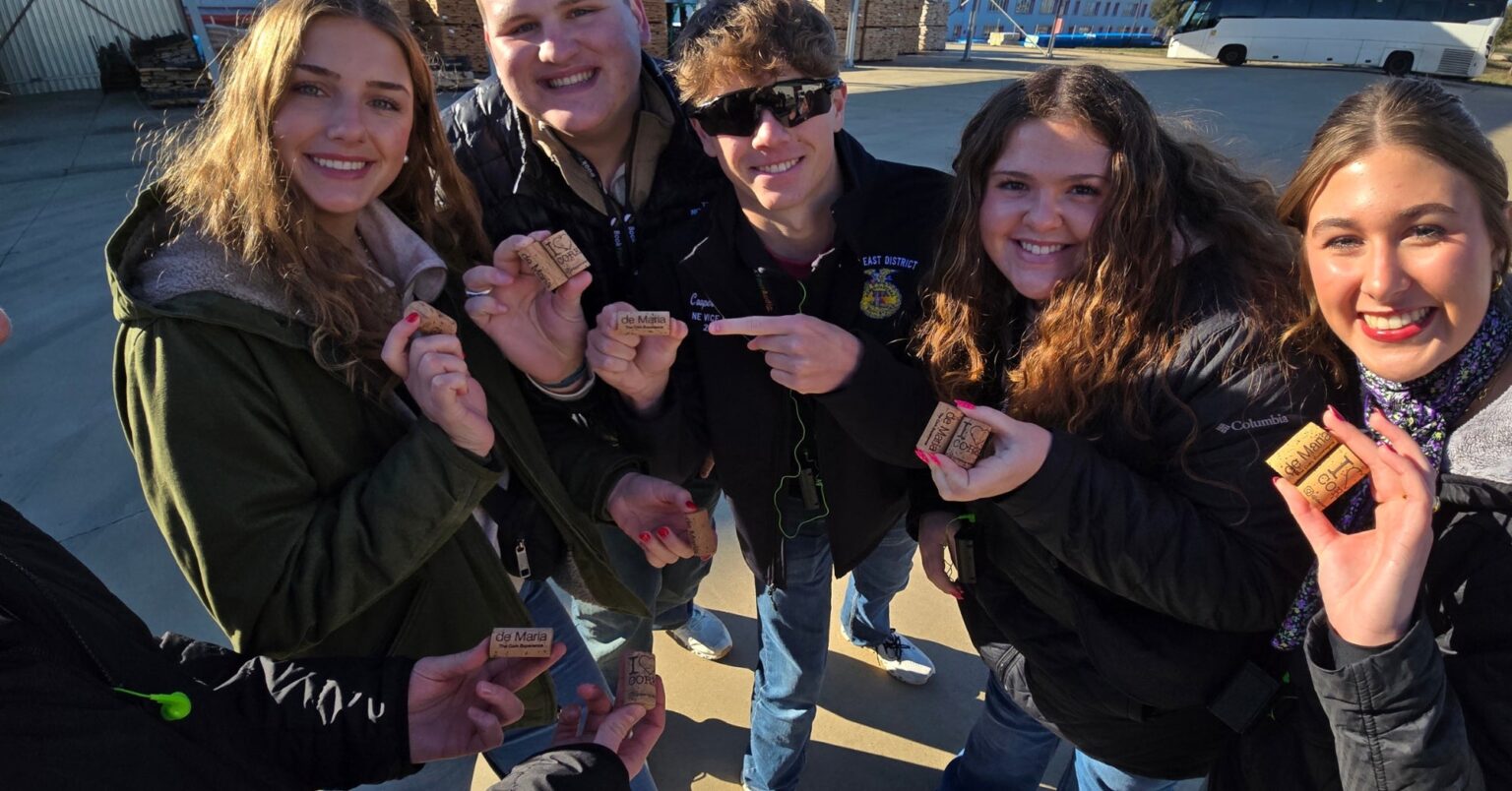
Image courtesy of the National FFA Organization Over 70 FFA student members serving as state officers in their respective states started the new year by exploring the history, culture, and agricultural practices of Spain through National FFA’s International Leadership Seminar for State Officers. ILSSO is an annual program designed to develop awareness of global agriculture and enhance cultural competency of student members. The traveling state officers help lead more than 1 million members in 9,235 local FFA chapters in all 50 states, Puerto Rico, and the U.S. Virgin Islands. “During the trip, students had the opportunity to both demonstrate their…