





Author: staff

Image by Nokwan007, Shutterstock Top Third Ag Marketing, a division of StoneX Financial Services Inc., helps farmers become better agricultural marketers with the goal of marketing crops in the top third of prices. Mark Gold and his team provide AGDAILY.com with the latest information and a look ahead in their audio commentary. Listen to Mark Gold’s Weekly Grain Comments here! https://www.agdaily.com/wp-content/uploads/2025/12/top-third-agdaily-redux.mp3
:max_bytes(150000):strip_icc()/BrandonBellStaff-2230315704-c11ee38554cf488785b670590882aab6.jpg "Farmer Aid Expected Within Weeks, Ag Secretary Says")
by Ryan Hanrahan Reuters’ Susan Heavey and Leah Douglas reported earlier this week that “The Trump administration expects to announce an aid package for U.S. farmers within two weeks and a deal on Chinese soybean purchases, U.S. Agriculture Secretary Brooke Rollins said on Monday, without providing further details.” “The administration of President Donald Trump has said for months that it would issue aid for farmers hit by low crop prices and trade disputes, but has not yet issued any plan or amount for the aid. U.S. farmers lost billions in soybean sales this year as top buyer China turned to…
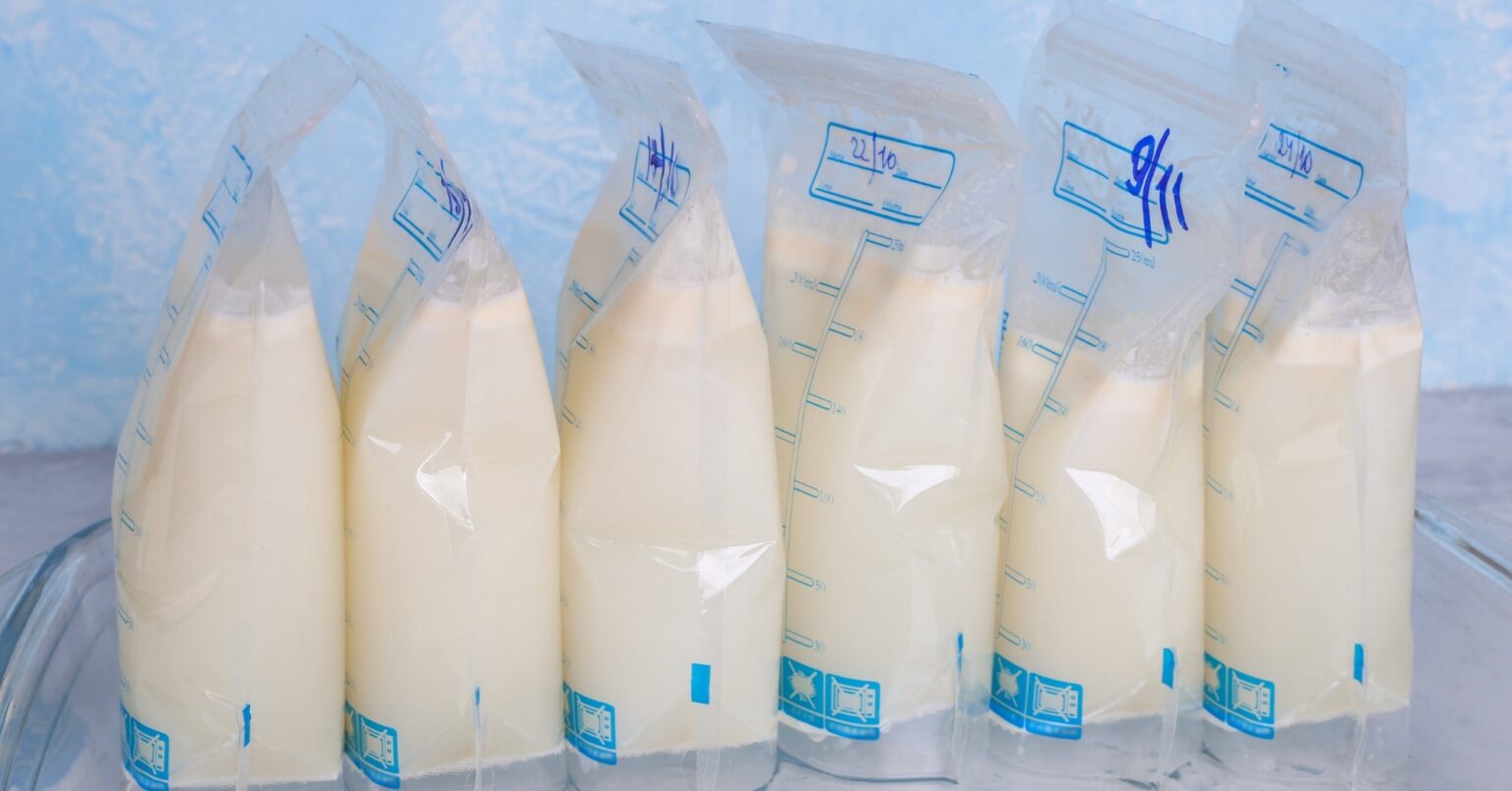
Swapping beef for a plant-based meat substitute changed breast milk composition in just six days, even when the rest of the diet was made up of whole, unprocessed foods, according to a first-of-its-kind study from researchers at The University of Texas at Austin. The findings, published in the American Journal of Clinical Nutrition, reveal that even small shifts in a breastfeeding family’s diet can quickly alter the types of fats their infant receives through breast milk. These changes could have implications for brain development and immune function. The study tested the effect of food processing by using meals that were…
Giving Tuesday — the Tuesday after Thanksgiving — was created in 2012 as a simple idea: a day that encourages people to do good. Following Thanksgiving, Black Friday, and Cyber Monday, it’s rewarding to put our time and money toward organizations that help others and that are influential in farming, ranching, and other areas of agriculture. For 2025, that means Giving Tuesday will be on December 2. Here are five great ag organizations that do a lot of good for agriculture that you can help out on this #GivingTuesday! National FFA Organization and state and local chapters Check your local…
:max_bytes(150000):strip_icc()/Markets-6-Corn-down-14-d6e355faf6ac49b494d91d99892adcf6.jpeg "Corn Down Slightly | Monday, Dec. 1, 2025")
As of 9:12 a.m. CT, March corn was down a penny at $4.46¾ per bushel. January soybeans were down 2¼¢ at $11.35½ per bushel. March CBOT wheat was down less than a penny at $5.38 per bushel. March KC wheat was up 1¾¢ at $5.29¼ per bushel. March Minneapolis wheat was up 3¾¢ at $5.81¾. “Traders return from the Thanksgiving holiday today, but that doesn’t mean that we return to regular trading dynamics,” said Arlan Suderman, chief commodities economist at StoneX. “The period between Thanksgiving and the New Year holiday is known for its sluggish market tendencies, although there are…
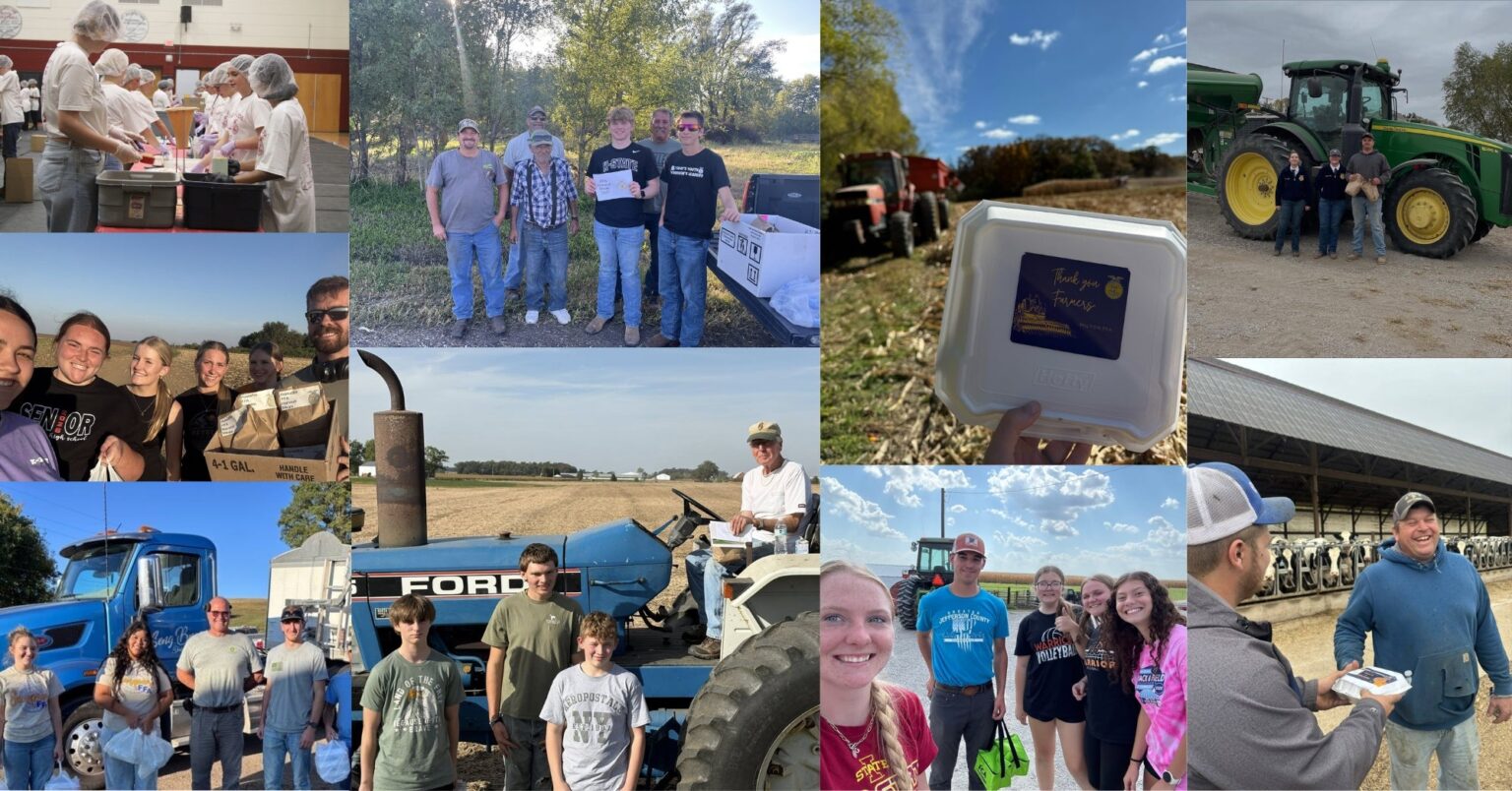
Across the country, before FFA members went home for the Thanksgiving break to enjoy meals with their own families, many ventured out with their chapters to live out the organization’s mission: growing leaders, building communities, and strengthening agriculture. Students are proving that service is not an extracurricular activity — it’s a way of life — as they packaged by the thousands meals for food-insecure families and deliver warm lunches to farmers during harvest. Below is a look at several standout efforts from FFA chapters making an impact this fall. Tate FFA packs over 63,000 meals for local families “Food insecurity…
:max_bytes(150000):strip_icc()/100127689_beef-80af9325e74a4df98a7e34aec901401f.jpg "Agencies, Groups Reach Out to Tyson Workers as Lexington Beef Plant Closure Nears")
LINCOLN — Nebraska state agencies are partnering with Lexington nonprofits and other groups to help connect Tyson Foods workers and their families with support as 3,200 people lose their jobs with the closure of the town’s longtime beef plant. On Wednesday and Thursday, a state and local “rapid response layoff services” event is scheduled for Tyson workers at the Dawson County Fairgrounds, according to a statement Saturday from Gov. Jim Pillen’s office. Representatives of the Nebraska Departments of Labor, Health and Human Services, Economic Development and Agriculture will offer information about available resources, including unemployment insurance benefits, job search help and…
:max_bytes(150000):strip_icc()/SDIProductions-2161180473-578f2090f2b047a4aa07dd99c29fa57a.jpg "Is a Trust the Best Way to Safeguard Your Farm’s Legacy?")
If you’d ask any farmer to name their largest asset, most likely they would say their land. Land is the underlying asset that allows you to generate an income. It’s critical to your family’s wealth and legacy, and must be protected. One strategy some may use to protect land is to insulate it within a trust. The Pros and Cons There are different reasons to place assets into a trust. Maybe they are worth millions of dollars, and you’re worried that estate taxes may diminish their value. Maybe you want to control how those assets get used, when the assets…
:max_bytes(150000):strip_icc()/Markets-3-Corn-up-3-19bdbeee0041452db8bce0a0f1c8b883.jpeg "Some Momentum in Grains | Friday, November 28, 2025")
At the market close, March corn was up 1¾¢ at $4.47 per bushel. January soybeans were up 2¢ at $11.33½ per bushel. “From our perspective, grains have a little momentum here,” said Reese Drenth, ag solutions specialist with Michlig Ag Solutions. “Trump and Xi are talking, we’re selling some beans, the corn program keeps chugging along, and this snow storm is about to create some logistical issues. This comes at a time where ethanol plants are making decent margins and bean plants are crushing like crazy as well. The market needs grain every day and Mother Nature’s about to make…
:max_bytes(150000):strip_icc()/36724362670_ae7c5cd98a_o-86f368af04cd40cd89d9d669d850f7cd.jpg "Value of Receiving the Maximum Program Payment")
Program enrollment decisions for the Agriculture Risk Coverage (ARC) and Price Loss Coverage (PLC) programs were made in March of 2025. However, the One Big Beautiful Bill Act, which was not passed and signed into law until July, resulted in farmers receiving the higher of the PLC or ARC payments for 2025. Total ARC/PLC payments for 2025 are projected at more than $13.5 billion, with nearly $3.2 billion, or 24%, due to receive the maximum payment rather than the payment of the program elected for 2025. These estimates are based on current price projections, and much can still change over the…