






Author: staff

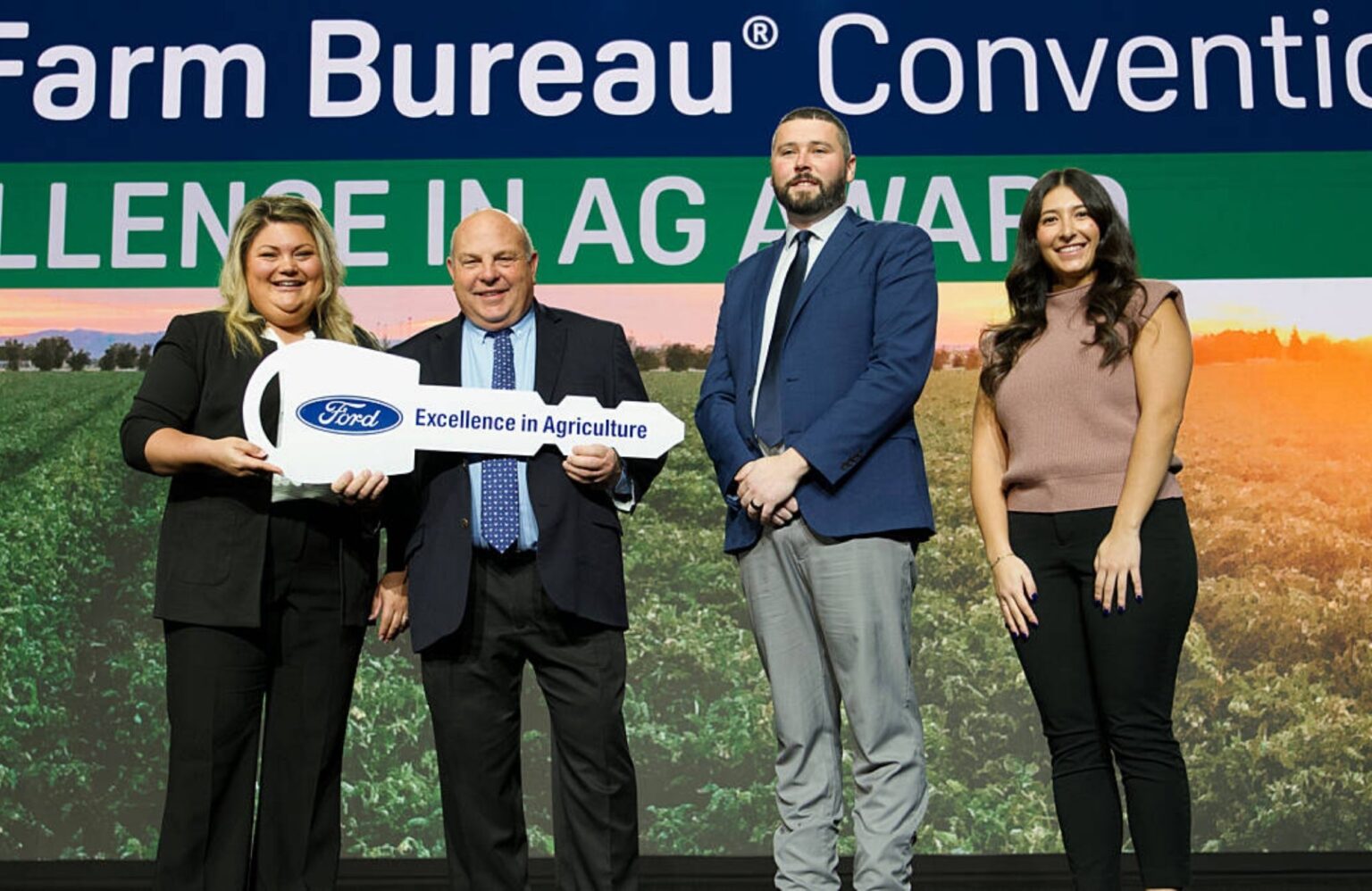
Winners of the Young Farmers & Ranchers Achievement Award, Discussion Meet and Excellence in Agriculture competitive events were announced at the American Farm Bureau’s 107th Convention. Young farmers and ranchers from across the country competed for the awards by demonstrating knowledge, achievement and commitment to promoting agriculture. First-place award winners in each of the three competitive events receive $35,000 in credit toward a new Ford vehicle, as well as paid registration to the AFBF YF&R Conference, which will be held March 13 to 16 in Portland, Oregon. Both prizes are provided by Ford Motor Company. Runners-up who finish in second…
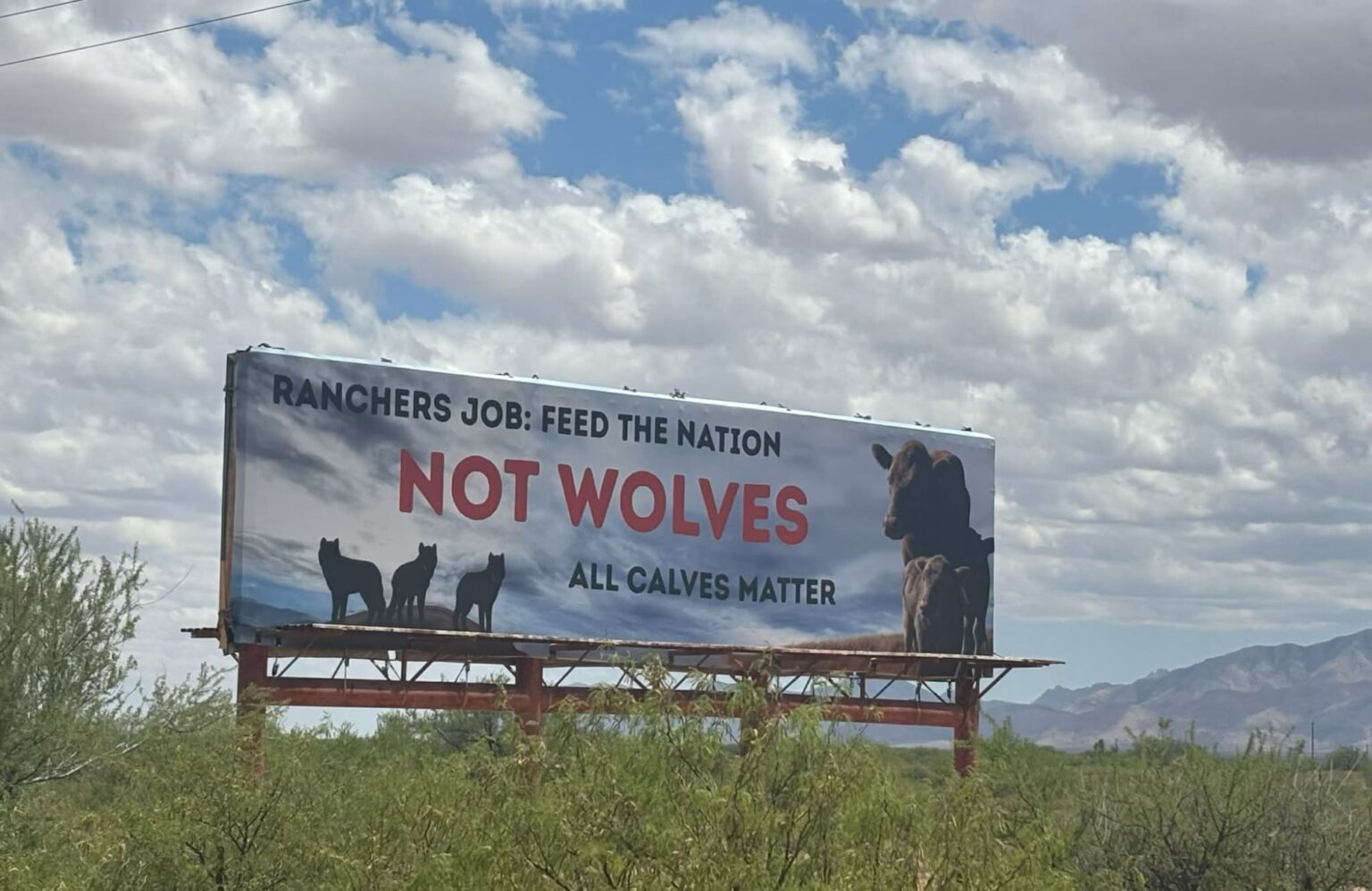
Ranchers say the real conflict is with the rules and whether agencies can keep up. Editor’s Note: This is the third in a three-part series exploring the impact that wolf reintroduction in the U.S. has had on livestock operations. Caution: This article includes graphic images of livestock carcasses. Wolves are no longer a hypothetical part of the Western United States. For ranchers that are operating in recovery, reintroduction, and even zones where wolves are crossing state lines, they’re a daily management reality. As apex predators, wolves bring a new layer of risk to operations that are often already stretched thin by drought,…

A Louisiana-based ag-tech startup focused on artificial intelligence took top honors this year at the American Farm Bureau Federation’s Ag Innovation Challenge, earning $100,000 to expand its platform designed to help farmers manage operations more efficiently. FarmMind was named the winner of the 12th annual Farm Bureau Ag Innovation Challenge during the 2026 American Farm Bureau Convention. The competition, hosted by the American Farm Bureau Federation in partnership with Farm Credit, highlights Farm Bureau member-led startups developing new tools and technologies for agriculture. FarmMind brings multiple agricultural workflows into a single platform, including field notes, GIS management, regulatory compliance, financial…
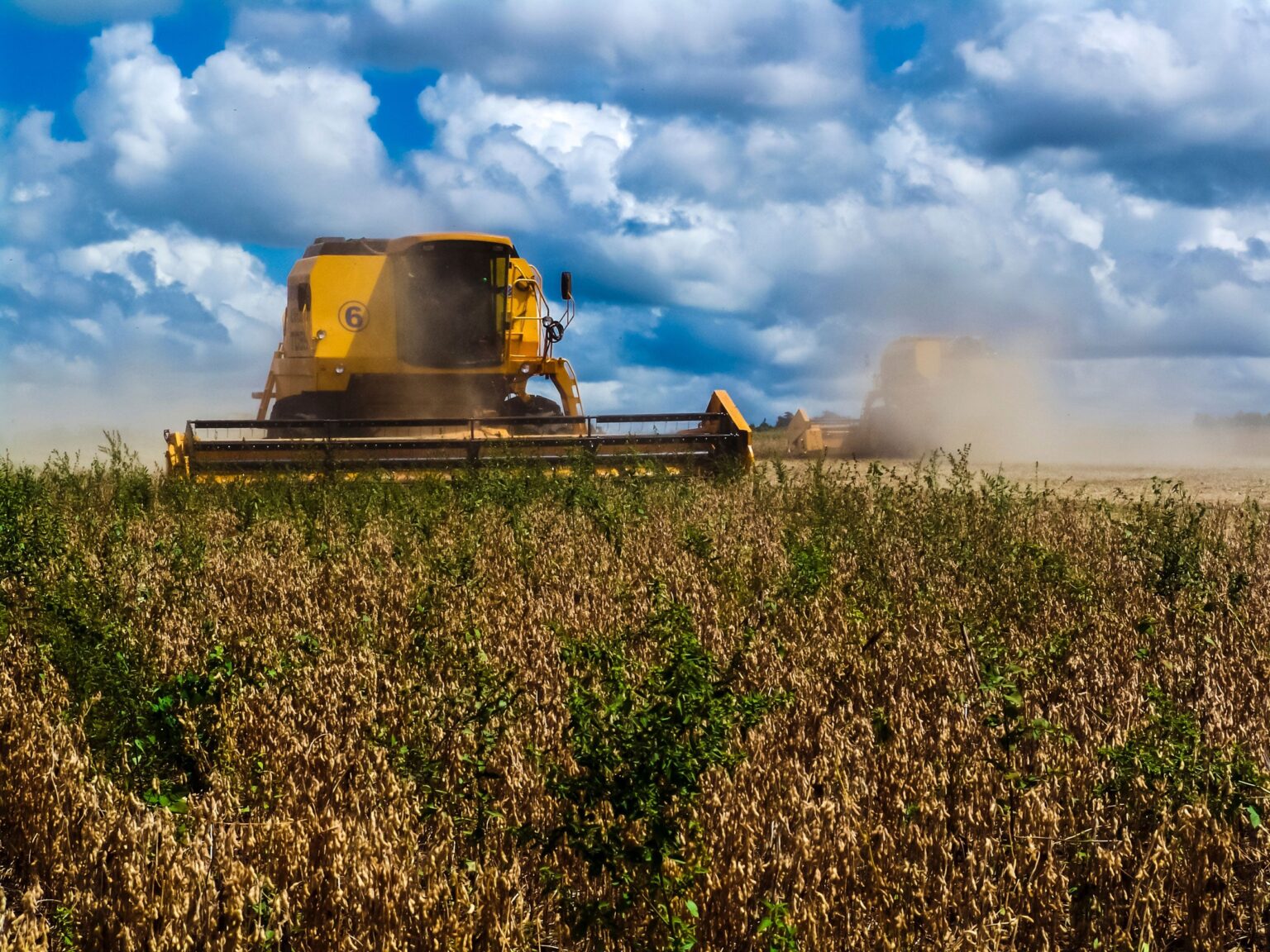
“This story was originally published by Grist. Sign up for Grist’s weekly newsletter here.” Nearly 20 years ago, a Brazilian lobbying group for soy trading and processing companies signed onto a historic conservation deal known as the Amazon soy moratorium. The voluntary agreement prohibits members from buying soybeans grown on lands deforested after July 2008. Proponents of the deal say that it has been highly effective at protecting forest land without impeding soy production over the last two decades. Under the moratorium, growing soy on other lands — like those cleared before 2008, or pasture or savannah lands — is…

A marquee Western performance property in Weatherford, Texas, has officially changed hands. Icon Global says it has “marketed, sold and closed” the former Teton Ridge TR9 Ranch and Western equestrian sports training complex, a 618-acre professional horseman’s training and breeding facility for $45 million. The property was originally listed in Icon Global’s promotional materials for $33 million. Icon Global owner Bernard Uechtritz framed the transaction as a standout sale in a short window. “Icon is pleased to have represented Teton Ridge TR9 stakeholders in this unique, fast-paced, record-setting asset sale,” he said in a statement. The buyers are Jason and…

Nutrien Ltd. has announced the winners of the second Hometown Yield Challenge. This program was available to farmers in Alberta, Manitoba, and Saskatchewan. The community organizations of choice for the top two yielding farming operations have each received $20,000. The community organizations chosen by the three runners-up have also received $5,000. The winners spent the growing season competing for the prize money on behalf of their chosen organizations. As part of the Hometown Yield Challenge, farmers were required to: Map field boundaries in Nutrien’s Echelon platform Grow at least 80 acres of a Proven Seed hybrid of their choice Apply…
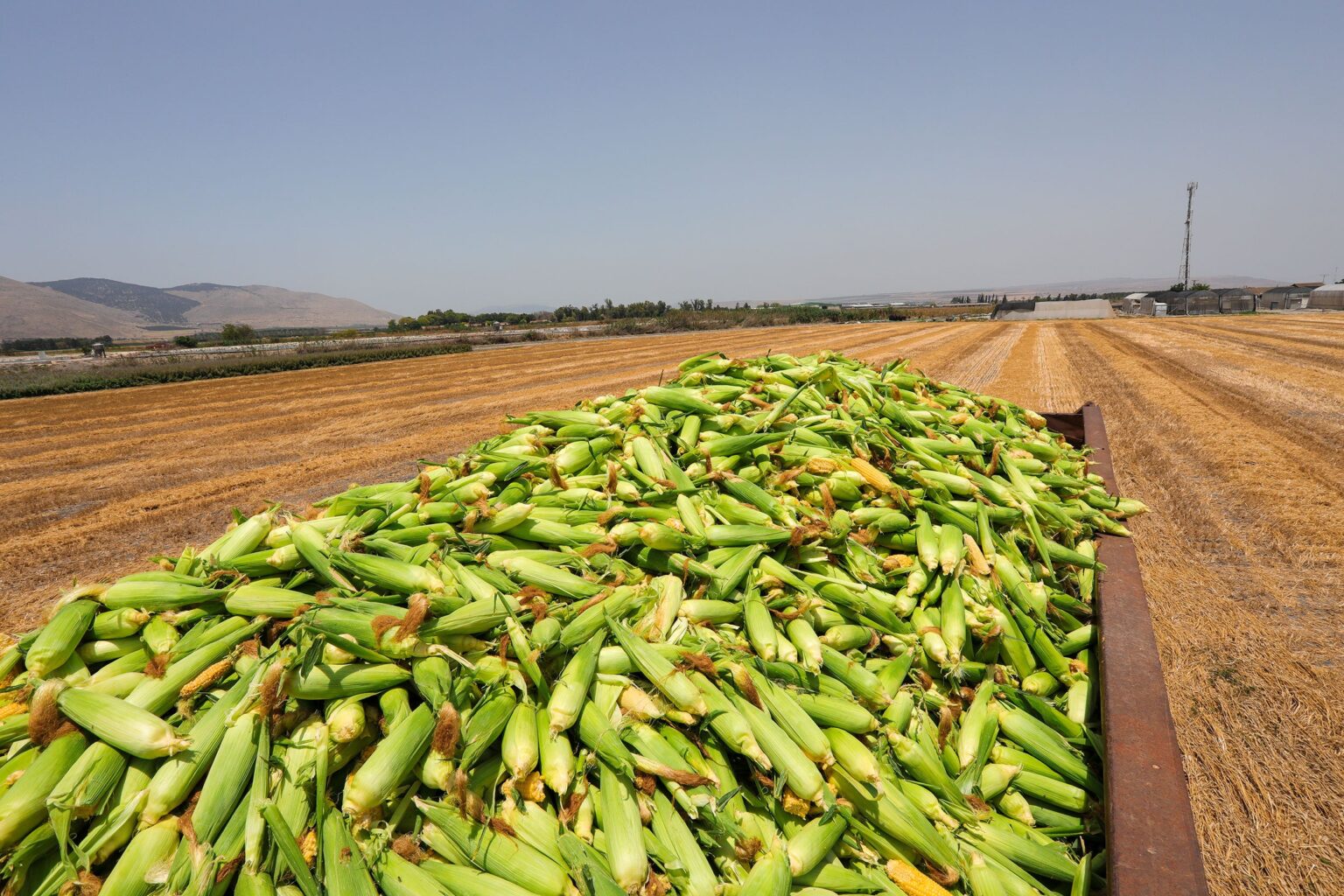
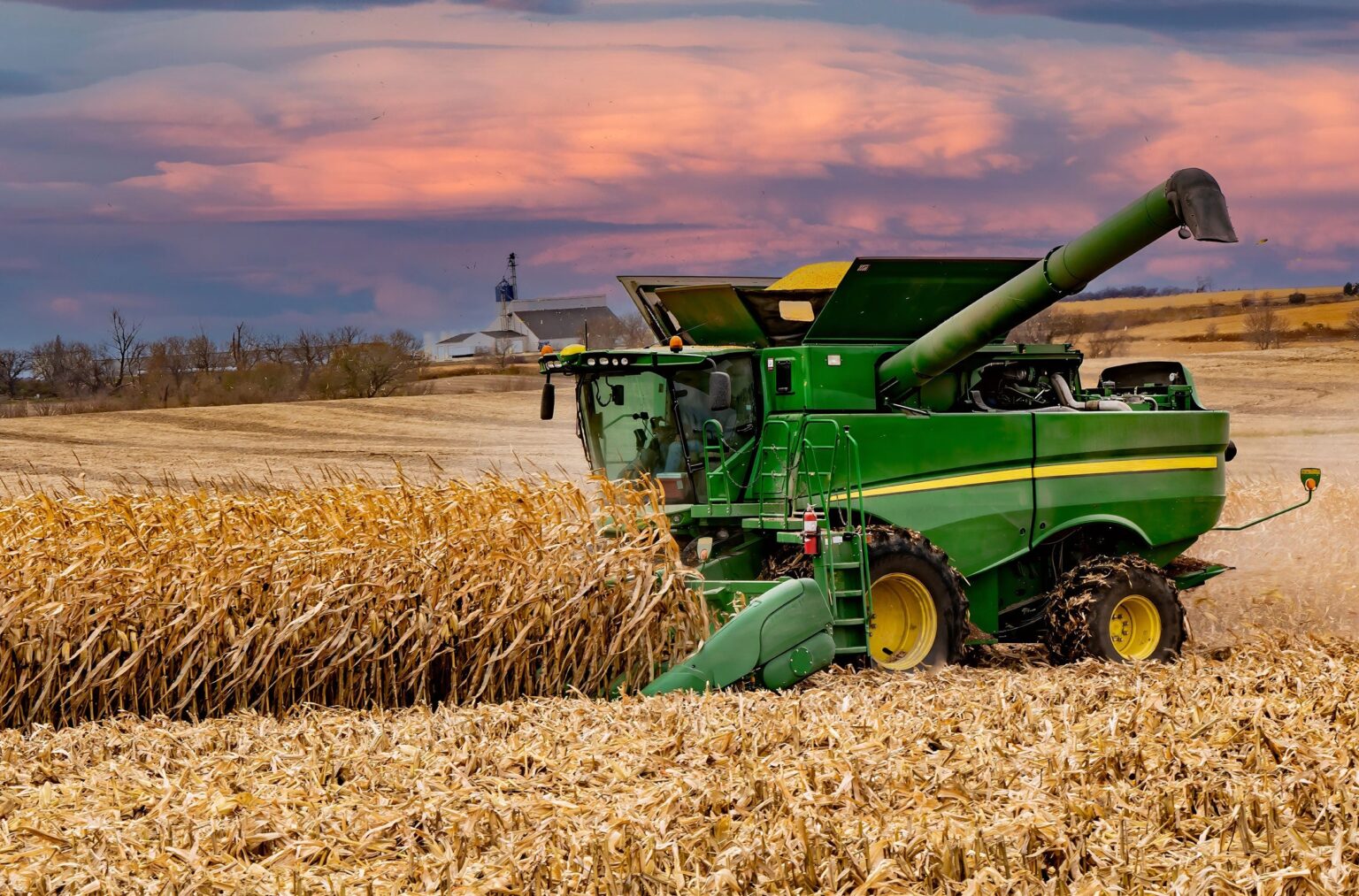
Last week, the U.S. Department of Agriculture released the latest World Agricultural Supply and Demand Estimates, estimating that the United States will see an enormous 17-billion-bushel corn crop during the 2025-26 marketing year, raising alarms among the nation’s corn growers and triggering an immediate market reaction. If the projections prove accurate, this year’s crop will be the largest on record by far, beating the previous record achieved just two years ago. The surplus supply promises to keep corn prices low as farmers struggle to pay high input costs. “We need long-term market solutions, and we need them quickly, or…
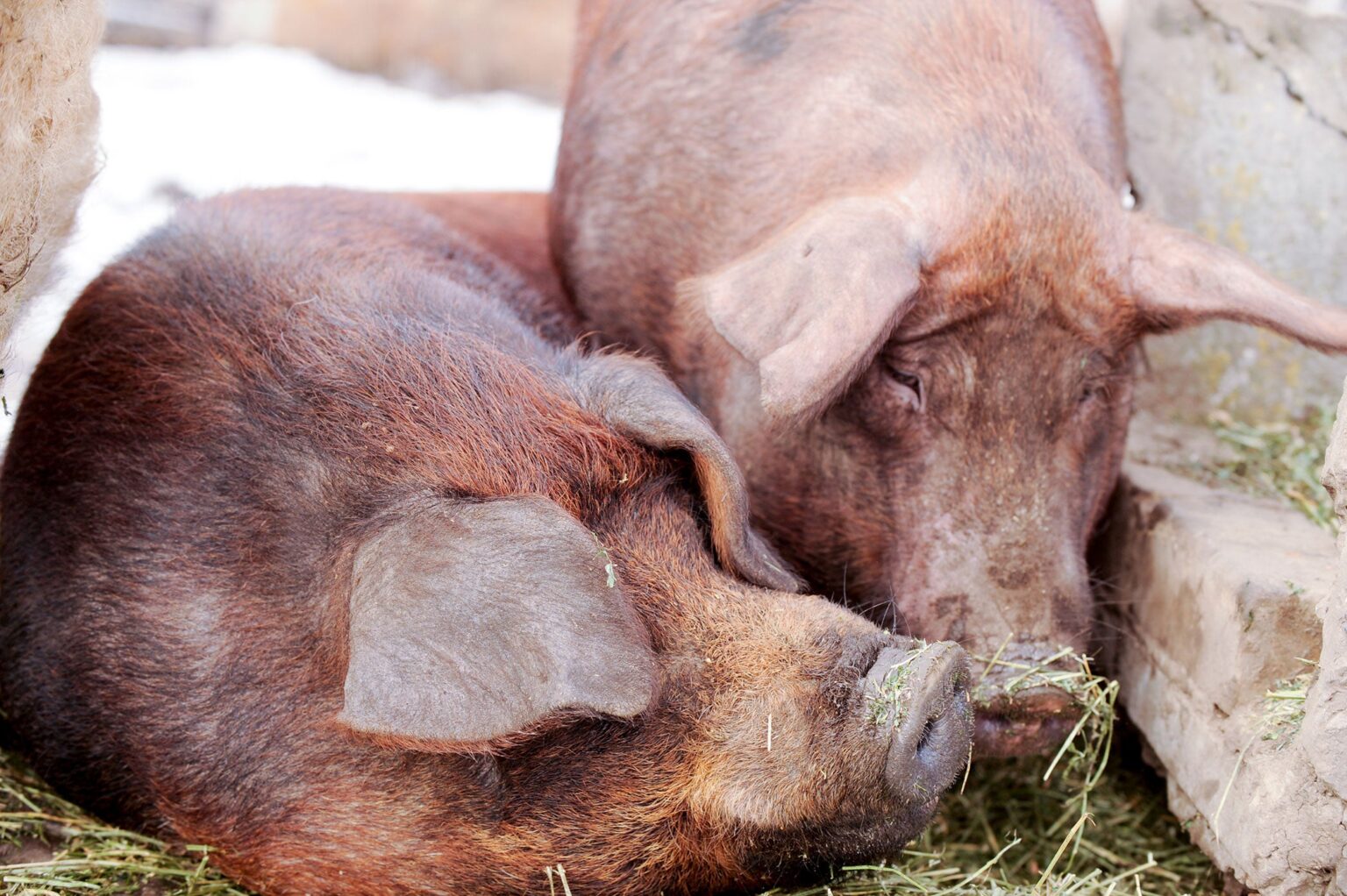
Mexico has confirmed a case of New World screwworm in a 30-month-old pig in Veracruz, adding to the discussion about species that threaten the spread of the insect as cases push farther north. According to the U.S. Department of Agriculture, the Veracruz region has recorded 1,963 cases so far during this outbreak, with 125 cases listed as active, mostly in cattle but also in other species. Mexico has logged 13,106 cases since November 2024, with 671 active cases as of late December 2025. Mexico Case Status New World Screwworm (Graphic courtesy of the USDA) Animal health experts and producer groups…
DAILY Bites The USDA is suspending federal financial awards to Minnesota and Minneapolis amid ongoing fraud investigations, according to a letter sent to Gov. Tim Walz and Mayor Jacob Frey. Ag Secretary Brooke Rollins said on X the suspension is effective immediately, “until sufficient proof has been provided that the fraud has stopped,” citing estimates that billions were lost and referencing a nearly $250 million Feeding Our Future case. The Department of Health and Human Services also froze certain assistance funds, though a judge on Friday temporarily blocked the freeze. DAILY Discussion Most Americans don’t think about the U.S. Department of Agriculture unless…
Image by Nokwan007, Shutterstock Top Third Ag Marketing, a division of StoneX Financial Services Inc., helps farmers become better agricultural marketers with the goal of marketing crops in the top third of prices. Mark Gold and his team provide AGDAILY.com with the latest information and a look ahead in their audio commentary. Listen to Mark Gold’s Weekly Grain Comments here! https://www.agdaily.com/wp-content/uploads/2026/01/Top-Third-agdaily-2026-01-12.mp3