




Poultry growers in northwest Arkansas and eastern Oklahoma say a long-running environmental lawsuit is now threatening their farms, their contracts, and the rural communities built around the poultry industry.
The concerns stem from Oklahoma’s decades-long lawsuit against Tyson Foods and other poultry companies over phosphorus pollution in the Illinois River Watershed. A recent federal court ruling places poultry integrators operating in the watershed under court oversight for at least 30 years and requires companies to fund cleanup and monitoring efforts.
In the ruling, U.S. District Judge Gregory Frizzell said the court was not persuaded by arguments that water quality in the Illinois River Watershed has improved enough to make further court oversight unnecessary.
After reviewing new evidence and testimony in late 2024, the judge found that phosphorus concentrations in the Illinois River and its tributaries remain above Oklahoma’s water quality standards and continue to impair designated scenic rivers. Then, earlier this month, the judge denied the defendants’ request to delay restrictions.
In response, Tyson has said it will no longer supply birds to growers in the watershed once existing contracts expire, a decision farmers say could financially devastate hundreds of operations.
Many growers say they invested millions of dollars in poultry houses based on long-term relationships with integrators, assuming contracts would continue to be renewed.
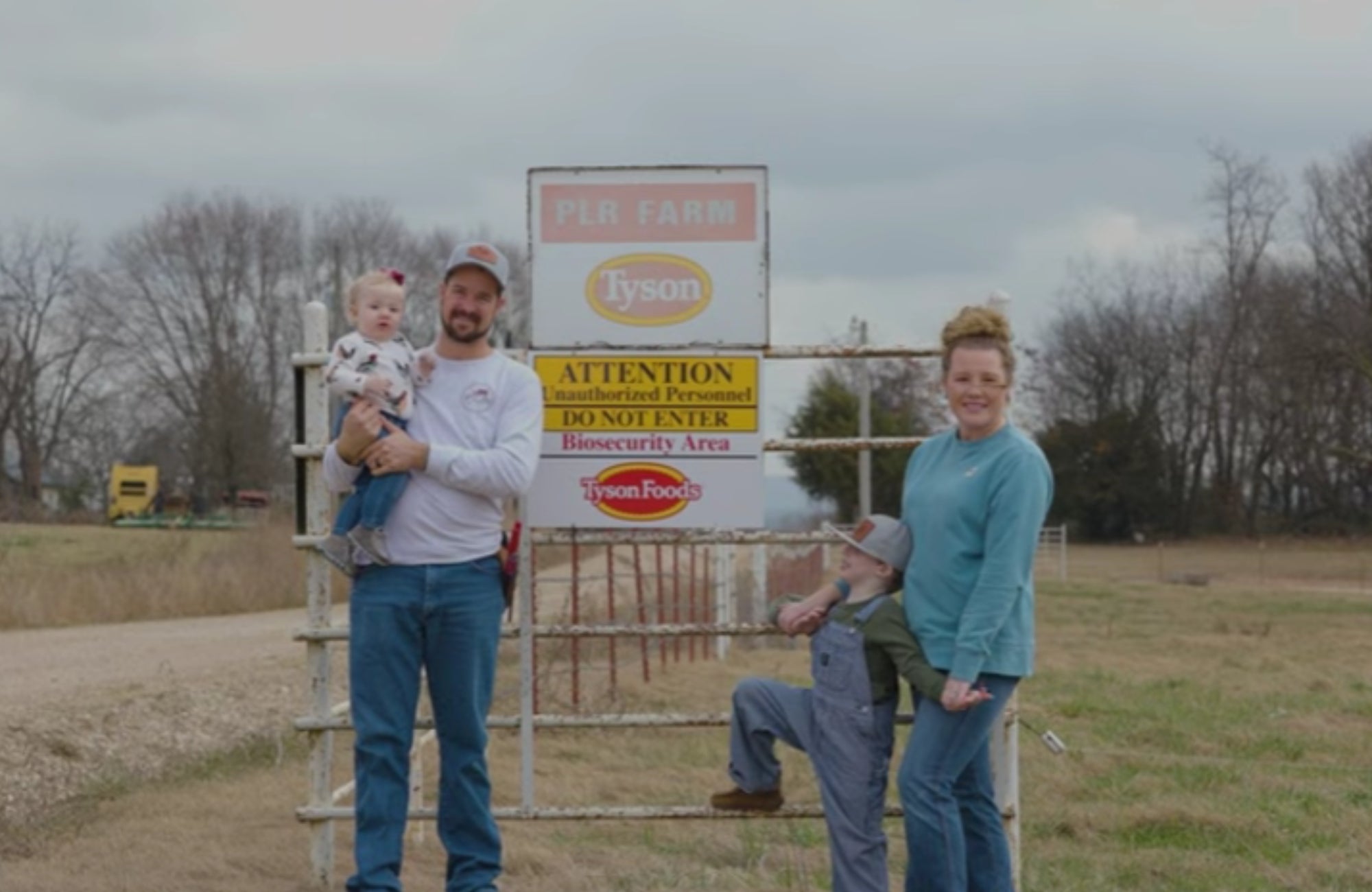
“We truly have a partnership,” Cody Holliday from PLR Farms said. “Our sign out here by the road, it has a chicken integrator’s name on it. Those companies provide birds for us — but our name is on it, too.”
For some, the timing could not be worse. Several growers said their Tyson contracts are set to expire in 2028, while significant debt on poultry houses will remain.
“Our Tyson contracts will end, and we’ll still have about a little more than $200,000 of debt to be paid,” LouAnn Hays, a poultry farmer from R3 Farms explains. “There’s growers that’ll have $4 and $6 million worth of debt to be paid, and that’s devastating to their families.”
Another farmer said bankruptcy is becoming unavoidable if contracts are not renewed.
“If things stand in five years, we will file bankruptcy and have nothing,” Hays said. “It truly is tied to a political situation and is putting farmers like us in the crosshairs.”
Growers also pushed back on the narrative that they are responsible for ongoing pollution in the watershed. Many noted that since the lawsuit was first filed in 2005, farmers have operated under nutrient management plans, soil testing requirements, and tighter regulations on poultry litter application.
“I can’t spread a drop of litter out here without my nutrient management plan,” one grower said. “We are following those regulations. Nobody’s arguing that we didn’t need those regulations. We do need them.”
Farmers argue that other sources of phosphorus including wastewater systems and urban runoff are not receiving the same scrutiny.
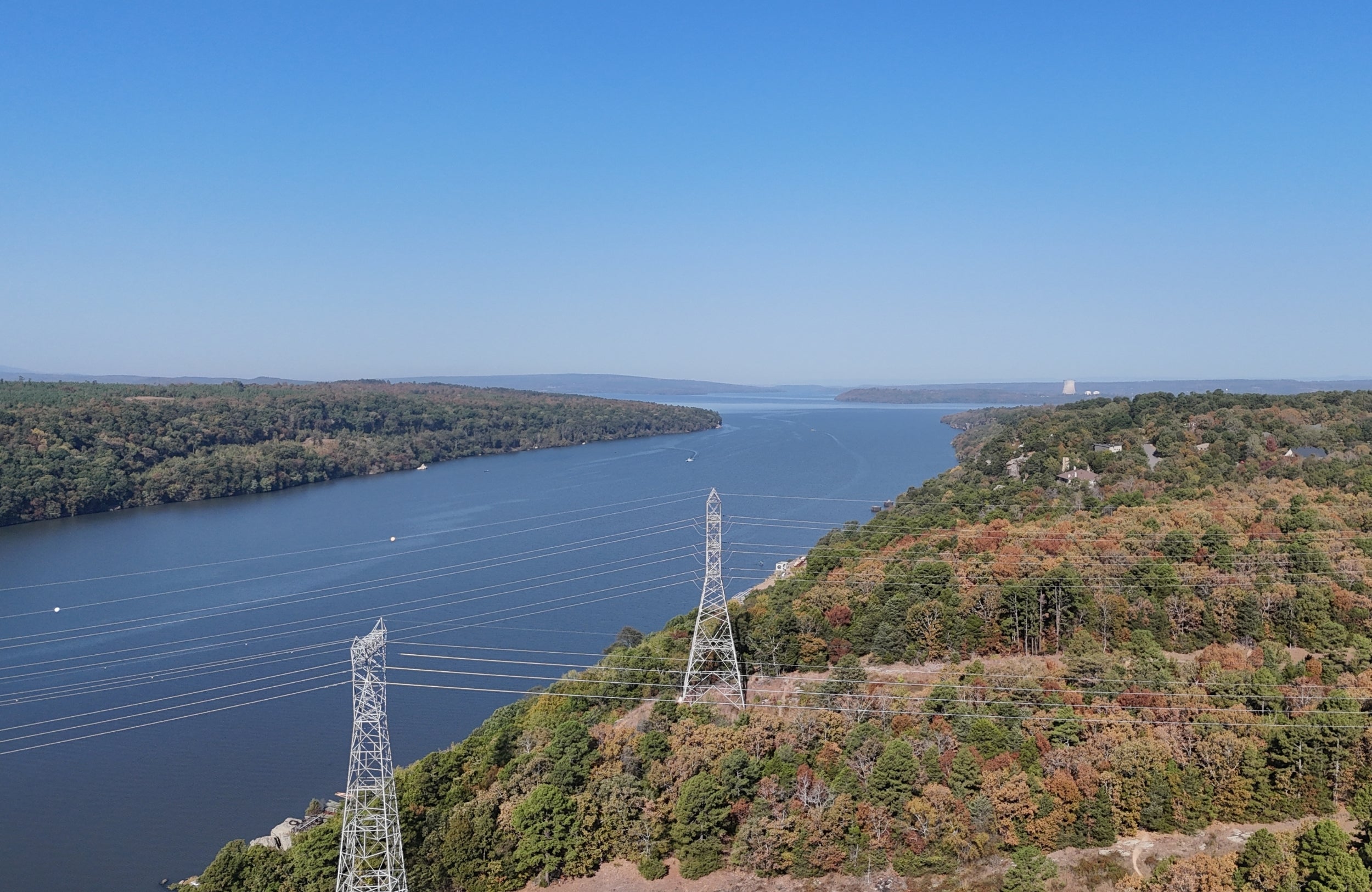
“If you think that neighborhoods and towns and runoffs from streets and people fertilizing their yard is less of a problem than the fertilizer that’s coming out of these chicken houses, you’re part of the problem,” Cheyenne Holliday says.
Several growers expressed frustration that newer water quality data was not considered before the court issued its final judgment. Beyond the immediate financial impact, farmers worry the ruling could set a precedent for poultry production nationwide.
Despite their criticism of the lawsuit, growers emphasized they want clean water and say they live with the same environmental consequences as everyone else.
“All of our water comes straight from the Baron Fork Creek,” Megan Langley from Egg Drop Farm explains. “We drink this water every single day. We want our children to have clean water. I want clean water more than anyone because we drink it.”
Arkansas’ poultry industry is the state’s largest agricultural sector, generating nearly $7 billion annually and supporting thousands of rural jobs. Growers warn that losing contracts would not only bankrupt individual farms, but also hollow out local economies.
“It will bankrupt them,” another grower said. “And not only will they be losing, but the community will be losing.”
As the legal and political battle continues, farmers say they feel caught between corporate decisions and courtroom rulings over which they have little control.