




I wish I could remember the last time I was able to scroll through my social media feeds and not roll my eyes and sigh at some ridiculous anti-science statement. My blood pressure starts to rise each time I read a scientifically unsound, excessively absurd opinion about farming, ranching, or our food supply. And unfortunately, too often, it’s not from an animal-rights extremist.
The calls are coming from inside the house, y’all.
Recently, a close friend — who is a fabulous writer — was criticized for an article that featured unbiased producer sources and was backed by credible data on the topic of climate change and the steps ranchers are taking to make the industry more environmentally sustainable. The exact criticism was the writer is, “… the latest woke DEI hire to help destroy what’s left of America.”
I cannot fathom the mental gymnastics required to still be denying climate change in the year of our Lord 2025. There is vast scientific consensus that our planet is experiencing a long-term climate change, and denying this trend — as extreme weather events increase, snow cover decreases, and sea levels rise — makes our beloved agriculture industry look like an obtuse ostrich with its head in the sand.
How can we expect grocery shoppers to believe us when we speak about science in our area of expertise but deny it in other aspects of our lives? When it comes to antibiotic withdrawal times, growth promotants, or nutritional values of beef, we often point to Extension resources, scientific trials, and animal health professionals sharing mounds of evidence to support our positions.
But we are truly speaking out of both sides of our mouth when we deny equally high mounds of evidence about mainstream issues such as climate change, GMOs, and the dangers of raw milk.
We want shoppers to put their trust in our practices and decision-making processes, but then we selectively place our own trust only in science we love to shout from the rooftops, and ignore and argue with the pieces that don’t fit our opinion.
We see this kind of thing happening on message boards, social media platforms, and even in industry and market data.
Bayer, for example, surveyed 10,000 consumers about a variety of food and farming issues, and a takeaway that stood out to me was 93 percent of respondents thought farmers should explore alternatives to chemical pesticides. When confronted with an argument against pesticides, most producers I know — including myself — point to heaps of data to prove increased productivity, reduced food costs, and enhanced food quality resulting from their strategic and responsible use.
Let’s pivot to environmental issues. According to a survey by Nutrien, less than 3 in 10 consumers believe that the ag industry is innovative and sustainable. Additionally, consumers disagreed with statements indicating agriculture has become more sustainable in the last decade and that farmers are good stewards of the environment.
How many would jump to the defense of our industry being sustainable and innovative? Probably most. But what would be used to debate that point? Emotions and personal experience absolutely should be part of conversations about food and farming. But to really prove a point, my assumption is a demonstrated reliance on data to prove our innovation. If so, shouldn’t one believe in the reason for environmental, sustainability, and climate research in the first place?
It’s probably to be expected that social media is where the most heated discussions happen.
On my Facebook page, I consistently and passionately advocate for GMOs due to their increased production efficiency, pesticide resistance, and food-waste reduction. Of utmost importance, they also happen to be proven safe and are certified by more than 67 countries and 40 agencies. Yet GMOs receive a lot of pushback from a consumer audience that is three generations removed from the family farm and doesn’t receive enough meaningful food and ag science education during the K-12 years.
However, the amount of anti-GMO fear-mongering I see from those in agriculture, those who should absolutely know better, is almost more than consumer criticisms. For example, in 2017, I called on a popular baby food brand to stop labeling mashed carrots as “non-GMO” as there are no GMO carrots, and even if there were, they would be safe. The number of my fellow producers who called me a stupid, lazy GMO “shill” shocked me (it was early in my advocacy work, in my defense).
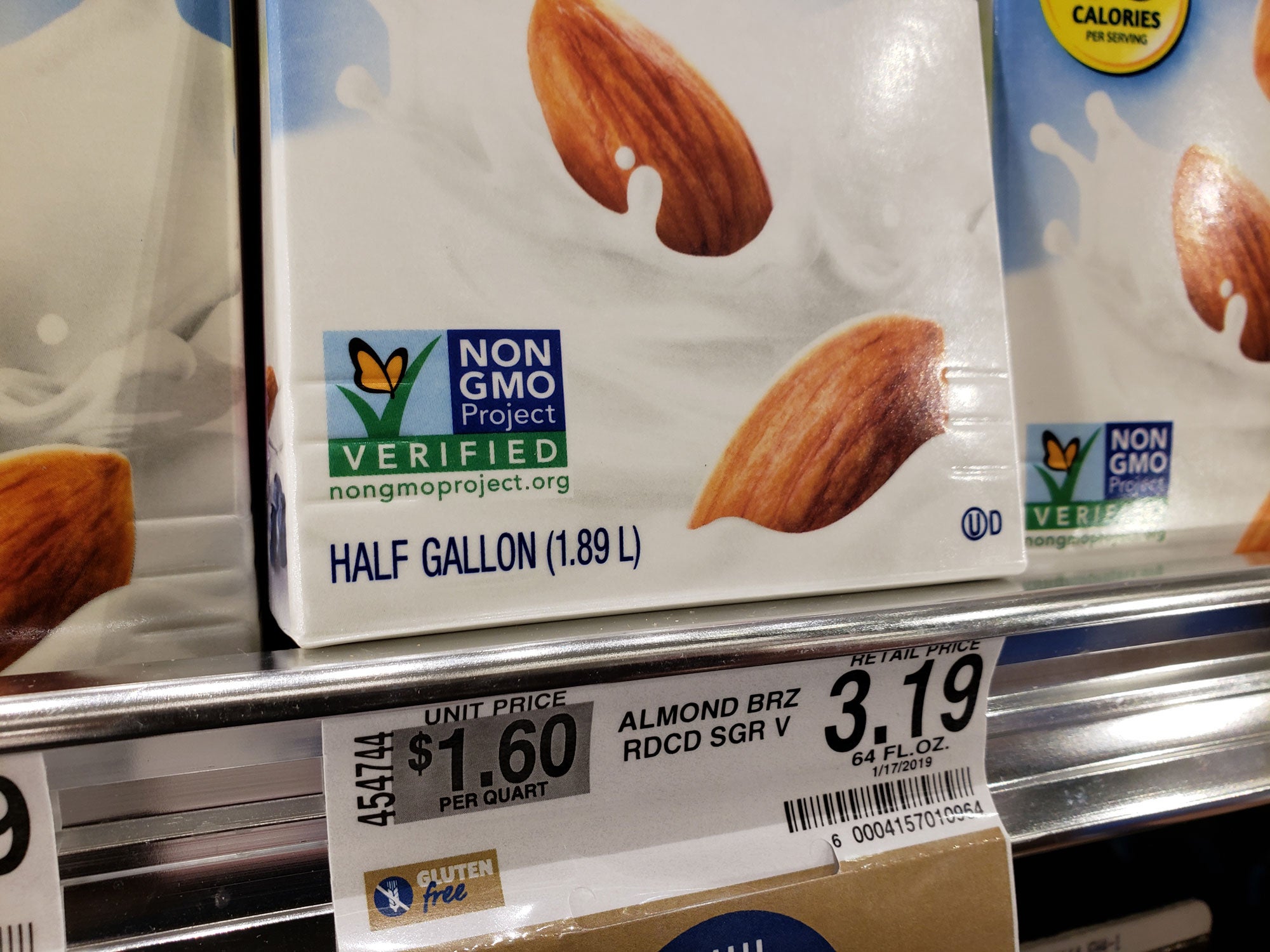
This oft-occurring issue is disappointing for two reasons: 1) I despise when I see producers attack the way another producer raises food, and 2) Farmers and ranchers willfully ignoring worldwide, accepted proof of food safety does the exact opposite of instilling confidence in our customer base about the competency and capability of U.S. agriculture to raise safe and healthy food.
It instills doubt and fear, which we should not be building upon.
If you haven’t been told this yet, let me be the first to gently say: Science doesn’t care about your feelings. And it sure doesn’t care about your political affiliation.
Science is ever-evolving. As science learns and collects more data, evidence can change or become stronger, but that doesn’t mean it should be tossed aside. As mature adults, we should also adapt and change as we learn more during our lifetimes. It’s growth and it’s normal.
Wading through the hypocrisy is exhausting — I can’t be alone in this mindset, can I?
Brandi Buzzard is a rancher, speaker and pioneer for modern and sustainable agriculture who blends authenticity and wit to spark ideas and innovation. She can most often be found horseback in southeast Kansas or on Facebook, Instagram or AcresTV.