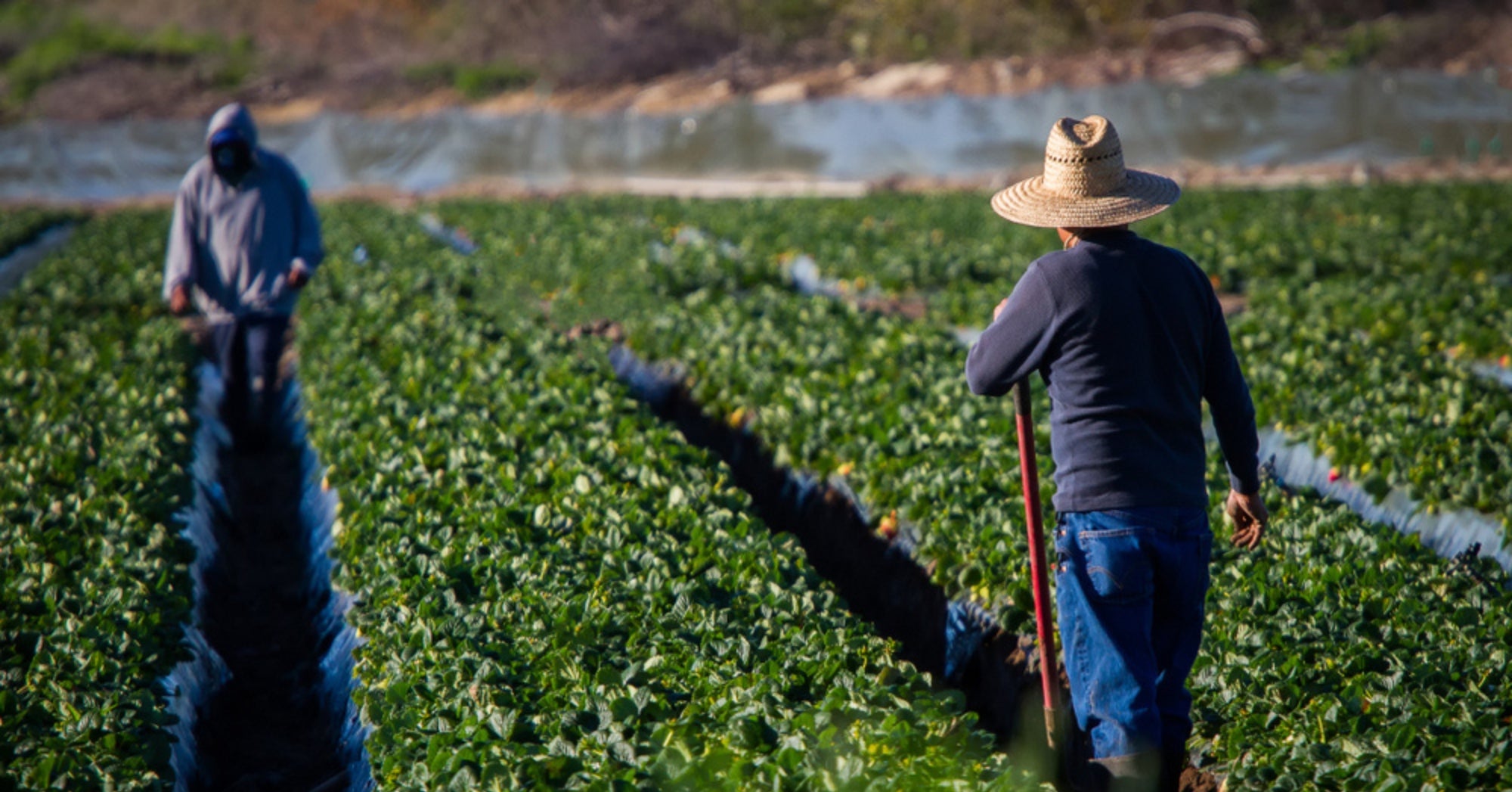





A study from Michigan State University found that when domestic farm employment declines by 10 percent, food prices of labor-intensive crops increase by around 3 percent.
Specialty crop growers with the advocacy campaign Grow it Here said in a webinar Wednesday that wage increases with temporary visa programs and an overall decline in the availability of immigrant labor has impacted their ability to produce food and compete with foreign producers.
Lisa Tate, a citrus and avocado producer in southern California, said labor shortage problems aren’t always immediately felt in the food system but have long-term effects on a farmers’ ability to stay in the industry.
“Labor shortages may not cause immediate food shortages or higher prices, but they quietly weaken our resilience of our food system by increasing our reliance on foreign imports,” Tate said. “Addressing agricultural labor challenges isn’t just about getting through one harvest, it’s about protecting the long-term foundations of America’s food supply.”
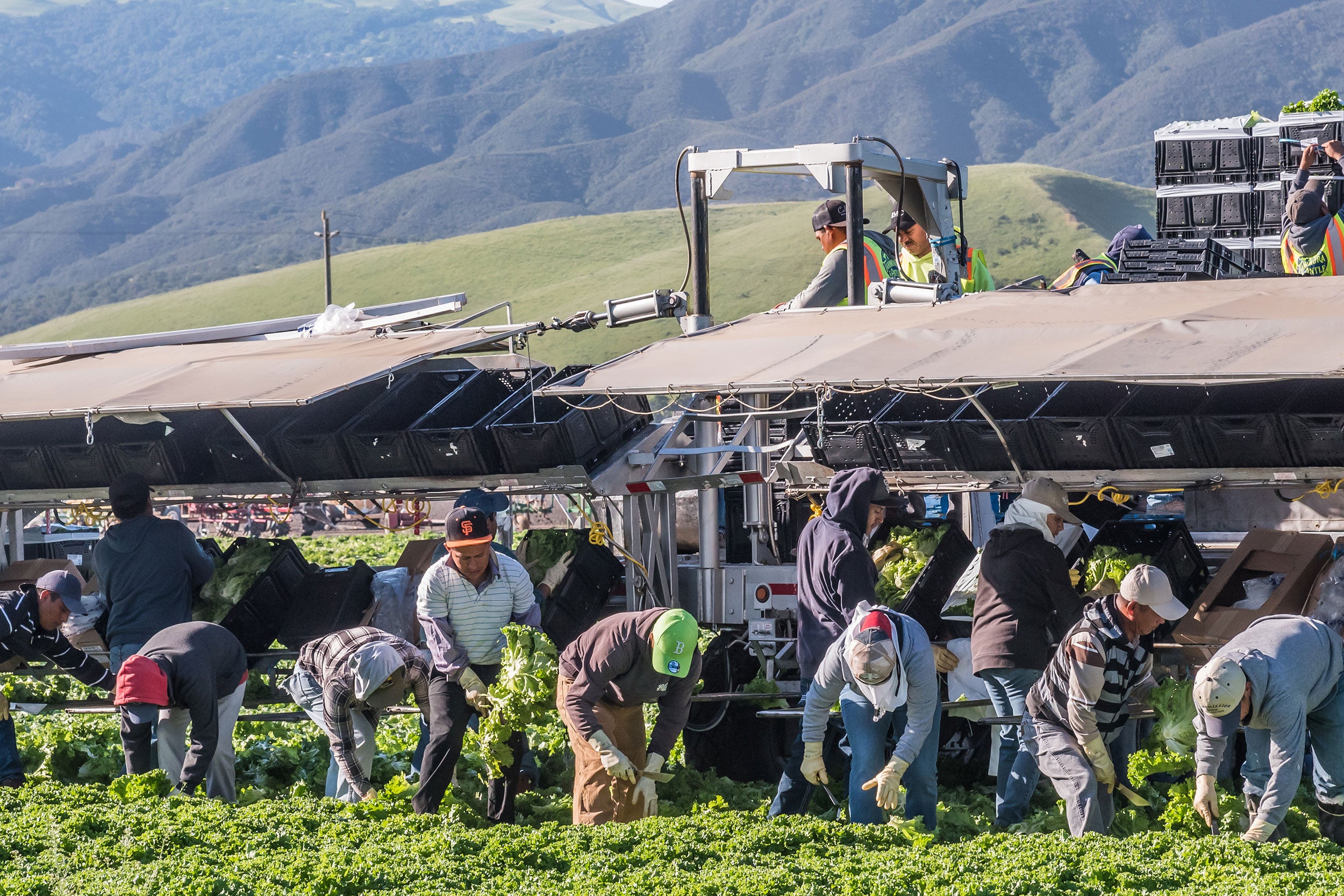
According to the study, more than half of surveyed farmers said in 2021 that they were experiencing some sort of labor shortage. On average, farmers reported an inability to hire 21% of the labor they needed for normal operating conditions.
The Michigan State University study developed an equilibrium displacement model, a formula that is often used for policy analysis, to relate domestic farm labor markets to labor-intensive agricultural output markets. From here, researcher Zach Rutledge said he was able to derive an expression that related changes in food prices to changes in employment.
Rutledge, speaking at the webinar Wednesday, said the findings “indicate that moderate reductions in farm employment could raise consumer food costs by billions of dollars.”
According to the study, labor-intensive specialty crops generate roughly $115 billion in product value annually, meaning a 2.94% increase due to labor shortages would equate an increase in food prices of nearly $3.4 billion.
The study showed a decline in the Mexican immigrant populations in the U.S., which Rutledge said represents the origin of the majority of foreign-born agricultural workers. He also said agricultural workers are now more likely to settle in one area, rather than migrate to areas where the work is needed, which can add to labor shortages.
Growers on the call said the result is that they cannot find enough workers to get through harvest season without significant loss, or additional costs to pay for overtime work.
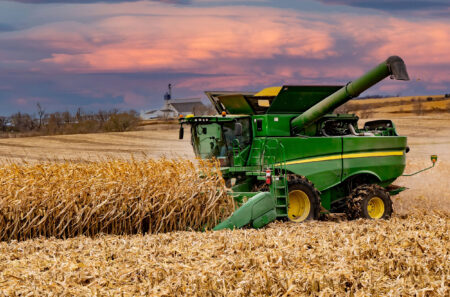
Brandon Raso, a blueberry farmer in New Jersey, said he needs about 600-700 laborers to harvest his 650 acres of blueberries. This past season, he was only able to hire around 200 workers, which led an estimated 2.5 million pounds of blueberries falling to the ground before they could be harvested.
The result of these shortages, according to Raso, is a “huge exodus in multi-generational farms” and farms that have to downsize as a result of mounting costs and labor shortages.
Brandon Batten, a tobacco and row crop farmer in North Carolina, said when labor isn’t there, the “quality goes down, yields go down, and costs continue to go up” because the work still has to be done.
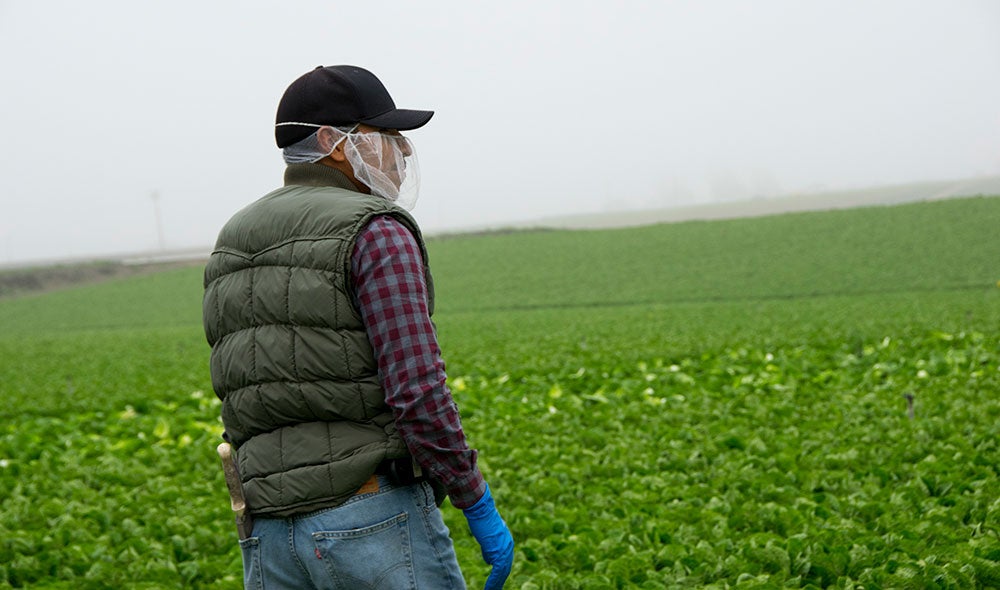
Growers on the call noted the climbing costs of the H-2A visa program, which grants temporary visas for agricultural workers. According to data compiled by the National Council of Agricultural Employees, the average national hourly wage for H-2A employees increased from slightly more than $11 in 2011, to more than $18 in 2025, though the rate is different in each state.
In October, the U.S. Department of Labor issued an interim final rule to modify the methodology that determines the hourly wages under the program. Growers on the call said the new rule has helped lower labor costs, but Batten said he and other producers are “cautiously optimistic” on the long-term effects.
Tate said improvements to the temporary visa program help, but won’t be enough to make the U.S. competitive with foreign food producers who have consistently cheaper labor.
The specialty crop farmers also said they have noticed behavioral changes in immigrant labor populations due to immigration policies and enforcement from the Trump administration.
Tate said enforcement, protests and concerns about safety has led to some “culture change” in her region.
“I think that’s really sad, because we should really be valuing the people who are harvesting our crops and taking care of our food and getting it to us,” Tate said. “They shouldn’t be scared to be in their own communities.”
Iowa Capital Dispatch is part of States Newsroom, a nonprofit news network supported by grants and a coalition of donors as a 501c(3) public charity. Iowa Capital Dispatch maintains editorial independence. Contact Editor Kathie Obradovich for questions: [email protected].