





A proposed Oregon state ballot measure, called the People for the Elimination of Animal Cruelty Exemptions (PEACE) Act, would make radical changes to the state’s animal cruelty statute by striking down most of the existing practices that have long been exempt from prosecution under the law for common agricultural, hunting, scientific, and pest control purposes.
The proposal is presented by its supporters as a further extension of the rights of animals that Oregon law already recognizes. The proposed initiative begins by stating that Oregon “already recognizes that animals are sentient beings capable of experiencing pain, stress, and fear,” and that “current exemptions permit unnecessary and inhumane suffering of animals.”
According to one of the leaders of the PEACE Act, organizers have gathered about 105,000 signatures that still need to be verified, putting it well within striking distance of the 117,173 verified signatures needed by July 2 to make it onto the ballot.
Set to amend Chapter 167 of the Oregon Revised Statutes, the proposal claims it would reduce animal suffering by striking exemptions related to “animal abuse, animal neglect, and animal sexual assault.”
In its Findings and Policy, the proposed initiative states that animal abuse, neglect, and assault are a serious problem in Oregon, and that Oregon needs to amend existing exemptions that permit these problems to continue. The initiative also states that animals should be treated in a manner that reduces their pain, stress, fear, and suffering.
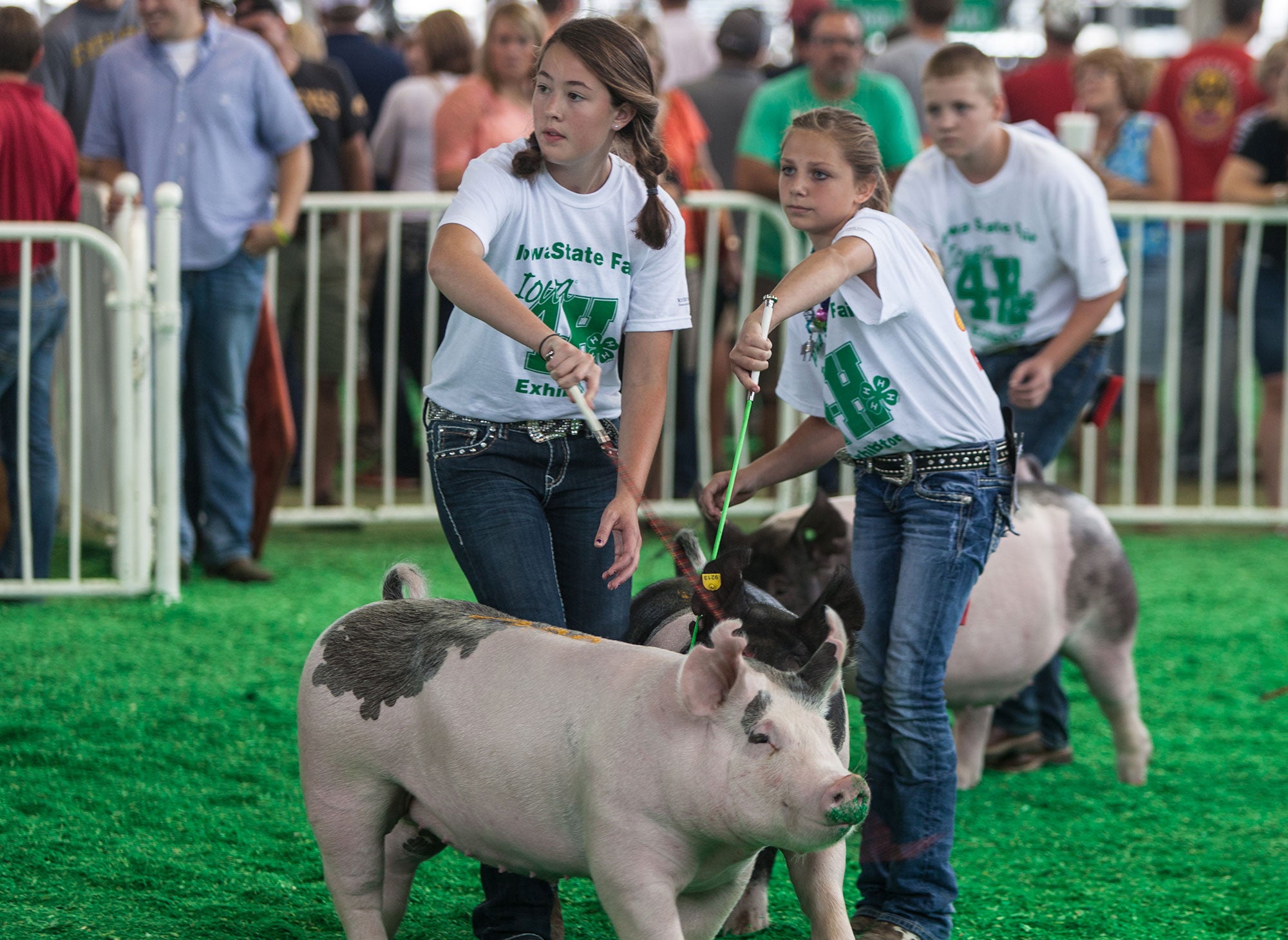
One of the biggest shifts is definitional. The PEACE Act would define “animal” broadly as “any nonhuman mammal, bird, reptile, amphibian or fish.” That expansion matters because the proposal is designed to remove carve-outs so that many of the same legal protections that apply to pets could extend across wildlife, livestock, fish, and research animals.
For agriculture, the most consequential change is the removal of the “good animal husbandry” carve-out. The draft text explicitly strikes language that currently describes good animal husbandry as including practices such as “the dehorning of cattle,” “the castration or neutering of livestock,” and other standard procedures performed according to accepted veterinary or husbandry practices.
Under the proposal, animal abuse in the second degree would apply when a person intentionally, knowingly or recklessly causes physical injury to an animal, with only narrow exceptions tied to defending against the threat of immediate harm to oneself, other humans, or other animals. Animal abuse in the first degree would cover causing serious physical injury or the death of an animal, again only exempting immediate self-defense scenarios.
For livestock producers, that language raises the question of how routine production activities would be treated under a criminal framework if exemptions are removed. Common procedures, euthanasia decisions, transportation incidents, predator control, and slaughter-related practices could face heightened scrutiny depending on how “physical injury,” “serious physical injury,” and “causes the death” are interpreted in practice.
Hunting, fishing, slaughter, research, and pest control carve-outs struck
The measure also proposes striking a wide range of existing exemptions from Oregon law. The sections shown in your excerpt remove protections that currently apply to lawful hunting, fishing, trapping, wildlife management “under color of law,” and “reasonable activities” related to controlling pests or vermin. Exemptions tied to “lawful scientific or agricultural research or teaching that involves the use of animals” are also struck in the language you provided.
On slaughter and meat production, the draft removes language that currently exempts “the killing of livestock” consistent with Oregon slaughter statutes. If enacted as written, the shift could create legal uncertainty for processors, custom-exempt slaughter, and on-farm euthanasia decisions, unless later clarified by courts, regulators, or additional legislation.
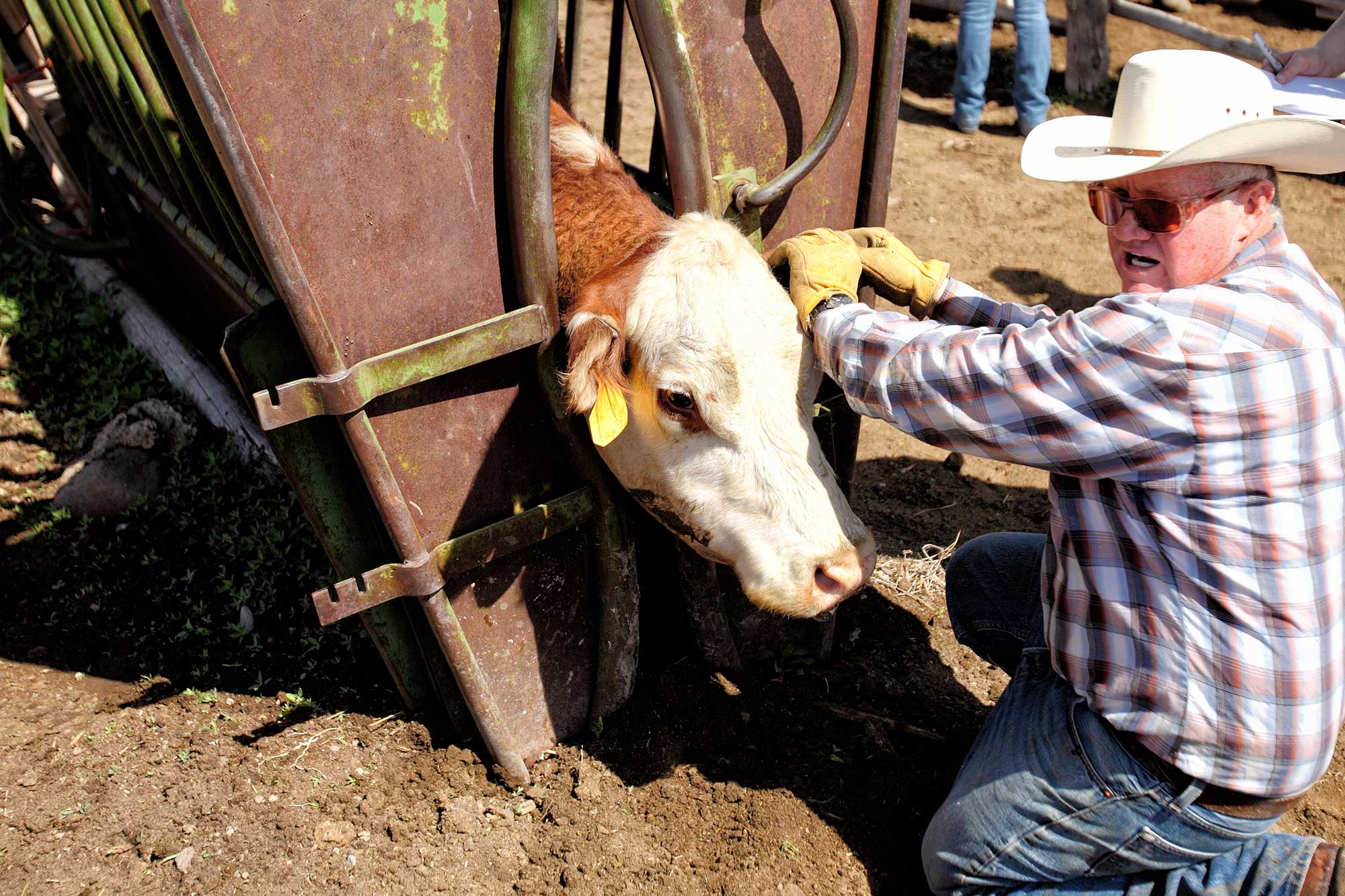
While many of the expectations outlined may align with best practices on many farms, producers could worry about how subjective standards such as “reasonably prudent person” and “adequate space for exercise” might be applied across different species, systems, seasons, and geographic regions.
Another major change is the penalty structure. For certain convictions, the measure adds mandatory restrictions on animal ownership. In one section, it states that a person convicted of certain misdemeanor offenses may not possess any animal for a period of five years and must complete 100 hours of supervised community service at an animal care facility. For more serious convictions, the prohibition increases to 15 years and 300 hours of service.
The measure specifies that community service would be completed at Oregon-based facilities such as a farmed animal sanctuary, a wildlife rehabilitation care provider, or a humane society or animal shelter.
Acknowledging that the initiative could force major changes in livelihoods and food systems, the proposal creates a Humane Transition Fund and a Transitional Oversight Council. The fund would be intended to facilitate a transition out of activities that are to become prohibited, including grants for food assistance, income support while people retrain, job retraining programs, animal care expenses for animals that could no longer be harmed or killed, and conservation or rewilding projects.
If the PEACE Act meets the requirements and is passed, the agricultural sector in Oregon could find itself in a legal situation where normal livestock handling practices are no longer safeguarded by specific statutory exceptions.