




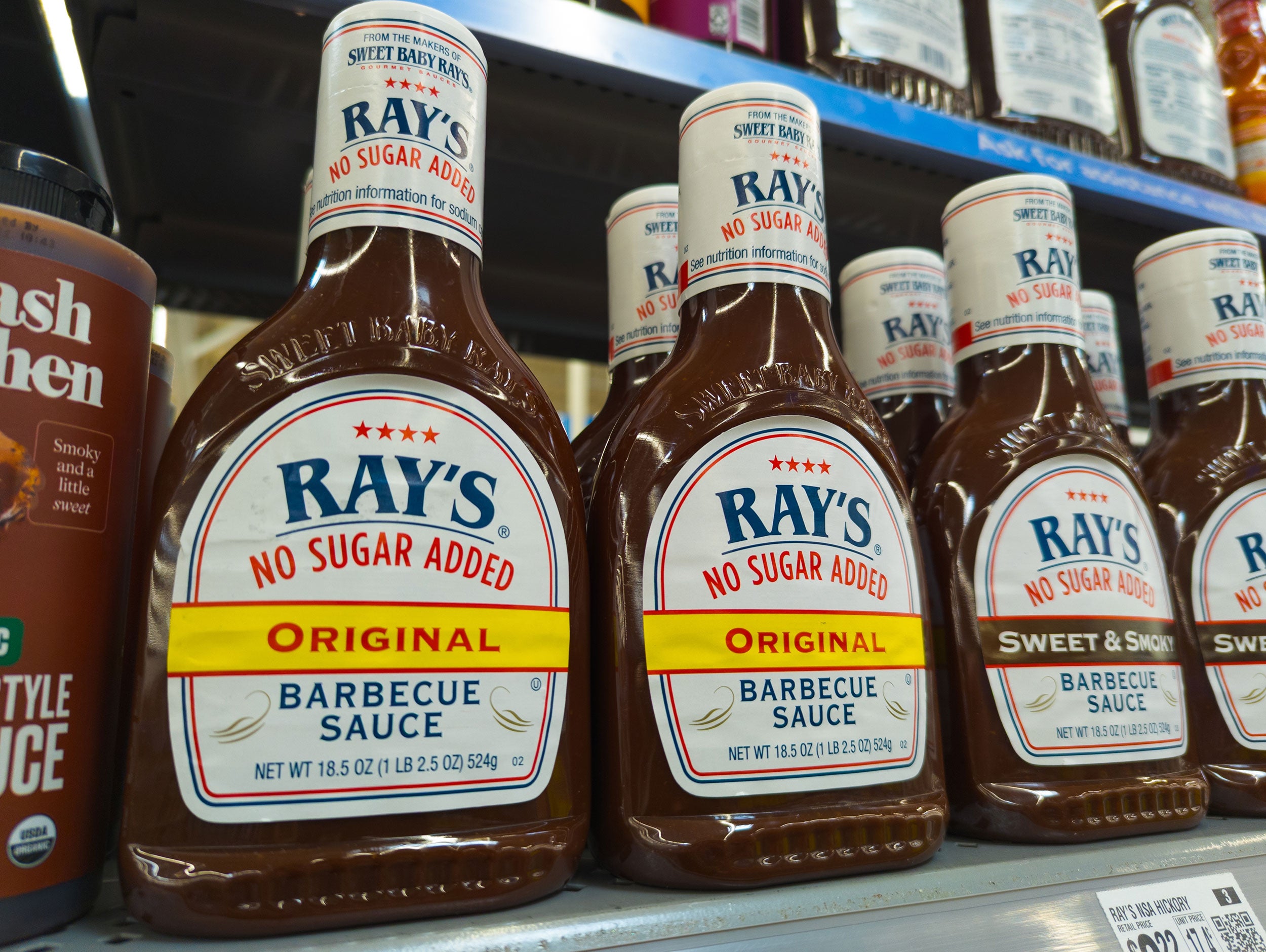
You’ve probably seen labels on foods at the grocery store claiming “No Sugar Added” and thought that it must be healthy. Or you might think that this label is simply a marketing tactic and that there’s no point to it at all.
Luckily — in a world where there are plenty of phony, junk labels — this label has an actual meaning behind it.
Food labels such as “no sugar added” are regulated by the U.S. Food and Drug Administration, along with nutrition content and other claims. In 2016, the FDA changed nutrition label guidelines to list both “total sugars” and “added sugars.” Total sugars include all sugars in a product or food item, including sugar that is naturally present (such as the sugars in milk and fruits) and the added sugars of a product.
Added sugar consists of any sugars added during the processing of foods, foods packaged as a sweetener (such as sugar itself), sugars found in syrups and honey, and sugars from concentrated fruit and vegetable juices. In basic terms, the “no sugar added” label means that a food doesn’t have any additional sugar or sweetener in it; in other words the product only contains sugars naturally occurring in the food.
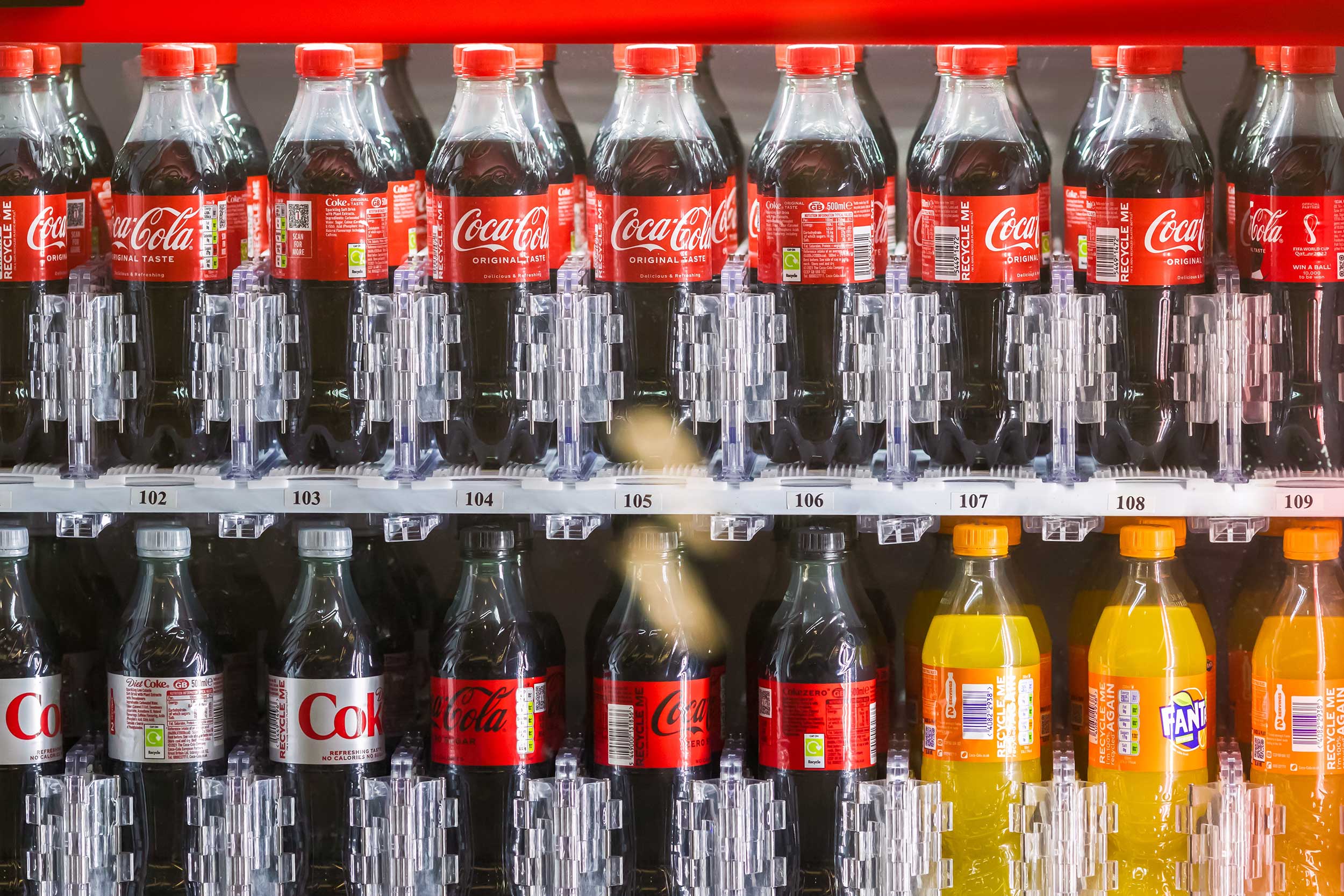
To get a bit more technical, the “no sugar added” label can only be added to the product if these conditions are met:
- No amount of sugars is added during the processing or packaging of the product.
- The food doesn’t contain ingredients containing added sugars (like jam, jelly, or concentrated fruit juice).
- The sugar content of the food hasn’t been increased in some way from how it originally was during processing.
- The claim applies to foods that normally contain added sugar in their typical form.
If all of these points are met, the label can say “no sugar added.” But this doesn’t automatically make it a health food.
The “no sugar added” label is not the same as “sugar free” or “reduced sugar.” The “sugar free” label is more restrictive than the “no sugar added” label. “Sugar free” means that one serving of the product contains less than 0.5 grams of sugars, both natural and added. This could also be listed on packaging as free of sugar, sugarless, no sugar, or zero sugar. The “reduced sugar” label means that the product has at least 25 percent less sugars than the regular/typical version of the product.
Foods that claim to be “no sugar” or “no added sugar” can still taste sweet. The reason is artificial sweeteners. These alternative sweeteners such as stevia, sucralose, or erythritol are not counted as added sugars because they don’t contribute sugar to the nutrition data of the food.
Not only does having a “no sugar added” label not automatically mean the food is healthy, it also doesn’t mean it has a low amount of sugar. Some fruit products (as long as there’s no added sugar) contain a lot of naturally occurring sugar. There can also be artificial sweeteners in the products that have little to no calories but still taste sweet.
Everyone has different opinions on these, but just because they are low in calories doesn’t make them “healthy.”
While food packages typically list total sugars, there are a few exceptions to this. Labels on packages of single-ingredient sugars like table sugar, maple syrup, or honey list the percent daily value for added sugars in the nutrition facts label. The gram amount per serving and the percent daily value can also be included in a footnote. This helps people see there are no additional sugars added to the product and shows how a serving of this single-ingredient sugar contributes to the daily value for added sugars.
Current American dietary guidelines recommend steering away from sugar sweetened beverages and recommends no amount of added sugars or non-nutritive sweeteners. It is also recommended that one meal should contain no more than 10 grams of added sugars.
There’s a lot to know about the role of sugar in food labeling. “No sugar added” does not mean no sugar, no calories from sugar, or “automatically healthy” — instead it is a specific, FDA-defined and regulated claim that a food item doesn’t have any sugars added during processing.
If your goal is to track your sugar intake or make healthy choices, looking at this label might not be the easiest way to do that. Instead, become familiar with what nutrition labels look like and look at the breakdown of total vs added sugars yourself. This can help you make choices that align with your health and nutrition goals.
Michelle Miller, the Farm Babe, is a farmer, public speaker, and writer who has worked for years with row crops, beef cattle, and sheep. She believes education is key in bridging the gap between farmers and consumers. Find more about Michelle on her website.