



DAILY Bites
-
The Ag Economy Barometer fell sharply in January, dropping from 136 in December to 113, as both current conditions and future expectations weakened.
-
Farm finances look more strained: one-half of producers said they’re worse off than a year ago, 30 percent expect worse performance ahead, and operating-loan needs are rising with more producers citing carryover debt.
-
Export anxiety intensified, especially for soybeans: more producers expect exports to decline over the next five years, and 80 percent are concerned about U.S. soybean competitiveness versus Brazil.
DAILY Discussion
Farmer confidence took a notable step backward at the start of 2026, according to the January Purdue University–CME Group Ag Economy Barometer, as producers grew increasingly uneasy about financial performance, export competitiveness, and the long-term outlook for U.S. agriculture.
The overall Ag Economy Barometer Index dropped 23 points from December, falling from 136 to 113. Both components of the index weakened substantially: the Current Conditions Index declined 19 points, while the Future Expectations Index fell 25 points. The survey was conducted January 12 through January 16, coinciding with the release of the January WASDE report.
Among the five questions that make up the barometer, the steepest decline came from producers’ views on whether U.S. agriculture will experience good or bad times over the next five years. That index dropped from 122 in December to 88 in January — its lowest level since September 2024 — signaling growing pessimism about the sector’s longer-term prospects.
Financial stress is already evident at the farm level. One-half of respondents said their operations were worse off financially than a year ago. Looking ahead, 30 percent of producers expect their financial performance to deteriorate over the next 12 months, compared with 20 percent who anticipate improvement.

That outlook is weighing on investment decisions. The Farm Capital Investment Index fell 11 points to a reading of 47, its lowest level since October 2024. Only 4 percent of producers said they plan to increase machinery purchases in the coming year, highlighting continued caution around major capital spending.
Borrowing needs are also trending higher. Twenty-one percent of respondents expect their operating loans to increase in 2026, up from 18 percent a year earlier. While rising input costs remain the leading reason for larger loans, a growing share of producers cited unpaid operating debt carried over from prior years. In January, 31 percent of those expecting higher loan balances said rollover debt was the cause — an increase from 23 percent in 2025 and just 5 percent in 2023.
Concerns about agricultural exports added to the gloomy outlook. Sixteen percent of respondents now expect U.S. agricultural exports to decline over the next five years, more than triple the share who held that view in December. When asked specifically about soybeans, 21 percent of corn and soybean producers said they expect soybean exports to fall, up from 13 percent the previous month.
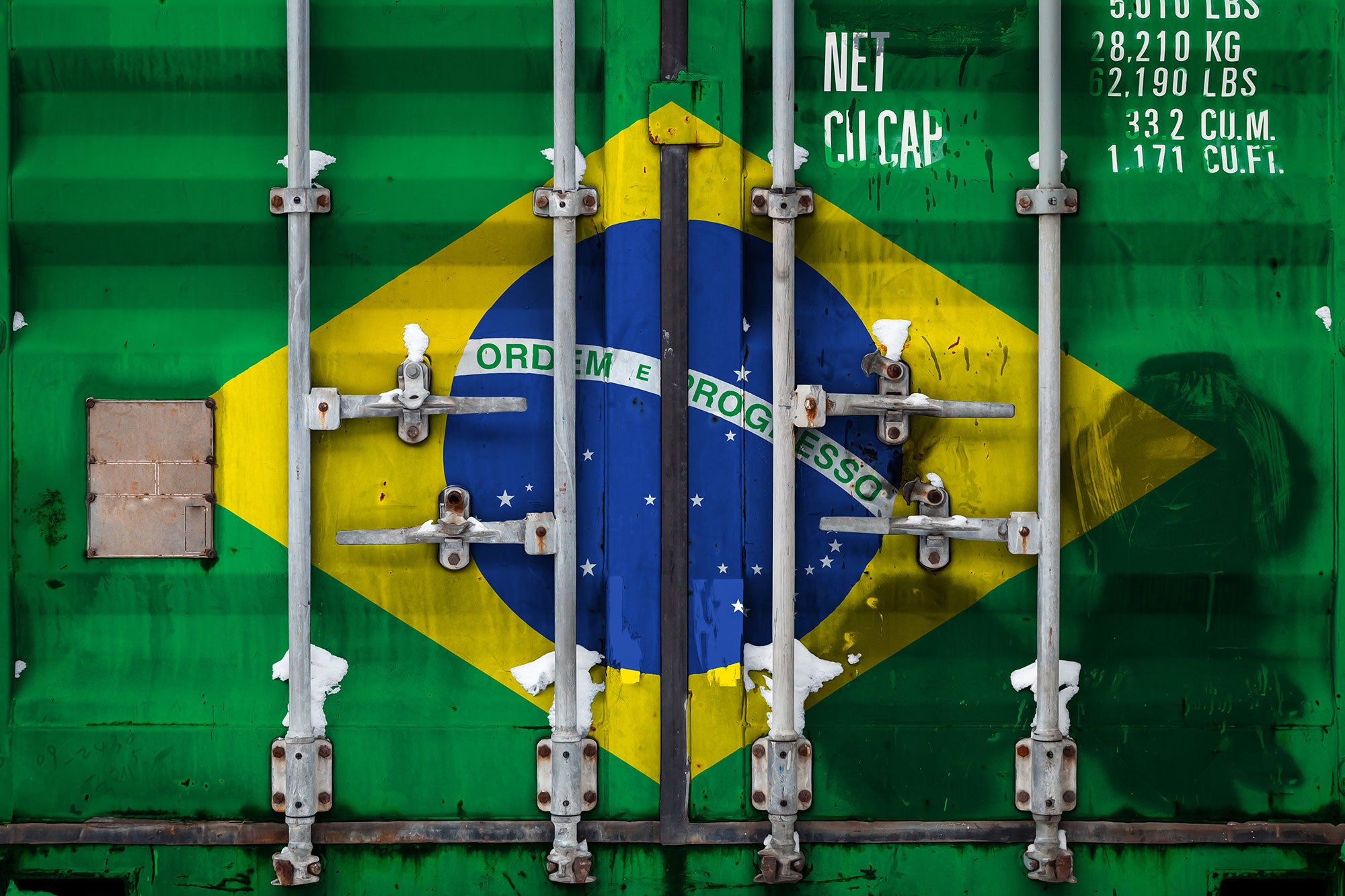
Competition from Brazil loomed large in those responses. Eighty percent of corn and soybean producers said they were concerned or very concerned about the competitiveness of U.S. soybean exports relative to Brazil, with 44 percent indicating they were very concerned.
One area where optimism held firm was short-term farmland values. The Short-Term Farmland Value Expectations Index remained unchanged at 117. However, longer-term confidence slipped. After reaching a record high in December, the long-term farmland value index dropped to 152 in January. Producers pointed to alternative investments, net farm income, and interest rates as the biggest factors influencing land values.
The survey also gauged how producers expect to use payments from the Farmer Bridge Assistance Program announced in late December. More than 50 percent of respondents said the funds would go toward paying down debt, while another 25 percent plan to improve working capital. Smaller shares said the payments would be used for family living expenses, at 10 percent, or machinery investments, at 12 percent.
Broader economic sentiment softened as well. Sixty-two percent of producers said the U.S. is headed in the “right direction,” down from 75 percent in December, marking a notable decline in confidence entering the new year.
Taken together, the January results suggest a clear shift in mood. The share of producers expecting bad financial times over the next 12 months rose to 59 percent, while 46 percent now believe U.S. agriculture will face widespread bad times over the next five years.
As 2026 begins, rising debt concerns, export uncertainty, and cautious investment behavior point to a more pessimistic mindset among farmers, a sharp contrast to the relatively stronger confidence seen at the end of 2025.