


Al Gore may have just delivered one of the most tone-deaf comments of 2026.
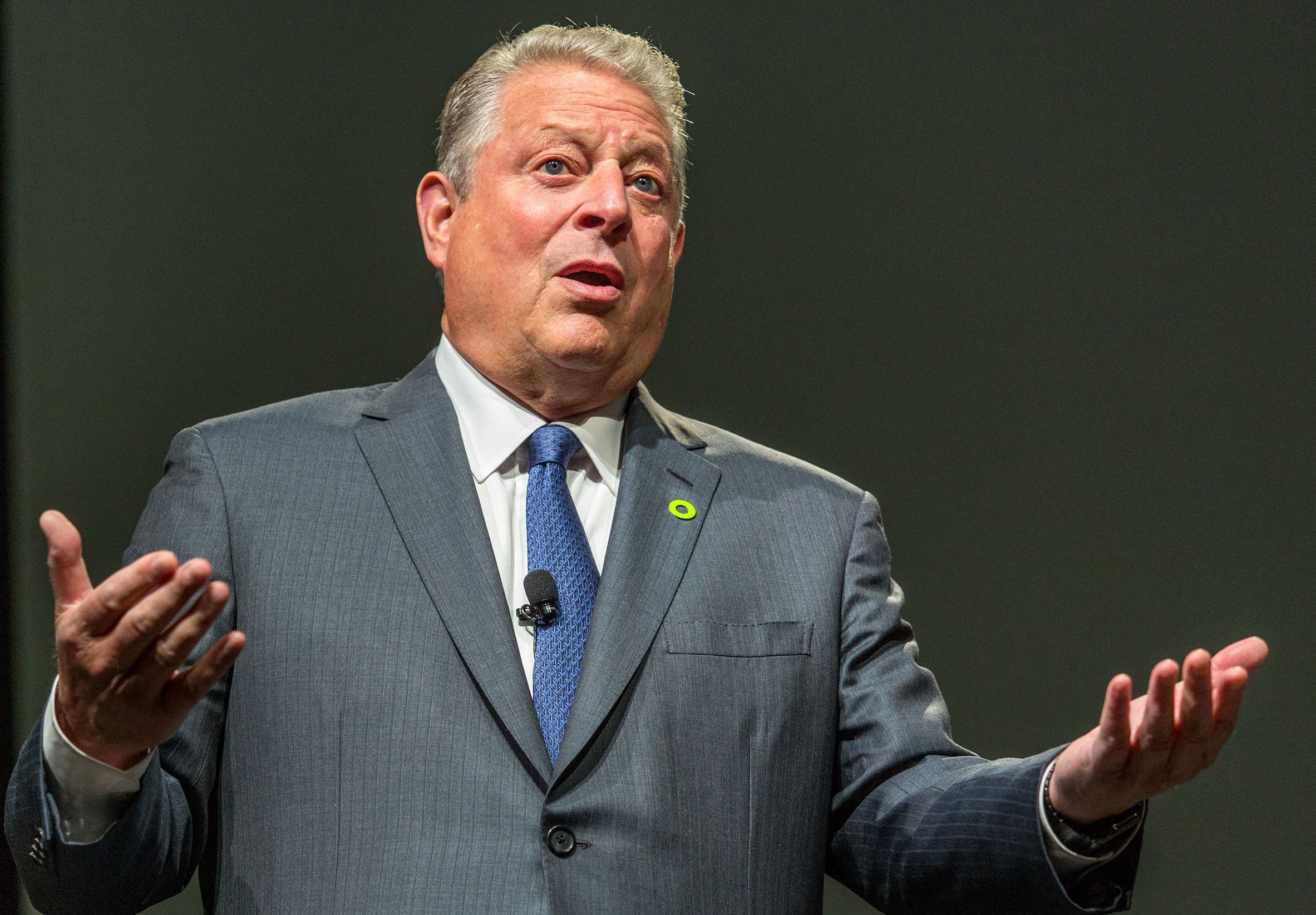
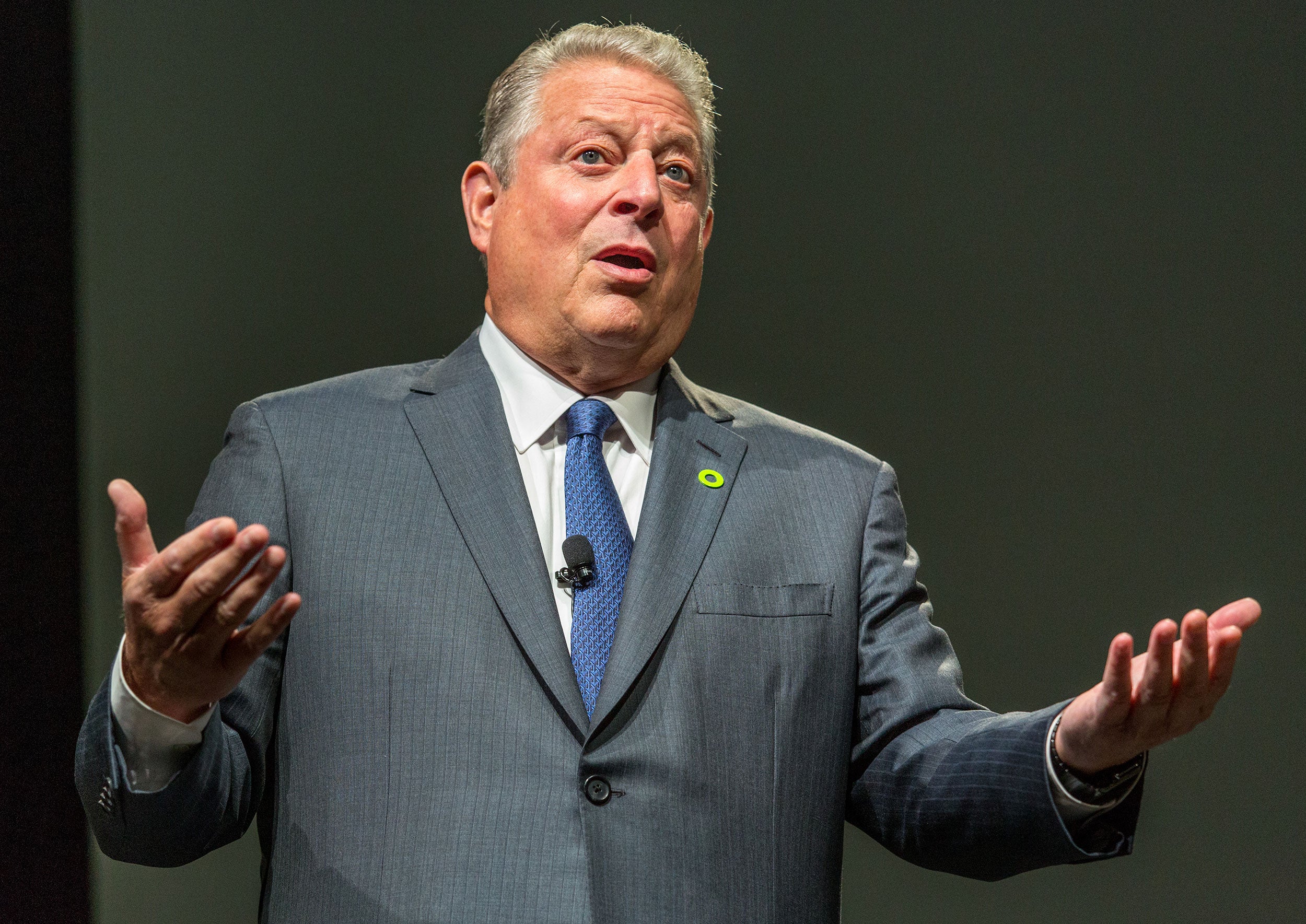
At the World Economic Forum this week in the Swiss Alps, the former Democratic U.S. vice president had an opinion on crop insurance programs, saying, “In order to qualify for these subsidies, farmers basically have to assure the government that they are not going to engage in regenerative agriculture.”
He’s essentially asserting that American farmers are incentivized to be poor stewards of the land. He went on to criticize the efficiency of modern agricultural practices, saying that the U.S. grows too much, too fast, and even hinted at paying farmers to cut back on how much they grow. And, of course, his perspective all comes back to the buzzword “regenerative.”
It’s fair to say that some in the agricultural community didn’t take kindly to Gore’s statements.
“Al Gore’s proposal is a slap in the face to every farmer and rancher in America,” said Texas Ag Commissioner Sid Miller. “While families are getting crushed at the grocery store and the world is crying out for reliable food, there are radical ideas floating around that would pay producers to grow less. That isn’t climate policy — it’s economic malpractice and an ideological assault on the American way of life. You don’t fix hunger or high prices by telling farmers to shut it down. That road leads straight to shortages, dependency, and chaos.”
Gore has long been contentious because of his bullish views on climate change, which Miller noted results in working farmers and ranchers “sacrifice their livelihoods so global elites and bureaucrats can feel good about themselves.” Gore, who is solidly part of that elite with a net worth of $300 million, was speaking at the forum as part of the “How Can We Avert a Climate Recession?” panel discussion.
Few American farmers don’t see the value in soil health and land stewardship, but terms like “regenerative” generally aren’t helpful. The U.S. Department of Agriculture and the Make America Healthy Again movement have used the term recently, but there is no official definition (or template), and while it can broadly be seen as “renewal or restoration” of the soil, the ways to do that are often debated — usually involving varying degrees of tillage, crop rotation, cover cropping, biotechnology, livestock integration, and precision ag.
In fact, The Nature Conservancy said that it has documented more than 200 individual definitions of “regenerative agriculture,” which suggests just how haphazardly and opportunistically the term is applied.
Miller rounded out his rebuttal of Gore by saying, “Let me be clear: Farmers and ranchers are not the problem. They are the backbone of this nation. Texas producers already lead the world in conservation, efficiency, and innovation — doing more with less, without mandates, insults, or lectures from jet setting climate activists. What America needs is more crops, more cattle, more farmers, and more freedom — not less.”