




DAILY Bites
-
A new German study using shipment-level import data finds roughly 96% of the 2025 U.S. tariff burden was paid by U.S. buyers, with foreign exporters absorbing about 4%.
-
The study reports little evidence that exporters cut prices to offset tariffs; instead, higher duties were associated with sharp drops in trade volumes (including “shock” tariff hikes on Brazil and India in August 2025).
-
China plans tariff reductions on Canadian canola starting March 1, 2026.
DAILY Discussion
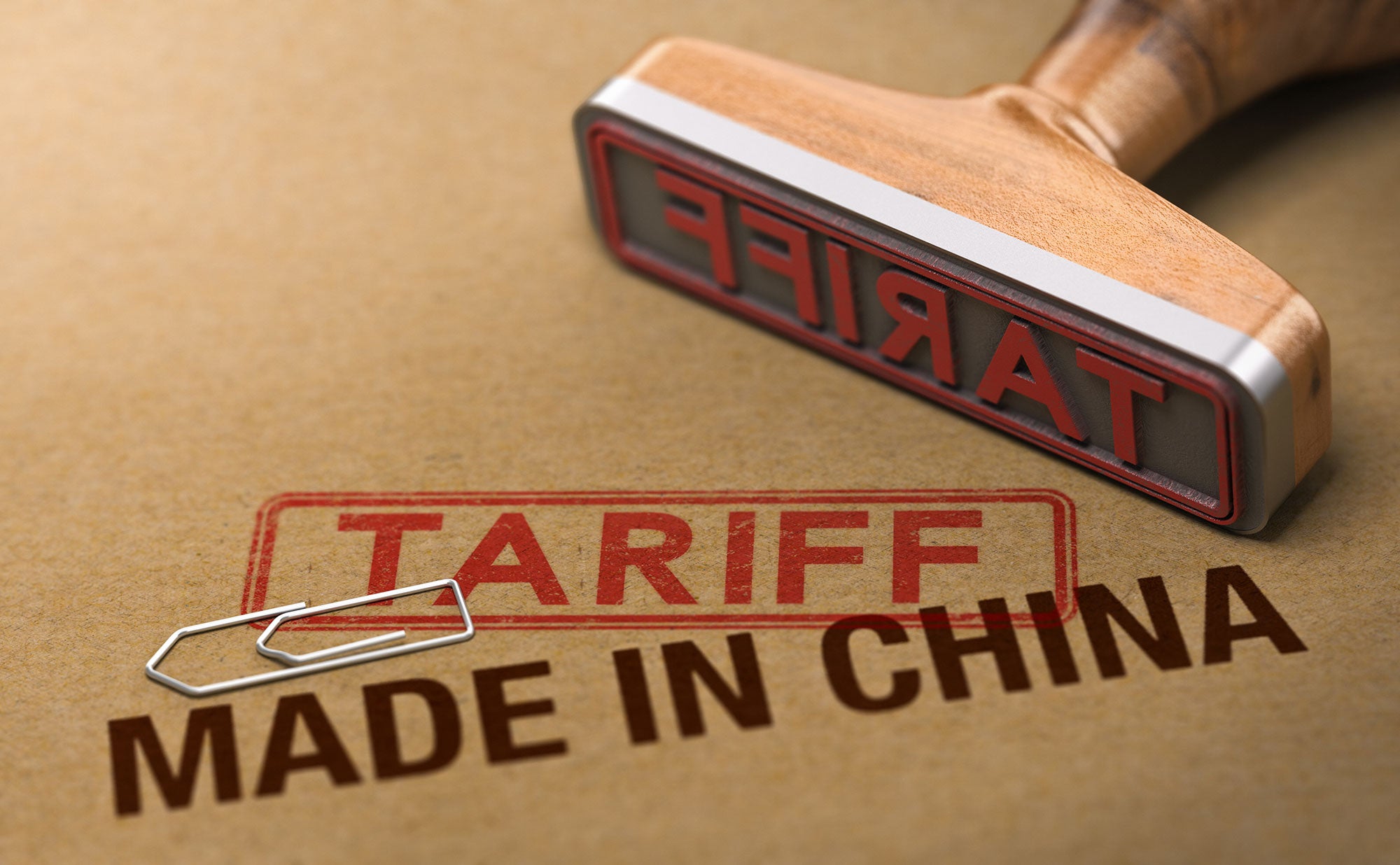
Tariffs have a cornerstone to Trump-era trade strategies, and a major topic among farmers. A new German study has explored the past year’s tariffs and suggests that the brunt of U.S. tariffs (96 percent) have been paid by U.S. buyers.
The researchers dug into shipment-level import data that covers more than 25 million transactions and nearly $4 trillion in trade value. What they find is pretty blunt: The 2025 U.S. tariffs were an “own goal” because Americans bore almost the entire cost.
According to the study by the Kiel Institute, foreign exporters absorbed only about 4 percent of the tariff burden. The other 96 percent was passed through to U.S. buyers, meaning importers paid it at the border and the costs flowed downstream through the economy.
That matters because tariffs don’t arrive as a bill mailed to another country. They’re collected by U.S. Customs from the U.S. importer. That importer can try to swallow the cost, but in most cases it gets baked into pricing decisions — either through higher prices, thinner margins, or changes in sourcing that aren’t free.
So when the brief notes that U.S. customs revenue surged by roughly $200 billion in 2025, it isn’t describing a clever revenue hack that foreigners financed. It’s describing a tax increase that was paid largely by American firms and households. The money may end up in the Treasury, but it starts in American wallets.
The Kiel team’s results show near-complete pass-through to U.S. import prices, meaning exporters generally didn’t discount the goods enough to offset the duties. Instead of a big price response, the adjustment showed up somewhere else: trade volumes. When tariffs rise sharply, shipments fall. The U.S. doesn’t necessarily get cheaper imports; it often gets fewer imports.
The brief backs that up with clean, real-world “shock” moments in August 2025, when the U.S. imposed a sudden 50 percent tariff on Brazil and escalated tariffs on India from 25 percent to 50 percent within the same month. If there were ever a setup where exporters might scramble to cut prices, these are it.
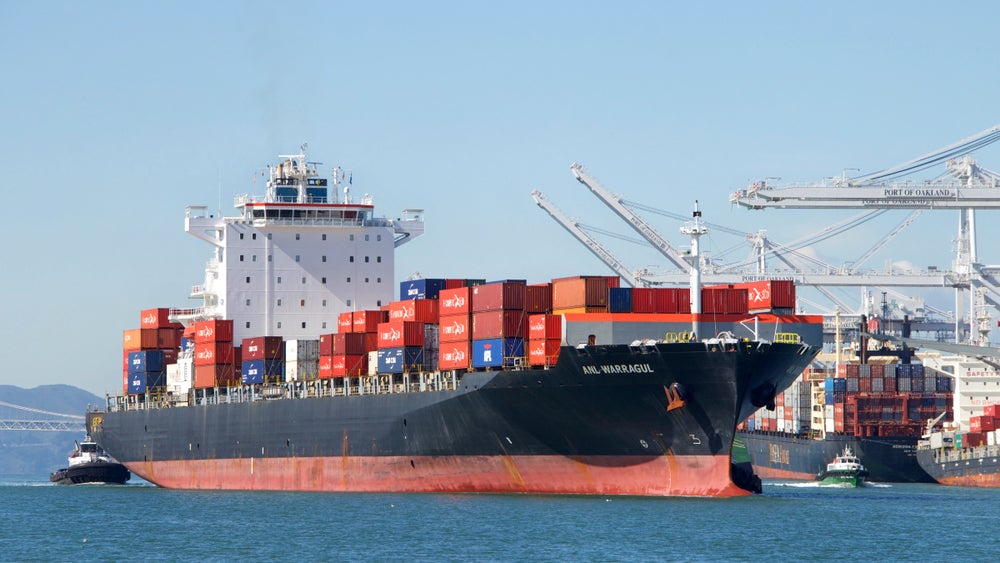
But the event-study evidence in the brief shows export prices didn’t meaningfully decline after the tariffs hit. What collapsed was trade volume. India is an especially telling case because the authors use Indian export customs data that record prices before goods even leave the country. That helps rule out convenient explanations like changing shipping costs. Even there, the pattern holds: Indian exporters largely kept prices steady and shipped less to the United States.
That dynamic is already playing out elsewhere. China’s decision this month to lower tariffs on Canadian agricultural products, including canola, shows how quickly trade flows can respond when tariffs are rolled back rather than piled on. Under the agreement with Ottawa, China will cut tariffs on Canadian canola seed to 15 percent starting March 1, 2026, and eliminate existing 100 percent tariffs on canola meal. The move signals a thaw in trade relations and is expected to reopen a critical export channel for Canadian producers after a year of disruption.
For oilseed and feed markets across North America, the implications are immediate. China has historically been Canada’s largest canola buyer, with exports of canola and related products valued at roughly $5 billion in 2024. When tariffs went up, volumes collapsed. With tariffs coming down, Canadian industry groups expect shipments to resume, tightening global supplies and potentially reshaping feed and oilseed demand patterns in the U.S. as well.
The Canola Council of Canada and the Canadian Canola Growers Association called the announcement a significant breakthrough after months of uncertainty for producers and exporters.
“The agreement reached on canola seed and meal is an important milestone in Canada’s trading relationship with China,” said Chris Davison, CCC President & CEO. “The Canadian canola industry has been clear since the outset that these tariffs are a political issue requiring a political solution. We are pleased to see significant progress in restoring market access for seed and meal and will continue to build on this development by working to achieve permanent and complete tariff relief, including for canola oil, moving forward.”
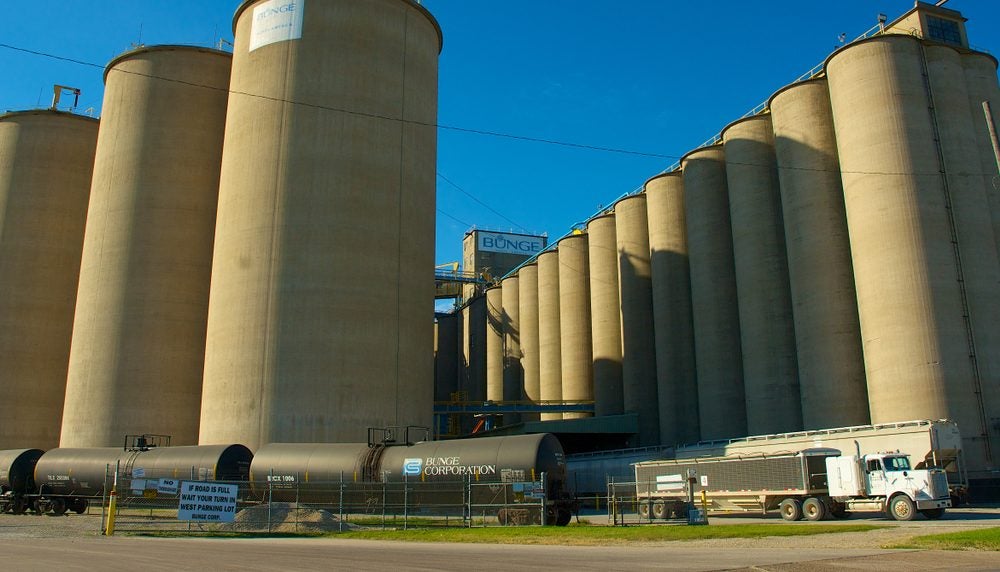
Farm groups say timing is critical, with much of the 2025 canola crop still sitting in on-farm storage and planting decisions for the 2026 season fast approaching. Rick White, President & CEO of CCGA, emphasized the need for stability as farmers prepare for another year. “With most of the 2025 canola crop stored on farm, and planting of the 2026 crop only months away, canola farmers are looking for predictability and confidence in the ability to market their canola,” he said. “We are pleased to see this significant progress and will be looking for resumption of canola movement in the future.”
So why don’t exporters “eat” the tariff? The brief points to a few practical reasons that fit what businesses actually do. The U.S. is a major market, but it’s not the only one, and exporters can often redirect product elsewhere. On top of that, big tariffs are hard to offset with discounts. A 50 percent tariff isn’t something a typical business can neutralize without slashing margins into the ground. When the choice is between keeping prices and accepting fewer sales versus cutting prices drastically to chase volume, many exporters pick the first option. And on the U.S. side, supply chains are sticky. Importers can’t always snap their fingers and replace suppliers overnight, which reduces the pressure on exporters to cut prices quickly.
For agriculture and rural America, this isn’t some abstract trade theory exercise. Farming and agribusiness run through supply chains, and supply chains run on inputs. Even when a producer isn’t buying imported finished goods, they’re still exposed through machinery, parts, packaging, construction materials, processing inputs, and transportation equipment — plus the broader inflationary squeeze tariffs can add to everyday goods. And when import competition gets weaker because tariffs make foreign supply more expensive or less available, domestic suppliers can gain pricing power too. That means higher costs can show up even on “domestic” alternatives, because the market pressure that keeps prices in check is softer.