





Kansas is currently experiencing the most severe outbreak of highly pathogenic avian influenza in the United States, with nearly 414,000 birds affected, according to recent data from the U.S. Department of Agriculture.
The majority of losses stem from a single commercial poultry operation in Pottawatomie County, where approximately 380,000 birds were impacted. However, cases have been confirmed in other regions, bringing USDA reports to four infected commercial flocks and six backyard flocks across the state.
HPAI is a broad classification of avian influenza viruses that includes highly contagious strains such as H5 and H7. The disease is considered nearly 100 percent fatal in poultry once infection occurs, making rapid detection and depopulation critical tools for limiting spread.
Because of Kansas’ location along the Central Flyway, a major migratory bird corridor, the state has been vulnerable to spread. Waterfowl are considered a primary transmitter.
While the virus poses a low risk to the general public, it can be transmitted to humans through close contact with infected birds or animals. The Centers for Disease Control and Prevention notes that H5 avian influenza continues to circulate widely in wild bird populations and has also been detected in U.S. dairy cattle, with sporadic human cases primarily among dairy and poultry workers.
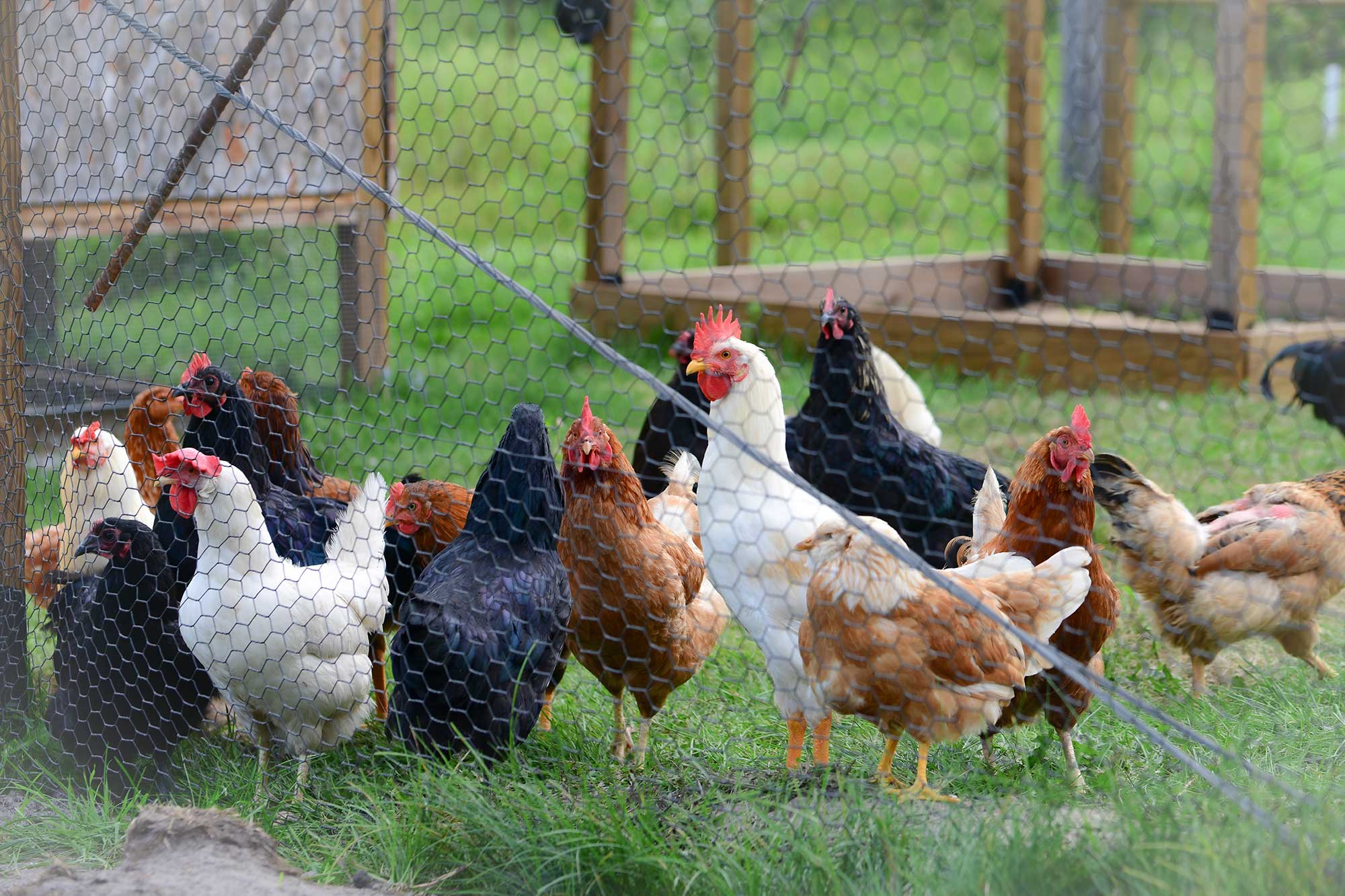
Kansas has not reported any confirmed human cases linked to the current outbreak. Nationwide, the Centers for Disease Control and Prevention reports 74 human cases and two deaths associated with bird flu since 2024.
USDA mapping of outbreaks over the past 30 days shows Kansas as the only state classified at the most severe level. Indiana follows distantly, with roughly 87,000 birds affected across two commercial flocks and five backyard flocks.
State and federal animal health officials continue to emphasize strict biosecurity measures for both commercial producers and backyard flock owners, including limiting farm access, preventing contact with wild birds, and closely monitoring flocks for signs of illness.
As migratory birds continue moving through the Central Flyway, poultry producers across the region are being urged to remain on alert, as the risk of additional detections remains elevated through the winter months.