




“This story was originally published by Grist. Sign up for Grist’s weekly newsletter here.”
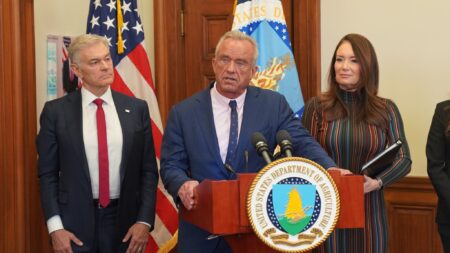
At a White House roundtable recent, President Donald Trump, alongside Agriculture Secretary Brooke Rollins and a handful of other leaders in the government, announced a $12 billion farm aid program intended to offset the economic blowback that U.S. farmers have faced this year as a result of the president’s volatile trade policies.
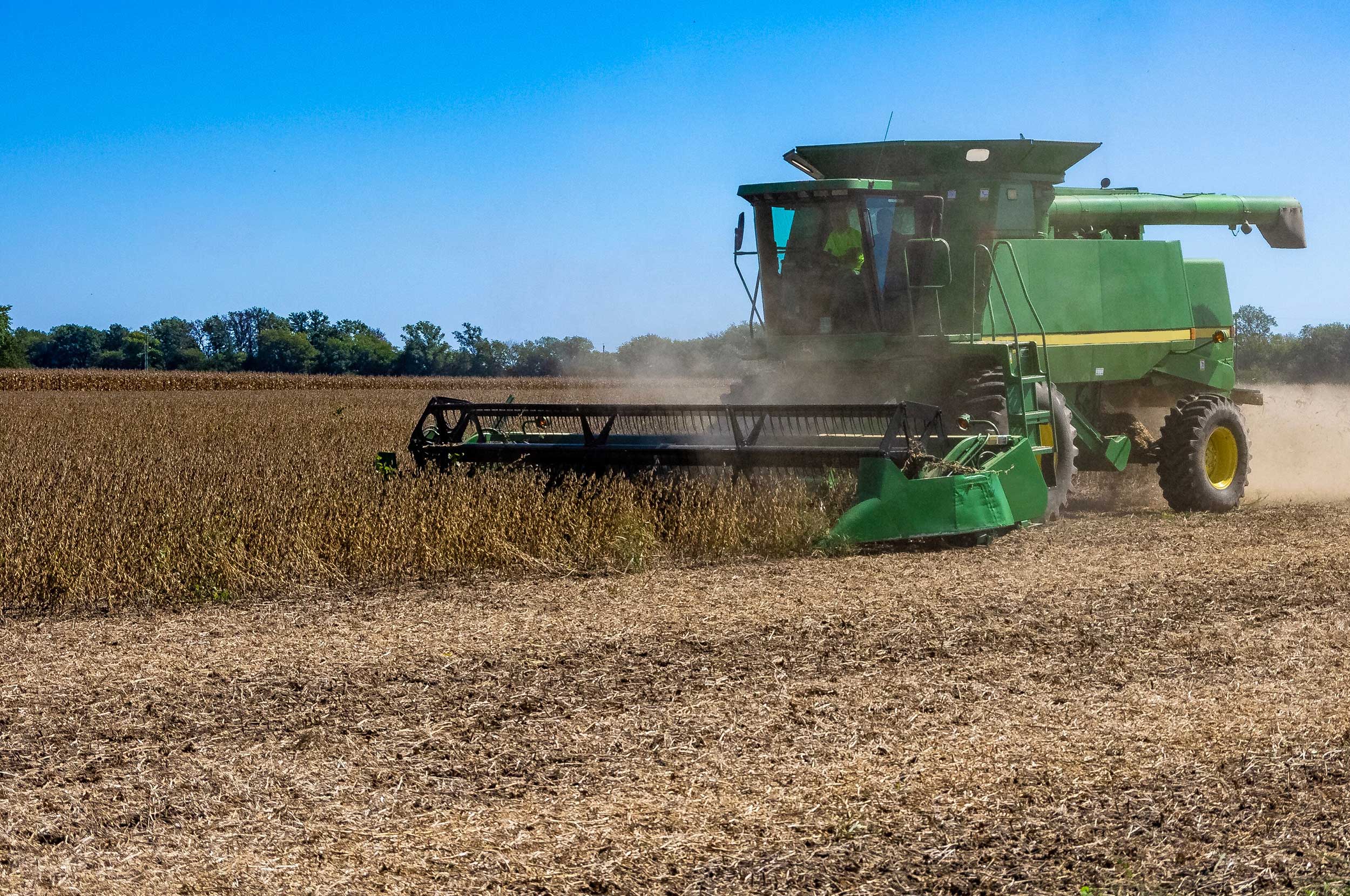
But there’s a catch: only major commodity farming operations — such as those that grow corn, cotton, peanuts, rice, wheat, and soybeans — will be eligible for more than 92 percent of the money, which is scheduled to begin flowing in February. Just $1 billion of the bailout has been set aside for farmers who produce other crops; when those payments will be made available has not yet been announced.
The move is par for the course from the administration, which has allocated a near-record total of $40 billion in farm subsidies this year, with at least two-thirds of those payments having gone to commodity farms. But Trump’s latest billion-dollar bailout does much more than funnel even more cash into Big Ag, which accounts for a significant share of the roughly 10 percent of total greenhouse gas emissions released by agricultural activities nationwide. The corporate handout is also adding kindling to a feud brewing within factions of the right wing in American politics.
During the president’s 2024 re-election campaign, Trump and Robert F. Kennedy, Jr. both repeatedly promised to reign in the widespread use of dangerous pesticides and industry influence within the federal government. This messaging struck a chord with everyone from mom influencers to chiropractors and vaccine skeptics — all eager for an administration that would do away with all the corporate-fueled toxicity in the air we breathe, water we drink, and food we eat. Voters rallied around the need to clean it all up, and quickly.
After taking office, the administration changed course. Its new Environmental Protection Agency administrator, Lee Zeldin, has initiated a series of actions that have softened regulations on the chemical industry, including on products that have agricultural applications. In March, Zeldin promoted Nancy Beck to help lead the agency’s chemicals office. Beck previously worked as a lobbyist for the chemical industry, and as an EPA official during the first Trump administration, she fought against rigorous chemical regulations and became known for championing industry interests.
Over the course of the year, the agency has sought to approve five pesticides containing PFAS, or “forever chemicals,” for farm use on commodity crops such as canola, corn, soybeans, and wheat. Using a very narrow definition of PFAS, which excludes chemicals with single fluorinated carbons, the agency contends that these five pesticides are not technically “forever chemicals” — even though under the international intergovernmental definition, they are.
The EPA is mandated to assess the cumulative risks of all chemicals that are classified as PFAS, which persist in the environment for incredibly long times and have been linked to a variety of harmful human health conditions. So the agency’s narrowed definition may have grave implications and has alarmed environmentalists and public health experts alike. A Grist review of the Office of Chemical Safety and Pollution Prevention proposed assessment documents confirmed that the agency plans to forgo the certain compound risk assessments, which measure how the substances interact with other pesticides, in its review process for all five of the proposed pesticides. Two of those five chemicals, cyclobutrifluram and isocycloseram, have already been green-lit for use in agricultural production — and neither were tested using the cumulative risk approach.
In response to Grist’s request for comment, an EPA spokesperson denied that forgoing the cumulative risk assessments in the agency’s evaluation process is cause for concern. The spokesperson noted that Zeldin “corrected the record on the fake news from Democrats and their media allies” and underscored that the registrations of the five newly proposed pesticides are all in “full compliance” with federal law.
“The administrator made clear that protecting American families remains the top priority — ensuring that EVERY approved pesticide undergoes thorough gold-standard scientific safety evaluations and poses no health risks when used as directed, with NO exceptions. Period,” the spokesperson wrote in an email. “The Trump EPA has not approved any pesticides containing PFAS. This is basic chemistry. And it’s not just us saying this — in fact, it was the Biden EPA that officially ruled single fluorinated compounds are NOT PFAS or ‘forever chemicals.’ ”
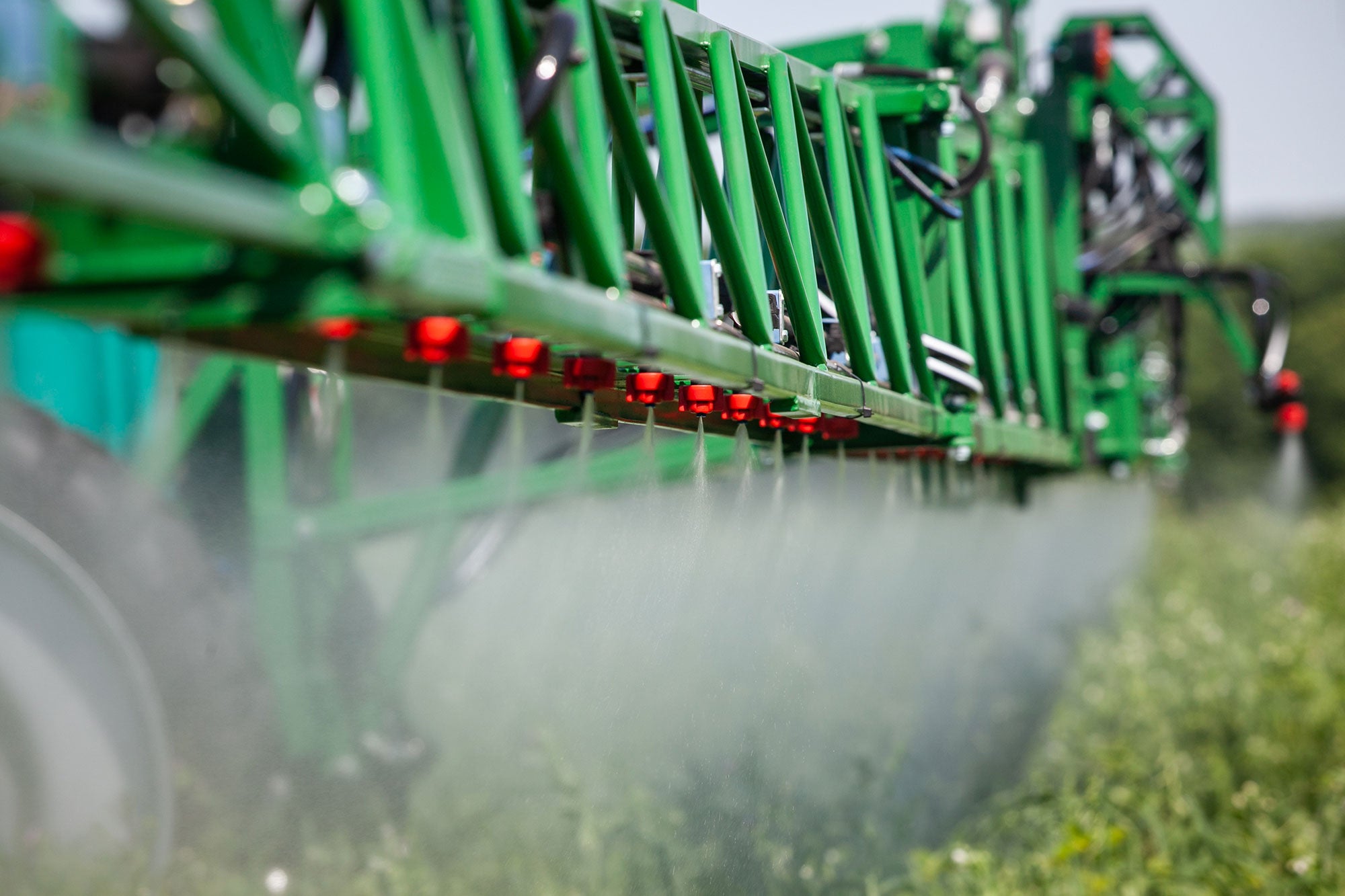
While the EPA’s actions adhere to federal review mandates, a former staffer in the office of pesticide programs, who asked to remain anonymous, said that there is still cause for concern about whether the agency’s newfound priorities increase the risks posed to long-term environmental and human health. According to the former employee, Zeldin’s agency is streamlining new approval applications at the expense of reevaluating older pesticides that have been recently found to be linked to health complications but are still being widely commercially distributed. And if the EPA doesn’t conduct cumulative risk assessments on the proposed pesticides, the former staffer warned that the agency will have a limited understanding of how the chemicals might interact with ones that are already in use.
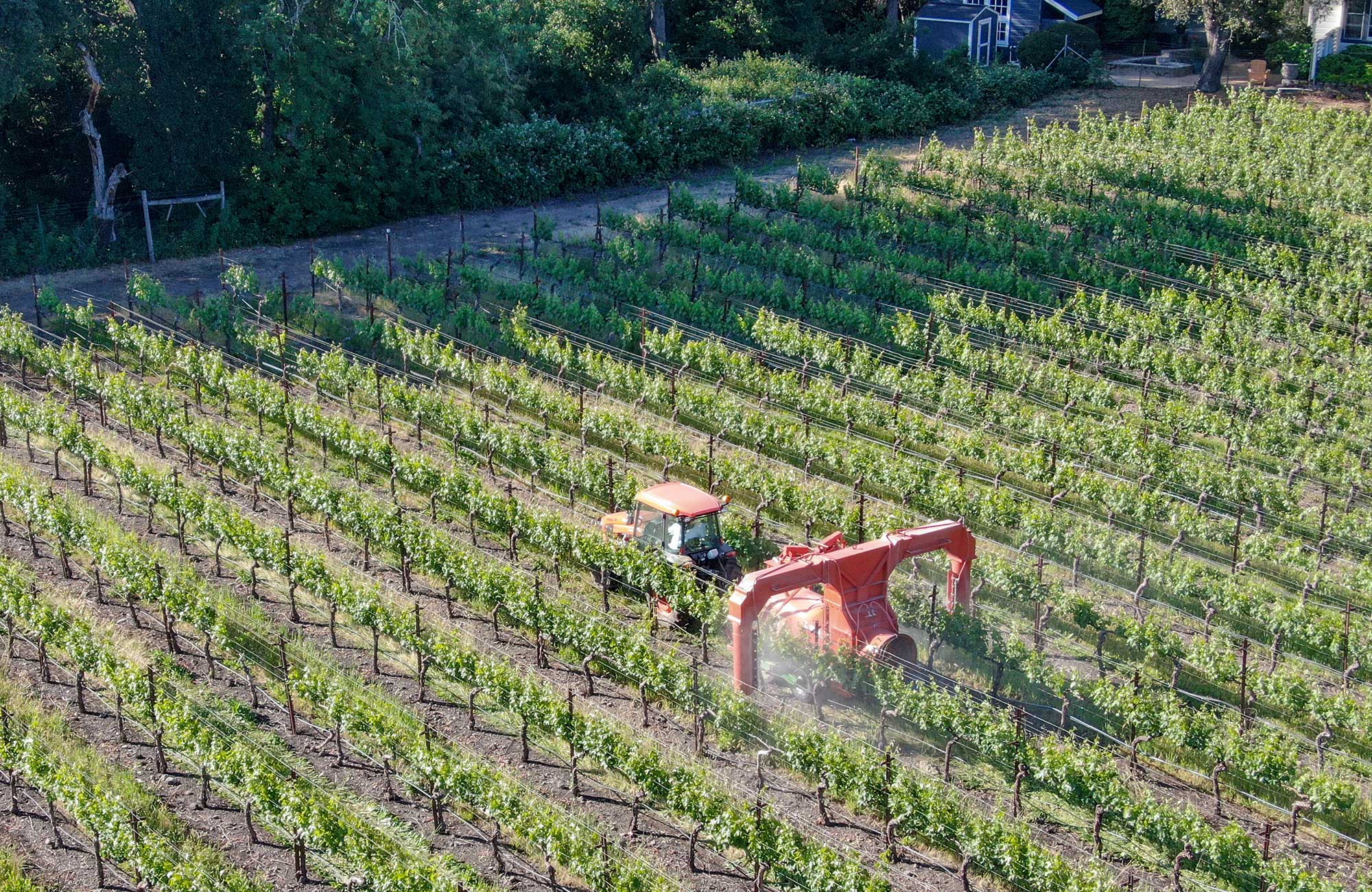
Other major pesticide-related changes at EPA this year include changes to how companies report PFAS chemical use, the alteration of endangered species protections to enable the use of some pesticides in agricultural applications, and the proposed reinstatement of pesticides, such as dicamba, that were previously vacated by different federal courts. Though it’s been used as a common weed killer for over half a century in the U.S., the chemical has become more widespread on soybean and cotton farms in the last decade, and has been linked to some cancers and ecosystem degradation.
While many industry farm groups have voiced their support for the EPA’s approach to pesticide regulation, another bloc of the nation’s conservative movement finds it in direct contradiction with their interests: the Make America Healthy Again coalition.
In May, to much fanfare, a team led by Kennedy released the first MAHA report. But to the dismay of MAHA supporters anticipating a crackdown on pesticides, the document fell short of the campaign’s strong language. The following month, Zeldin hired another former lobbyist to a lead regulatory position. Kyle Kunkler, a former American Soybean Board lobbyist who fought pesticide restrictions, was brought in to take charge of pesticide policy — one of four prominent industry insiders hired by the EPA under Zeldin’s stewardship.
Then, the highly anticipated follow-up to the report, intended to lay out a strategy on how to accomplish its goals, was released in September. That document didn’t mention pesticides at all — a “gift to Big Ag” that fed the MAHA movement’s growing discontent.
The MAHA discord over Big Ag’s influence on policy was further heightened when, in November, the EPA started rapidly finalizing the approval of several of the newly proposed PFAS pesticides, pushing tensions to their breaking point. Behind the scenes, an effort by some congressional Republicans to limit corporate lawsuits on pesticides came just before the Trump administration urged the Supreme Court, earlier this month, to take up a pesticide manufacturer’s appeal in a landmark case that would block thousands of lawsuits brought by cancer patients who allege the weed killer Roundup is to blame.
“Obviously the people at EPA are entrenched in this industrial agricultural system in the beginning, right? Like, that’s pretty clear with what happened with dicamba,” said J.W. Glass, an EPA policy analyst at the conservation nonprofit Center for Biological Diversity. “What’s dicamba used primarily on? Modified soy. What’s atrazine primarily used on? Corn and soy. The issue is, when you even call into question pesticides that industrial agriculture is so reliant on, it provokes such a vicious response … It is almost like a golden goose that cannot be touched.”
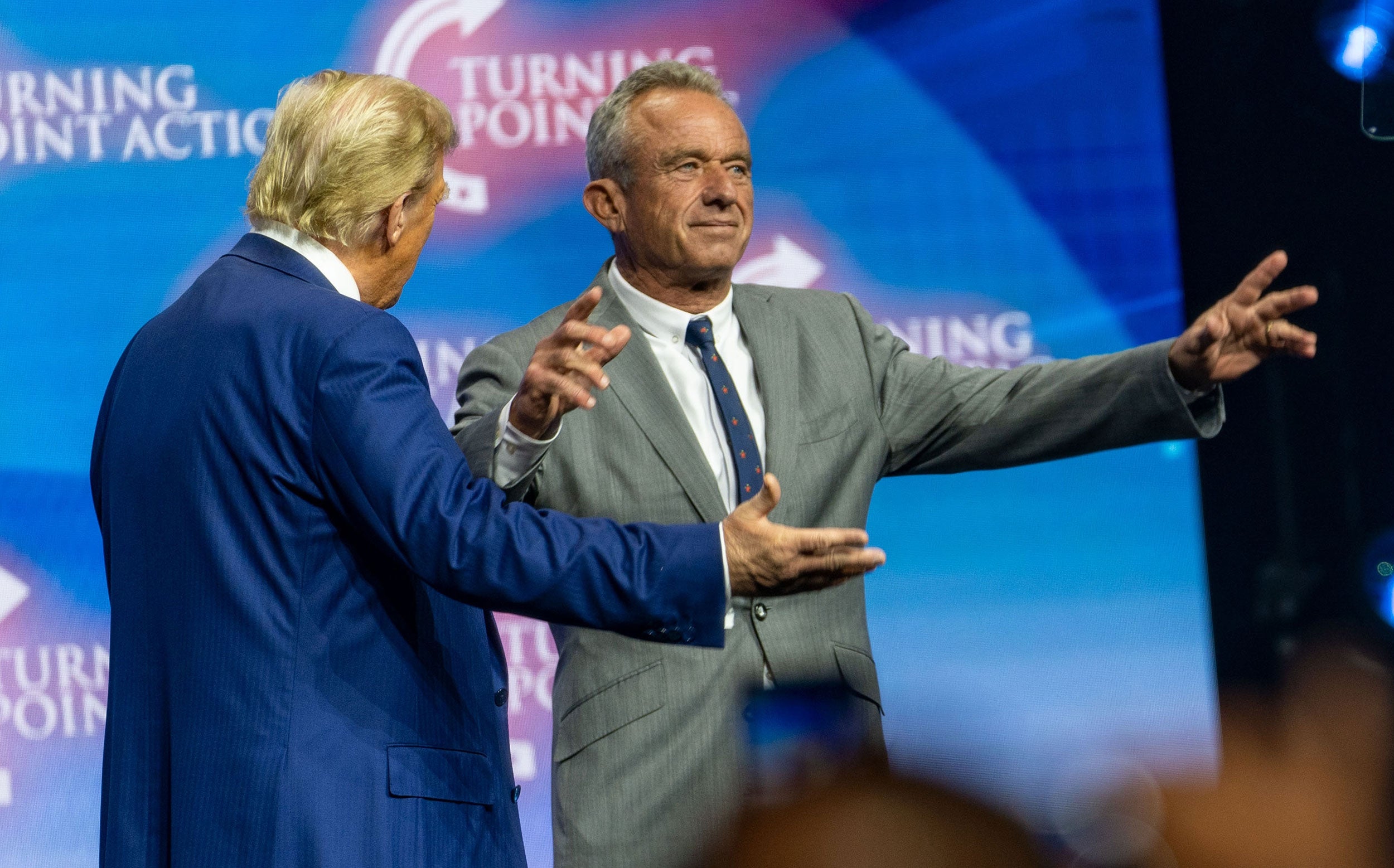
But that hasn’t dampened the mounting frustrations from a bloc of the MAHA movement. Nearly three weeks ago, a group of MAHA leaders and activists launched a campaign to publicly urge Trump to fire Zeldin. “Rather than supporting your initiative to ‘Make America Healthy Again,’ which millions of Republicans and independents alike embraced, Administrator Zeldin has prioritized the interests of chemical corporations over the well-being of American families and children,” the group stated in the petition that’s racked up more than 8,000 signatures. “These chemicals, now being released into our food and water supplies, pose serious threats to both present and future generations.”
“I think there’s been a large misconception in the Republican Party, thinking that the constituents don’t really care about these issues,” Kelly Ryerson, one of the organizers of the petition, told Grist. “A key part” of the MAHA agenda, Ryerson continued, “is removing corporate interests from our regulators.”
“If anything, the EPA is significantly worse off in this administration than it was during the Biden administration,” she added. “And that is something that really frustrates tons and tons of voters that came along with this promise.”
The coalition’s ire, however, seems to be only aimed at Zeldin (who recently teased his own forthcoming MAHA agenda). Ryerson has nothing but praise for other leaders in the administration — Kennedy, Rollins, and the president himself. Last Wednesday, Kennedy and Rollins announced a pilot program that will direct $700 million toward supporting regenerative agriculture, which Ryerson cited as one example of the administration’s commitment to cleaning up the nation’s food system.
All the while, the administration’s support for industrial farms, which are the major users of toxic pesticides, has far outweighed its support for farms that practice more planet-friendly methods. Ryerson freely admits this; she said that factory farming “has dominated agriculture, and we all know it’s a really inconvenient fact, but we all know that it’s killed our soil.” Still, she said, the problem lies with the EPA.
“The MAHA movement,” Ryerson continued, “we would love to see a complete overhaul of our ag system that is just spending this ridiculously obscene amount of money on subsidies for products that aren’t even really food for us at all.”
And yet, Trump shows no signs of abandoning his billion-dollar farm bailout playbook — propping up the very pesticide-sustaining system that MAHA is rallying against.
This article originally appeared in Grist at https://grist.org/food-and-agriculture/how-trumps-big-ag-bailout-is-alienating-his-maha-base/.
Grist is a nonprofit, independent media organization dedicated to telling stories of climate solutions and a just future. Learn more at Grist.org