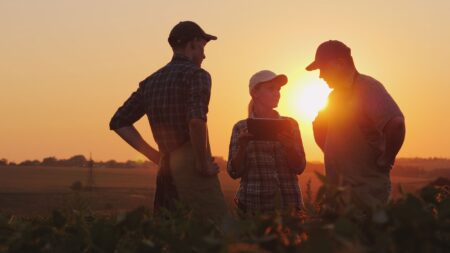




One of the quiet truths in American agriculture right now is that we don’t just have a labor shortage — we have a labor replacement failure.
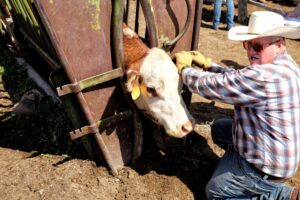
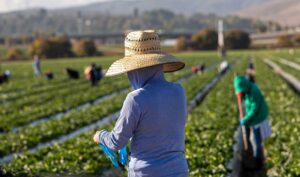
Across the country, farms, dairies, processors, and ag service businesses are advertising jobs they simply cannot fill. These aren’t abstract positions or “jobs Americans don’t want” in the rhetorical sense. They are real, necessary roles tied to real work: milking cows twice a day, feeding livestock, harvesting fruit and vegetables on a tight window, running processing lines, maintaining equipment, managing irrigation, and keeping food moving from field to shelf.
What makes this moment different from past labor tightness is that the domestic pipeline isn’t refilling behind it.
You can see it in declining enrollment in agricultural programs and in the steady thinning of the practical workforce that agriculture depends on — people who are trained, willing, and able to show up day after day in rural places. You can see it when a longtime employee retires and there is no one ready to step into the role, even when the job is steady, even when housing is offered, even when the employer is trying to do things the right way.

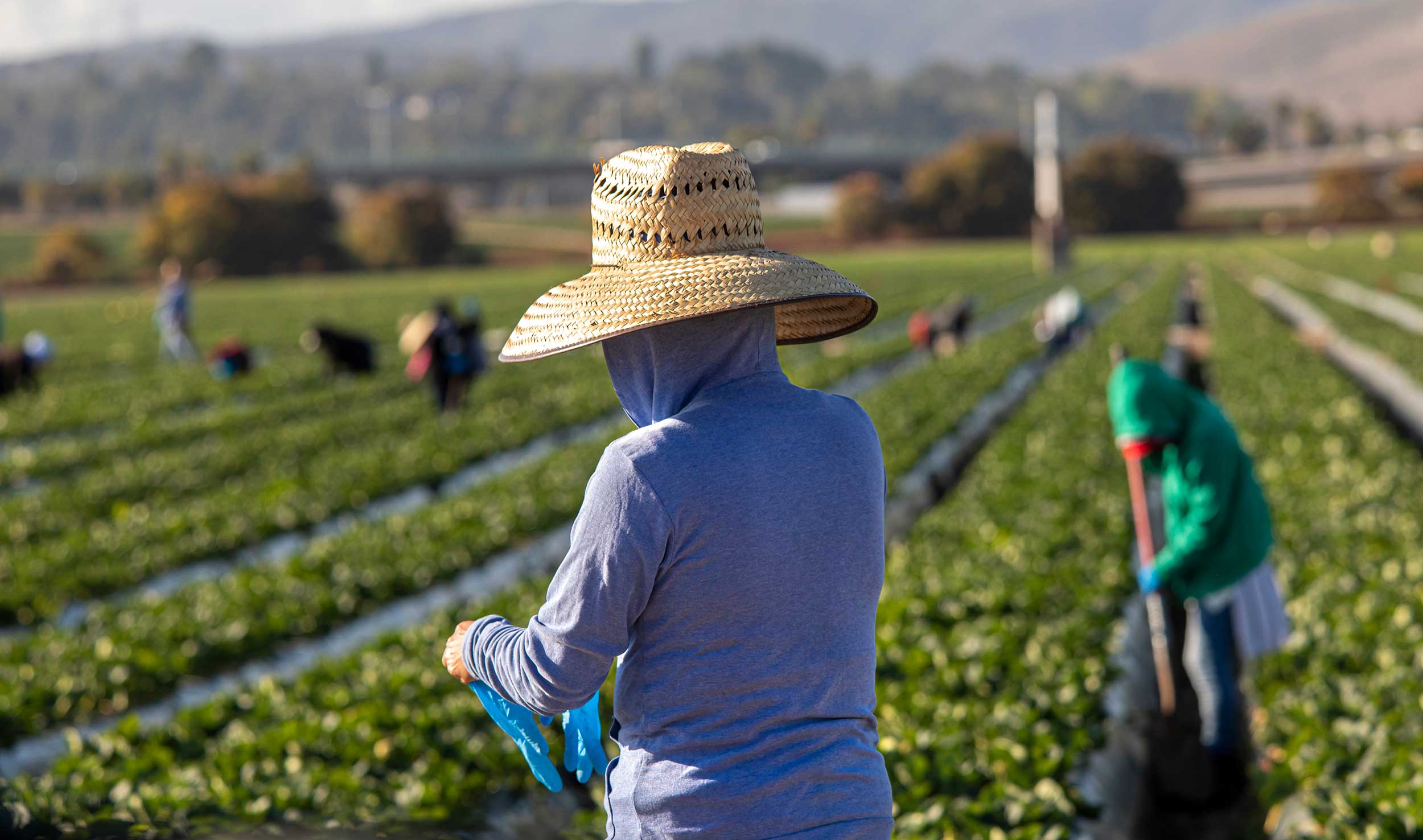
This isn’t simply about wages. Many of these jobs offer steady pay, benefits, and long-term security. But they are physical. They are rural. They are tied to animals, seasons, weather, and responsibility. They don’t match the expectations many younger domestic workers have been raised with, even when the jobs are good jobs.
So the idea that these positions are just sitting there waiting to be filled by some hidden pool of domestic labor doesn’t match what’s happening on the ground.
Without immigrant labor, many of these jobs simply go unfilled. And when ag jobs go unfilled, farms don’t just “hold steady.” They scale back. They change crops. They reduce herd size. They automate where they can, even when it’s expensive or inefficient. Or they exit altogether. That contraction doesn’t show up as a headline; it shows up as fewer operations, fewer rural jobs, less domestic production, and higher costs pushed through the entire food system.
It’s also worth saying plainly — because it’s where people get suspicious, and understandably so — this is not an argument for illegal entry. Farmers don’t want chaos. Chaos is a liability. Agriculture runs on schedules, compliance, insurance, food safety rules, and risk management. What agriculture actually needs is a legal, reliable, well-managed workforce that can be planned around, trained, retained, and regulated.
That agricultural labor reality is a good place to start because it scales beyond the farm gate.
In 2023, foreign-born residents paid roughly $651.9 billion in U.S. taxes. In that same year, the U.S. averaged about 9.4 million job openings at any given time. Also in that same year, foreign-born workers made up about 18.6 percent of the civilian labor force — roughly 29.9 million people employed.
Those numbers aren’t separate facts. They describe the same machine.
If you remove nearly one-fifth of the labor force, what you get isn’t simply “more job openings.” You get a collapse in available labor. And when labor supply collapses, basic economics takes over whether anyone likes it or not. Production slows. Output falls. Bottlenecks appear. Wages rise unevenly. Prices increase. Entire sectors contract.

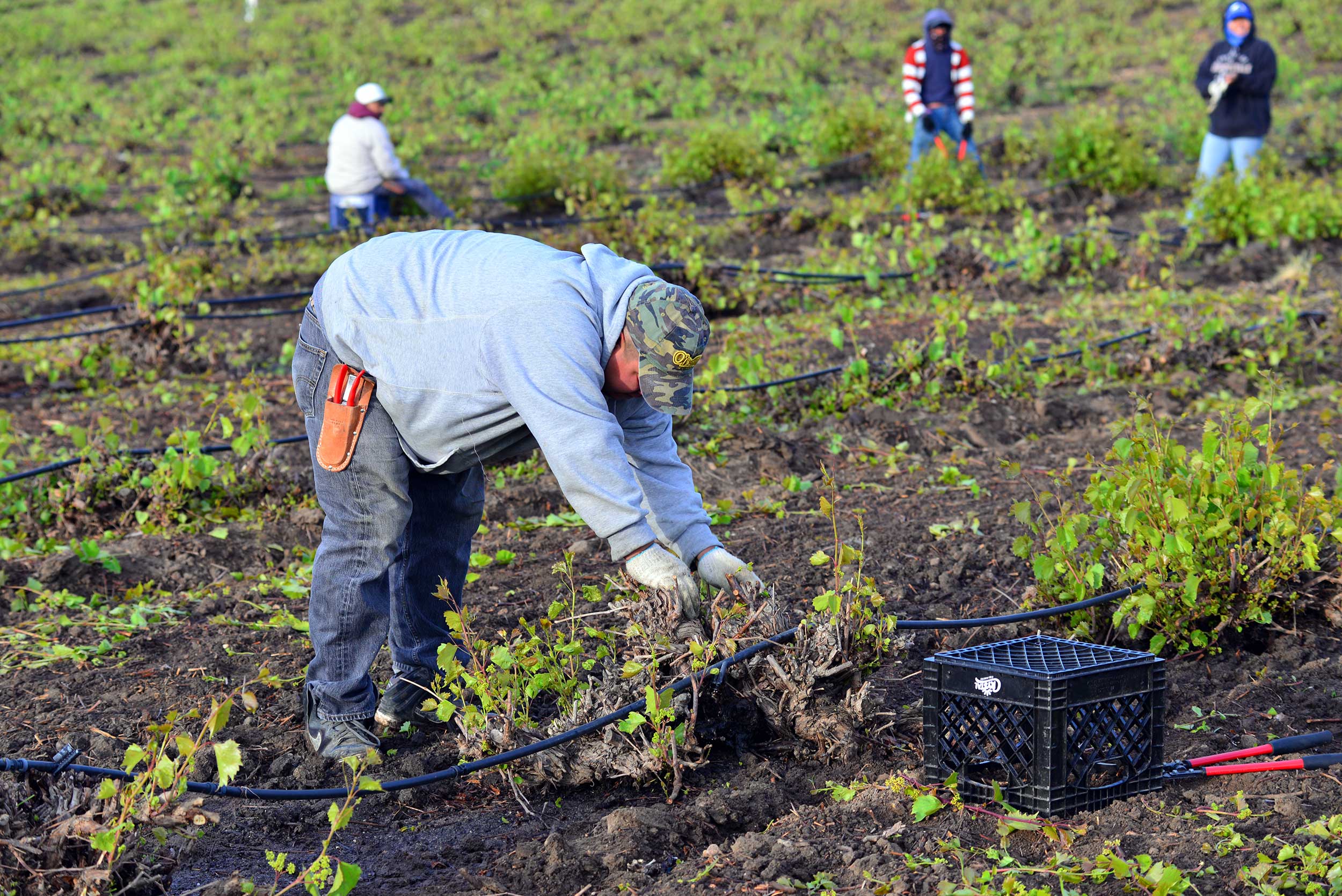
That disruption would not be evenly spread. Foreign-born workers are not randomly distributed across occupations, which is exactly why the pain would be uneven and sharp in particular labor markets. Construction and agriculture are the clearest examples. Take away a large share of the people who frame houses, pour concrete, hang drywall, finish interiors, harvest crops, milk cows, handle livestock, and keep processing lines running, and production slows almost immediately. Demand doesn’t vanish overnight. So prices rise. Housing and food don’t become expensive because of ideology — they become expensive because supply falls.
Agriculture is especially unforgiving because timing matters. Crops don’t wait for a hiring debate. Animals don’t pause. Processing plants don’t idle without cost. When labor disappears, production breaks quickly. And when domestic production breaks, the United States doesn’t stop consuming food. We import more — often from countries with lower environmental standards, weaker labor protections, and longer supply chains than anything we would accept domestically. So the argument isn’t “we need illegal workers.” The argument is that if we want domestic agriculture to stay domestic — and if we want rural economies to remain functional — we need legal pathways that match the labor reality.
Now, that’s the agriculture side. But the deeper and more underappreciated side is Social Security, because Social Security turns “labor supply” into something more than a hiring headache. It turns it into solvency math.
Social Security is not a personal savings account. It is a pay-as-you-go system. In plain terms, today’s workers fund today’s retirees. The entire structure depends on the size and age structure of the workforce relative to the number of beneficiaries. If you’re short on workers, you are short on inflows. If you’re heavy on retirees, you are heavy on outflows. And unlike a farm operation where you can sometimes mothball a project for a season, Social Security doesn’t get to pause. Checks go out every month.

Here’s where inflation matters. Social Security benefits are adjusted each year by cost-of-living increases, which means obligations are protected against inflation. Inflation does not save the system; it exposes its weaknesses, because costs keep pace in real terms.
On the revenue side, Social Security relies on a payroll tax applied only up to a fixed earnings cap. In 2023, that taxable maximum was $160,200. Earnings above that level are not subject to the Social Security portion of the payroll tax. That design choice matters far more today than it did decades ago, because wage growth has increasingly been concentrated at the top.
Put simply, the economy can grow while Social Security’s taxable wage base grows more slowly. The system is funded by wages, not wealth, and it only taxes wages up to a ceiling, while benefits are indexed to inflation. When you combine slower real wage growth for much of the workforce, more income drifting above the taxable maximum, and an aging population, the system becomes structurally dependent on something else to stay upright — a growing number of contributors.
That’s where immigration comes back into the picture, not as a slogan, but as a stabilizer.
Foreign-born workers are disproportionately working-age. They pay payroll taxes immediately and draw relatively few benefits in the near term. From the system’s perspective, they are net contributors. Remove nearly one-fifth of the workforce, and payroll tax revenue falls quickly while benefit obligations remain largely unchanged. Retirees do not disappear simply because the workforce shrinks.
This accelerates trust-fund depletion and brings forward the moment when the system can no longer pay full scheduled benefits without changes to the law. That doesn’t mean Social Security goes to zero, but it does mean automatic benefit reductions unless Congress acts. And the fewer workers there are paying in, the harder those adjustments become.

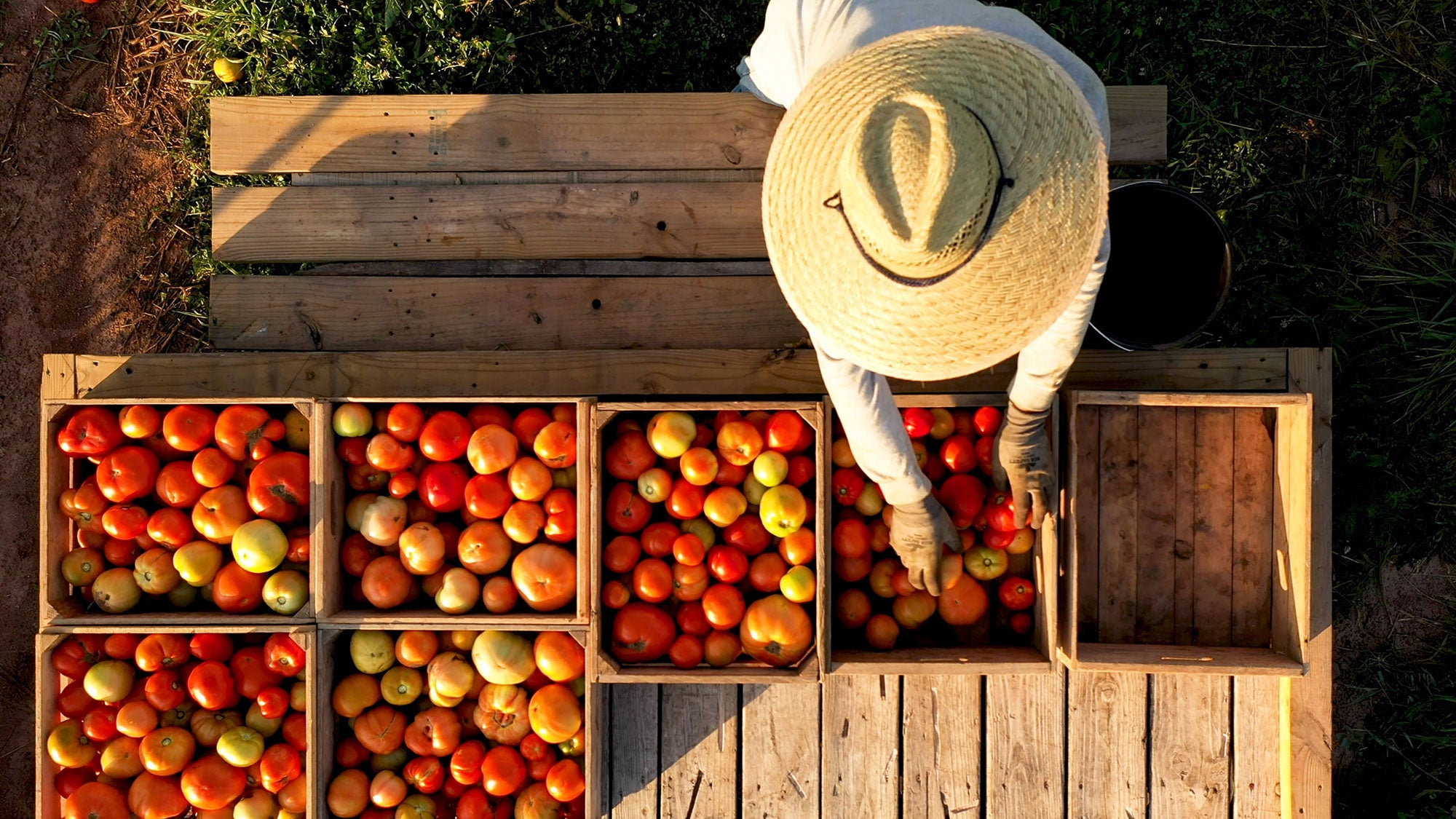
Calls to “just raise wages” sound good until they’re followed all the way through. Higher wages help Social Security only to the extent they increase taxable wages across a broad base of workers and keep people employed. But if wage pressure comes with reduced output, business contraction, and substitution toward automation or offshoring, you don’t necessarily get a net revenue gain. You can get a smaller economy with higher prices and fewer contributors — exactly the opposite of what a pay-as-you-go system needs.
This is why immigration is not just a labor issue. It is a retirement issue. It is a fiscal issue. And it is also a food security issue.
U.S. birth rates are falling. Replacement rates are below what’s needed to keep the labor force stable. Enrollment in agricultural and technical programs is declining. Even to keep the economy static — not growing, just holding steady — workers have to come from somewhere. Without continued legal immigration, the workforce shrinks. When the workforce shrinks, the economy shrinks. When the economy shrinks, the tax base shrinks. And when the tax base shrinks, systems like Social Security weaken at the exact moment costs are rising.
That’s not politics. That’s replacement math.
Rural America understands replacement math better than most. If a hired hand retires, you don’t argue about whether the job should exist. You figure out who’s going to do it — legally, reliably, and safely. If you don’t, production falls.
If contributors disappear faster than retirees, the same thing happens to Social Security. No amount of wishing changes that.


People sometimes compare immigration to invasive species. It sounds clever, but it doesn’t hold. Plants don’t pay taxes. Plants don’t harvest crops. Plants don’t fund retirement systems. People do.
If agriculture is a working landscape and Social Security is a working system, then legal, well-managed immigration isn’t an outside threat. It is replacement labor, replacement expertise, and replacement fertility for a country that isn’t having enough kids and still expects to eat, build houses, and retire.
You don’t have to agree on every immigration policy to see this clearly. U.S. agriculture depends on immigrant labor and expertise to remain productive and domestic. Social Security depends on a growing, working-age population to remain solvent in real terms. Without immigrants, both systems don’t just strain — they contract.
Farmers live inside systems where inputs matter and wishful thinking doesn’t. This is one of those cases where the math doesn’t bend for slogans.
Sometimes the most practical question isn’t who’s right or wrong, but something much simpler:
Who’s going to do the work — and who’s going to pay into the system — when the next generation is smaller than the last?
That’s not a culture-war question.
That’s an operations question.
And agriculture has always been about operations.
Ben Henson is a lifelong farmer and international agricultural consultant with over 30 years of experience in the U.S. and Africa. He currently splits his time between a hay and cattle farm in Oregon and a climate-smart agriculture initiative in Rwanda.