





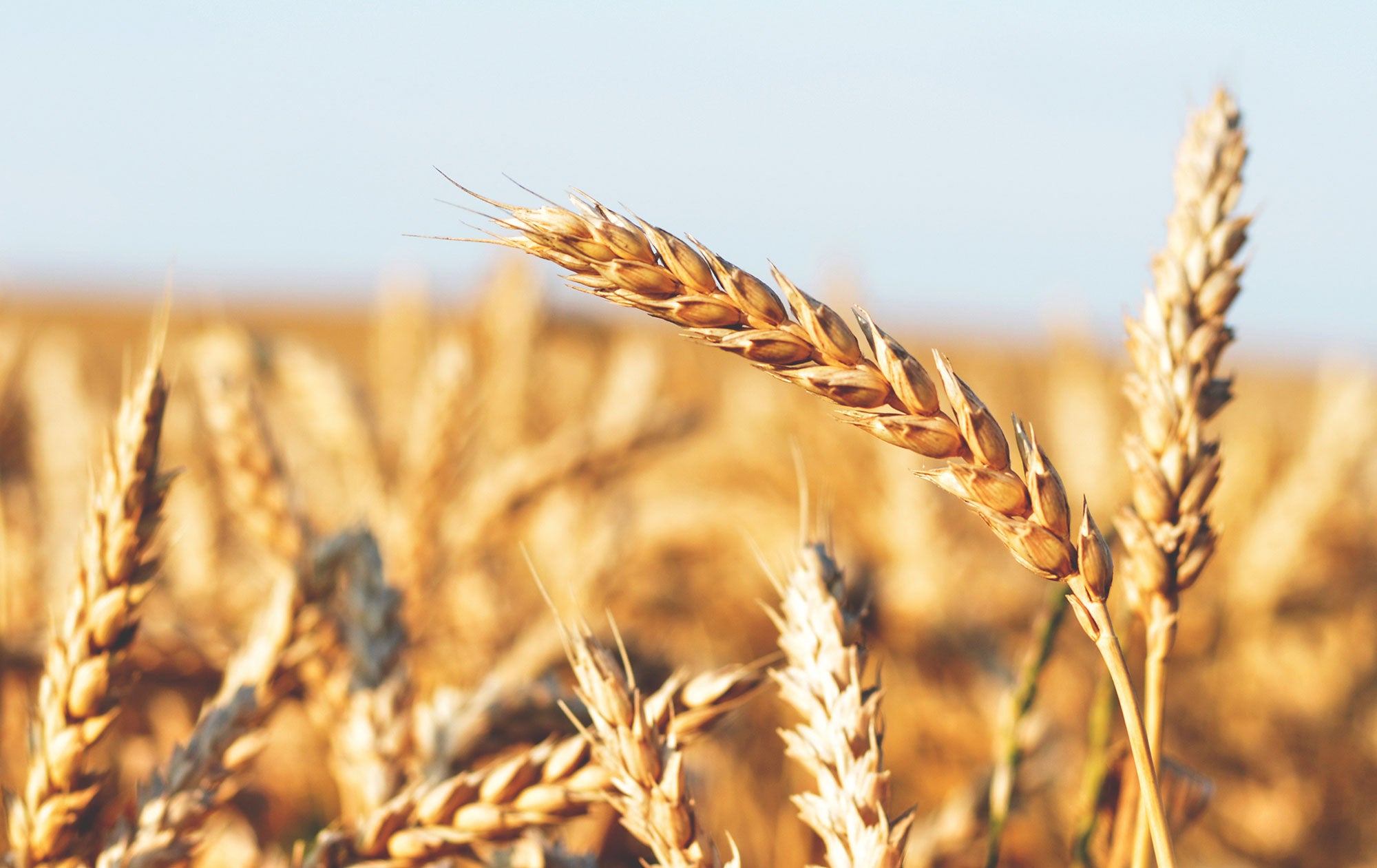
Researchers at the USDA’s Agricultural Research Service have released a new spring wheat germplasm line with resistance to Fusarium head blight — giving growers a leg up against a particularly devastating crop disease.
Fusarium head blight (FHB), or scab, is the number one fungal disease impacting small-grain cereal production in the U.S., particularly wheat and barley. The primary cause of the disease is the fungus Fusarium graminearum L., although it can also be triggered by multiple strains or species of Fusarium. It has caused billions upon billions of dollars in crop losses over the years and can pose a health risk to consumers.
The new germplasm line is also important because Fusarium isn’t improving — in fact, head blight is a greater problem today than it was 20 years ago. Some innovative modern crop protection products, such as Miravis Ace from Syngenta, have helped significantly, but there are more steps that can be taken.

Fungal pathogens tend to thrive in wet weather. As little as two or three days of light to moderate rainfall can favor infection in wheat, with optimal temperatures being between 75 and 85 degrees (though high humidity can lead to lower temperatures also being highly conducive).
Scientists have found that an effective way to control this disastrous disease is by enhancing cereal crops with genes that show resistance to Fusarium head blight. However, the source of effective resistance to head blight is currently limited in wheat and barley. Therefore, there is an urgent need to find new resistance genes that could be used to fight the disease, especially in durum wheat and barley.
Maribel Alonso with the USDA wrote that this new spring wheat germplasm line is a “scientific breakthrough.”
ARS Research Geneticist Xiwen Cai with the Wheat, Sorghum, and Forage Research Unit in Lincoln, Nebraska, along with scientists at ARS and the North Dakota Agricultural Experiment Station, leveraged insights from previously published studies to develop a new spring wheat germplasm line named WGC002. This germplasm carries a novel gene [Fhb7] found in wild grass that provides significant resistance to Fusarium under diverse environments.
The scientists used plant breeding techniques to select genes with the desired traits from wild grass in their breeding lines, which have now been successfully integrated into different market classes of U.S. wheat.

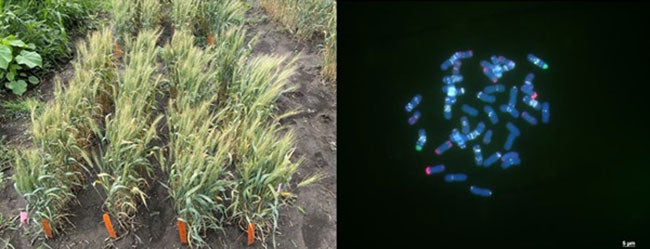
“This is a significant discovery because there are very few resistance genes currently available. This marks the first effective FHB resistance gene identified in wild species that has been bred into spring, winter, and durum wheat,” said Cai. “Moreover, this gene exhibits what we refer to as an additive effect, meaning it enhances and strengthens the resistance level of another gene.”
WGC002 Spring Wheat Germplasm has already been utilized by many wheat breeding programs locally and around the world. ARS scientists have now been deploying this novel FHB resistance gene in elite varieties of winter, spring, and durum wheat.
Scientists anticipate a substantial reduction in U.S. economic losses from wheat crops affected by Fusarium head blight within just a few years if farmers begin growing new varieties with this resistance gene.