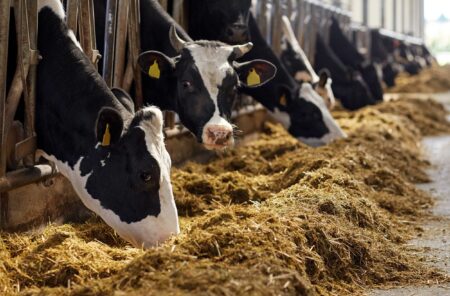







President Donald Trump on Friday signed a proclamation temporarily expanding low-tariff imports of Argentine beef, a move aimed at boosting ground beef supplies for U.S. consumers but one that has drawn criticism from domestic cattle producers.
The proclamation increases the U.S. beef tariff-rate quota by 80,000 metric tons for calendar year 2026, applying exclusively to lean beef trimmings from Argentina. The additional volume will be administered on a first-come, first-served basis in four quarterly tranches beginning February 13.
According to the White House, the action is a response to record-low cattle inventories and persistently high beef prices following years of drought, wildfires, and rising feed costs.
“As President of the United States, I have a responsibility to ensure that hard-working Americans can afford to feed themselves and their families,” Trump said in the proclamation.
U.S. cattle inventories have fallen to historic lows. As of July 2025, total cattle inventory stood at 94.2 million head, including 28.7 million beef cows, continuing a multi-year decline driven largely by drought conditions across major cattle-producing states.

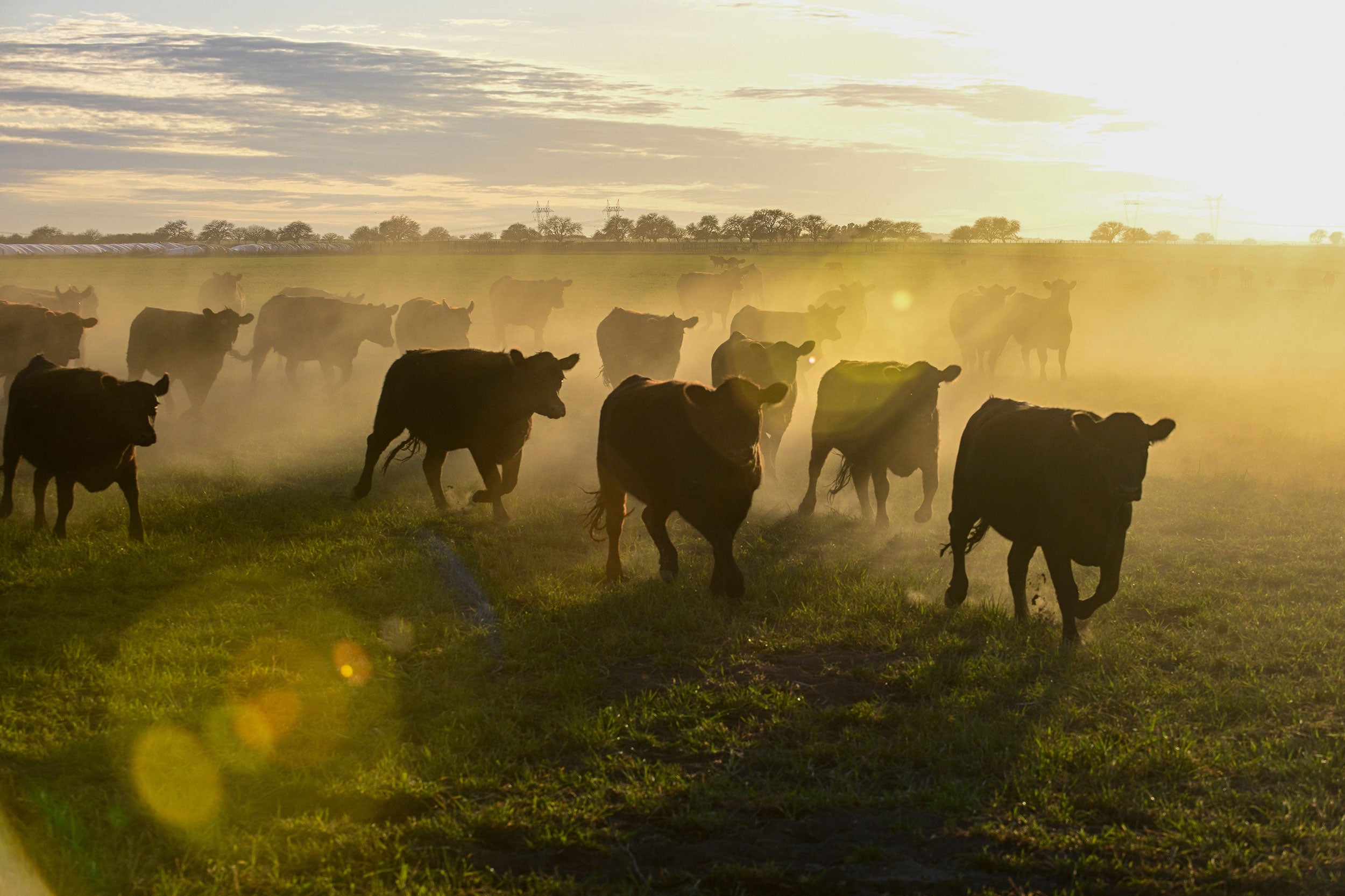
“Ranchers slashed the herd to its lowest level in 75 years as of January 1 following a persistent drought that burned up pastures used for grazing and hiked feeding costs,” according to U.S. government data cited by Reuters.
The administration also pointed to disruptions in live cattle imports from Mexico after the detection of New World screwworm in May 2025, which prompted restrictions on animal imports and further constrained feedlot supplies.
Beef prices have climbed steadily. The proclamation notes that ground beef prices reached an average of $6.69 per pound in December 2025, the highest level since federal tracking began in the 1980s.
The additional imports apply only to lean beef trimmings, which are blended with fattier domestic trimmings to produce ground beef products.
“Among the beef products the United States imports are lean trimmings, which are blended with fattier domestic trimmings to produce ground beef products, such as hamburgers,” the proclamation states.
While the White House argues the measure will help stabilize prices, agricultural economists have expressed skepticism about its impact at the retail level.
“Economists have said increased U.S. imports of Argentine beef will likely be too small to significantly lower costs for grocery store shoppers, but the shipments could help improve margins for food companies,” Reuters reported.
U.S. cattle producers have pushed back against the decision, arguing it undermines domestic ranchers rather than addressing production challenges.
“Instead of imports that sideline American ranchers, we should be focused on solutions that cut red tape, lower production costs, and support growing our cattle herd,” said Senator Deb Fischer, R-Nebraska, in a statement.
The United States imported approximately 33,000 metric tons of Argentine beef in 2024, accounting for about 2 percent of total U.S. beef imports, according to government data. The expanded quota will be allocated entirely to Argentina and coincides with a broader U.S.–Argentina trade and investment agreement granting preferential market access to U.S. goods.
The Secretary of Agriculture will continue monitoring domestic beef supplies and pricing and may recommend further action if market conditions warrant, according to the proclamation.