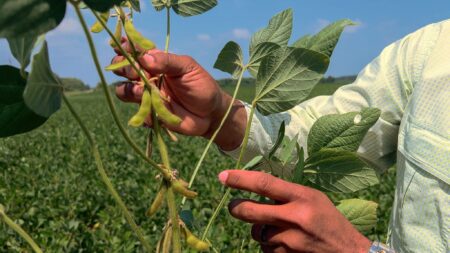






ITHACA, New York — Zora de Rham comes from a nearly 300-year-old, 10th-generation farm in Connecticut. It’s a diversified natural resources and livestock operation that defines agriculture in the Northeast, where farmland is the most expensive in the country and consumers expect local, high-quality, diverse products. She isn’t the primary operator of her family’s enterprise — that role belongs to her father — but she helps with Angus beef production, corn silage, hay, timber, aerobic composting, and solar agrivoltaics.
With so many uses packed into one property, de Rham describes the land she hopes to return to as “land that is land,” worked in multiple ways, far removed from the type of farming usually seen farther west.
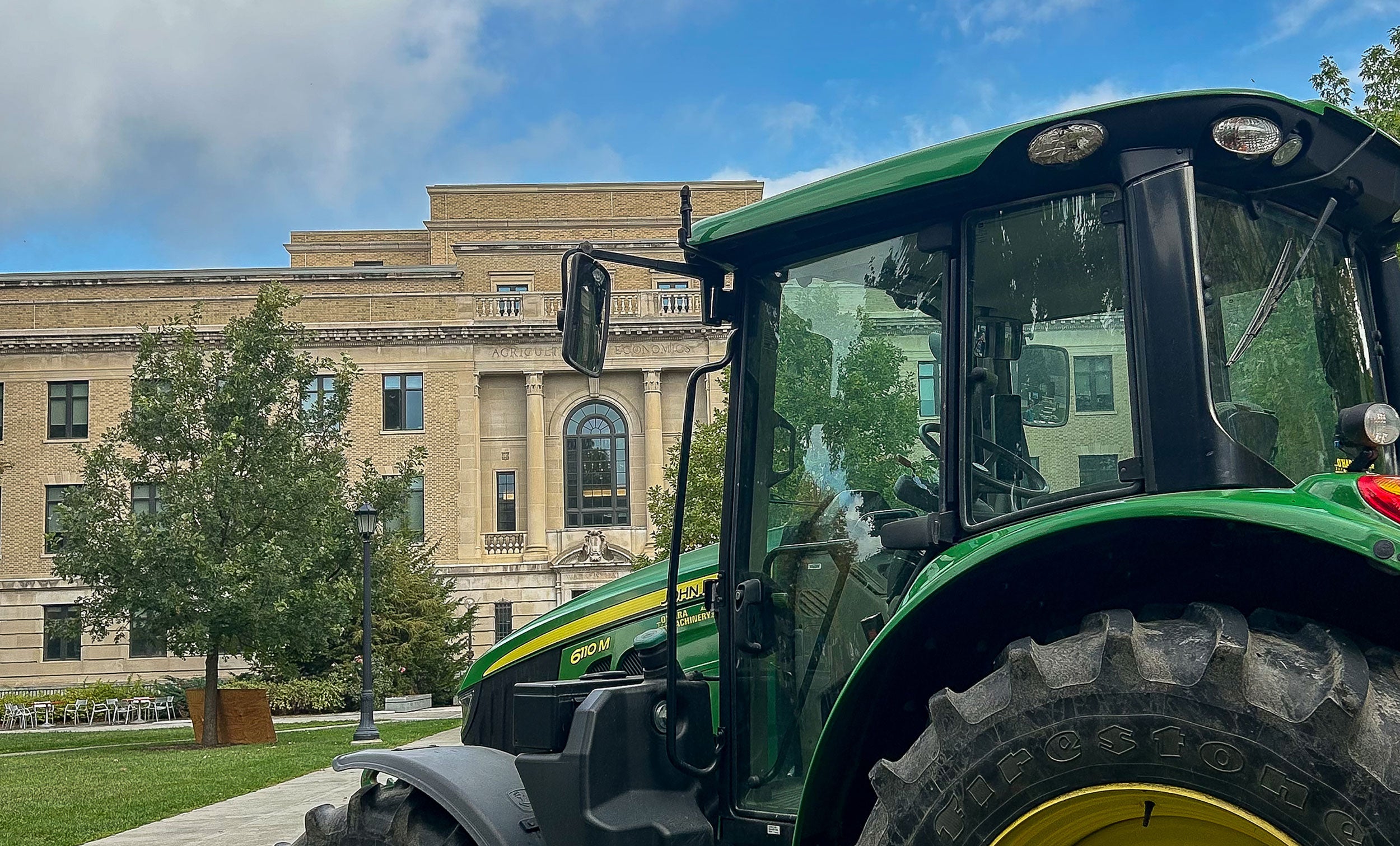
Now a student at Cornell University’s College of Agriculture and Life Sciences — the land-grant college in New York — de Rham is one of 52,000 students who graduate annually with degrees and certifications in agriculture and natural resources.
In the Northeast, that experience is distinct. She makes up an even smaller pool that accounts for just 15 percent of those degrees, according to AGDAILY calculations.

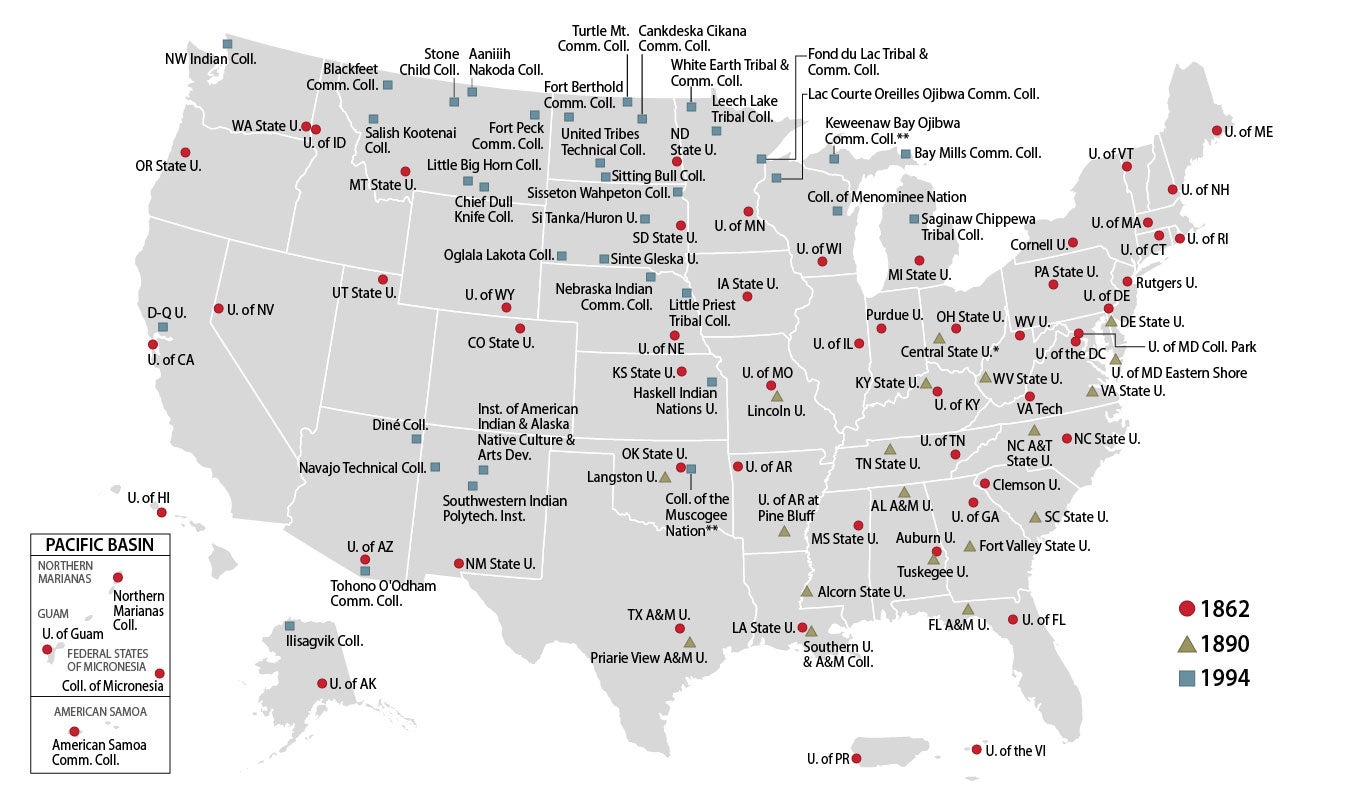
Home to the country’s densest concentration of 1862 land-grant universities — and the densest populations — the Northeast’s agriculture schools are quietly reshaping agricultural research and education for the rest of the nation. They are driving diversification, securing major research funding, and influencing classrooms nationwide.
Geoclimatic realities
Lining up America’s agricultural universities side by side is a bit like comparing apples to oranges — because the crops themselves are different. Apples, dairy products, and forestry dominate as the Northeast’s top commodities.
But certain geoclimatic realities define the region, said Richard Rhodes III, executive director of AgInnovations Northeast. “We’re 5 percent of the land mass, 20 percent of the population, yet generating 25 percent of the GDP.” AgInnovations Northeast represents agricultural experiment stations and research directors across the region.
The average farm size in the Northwest, according to the U.S. Department of Agriculture, is 136 acres, over three times less than the national average in 2024, which was 466 acres.
Farming on just 6 percent of its land, the Northeast’s agricultural portfolio has no option but to diversify. “We cover the entire waterfront, from outdoor recreation to forestry and soil health systems — the list goes on,” Rhodes said.
The federally funded colleges — land grants — exist to provide accessible, practical education that supports agriculture and community wellbeing. Regardless of size, they administer food assistance programs and youth 4-H programs, deliver farmer extension services, and conduct statewide research.

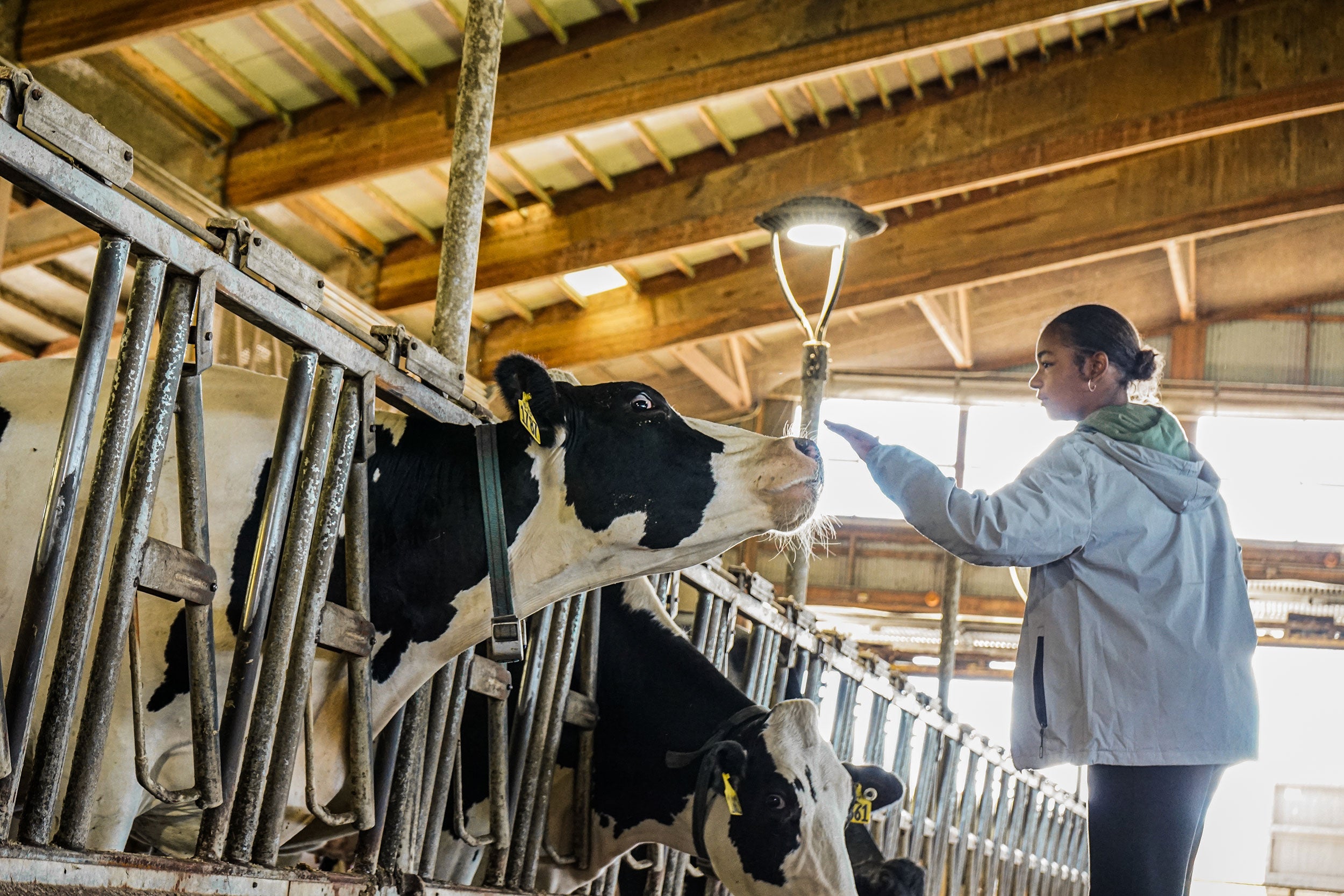
In New York, that footprint includes New York City. In Connecticut, it stretches to coastal communities along Long Island Sound. And in Maine, extension work can reach as far as the French-speaking communities on the northern border.
Turfgrass, nurseries, and ornamental horticulture also drive much of small states’ agricultural GDP. High-value crops help compensate, but crops can hold other value too.
“While green is agriculture, green may not be what you can eat,” he said.
Amy Harder, associate dean and director for extension at the University of Connecticut, said agriculture in the region defies narrow definitions. “We’re not just food. We’re also thinking about fiber and commercial horticulture — really important parts of our system.”
De Rham’s family farm is one of many that falls within the jurisdiction of University of Connecticut Extension, which has partnered with the family in research many times before. Hardin notes that small-scale agribusiness demonstrates remarkable efficiency in her state. Northeast farms generate about 2.5 times more income per acre than the national average, she explained.
But to support that innovation and scientists, their universities need funding.
Research funding
What the Northeast lacks in farm size or student volume, it makes up for in research output. Small states with big budgets regularly outspend much of the country in research expenditures. The “small but mighty” dynamic, Rhodes argues, is evident in the density of scientists tackling local problems.
According to Higher Education Research and Development (HERD) data, California is the nation’s largest research spender, at $12.1 billion in 2024, much of it concentrated in the San Jose-Silicon Valley corridor. Trailing California are New York, Texas, Pennsylvania, and Maryland.

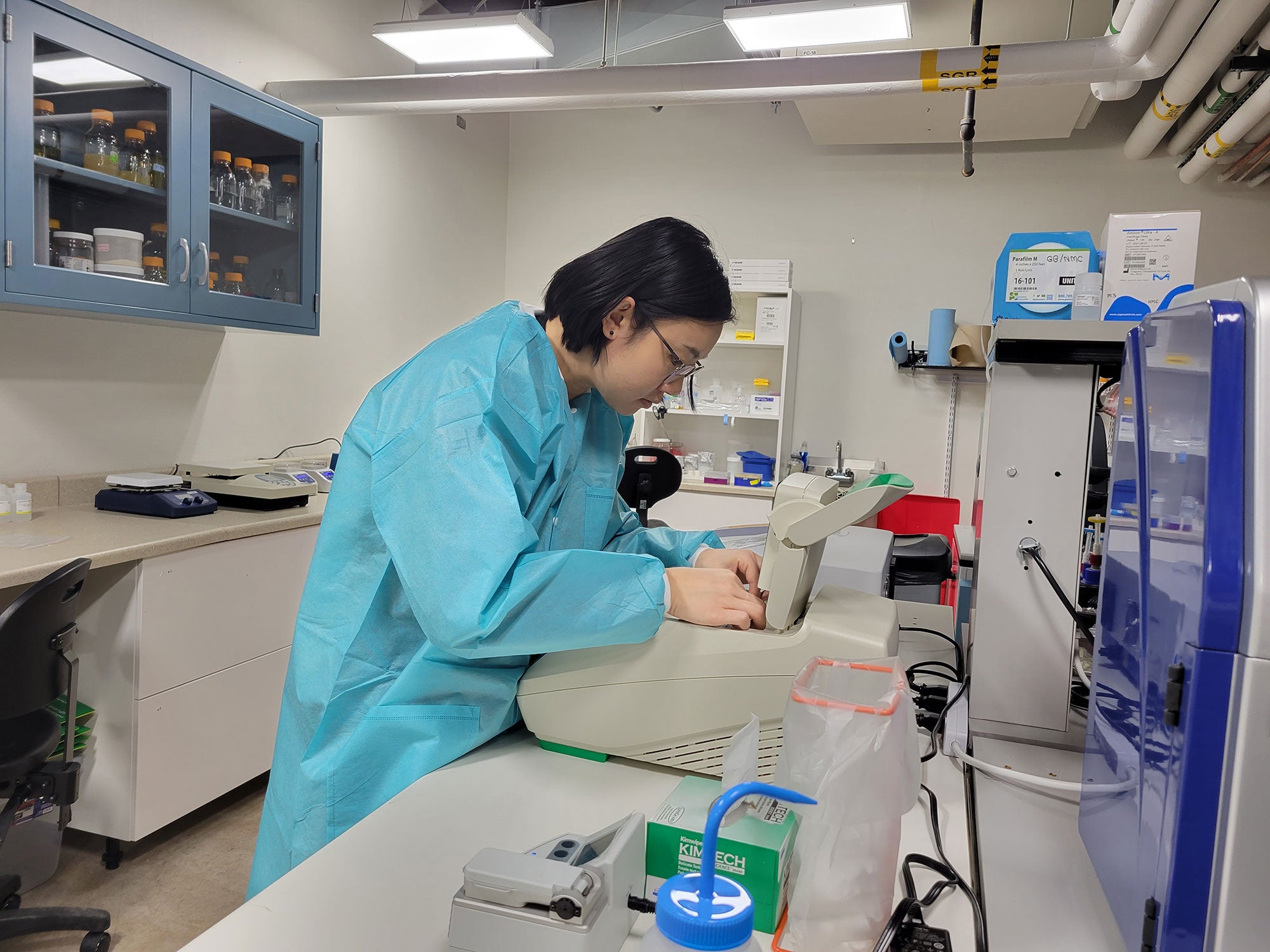
For agricultural colleges, research expenditures at Cornell ($244 million) and Penn State ($116 million) rank just behind the University of California, Davis ($252 million), the University of Florida ($261 million), and Texas A&M University ($319 million) — based on self reported combined federal and private funding.
Rhodes attributes this research strength to a longstanding culture of independence, self-reliance, and innovation.
Funding for the research-extension-academic mission comes from multiple sources: federal funding, tuition, which helps incentivize agricultural studies, and private funding. The federal government funds land-grant agriculture programs through capacity grants, which are formula-based, state-matched funds for research and extension; then through competitive grants awarded by the National Institute of Food and Agriculture via peer review. Beyond federal support, land-grant universities rely on state appropriations, tuition, and industry funding to fuel competitiveness, according to a Congressional Research Service report.
Ivy ag, farm futures
De Rham studies agricultural sciences at Cornell — the only Ivy League institution with an agricultural college and one of two private universities designated as land-grants under the 1862 Morrill Act (the other being MIT).
What drew her to the school was its blend of natural science and access to private colleges, allowing her to take courses across campus. She also considers the school as “the only child.”
The school boasts research and education in dairy science, plant breeding, and technology, ranking at the top among other degrees too. It does that however, without the traditional slate of degree offerings, lacking undergraduate experiences in agricultural economics, agronomy, agriscience education, agribusiness, or agricultural communications. Instead, the college emphasizes global development, plant sciences, and environment and sustainability — leaving behind the agricultural curricula of the Midwest.
Julie Suarez, associate dean for Land-Grant Affairs at Cornell CALS, said student demand primarily drives the menu of majors.
“Some students react better to broader categories of study, and that’s been the trend for the past decade and a half,” she said.
Students navigate agricultural interests through these broader majors, a model replicated across the Northeast.

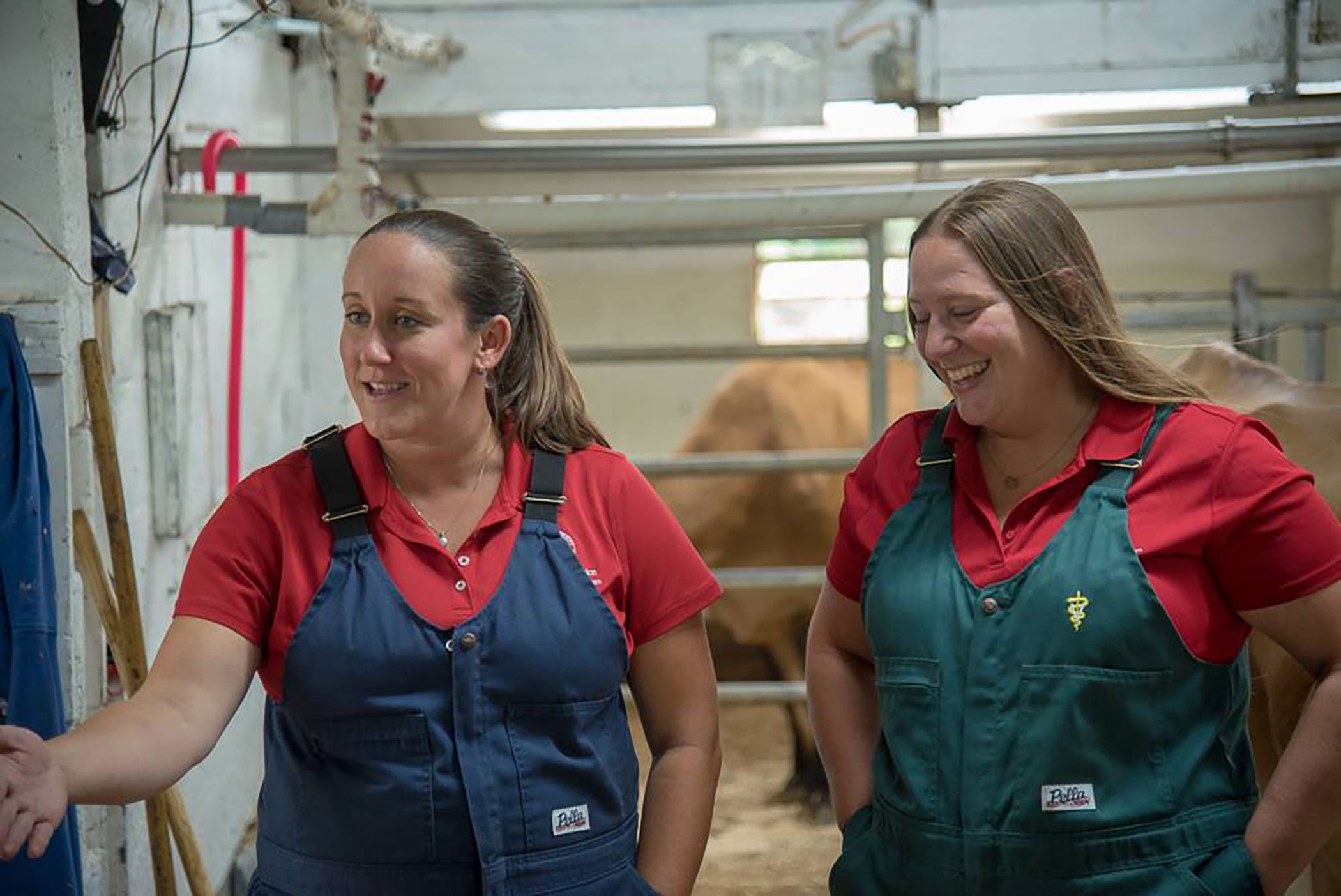
De Rham is one of the voices leading problem-solving as the university’s Student Assembly president. She explains that sometimes the college’s isolation is because of its perception to other schools. “We’re [Cornell] not public enough for New York state schools, we aren’t private or exclusive enough for the Ivy League, and we have too much that isn’t agriculture going on to be considered an ag school.”
It’s a divergence from the rest of the country, but not one that de Rham said is bad. “It’s to our advantage that there’s so much going on. There is room for collaboration and student learning from so many disciplines.”
Suarez agrees that the school relies on collaboration to stay connected to its land grant mission.
“Northeastern schools can complement each other’s skill sets,” she said, “because we can’t have every single field covered in every single state.”
Cornell’s public-private “contract college” model also creates a hybrid identity: lower tuition than its private peers and a mandate to enroll students with agricultural backgrounds. Their admissions works to support farm and rural applicants, often FFA and 4-H alumni, but who must still navigate the 8 percent acceptance rate in the university.
Bringing big to small
Regardless of region, research priorities are set by industry. Grower groups establish their own guidelines about which issues faculty should address with federal funding.
Lynn Sosnoskie, assistant professor of weed ecology and management in specialty crops at Cornell AgriTech, says her research program is attracting business and technology to a region often perceived as too small for major investment.
She has worked at land-grants in Georgia, California, and now the Northeast, and said farm size differs for sure — but so do rainfall and “a regulatory environment that’s extremely strict as well.”

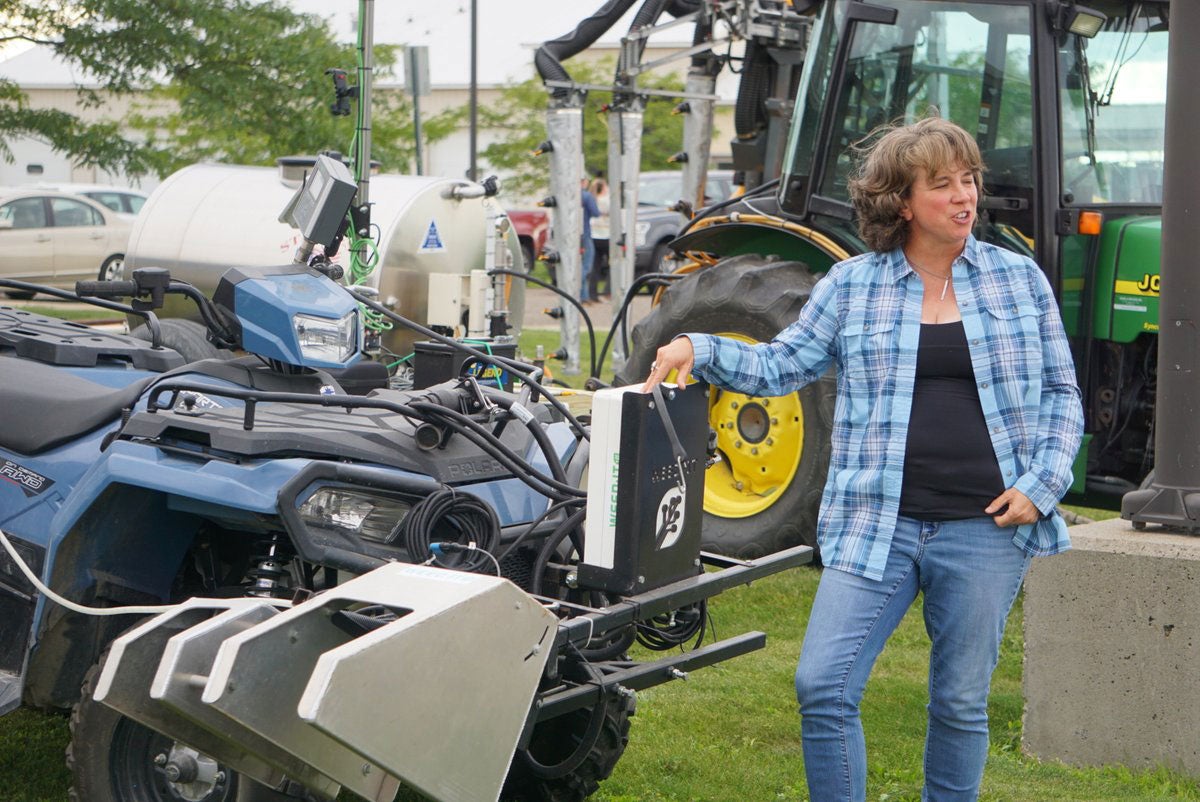
Seeing hundreds of thousand dollar tractors in the Northeast, she said, can be quite rare. Smaller acreage and a horticulture focus do not support the economies of scale needed for capital investments of that size.
With pricing power in hand, the technology industry often follows the status quo. “A lot of ag-tech companies are focused on western U.S. production environments, and I understand why — that’s where the biggest growers are who can afford the most expensive equipment.”
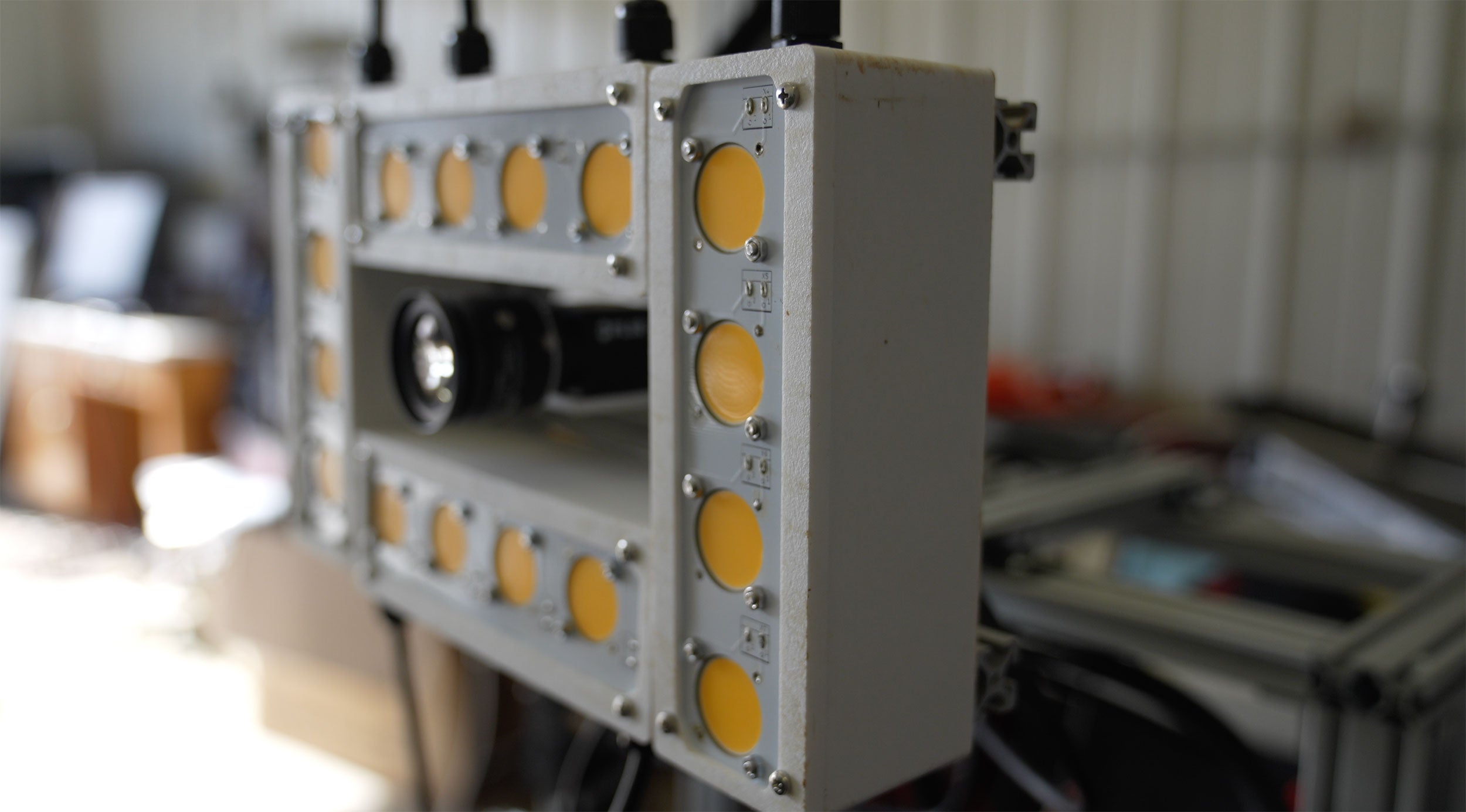
Sosnoskie is trying to change that by bringing tech solutions to the fruit and vegetable acres of New York. Access, she said, came more easily in the West for novel weed-control technologies.
When she looks at the price tags of new technology, she wonders: Is there a mid-level version? In her lab, she works with roboticists to test in-row equipment for weed-detection and control in wine grape production.
Rather than just showing pictures or videos of technology at meetings, she works to bring demos to the East Coast, inviting growers to ask questions directly to the companies building them.
“We do have growers who can afford it,” she said, but tech companies need to see the region’s weed and pest pressures firsthand. “We understand there are weeds out here, but our algorithms don’t,” Sosnoskie explained.
She hopes to push forward new technology like electrical weeding and precision spraying, putting the Northeast on the map.

A shared mission
The Northeast’s quiet ascent building small into big doesn’t exempt its institutions from a core challenge facing all public agricultural research: federal funding. After decades of growth, U.S. agricultural R&D has stagnated or declined, raising concerns about food security, which many policymakers now frame as national security.
USDA data from 2019 shows U.S. agricultural R&D spending at $5.16 billion, about one-third lower than its peak in 2002. The U.S. ranks third globally, behind China and the EU but ahead of India and Brazil.
As agricultural productivity slows, universities fear that insufficient investment today means fewer solutions tomorrow. The most powerful institutions are those that can weather funding declines and continue leading.
“The system looks like it’s working great now because of the investments we made 20 years ago,” said Rhodes at AgInnovations Northeast.
As research funding accelerates and demands on agriculture evolve, the Northeast enters this moment uniquely prepared. Its farms and universities in the Northeast operate in a business ecosystem of diversification, a dynamic de Rham describes as one that “feeds itself.”
And perhaps the future outlook of land-grant universities is something the Northeast has long championed.
Jake Zajkowski is a freelance agriculture journalist covering farm policy, global food systems and the rural Midwest. Raised on vegetable farms in northern Ohio, he now studies at Cornell University.