





A peer-reviewed study, recently published in the Journal of Environmental Quality, found Bayer’s Preceon Smart Corn System features several significant benefits — including a lower carbon intensity score and significantly more robust root masses — that can lead to more sustainable corn production and help growers deliver on climate goals.
Analyzing several years of data, Bayer and university researchers demonstrated that short-stature corn systems (SSC) reduced the carbon intensity of growing corn by an average of 13 percent, thanks to higher yield potential, better root systems, and more effective management of inputs.
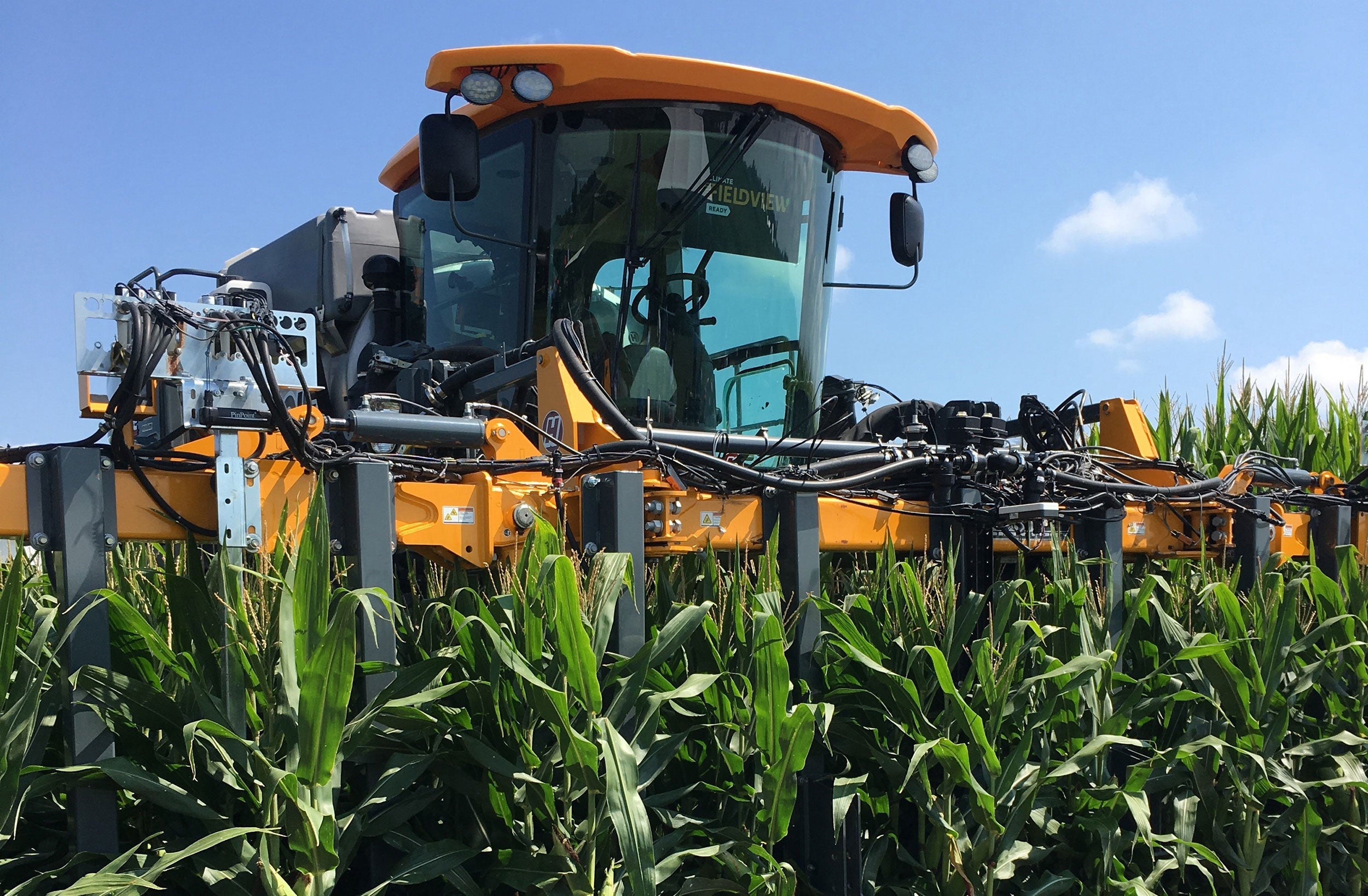
The Preceon Smart Corn System is a short-stature hybrid that was designed to withstand extreme weather events. By growing to less than 7 feet in height (vs. 9 to 12 feet for a typical corn hybrid), Preceon corn has a decreased risk of lodging and is developed to produce a deeper root system, providing more efficient access to water resources and better absorption of nutrients, according to studies.
Bayer says that the system’s advancements “represent a critical step in addressing increasing unpredictable weather conditions and underscoring Bayer’s commitment to sustainability while positioning growers to benefit from the potential financial upside of the sustainably produced product market.”
The study published in December quantifies some of the environmental advantages of Preceon over other corn hybrids. Some of the key findings of the study include:
- Lower Carbon Intensity: Preceon provides a more sustainable method of producing corn. It reduces the carbon footprint of growing corn by an average of 13 percent, with reductions ranging from 3 percent to as high as 28 percent, compared to taller, traditional hybrids.
- Greenhouse Gas (GHG) Savings: The system reduces greenhouse gas emissions by 0.09 to 0.78 tons of CO2 equivalent per hectare annually through: higher yield efficiency, producing more grain per input; lower nitrogen in plant residue, leading to decreased nitrous oxide emissions; and larger root systems that sequester more carbon in the soil.
- Better Input Optimization: The short stature of Preceon allows growers greater access to fields [during a wider window of the growing season], enabling more active management of inputs such as crop protection and nitrogen applications, thus improving yield potential and production efficiency.
- More Robust Roots: Short Stature Corn hybrids feature roots that are 39 percent larger than those of traditional hybrids, potentially storing an additional 0.46 tons of CO2 equivalent per hectare per year in the soil.
- Optimized Nitrogen Management: The short stature and better access of Preceon allow growers to apply nitrogen fertilizer applications during a wider window of the growing season with standard equipment, leading to better yields and reduced nitrous oxide emissions. This results in savings of 0.16 tons of CO2 equivalent per hectare annually due to the split application, along with an additional savings of 2.77 percent from reduced nitrogen content in plant residue.
- Fewer Crop Losses: Preceon provides farmers increased protection from lodging (corn being pushed over near the root) and greensnap (corn stalks being broken by wind), during severe weather events.

With corn being a global staple crop — particularly in the U.S. — Bayer believes the industry could see average greenhouse gas savings of 0.35 tons of CO2 equivalent per hectare per year. If adopted on half of U.S. corn acres, this translates to a reduction of 12.6 million tons of CO2 emissions annually, equivalent to reducing 16.1 billion car miles driven.