




DAILY Bites
-
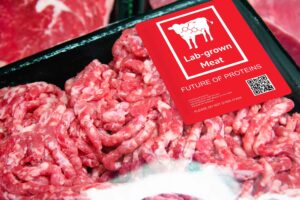
Gov. Larry Rhoden vetoed South Dakota’s House Bill 1077, rejecting a permanent ban on lab-grown (cell-cultured) meat despite his ranching background.
-
He argued the bill could trigger constitutional and interstate commerce challenges because cell-cultured products are federally regulated by the FDA and USDA.
-
Rhoden urged lawmakers to pursue a compromise: amend Senate Bill 124 into a five-year moratorium to allow further study and let litigation in other states play out.
DAILY Discussion
South Dakota Gov. Larry Rhoden has vetoed legislation that would have effectively banned the sale of lab-grown, or cell-cultured, meat in the state — a move that surprised some in cattle country, given the governor’s lifelong background as a Meade County rancher.
Instead of an outright ban, Rhoden is calling for a five-year moratorium to allow more study of the products within the existing federal regulatory framework.
In a letter to lawmakers, Rhoden explained that while he personally has no interest in consuming cell-cultured products, he believes a permanent prohibition goes too far.
“While you won’t catch me eating these products, it is against our values to ban products just because we don’t like them,” Rhoden wrote. “Government is best when it is limited. We should respect the freedoms of our people, and we should not set precedent that violates our own values.”

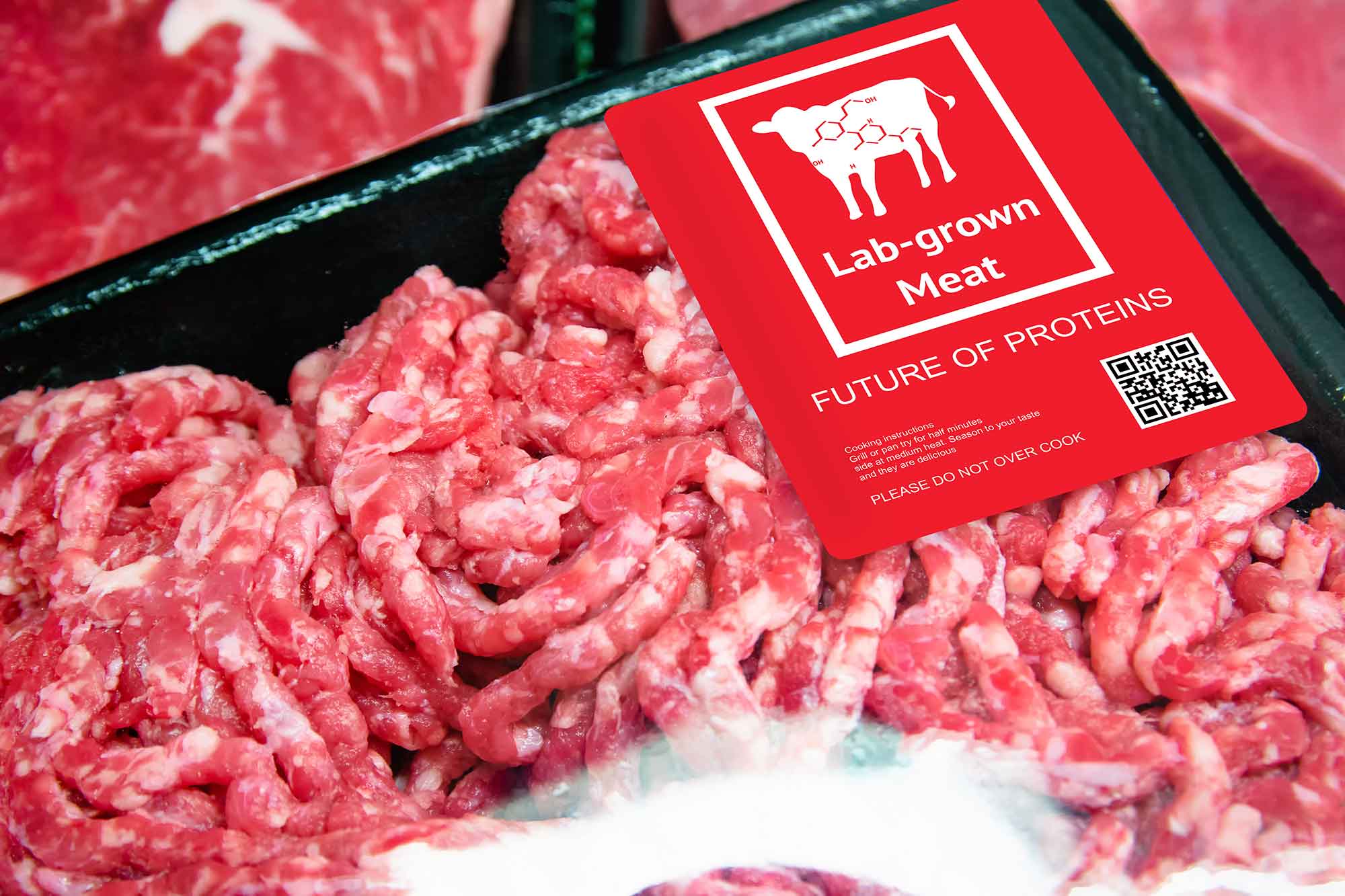
House Bill 1077 would have added lab-grown meat to the state’s list of adulterated foods, effectively banning its manufacture, sale, and distribution in South Dakota. The measure passed the House 45-22 and the Senate 18-16. Overriding the governor’s veto would require a two-thirds majority in both chambers.
Supporters of the bill, including sponsor Rep. Julie Auch, voiced concerns about what she called “the takeover of the livestock industry here in South Dakota.” But opponents warned the legislation could open the state to costly legal challenges, similar to those already playing out in Florida and Texas.
In his veto message, Rhoden raised constitutional and interstate commerce concerns. He emphasized that cell-cultured meat products fall under federal oversight.
“These food products are subject to federal review and approval and are regulated by the Food and Drug Administration and the United States Department of Agriculture,” Rhoden wrote. “States retain authority to protect public health and safety, but that authority must be exercised consistently with the federal framework governing food production and inspection.”
Rhoden cautioned that banning federally approved products based on production methods rather than safety could create unintended consequences for South Dakota agriculture.
“By categorically and permanently prohibiting the sale and transportation of these products within South Dakota, the bill risks placing an undue burden on interstate commerce, proposes a protectionist economic benefit to in-state industries, and invites expensive constitutional challenges,” he wrote.
He also warned that other states could retaliate by restricting South Dakota livestock or crops over policy disagreements.

A proposed compromise
Rather than a permanent ban, Rhoden is urging lawmakers to amend Senate Bill 124 to impose a five-year moratorium.
“I have spoken with some of the leaders on this issue and conveyed my support for legislation that:
1. Imposes a five-year temporary moratorium to permit further study within the existing regulatory framework and allows the pending litigation in other states to further unfold;
2. Respects constitutional limits and reduces the risk of unnecessary litigation; and
3. Preserves South Dakota’s long-standing commitment to our values,” Rhoden wrote.
He added, “A temporary moratorium to allow for further study, data collection, and coordination with federal regulators is a more appropriate course of action.”
The South Dakota Cattlemen’s Association supported the veto. Past president Eric Jennings told KOTA Territory News that he objected to labeling cell-cultured meat as adulterated.
“The cell cultured product is not a dangerous product,” Jennings said. “It’s inspected by the same process that our traditionally raised meat is, and so it’s not unsafe.”
Jennings also expressed confidence in the competitiveness of traditional beef, suggesting South Dakota producers can hold their own in the marketplace without a statutory ban.
Other agricultural groups, including the South Dakota Retailers Association and the South Dakota Farm Bureau, also backed the governor’s decision.
“As Governor, I believe government is best when it is limited. We should respect the freedoms of our people, and we should not set precedent that violates our own values. For these reasons I object to House Bill 1077, and I ask that you sustain my VETO,” continued Rhoden in his letter.
South Dakota is not alone in grappling with how to regulate cultivated meat. As of late 2025, seven states — Alabama, Florida, Indiana, Mississippi, Montana, Nebraska, and Texas — have enacted laws banning the sale, production, or distribution of cultivated meat. Several of those laws are facing legal challenges.
At the federal level, cell-cultured meat is regulated jointly by the FDA and USDA. Companies must undergo pre-market consultation and inspection processes before products can enter commerce.
Meanwhile, consumer acceptance remains mixed. Research indicates that concerns about “naturalness,” processing, taste, and health continue to shape public opinion. Investment in the sector has also slowed after peaking in 2021, with some high-profile companies scaling back expansion plans.