





With Ag Secretary Brooke Rollins wrapping up her first calendar year as head of the U.S. Department of Agriculture, she released a statement highlighting the research priorities and development activities that agency is going to pursue for 2026.
She emphasized that her approach (a Secretary’s Memorandum) will intentionally distance the USDA from the initiatives of the Biden Administration, which she argues were built on “misguided policies focused on DEI and environmental justice in agricultural research, extension, and education programs.” She said these things “diverted resources away from solving actual challenges that American farmers and ranchers are facing.”

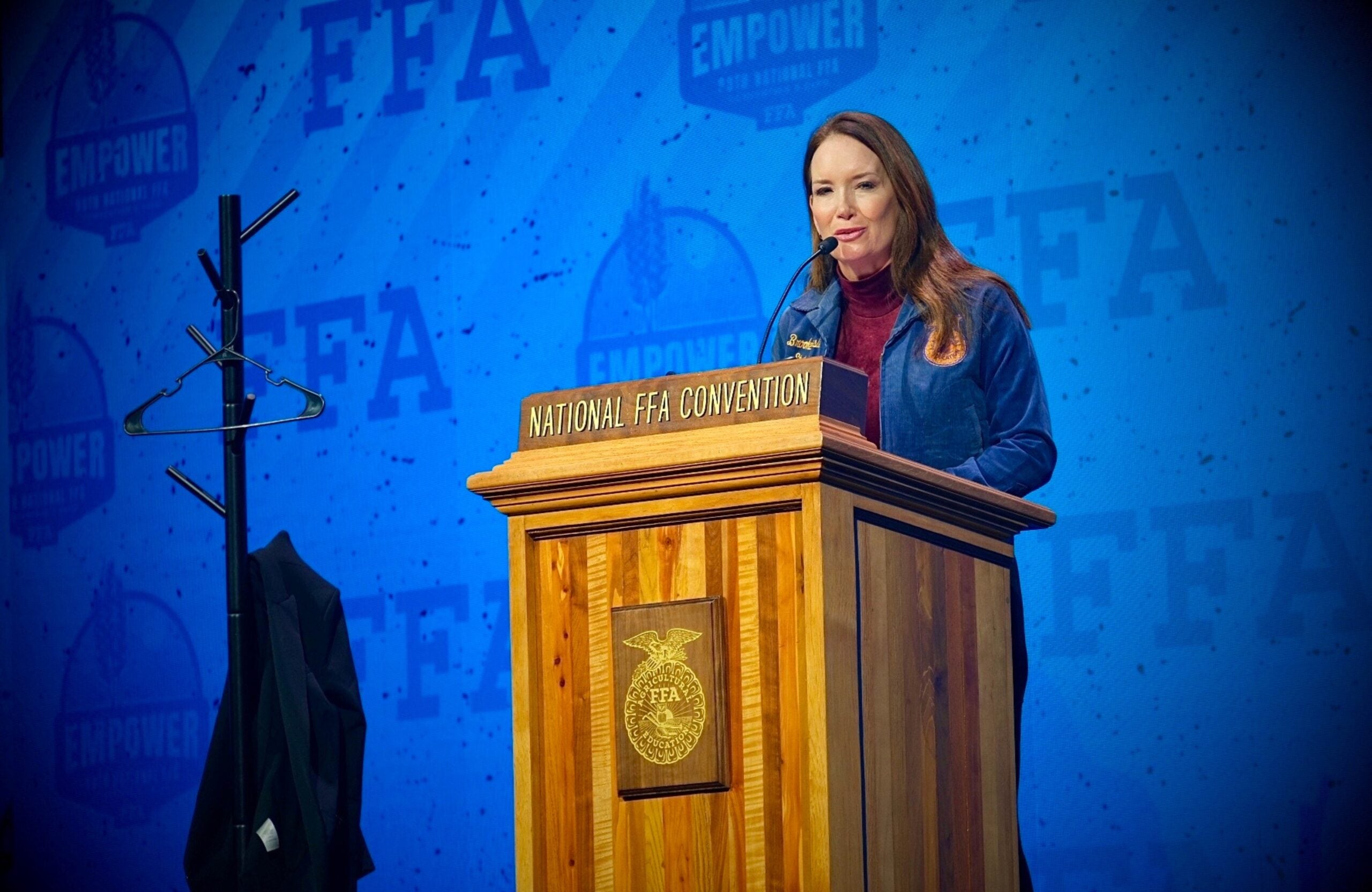
According to the memorandum, the five policy pillars for 2026 are:
- Increasing Profitability of Farmers and Ranchers: “While research to increase productivity has allowed American farmers and ranchers to provide the safest, most abundant, and most affordable food and fiber supply, the volatility in profitability of American agriculture leads to significant uncertainty for producers. Research and development that results in increased profitability — such as reducing inputs or increasing mechanization and automation — will benefit American farmers and ranchers.”
- Expanding Markets and Creating New Uses of U.S. Agricultural Products: “With many producers experiencing record yields this growing season, it is more important than ever to ensure USDA is expanding markets and creating new uses for these American-grown commodities. Research and development that seeks to open new markets — such as generating science and data to resolve longstanding sanitary and phytosanitary trade barriers — or expand the utilization of these commodities in novel biobased products and bioenergy (including biofuels) will result in increased demand.”
- Protecting the Integrity of American Agriculture from Invasive Species: “The resurgence of New World Screwworm in Mexico, continued westward expansion of the Spotted Lanternfly, persistence of Highly Pathogenic Avian Influenza in poultry flocks, and decimation of our domestic citrus industry due to citrus greening are just a few examples of how invasive pests and diseases threaten American agriculture and natural resources. Research and development focused on new and effective methods for preventing, detecting, controlling, and eradicating these threats is a top priority for USDA and the security of U.S. agriculture.”
- Promoting Soil Health to Regenerate Long-Term Productivity of Land: “American farmers and ranchers are the original conservationists as no one stewards their land more than those whose entire livelihood, and that of their successive generations, depend on it. Research and development that promotes soil health practices, increases water-use efficiency, and reduces inputs will ensure farms and ranches remain productive for generations to come.”
- Improving Human Health through Precision Nutrition and Food Quality: “Substantial and increasingly robust evidence shows that a healthy diet can help people achieve and maintain good health and reduce the risk of chronic diseases throughout all stages of life. Rigorous research on precision nutrition is needed to better understand how healthy dietary patterns impact people at the individual level with the goal of more targeted nutritional recommendations to encourage healthy choices, healthy outcomes, and healthy families. Additionally, research and development on increasing the nutritional content and quality of foods will lead to increased demand for American agricultural products.”
These points, however, sparked some questions right out of the gate. For example, when talking about the “volatility in profitability” among American producers, much of that was exacerbated during Rollins’ tenure by trade disruptions with China as well as Trump Administration considerations of sourcing more beef from Argentina. Of course, the hope is that stability and profitability issues will improve for U.S. agriculture moving forward into the new year.
Elsewhere, the “soil health” topic raised some eyebrows, as USDA agencies such as the Natural Resources Conservation Service are believed have relatively few employees that possess the kind of understanding of soil health so as to directly interact with producers to help them restore soil health on their land. Not to mention, the reduced workforce because of 2025 cuts makes it likely that there will more efforts toward “conservation” of land and far less dedication to actual “regeneration” of the worked earth.
Certainly, other aspects of Rollins’ statement were more well-received. It’s vital to help guard American farmers and ranchers from the New World screwworm and invasive species such as the Spotted Lanternfly and the many pests stopped by Customs and Border Patrol. And food health and safety should be prioritized at every stage of production and distribution.
These kinds of efforts in the priority are more broadly celebrated and actionable.