






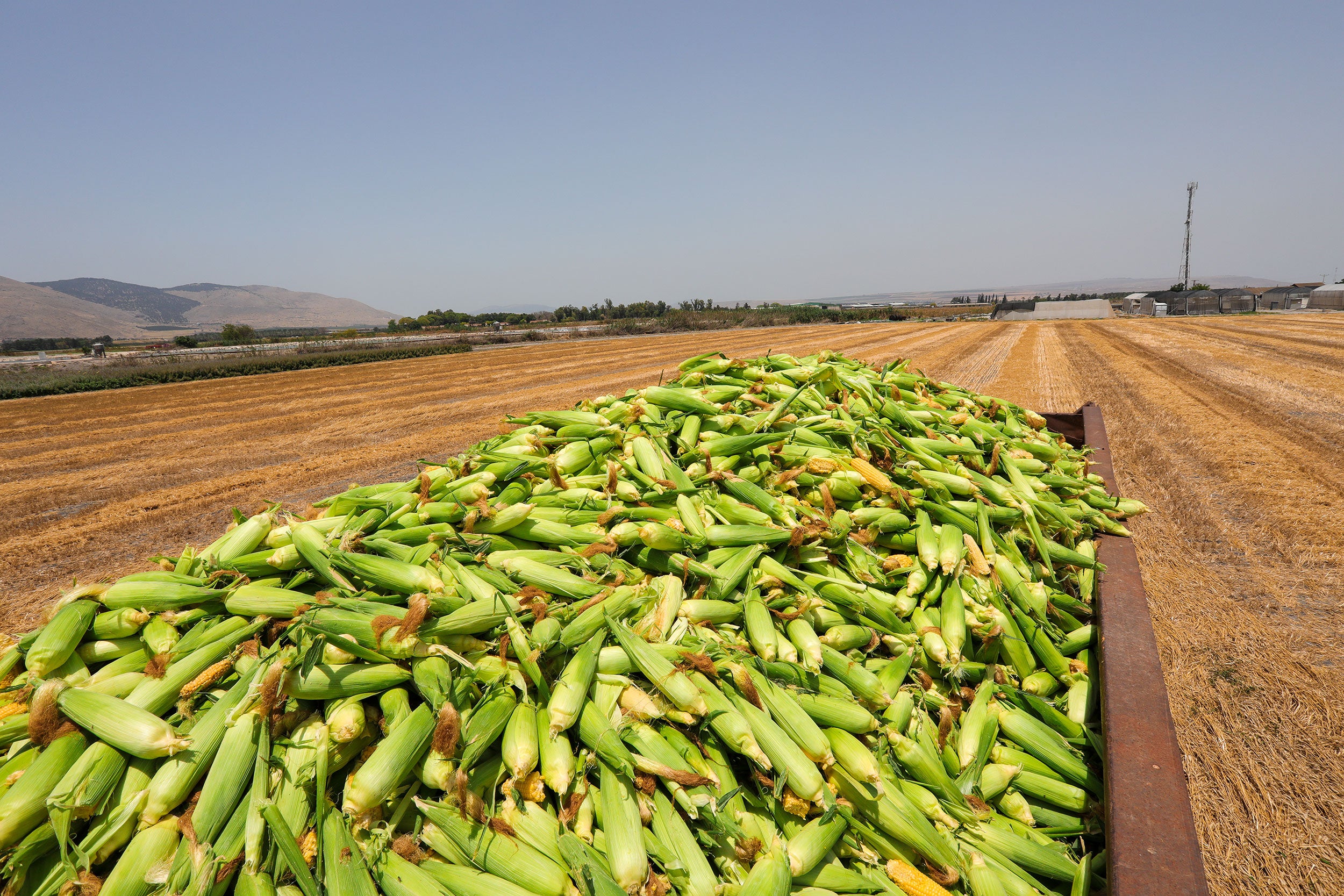
Last week, the U.S. Department of Agriculture released the latest World Agricultural Supply and Demand Estimates, estimating that the United States will see an enormous 17-billion-bushel corn crop during the 2025-26 marketing year, raising alarms among the nation’s corn growers and triggering an immediate market reaction.
If the projections prove accurate, this year’s crop will be the largest on record by far, beating the previous record achieved just two years ago. The surplus supply promises to keep corn prices low as farmers struggle to pay high input costs.
“We need long-term market solutions, and we need them quickly, or this is going to deepen the economic crisis in the countryside,” said Ohio farmer and National Corn Growers Association President Jed Bower. “The urgency for Congress and the president to open new markets abroad and expand consumer access to ethanol just increased exponentially.”
Bower pointed to year-round access to fuels blended with 15 percent ethanol as an immediate demand-side solution, noting that it would not require new infrastructure or additional costs for consumers. At full implementation, E15 access could use an additional 2.4 billion bushels of corn annually, according to NCGA estimates.

The organization is also urging the administration to accelerate trade negotiations and finalize export agreements already announced, Bower said, identifying India, Vietnam, and Kenya as strategically important growth markets for U.S. corn.
As growers digested the latest WASDE numbers, Bower said the outlook adds to an already challenging economic environment.
“We expect the economic and financial challenges growers are already facing will only worsen with excess supply.”
The USDA pegs 2025-26 corn production in the United States at 17.021 billion bushels based on a record-high yield of 186.5 bushels per acre from 91.3 million acres harvested. Estimated corn supplies and usages stand at 18.6 billion bushels and 16.37 billion bushels, respectively, increasing ending stocks to 2.23 billion bushels. On the other hand, the season-average farm price was lowered to $4.10 per bushel, thus revealing pressure on the price if the output is realized as estimated.