





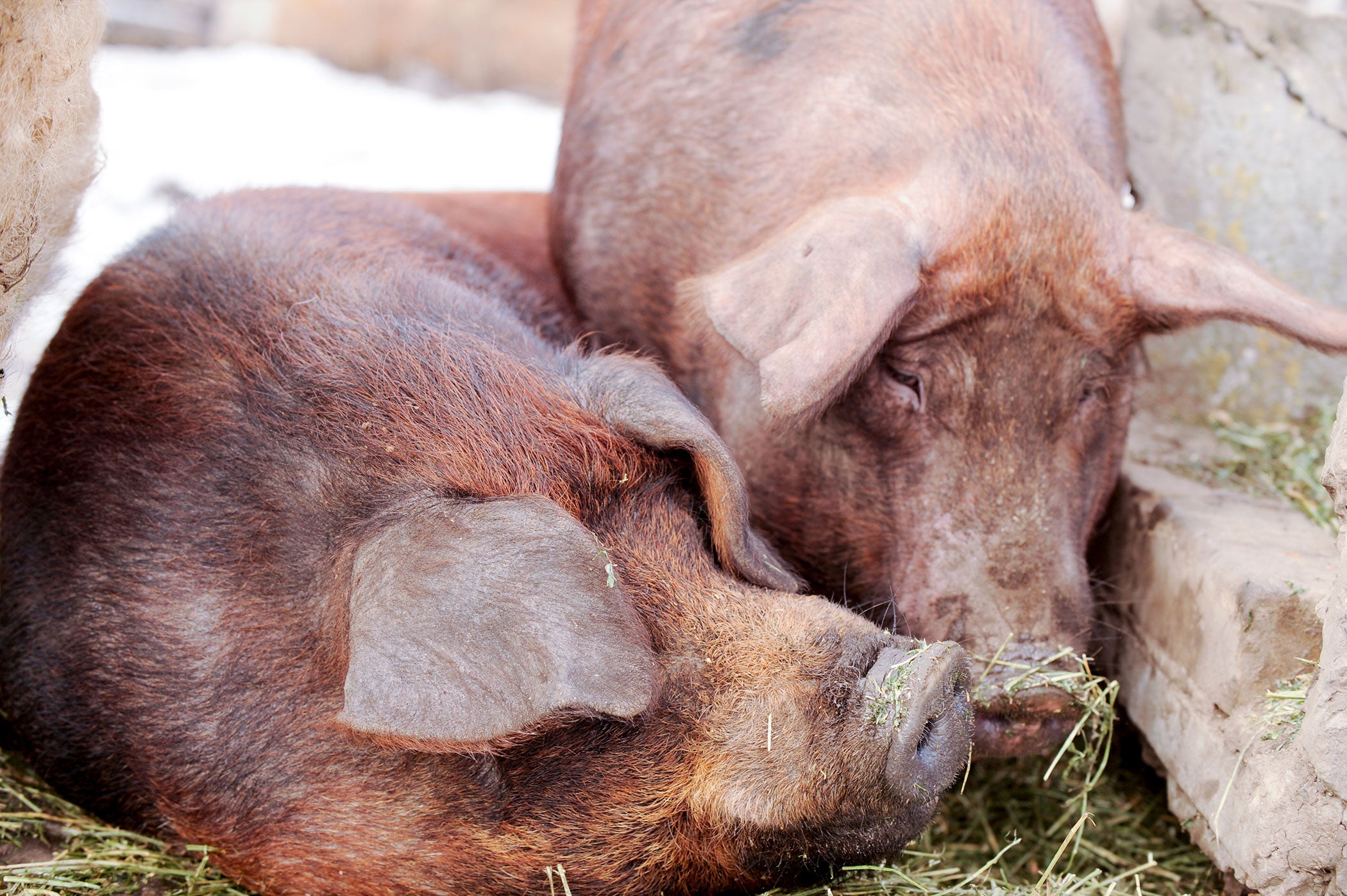
Mexico has confirmed a case of New World screwworm in a 30-month-old pig in Veracruz, adding to the discussion about species that threaten the spread of the insect as cases push farther north.
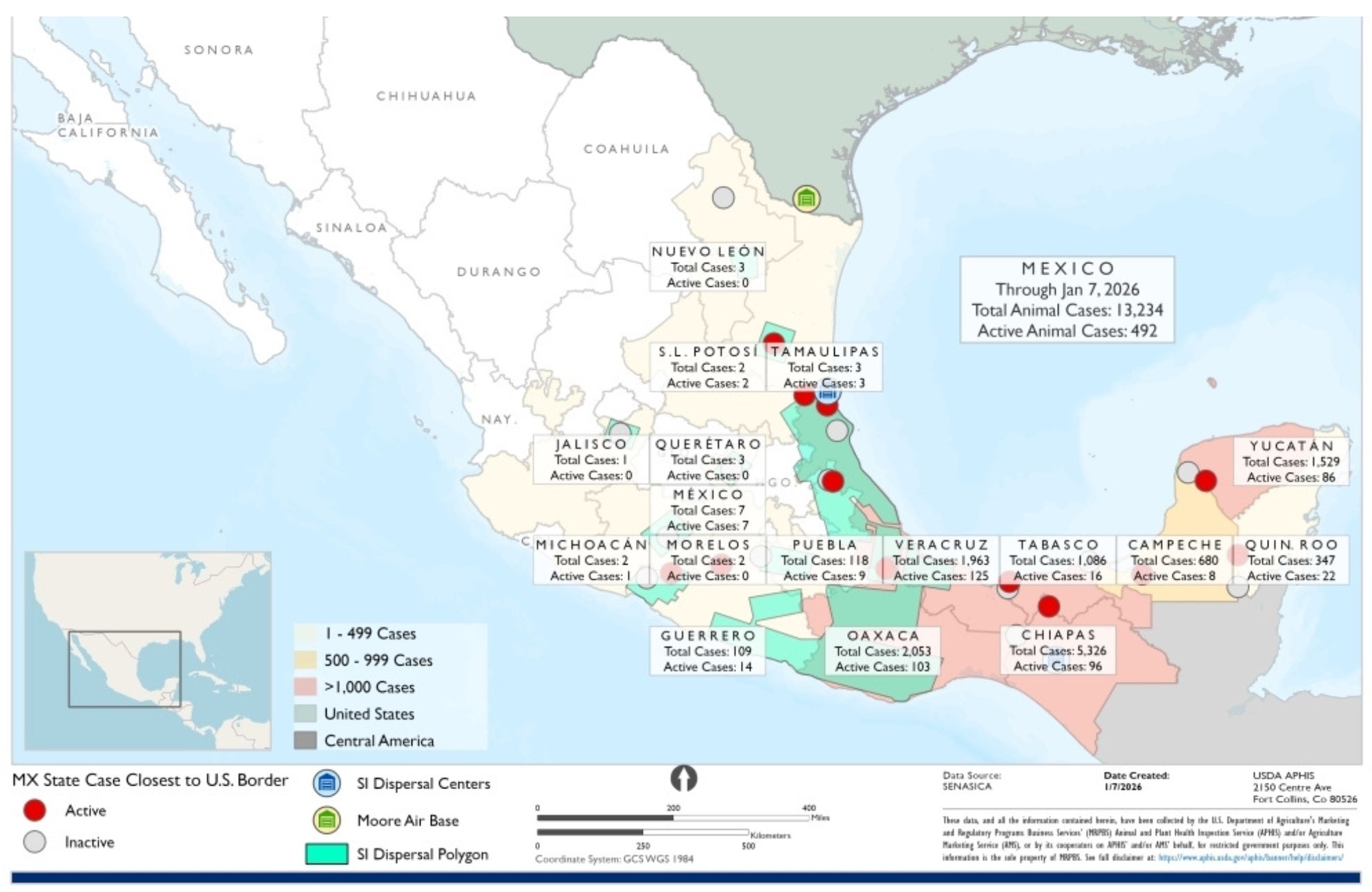
According to the U.S. Department of Agriculture, the Veracruz region has recorded 1,963 cases so far during this outbreak, with 125 cases listed as active, mostly in cattle but also in other species. Mexico has logged 13,106 cases since November 2024, with 671 active cases as of late December 2025.

Animal health experts and producer groups say wildlife could become a major wildcard if NWS moves closer to the border. “If screwworm were to gain a foothold in wildlife, including feral hogs, eradication would become exponentially harder,” said Tracy Tomascik, Texas Farm Bureau associate director of Commodity and Regulatory Activities.
Texas Agriculture Daily notes feral hogs “destroy crops and pastureland,” and Tomascik warned they also “spread diseases and pests like African swine fever and eventually New World screwworm.”
Former Arizona State Veterinarian Dr. Gary Thrasher, who helped in past U.S. eradication efforts, has also warned that today’s human travel and pet movement add new pathways for New World screwworm spread. Thrasher pointed to a cross-border pet case as a real-world example: “The dog had screwworms between its toes,” he said. “It’s a clear example of how easily they can spread.”
Thrasher also flagged growing concerns about increased foot traffic through the Darién Gap, which he said “is now a super highway for migrants,” adding that “there are thousands of people tromping through that jungle every day now, and people can bring it too.”
For the pork industry specifically, the concern extends beyond commercial barns to animals with outdoor exposure. Lisa Becton, associate director at the Swine Health Information Center, told National Hog Farmer, “It can cause significant health challenges for any warm-blooded animal. We know we’ve got outdoor raised pigs or transitionally raised pigs. We have feral swine that could pose a risk to our commercial swine.”
Cases are being addressed through USDA sterile insect technique aerial dispersal, a cornerstone of screwworm eradication efforts designed to suppress fly populations and prevent further spread.
The USDA’s Screwworm.gov “Current Status” page emphasizes that NWS is not currently present in the United States, but also notes that southern ports of entry are closed to livestock trade as officials work to keep the pest out.
Producers should monitor animals closely for warning signs. USDA advises watching for maggots in wounds or body openings, wounds with bloody discharge and foul odor, and wounds that worsen as larvae feed.
Because response time matters, producers are urged to contact their veterinarian and state animal health officials immediately if they see suspect wounds consistent with NWS. USDA’s Screwworm.gov site maintains ongoing status updates and reporting resources.