




An opinion piece published in January on AGDAILY discussed the danger of out-of-basin water transfers across continental divides — arguing that such transfers harm the ability of water users in other Missouri River Basin states to access and use such water.
The article was structured as a conflict between the Upper Basin States and the Lower Basin States. But it was clearly aimed at North Dakota, and it was meant to present a position for limiting Missouri River water use in North Dakota.
As often said, everyone can have their own opinion, but we all need to have the same facts. The facts are as follows:
- All the states of the Basin contribute water into the system. The Upper Basin states of Wyoming, Montana, North Dakota, and South Dakota consistently contribute at least half of the total flow. No Upper Basin state, either individually or collectively, is taking any amount of water that does any harm to the other states’ ability to also use such water. North Dakota uses less than half of 1 percent of the flow of the river and currently has plans, through the Red River Valley Water Supply project, for only another half of 1 percent. This is an amount so minimal that it would be hard to distinguish its absence by the time the river reaches St. Louis.
- All the states in the Missouri River Basin benefit from the federal government’s construction of the six dams to control flows on the river authorized through the 1944 Flood Control Act. However, the construction of those dams came at a cost — a cost borne solely by states in the Upper Basin. Construction of the dams resulted in a loss of 1.7 million acres of land in Montana, North Dakota, and South Dakota. These Upper Basin states made these large land sacrifices, and resultant economic sacrifices, so that the entire Basin could benefit.
- North Dakota, for a trade of our lost land, was promised irrigation development of over 1.2 million acres along with power benefits. Today, 80 years after such promises, the federal commitment for such supported irrigation development has dropped to approximately 70,000 acres. A similar promise, also not fulfilled, was made to Montana and South Dakota.
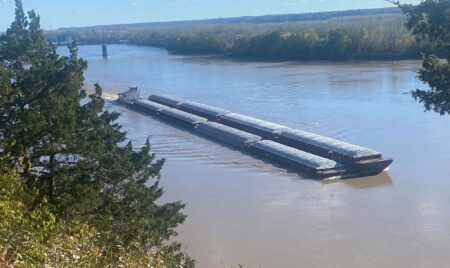
- Benefits of the Pick Sloan Act included promises of flood control, water for domestic, municipal, and industrial use, as well as irrigation development, power supply, recreation, fish and wildlife enhancements, and navigation support. All benefits noted, except for navigation, are enjoyed by all the states. But only the downstream states enjoy the navigation benefit.
- The tremendous benefit of hydro power is completely provided by dams located in the Upper Basin. But much of that benefit is not used by either the Upper or Lower Basin states, with export of that power delivered to states not in the Basin.
- Let’s be clear on the issue of the navigation benefit. It is enjoyed primarily and almost solely by the state of Missouri, but it is not the priority of the Pick Sloan Act. In fact, the Pick Sloan Act clearly states that Navigation shall “not conflict with any beneficial consumptive use, present or future, in (other) States (of the Basin).” (1944 Flood Control Act, Section 1.b.)

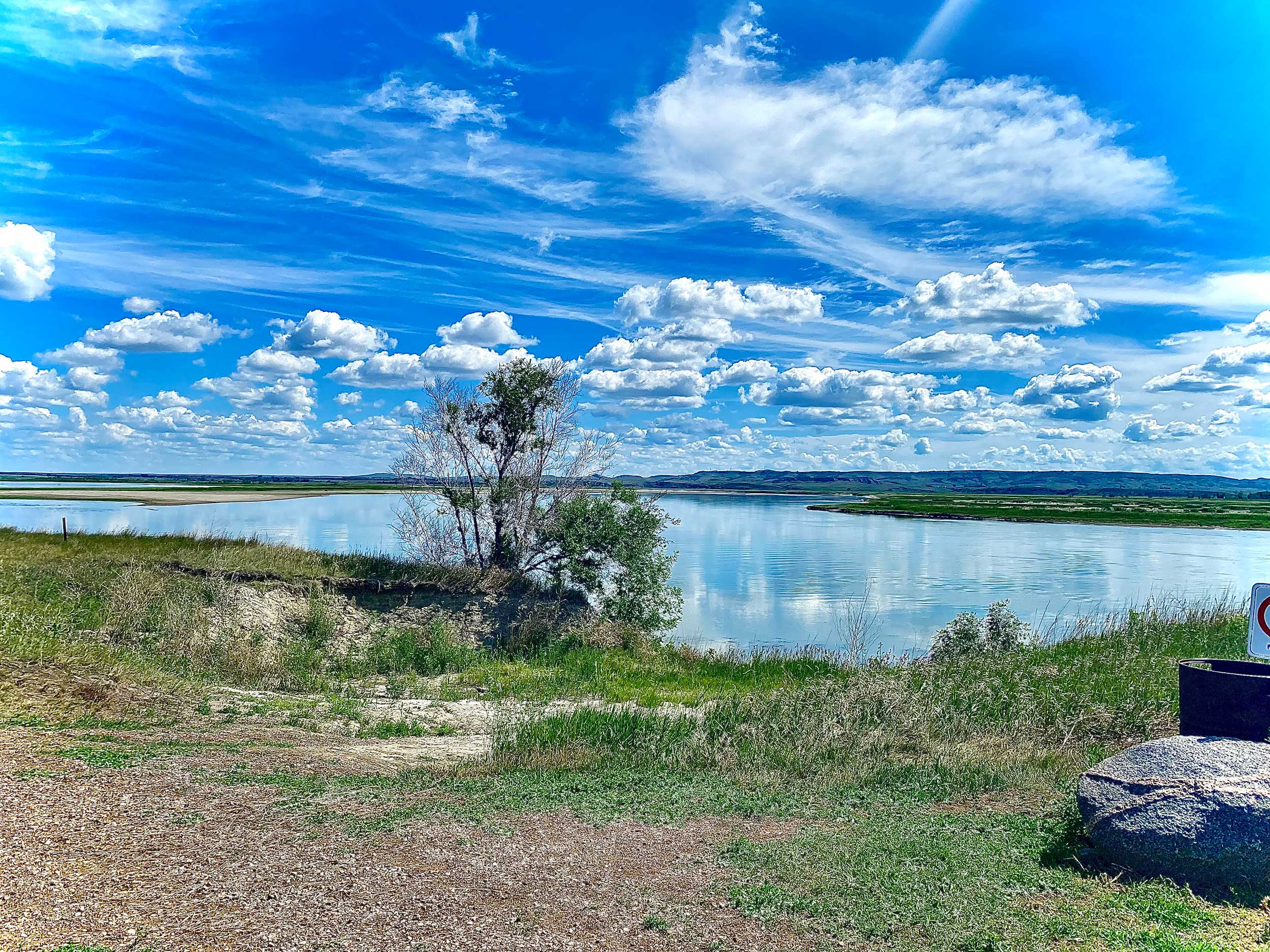
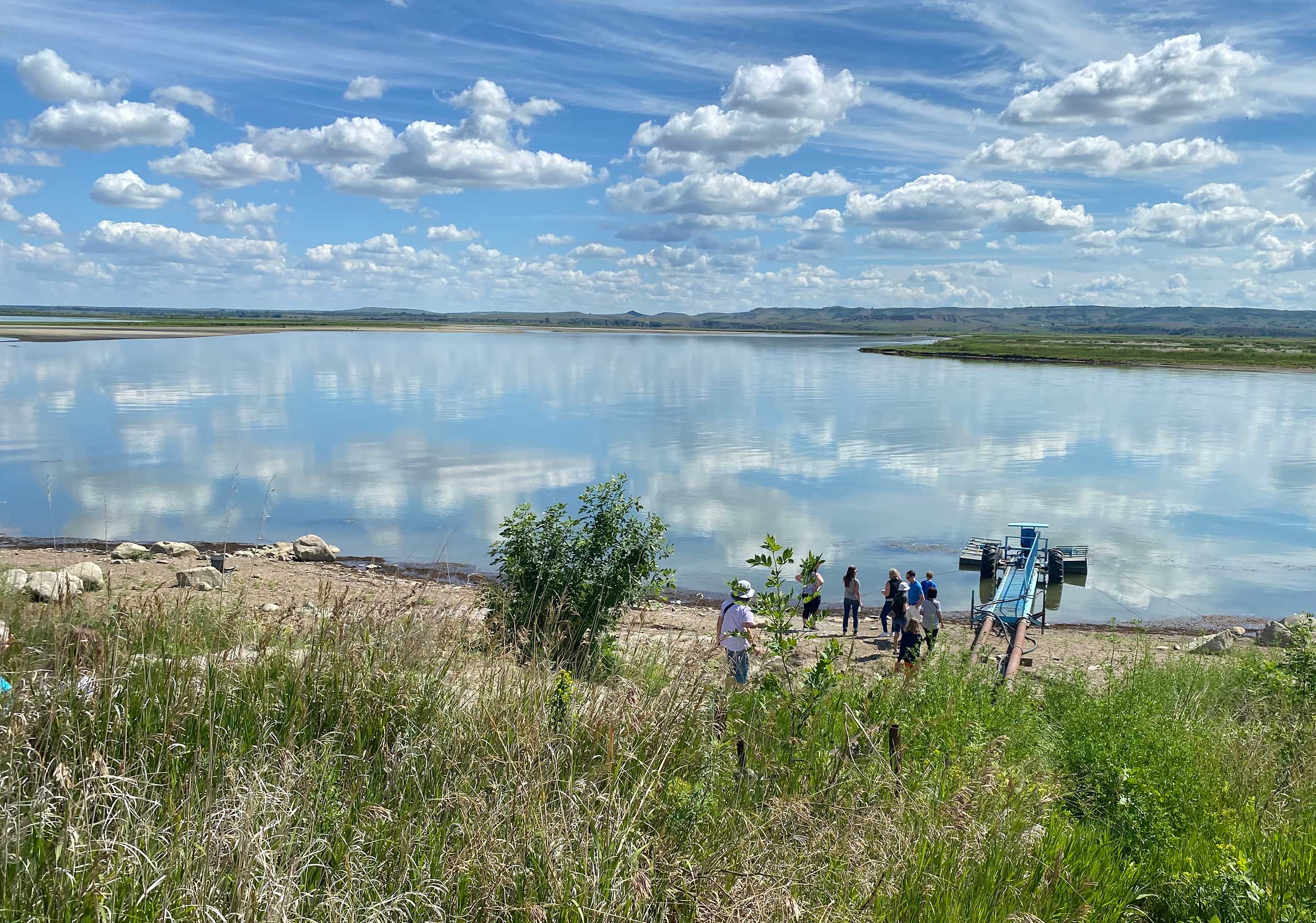
In North Dakota, to make maximum use and benefit of the river system, we must transport Missouri River water across our state and across a Continental divide, as is being done in other basins of our country. The Red River Valley Water Supply project will provide vital drought resiliency to eastern North Dakota, including the largest and third largest cities in the state. Without the completion of this project, a significant portion of the population in North Dakota will not have adequate drinking water should the state suffer a 1930s style drought. This project creates only a phantom problem for the state of Missouri. At full capacity, the Red River Valley Water Supply Project will use 165 cubic feet per second (cfs). The average flow close to the outlet of the Missouri River in Missouri is more than 94,000 cfs. Therefore, the North Dakota project that, according to the authors of the previous article, threatens the lives and livelihoods will take less than 0.18% of the flows out of the river at its confluence with the Mississippi. A number so minute, the cries of doomsday fall flat.
This is just the latest in a coordinated effort by the state of Missouri to challenge any and all claims to Missouri River water. In fact, only a few years ago, a similar North Dakota water project planning to use 20 cfs of Missouri River water was challenged by the state of Missouri. Missouri contended that North Dakota’s taking of 0.02 percent of the total flow out of the river would be a damaging depletion of the river. That lawsuit was rightfully and promptly dismissed by the courts. The amounts of water used by any Upper Basin states, both individually and collectively, is not unreasonable, nor do current plans for additional water needs put any unreasonable restrictions on water use on the Lower Basin states.
But in a larger sense it makes no difference the extent, degree, or amount of water any state, inclusive of all our Basin states, withdraw from the river system for their own self-determined needs. What is important is mutual recognition and respect among our Basin neighbors for all of us to have a fair use of this important resource. We in the Upper Basin don’t come to the Lower Basin and tell any of them how much water to use, how to use it, or where to use it. We say, yes, put it to the highest and best use so long as such use does not interfere with the prior rights of the other users in the Basin, and, importantly, recognizes the sacrifices made by the Upper Basin states so we all can pursue the benefits of the Pick Sloan Act.

The challenge the Upper Basin and Lower Basin both have is to be diligently aware of efforts to export the river system water to the west, out of the states that make up our Basin. The states that contribute water to the system, and particularly the states that made the large land sacrifices for the Pick Sloan Act, should, without questions or challenge, have reasonable use of the river within their respective states.
We should recognize that the real threat to our Basin are those efforts to take large amounts of water out of the Basin states. That should be our common shared concern. Let’s not be distracted or divided by any efforts that may interfere with the fair usage of this great river resource that we share.
Wade Bachmeier is the chairman of the Missouri River Joint Water Board (MRJWB). The MRJWB is a North Dakota political subdivision made up of county water boards with interest in the Missouri River that provides a cooperative and coordinated effort in addressing the management, conservation, protection, development, and control of water resources in the Missouri River Basin.
Ken Royse is the program manager for the MRJWB’s EAE Program — Educate, Advocate, and Engage — for the Missouri River system in North Dakota. The program supports the MRJWB’s mission by educating the public on the importance of the Missouri River, advocating concerns to state and federal stakeholders, and engaging with all who rely on or enjoy the benefits of the river system.