





When life feels overwhelming, what we eat — and how we eat — can be one of the most powerful tools to calm body and mind.
Just ask mom and busy professional DeEtta Lee, who rediscovered her energy and clarity through simple, intentional changes. “I was at one of my lowest points mentally, and the idea of adding one more thing felt overwhelming. But I also knew I couldn’t keep going the way I was,” she says. “I started with small, intentional changes — eating more whole foods, moving regularly, and prioritizing rest. Over time, those choices became a foundation.”
The impact has been profound.
“I have more mental clarity, a steadier mood, and better stress tolerance” she says. “Physically, I feel stronger and more energized — and that energy matters most when I’m with my kids. Nutrition didn’t fix everything overnight, but it gave my body and brain the support they needed for healing and consistency. It truly changed my quality of life.”
Eat with intention, not perfection
“Mood changes happen in the gray matter. It’s not just what we eat — it’s how,” says Registered Dietitian Nutritionist Leslie Bonci of Active Eating Advice. Research shows that no single food makes the difference; consistent eating patterns do. Bonci emphasizes regularity over rigid schedules: Aim for three nourishing meals a day, whatever your day looks like.

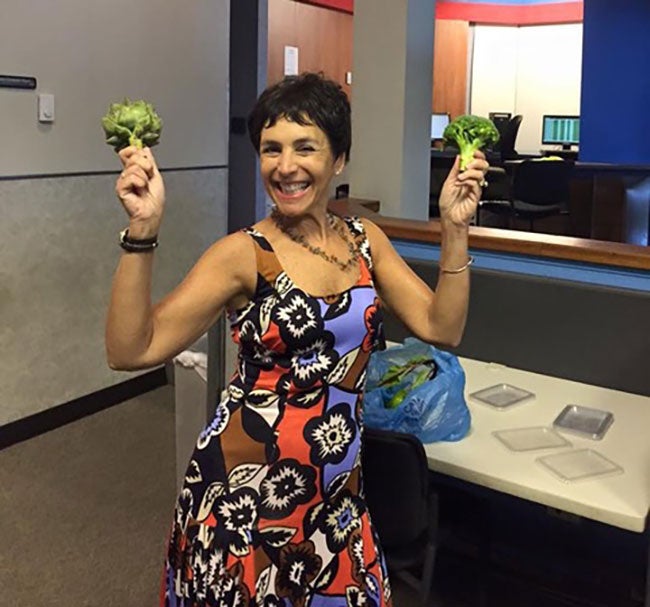
Farm life, she knows, doesn’t always lend itself to meal breaks.
“When you delay eating until 7 p.m., your body is underfed and stressed,” she says. “That can lead to overeating — and more stress.” Late meals also make restful sleep harder to achieve.
How food can help your mood
Bonci recommends a consistent three-meal rhythm, every day of the week. Here’s how balanced nutrition supports mental wellness:
- Blood sugar stability: Simple sugars and processed foods cause mood-swings; complex carbs like whole grains, fruits, and veggies provide stable energy.
- Neurotransmitter production: Amino acids from protein fuel serotonin and dopamine — key players in mood and motivation.
- Nutrient deficiencies: Vitamins B and D, plus minerals such as magnesium and selenium, are essential for brain function.
- Gut-brain connection: A fiber-rich diet with probiotics supports a healthy microbiome, which directly affects mental health.
- Inflammation: Diets high in processed foods and saturated fats can worsen inflammation, which is linked to mood disorders.
Nebraska farmer Randy Uhrmacher saw this firsthand when he focused more on real food.
“Tractor meals are the easiest way to improve health for me,” he shares. “You don’t take junk to tempt you. A 12-volt food warmer lets me enjoy leftovers hot — it’s like eating at home.”
Focus on what to add
Too often, nutrition talk centers on restrictions. Bonci flips that mindset: Focus on what you can add.
“Add omega-3s from fish — canned salmon in salad, clam chowder, or spaghetti sauce,” she suggests. Fiber’s another easy win: “Baked beans work anytime. Try three-bean salad, coleslaw mix in tacos, or broccoli in soup.”

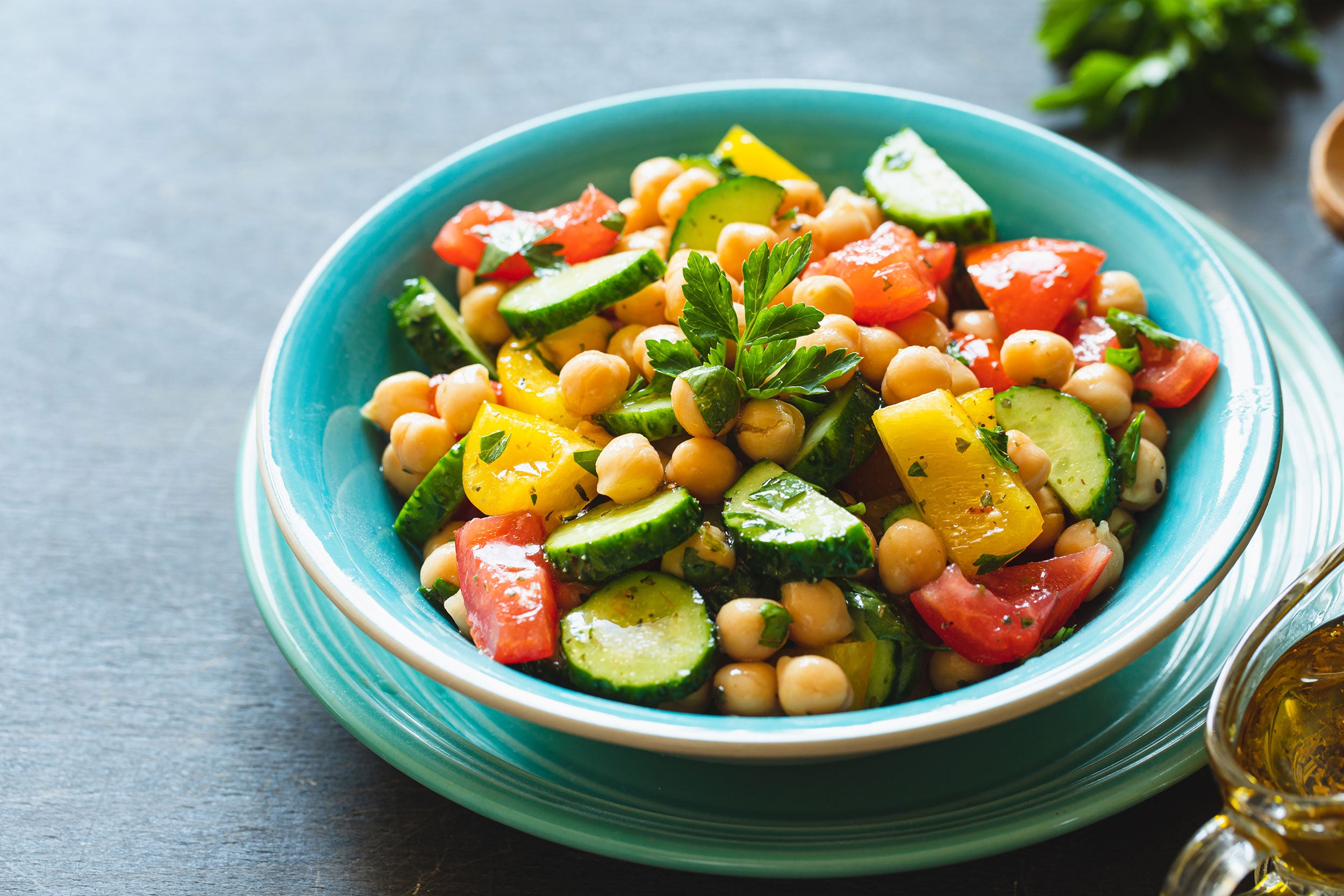
Other quick fiber add-ons: Blend canned beans into sauces, top salads with roasted chickpeas, or grab frozen beans-and-rice combinations. Bonci also recommends starting the day with higher-fiber cereals — bran, oat bran, or raisin bran — because even small portions go far. Add a handful to yogurt for texture and nutrients.
Just like cows need adequate forage, humans need fiber for gut health – and that gut health affects brain function and inflammation (F & F). Bonci sums it up: “Optimize your F and F — fiber and fluid — to lower body stress and improve resilience.”
Irrigate internally
“Hydration is essential,” Bonci stresses. “When you’re not well-hydrated, your body is forced to work harder and use organs differently — it’s another form of stress.”
She recommends a baseline of 90 ounces of fluids daily for women and 120 ounces for men (without accounting for physical activity). Coffee and tea count; alcohol doesn’t. Make hydration matter: Drink vegetable juice, hot beverages in cold weather, soups or stews for added moisture, or infused water with fruit for flavor.


New mom Andrea Veronica noticed a big difference when she cut back on energy drinks and hydrating more. “Having to give them up during pregnancy and breastfeeding was the best thing I could’ve done. They were a bandage on a bigger problem. Real food and the right supplements help so much more long-term.”
Power up with phytos
As a nationally recognized sports dietitian, Bonci knows not everyone loves greens — but produce delivers key plant compounds (phytonutrients) that fight stress and support the brain. “Soups and stews make it easy — add cabbage, salsa, or extra vegetables to chili or pasta sauce,” she says.
If greens aren’t your thing, try produce that’s familiar or prepared differently. “Roast broccoli with seasoning, bake squash wedges for better texture, or add coleslaw for crunch,” she suggests. “People stick with foods they enjoy, not the ones they feel forced to eat.”
Ask yourself
Bonci suggests checking in with yourself using these simple prompts:
- Think your drink. Are you hydrating enough — and throughout the day?
- Add, don’t subtract. What can you add to make your meals more nourishing?
- Eat for mental health. Try a Mediterranean or DASH-style pattern. Is there a veggie, a fruit, and a bean in your day?
- Play to your weakness. Notice when and what you snack on. What small change could make it more balanced?
“The less we stress about perfect nutrition,” Bonci adds, “the less stress we actually create.”
Nourish to flourish
Eating right isn’t about hitting an ideal — it’s about giving your brain and body what they need to handle life’s demands.
How can you add one of these ideas for nourishing a calmer mind and a stronger body?
Michele Payn helps the people of agriculture have tough conversations about managing stress, connecting with consumers, and making sense of science. Learn more about her speaking and writing at causematters.com or follow @mpaynspeaker on social media.