




Today sustainability and environmental impact is more than just a trend. And many people who are looking for ways to reduce their impact on the environment focus on their diet.
If you Google “sustainable diets,” you will frequently be told that, at the very least, you need to drastically reduce your intake of animal products. The United Nations itself recommends moving toward a plant-based diet to support sustainability.
But there’s a lot more to sustainability than it might seem, and if your goal is to support sustainability, you can absolutely do that and still eat meat and other animal products.
First, why does everyone say that switching exclusively to plant-based food is the best way to reduce emissions and support sustainability? The latest U.S. Environmental Protection Agency sustainability report came out in 2022 and showed that total emissions from agriculture equaled 634 million metric tons of CO2, which is 9.99 percent of all U.S. emissions. Livestock specifically accounted for 4.3 percent of all GHG emissions. While this seems like a substantial amount, when compared to the 28 percent of emissions caused by transportation, it doesn’t seem like so much. It doesn’t seem to me that switching to plant-based diets truly would help emissions very much. In fact, research published in the Journal of Animal Science shows that eliminating all livestock from the agriculture industry would reduce greenhouse gas emissions only by 2.6 percent to 2.9 percent in the United States.

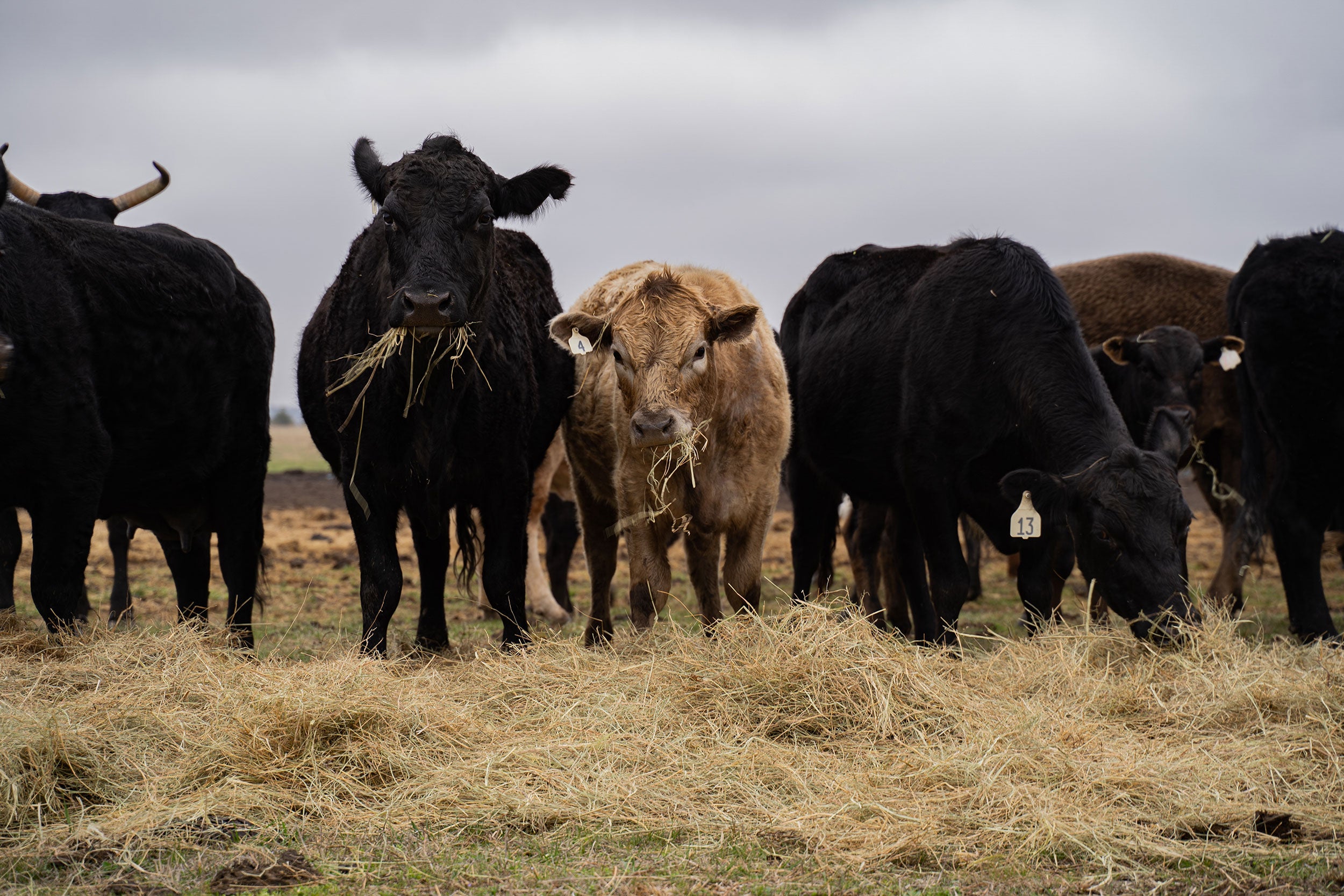
This elimination of livestock in agriculture would also have some negative nutritional impacts. It could lead to an overall lack of vitamin B12, long-chain omega-3, and omega-6 fatty acids in the U.S. population. Animal foods provide important nutrients and are a much more complete protein source (by providing a wide variety of amino acids). When carbon footprints of plant-based foods and animal foods are compared, considering nutrient density and amino acid content, independent research has shown the carbon footprints are similar.
It’s even been found that plant-based meat alternatives have a higher or similar carbon footprint to well-maintained pasture-raised beef.
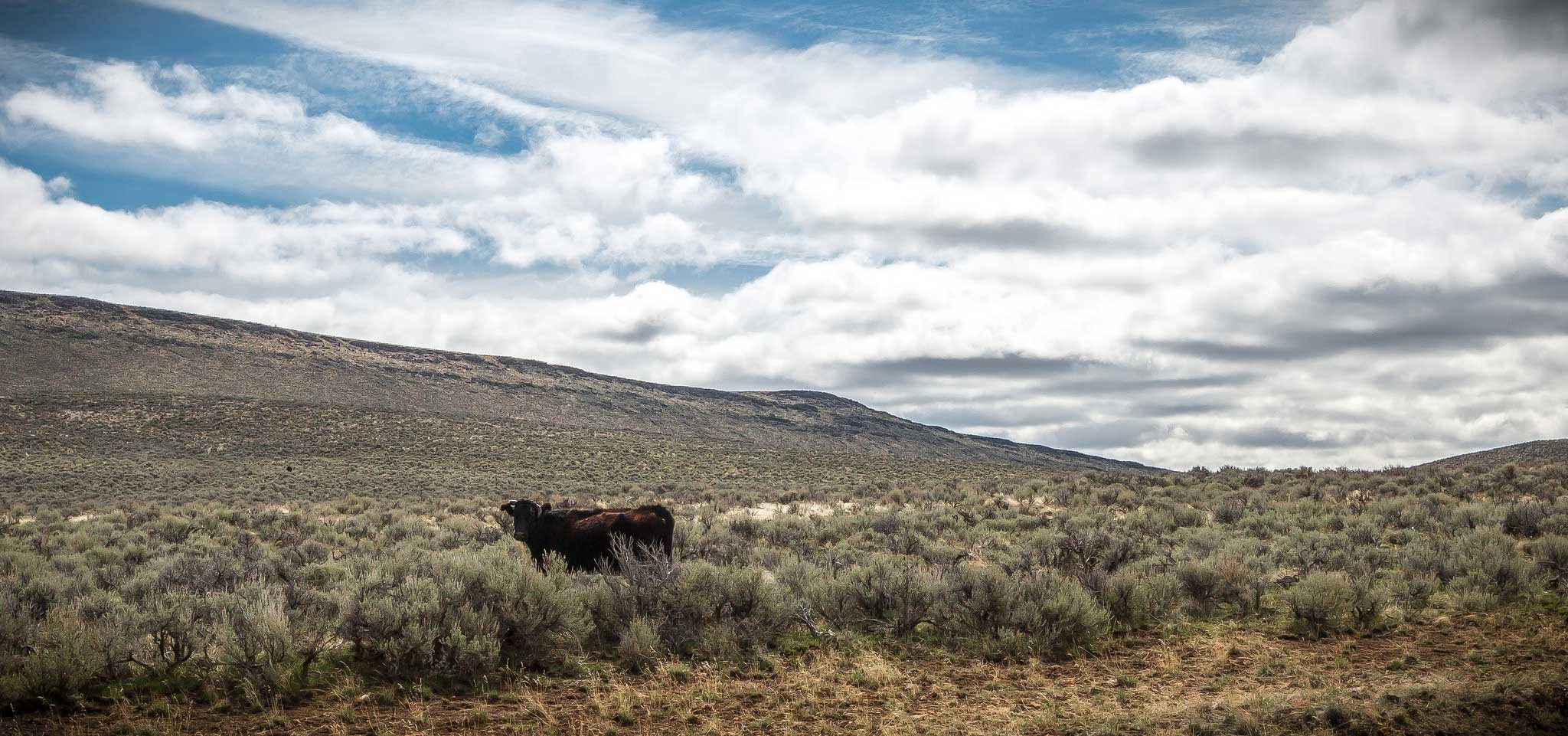
Getting back to the environmental side of this, livestock provide a lot of environmental benefits. Grazing livestock uses about 29 percent of all U.S. land, which includes grassland, pasture, and rangeland. The land used for grazing livestock is often not able to be used to grow other crops or food products as it is too rocky, arid, or steep. This might seem like a lot of land, but since much of it can’t be used for other food production, livestock are using land that would otherwise have no purpose.
Livestock are also “upcyclers,” which means they take things that are inedible for humans (grass or food waste) and turn it into high-quality protein and essential nutrients. Byproducts of other industries are often fed to animals to help reduce food waste. Some examples of these byproducts include: brewers’ grains, cotton seed, pea pulp, beet tops, grass clippings, and potato peelings. In fact, 40 percent of animal feed ingredients are byproducts.

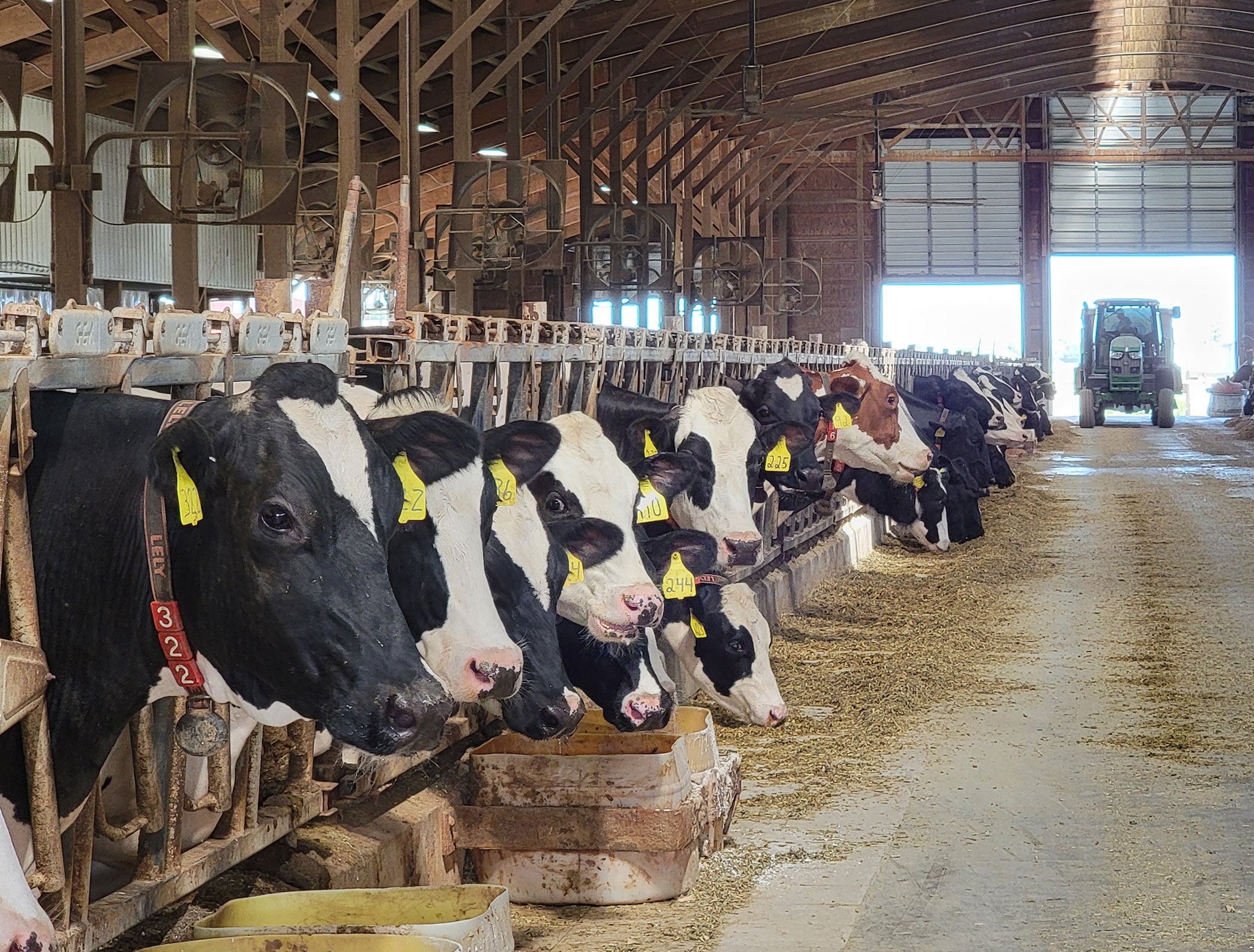
Research has also found that feeding these byproducts to cattle decreases GHG emissions by over 4.5 times when compared to composting these byproducts and over 49 times when compared to landfill disposal.
There are other benefits that livestock can provide, like improving biodiversity, providing wildlife habitat, enhancing carbon sequestration, and contributing to nutrient cycling when grazing. Cattle grazing can help to control weeds, which allows the opportunity for other varieties of plants to grow. Sheep eat plants that crowd out trees.
Manure and waste from livestock also has a use. This fertilizer often cuts down on production costs and increases soil health and crop yields for future years. Manure can also be captured in methane digesters and turned into fuel and/or renewable energy.
Another good thing is that agriculture is always reducing its impact on the environment. In 2022 the livestock industry reduced GHG emissions in the United States by 2.1 percent from the year before. There are some years where it might not look like ag is reducing emissions, but it really is. Since 1990, U.S. agricultural emissions have increased by a total of 6.4 percent. At the same time, the U.S. population increased by 33 percent, adding over 83 million people in three decades.
American agriculture has risen to this challenge and has greatly increased productivity to feed this increasing population. Since 1948, agricultural outputs have increased three times per unit of input used. This means that ag as a whole is doing a great job of producing more while using the same (or fewer) inputs. Thanks to advancements in technology, agricultural emissions per capita have declined 20 percent since 1990. When you adjust for productivity gains in ag, the 6.4 percent increase in agricultural emissions drops to a 25 percent decline since 1990.

In the U.S., switching to a plant-based diet wouldn’t be the most effective course of action if your goal is to reduce emissions — globally, however, this might have a slightly bigger impact. In lesser developed countries where agriculture is not as efficient, switching to a plant-based diet could have a bigger impact on GHG emissions. In these cases, instead of a mass switch to a plant-based diet, helping improve access to science and technology, improving animal management practices, and looking at the other benefits of animals in a different country (for example cultural benefits) would have an even larger impact on GHG emissions and sustainability.
When considering the impact that animal ag currently has on the environment, the amazing nutrients that animal products provide, the benefits that livestock have on the environment, and the fact that animal ag is continually working to reduce its environmental impact, don’t rely on switching to a plant-based, vegan diet as the best way to eat sustainably. Agriculture as a whole is a great example of experts working hard to improve and meet the needs of a growing population and consumer expectations. If you’re worried about your impact on the environment, the animal products you eat certainly don’t need to be one of your concerns.
Michelle Miller, the Farm Babe, is a farmer, public speaker, and writer who has worked for years with row crops, beef cattle, and sheep. She believes education is key in bridging the gap between farmers and consumers. Find more about Michelle on her website.