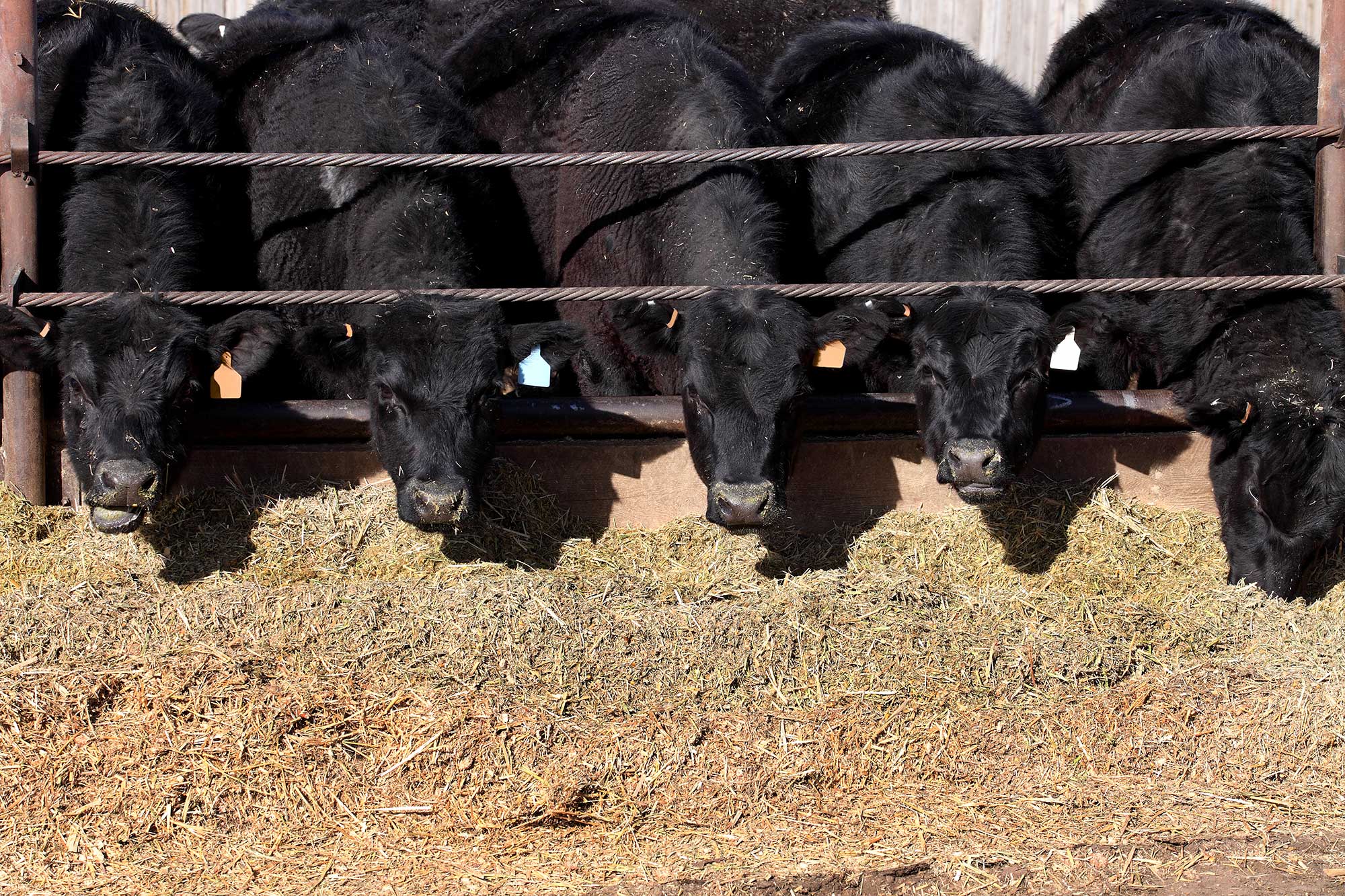




A proposal in the Nebraska Legislature could dismantle the state’s long-running cattle branding system by eliminating the Nebraska Brand Committee and shifting its responsibilities to the Nebraska Department of Agriculture.
Legislative Bill 1258, introduced by Sen. Ben Hansen of Blair, would end the governor-appointed Brand Committee, make brand inspection voluntary instead of required and transfer brand inspection, registration and livestock theft investigation functions to the state’s agriculture department. The Legislature’s Agriculture Committee is scheduled to hold a public hearing on the bill at 1:30 p.m. Feb. 17 in Room 1027 at the state Capitol in Lincoln.
The bill represents the latest escalation in a widening debate over the future of Nebraska’s brand inspection system, which applies to cattle owners in the western two-thirds of the state. The Brand Committee’s core role is verifying ownership and investigating cattle theft — services funded through inspection fees, not taxpayer dollars.
Hansen has argued the current system is inefficient and burdensome for producers. “The way we address branding in the state of Nebraska doesn’t seem like an efficient use of the producers’ time and their money,” he said in recent remarks.
Mileage change adds fuel to the debate
The push to restructure, or eliminate the committee comes as the Brand Committee acknowledges it will be changing how it charges for mileage on inspections following a complaint filed with the Nebraska Attorney General’s Office. The complaint questioned the committee’s authority to continue charging a $20 per-inspection mileage surcharge.
Effective Jan. 19, 2026, the Brand Committee will discontinue the $20 surcharge and charge the “actual mileage incurred” by inspectors performing physical inspections, as required by Nebraska law (Neb. Rev. Stat. §54-1,108(1)(d)). Nebraska statute was amended in 2021 to replace the flat surcharge with an actual-mileage model, but the committee continued the surcharge while it attempted to develop a fair method for calculating mileage particularly when inspectors make multiple stops in one day.

At the federal mileage rate of $0.725 per mile effective Jan. 1, 2026, the committee said $20 covered about 27.5 miles. Under actual mileage, some producers could pay less than $20 per inspection while others may pay more depending on travel distance. The committee said it will charge only one-way mileage for regular inspections, not roundtrip mileage, to help reduce potential cost spikes.
Supporters of the committee argue mandatory inspection remains a foundational proof-of-ownership safeguard (especially as cattle values remain high) and warn that moving to voluntary inspection could weaken the system’s “legal teeth.” Sen. Tanya Storer of Whitman, a Cherry County rancher told the Hastings Tribune, has been one of the most vocal opponents of LB 1258, arguing that the proposal risks undermining the integrity of a valuable asset and reflects a lack of understanding from lawmakers outside the brand inspection area.
“Nebraska Farm Bureau continues to be a strong supporter of the work of the Nebraska Brand Committee, including its important role in mitigating cattle theft in our state. While we have been open to discussions centered around modernization to ensure the current fee system is equitable for program participants, our members have made it clear that they are not supportive of changes that would effectively end the mandatory brand inspection program as it exists today in favor of a voluntary statewide system as proposed in LB 1258, legislation introduced by Sen. Ben Hansen of Blair,” wrote Mark McHargue Nebraska Farm Bureau president. “Given the volume of questions we’ve received about the legislation, we felt it is important to be clear that Nebraska Farm Bureau is opposed and will actively work to stop any effort to implement a statewide voluntary brand inspection system.”
The fight has also drawn in other legislative proposals. Some bills seek to preserve the Brand Committee while adjusting fee structures, including proposals that would raise inspection fee caps and potentially authorize a mileage surcharge again, framing a flat fee as a more equitable way to distribute travel costs between producers near inspectors and those farther away.