






Change is afoot in the U.S. beef supply chain. More dairy cattle seem to be specifically bred to generate a calf to be sold as beef, but so far, documentation for the trend is mostly anecdotal.
In an invited talk at the U.S. Department of Agriculture’s 102nd Annual Agricultural Outlook Forum, University of Tennessee agricultural economist Charles Martinez is poised to show the impact of beef on dairy crossed cattle on the U.S. beef supply chain and propose a new category for recording cattle market data: beef on dairy.
Martinez says documenting this developing market will help industry analysts understand the true nature of the U.S. beef supply chain as well as the economic state of the beef and dairy industries.
“Beef on dairy has always been available as a backup strategy for dairy producers to maintain operations during slumps of dairy prices,” said Martinez, assistant professor and director of the UT Center of Farm Management. “But the current landscape has producers using artificial insemination to make genetic-based decisions for dairy production while also intentionally using semen from beef bulls to produce calves to market as beef.” At present, beef-dairy cross sales are recorded as beef sales.

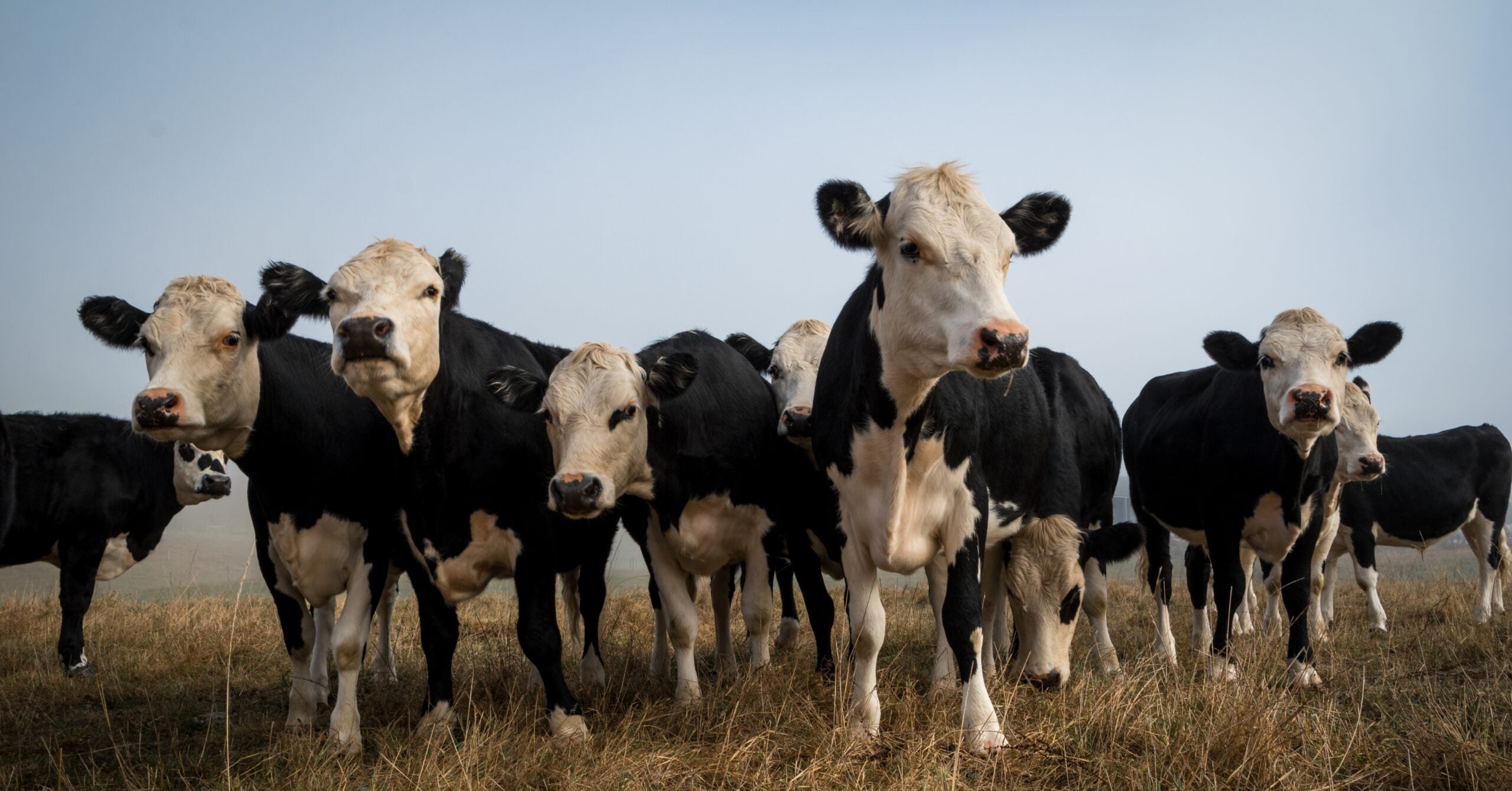
Martinez hypothesizes that the beef-dairy cross segment of the beef supply chain has evolved from more than just a substitution effect during times of tight beef feeder cattle supply to a developed market. Among the evidence for this is the strong revenue beef-dairy cross calves generate at market.
Crossbred dairy calves command higher premiums compared to purebred dairy bull calves. Martinez said, “In 2025, a 550-pound beef calf in Tennessee was valued at $1851, compared to a dairy calf valued at $1320 — a difference of $531.”
Among the reasons for the premium is that crossbred calves generally achieve better carcass characteristics compared to traditional dairy steers. And producers are responding to that premium. Martinez says in 2025 alone approximately 25 percent of all cattle sold through U.S. markets were beef on dairy crosses.
At a time when the USDA is reporting that the U.S. cattle inventory is at a 75-year low of 86.2 million cattle and calves, accurately representation of market segments may be crucial to understanding the economic and operational implications of beef-on-dairy practices for producers and the broader beef industry.